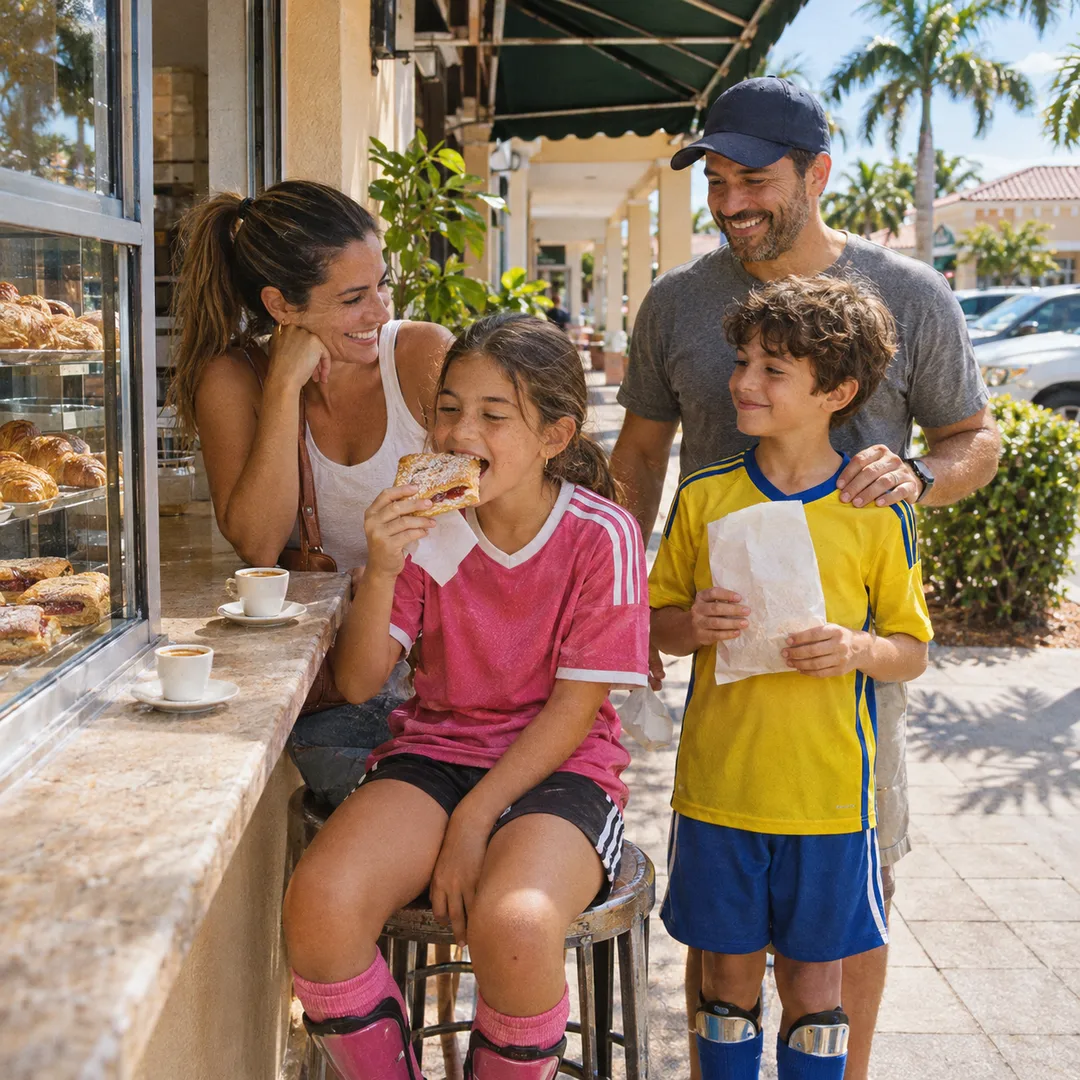
 Kendall Pastelito Window Crawl to Pick a Birthday Party Box
Coffee & Dessert
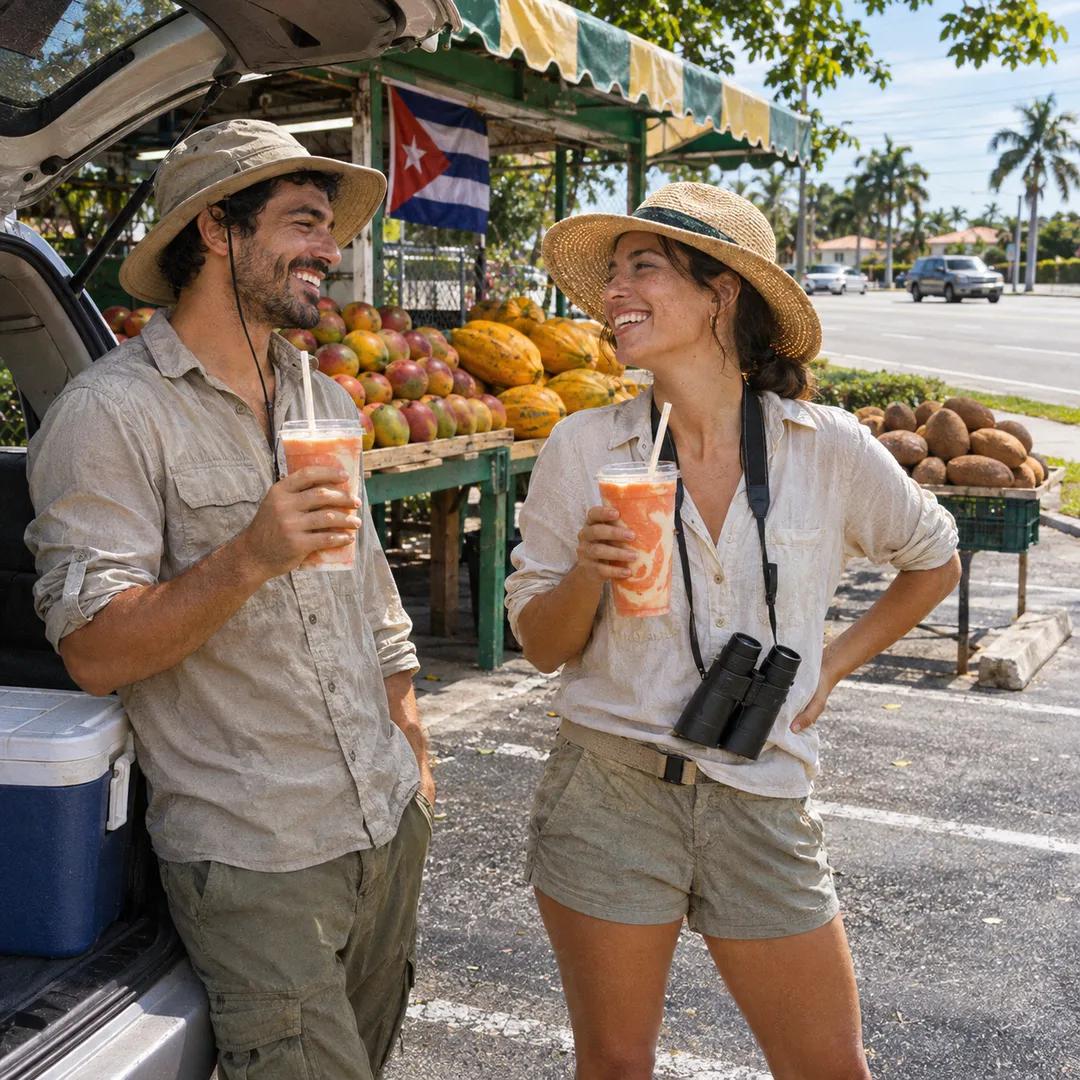
Flagami Batido Shake Spot Finder Before an Everglades Drive
Heading west to the Everglades? Flagami sits right on the Tamiami Trail, so grab a mamey or guanábana batido there first, then drive on toward the sawgrass.
The road to the Everglades from Miami is, for many people, simply Calle Ocho kept going. Southwest Eighth Street becomes the Tamiami Trail and runs west across the sawgrass toward the Gulf, and Flagami, near where the city gives way to the suburbs, is the last stretch of Cuban Miami that many drivers pass. That makes it the perfect place to start the day with a batido. This batido shake spot finder is written for friends planning an Everglades drive who want a proper west Miami send-off before the strip malls give way to egrets and open sky.
A Neighbourhood Named for Two Roads
Flagami's name is a blend of Flagler Street and the Tamiami Trail, the two roads that frame much of the neighbourhood. It grew up as a modest residential area of single-family homes, small apartment buildings and family businesses, and over the decades it became home to many Cuban, Nicaraguan and other Latin American families. Its stretch of the Trail is lined with bakeries, cafeterías, fruit stands and auto shops, a practical, lived-in strip rather than a showcase.
For a road trip, that is ideal. The parking is usually easier than in Little Havana, the pace is calmer, and the batido counters here serve people who are on their way somewhere: workers heading to shifts, parents doing errands and, on weekend mornings, groups loading coolers and binoculars into the back of a car. You will fit right in.
Choosing a Batido That Suits the Day
A batido is fruit, milk, sugar and ice blended thick, and for a road trip the flavour matters more than you might think. Mamey, with its salmon coloured flesh and a taste between sweet potato and apricot, is rich and filling, almost a breakfast on its own. Batido de trigo, made with puffed wheat cereal, is another hearty option. If you plan to hike or walk in the heat, a tangier fruit such as guanábana, pineapple or maracuyá may feel lighter.
Ask for less sugar if you want to avoid a slump an hour later, and consider a fruit blended with water if dairy and long drives do not agree with you. Many counters are happy to adjust. A pastelito or a slice of Cuban toast on the side makes a good start, but save the big sandwich for later in the day; the Everglades reward people who travel light.
Drink It Here, Not in the Glove Box
Batidos are made to be enjoyed fresh. In a hot car the ice melts quickly and the milk separates, so the best plan is to drink yours standing in the shade outside the counter, chatting about the route, rather than balancing it in a cup holder for an hour. If you want a second drink for later, ask whether they can blend it extra thick and keep it in a cooler bag with ice, and finish it within the first part of the drive.
Use the stop to set up the rest of the day. Fill water bottles, pack the cooler with fruit and simple snacks, and put on sunscreen and insect repellent before you leave the city. Once you are out on the Trail, services become sparse, and it is far easier to sort everything in a familiar Flagami parking lot than on the shoulder of a two lane road.
The Drive West Across the Sawgrass
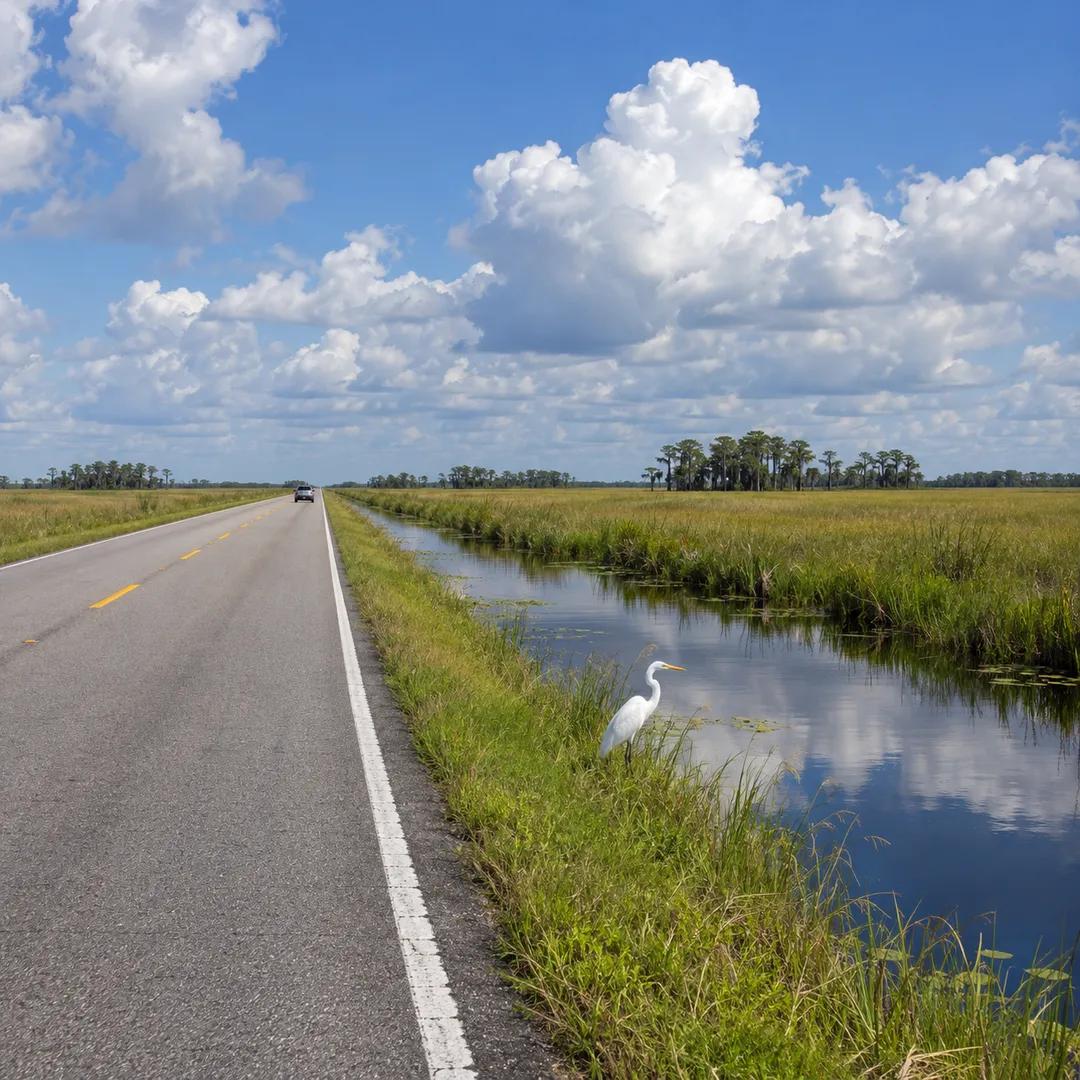
Heading west from Flagami, the Tamiami Trail passes the last of the suburbs and then opens up into the Everglades, the slow-moving river of grass that once covered much of southern Florida. The road was completed in 1928, a huge engineering project across swamp and limestone, and the canal that runs beside it was dug as part of building the road. Today it is a favourite place to spot wading birds and alligators sunning on the banks.
The route offers several natural stops, including Shark Valley in Everglades National Park, where a paved loop crosses the sawgrass to an observation tower, and the Miccosukee communities and airboat operators along the road. Plan one or two main stops rather than trying to see everything. Drive at a steady pace, pull over only where it is safe, and keep a respectful distance from wildlife, especially alligators, however calm they look.
Practical Notes for the Road
The Everglades are at their most comfortable in the dry season, roughly from late autumn to spring, when mosquitoes are fewer and wildlife gathers near water. In the wet summer months, storms build fast in the afternoon, so an early batido and an early start are wise all year round. Wear a hat, long light layers and closed shoes, and carry more water than you think you need.
Phone signal can be patchy along parts of the Trail, so download maps before you go and tell someone your plan. Respect the cultural sites of the Miccosukee Tribe and follow any rules on photography. Leave no rubbish behind, including batido cups, and if you stop at a roadside spot to watch birds, keep noise down so others can enjoy the quiet too.
Coming Home Through Flagami
One of the pleasures of this route is that it loops you back through the same streets. After a day of sun and sawgrass, a cold fruit batido on the way home feels even better than the morning one. Many travellers swap flavours on the return, choosing something tart and refreshing like guanábana or pineapple after a heavy mamey at dawn. Sitting outside a small counter as the city lights come on is a fitting way to end the day.
It also makes a good habit for repeat trips. Find a counter you like, become a familiar face, and tell the staff where you went. Many locals have their own Everglades stories, from childhood airboat rides to fishing trips along the canal, and the conversation over a second batido can easily become the start of the next adventure.
Planning Your Trail Day With the Karpo APP
Before you leave, open the Karpo APP and describe what you want in plain language, for example a Cuban fruit stand or cafetería in Flagami that makes fresh batidos, with easy parking on the way west along the Tamiami Trail. Use the suggestions as a shortlist and ask follow-up questions about the atmosphere, whether the place suits a quick stop, and what else is nearby before the city ends.
Then keep the day simple: a batido at sunrise, a cooler full of water, one or two good stops in the Everglades, and another cold glass on the way back. The contrast between a busy Flagami counter and the silence of the sawgrass is what makes the trip memorable, and starting with a proper batido gives the whole day a taste of home.
Ask Karpo for more information.
Keep reading
- Kendall Pastelito Window Crawl to Pick a Birthday Party Box
 Coral Gables Croqueta Bakery Picker for a Home Cook
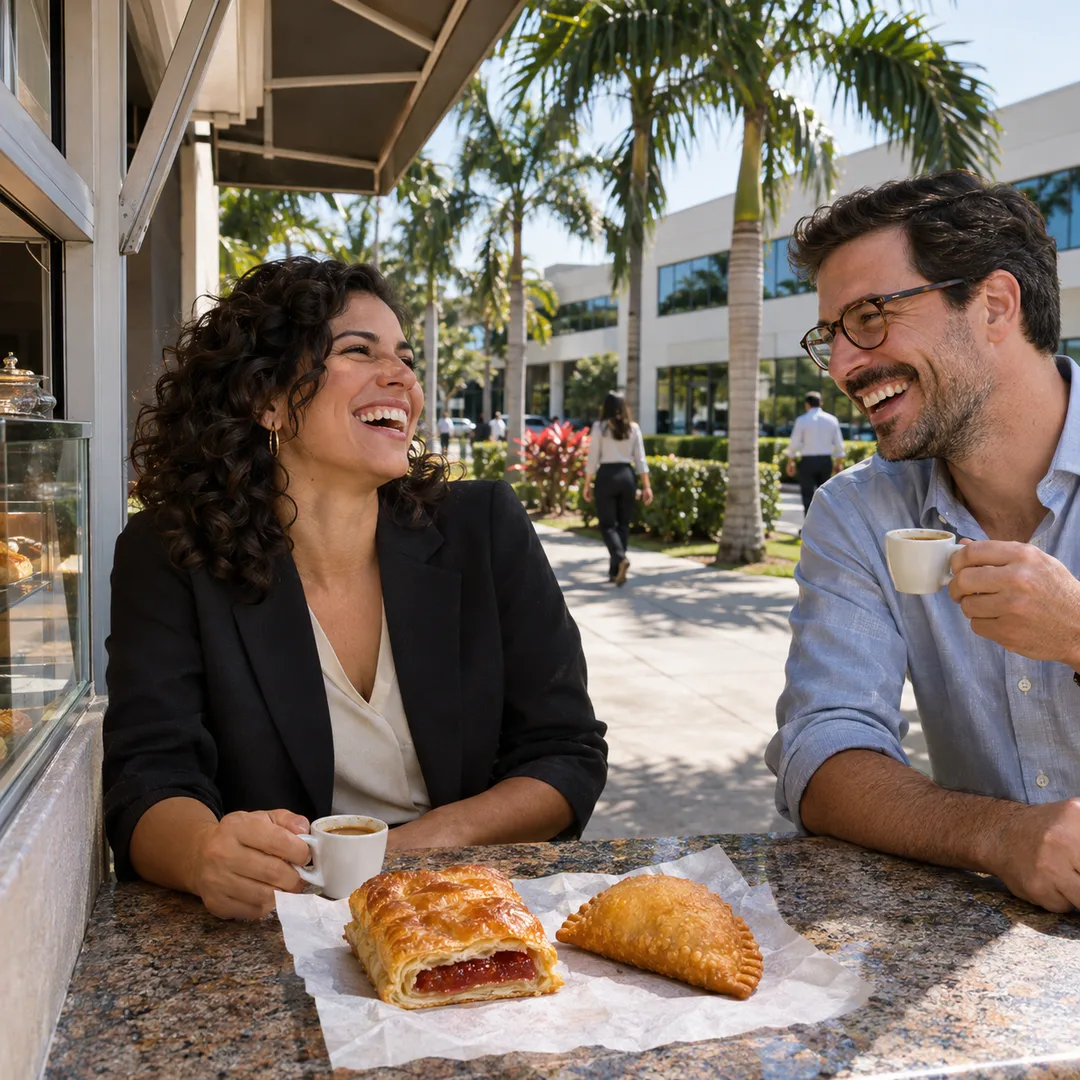 Doral Pastelito Window Crawl for a Cuban and Venezuelan Duel