 Kendall Pastelito Window Crawl to Pick a Birthday Party Box
Coffee & Dessert
Allapattah Batido Shake Spot Finder After a Gallery Day
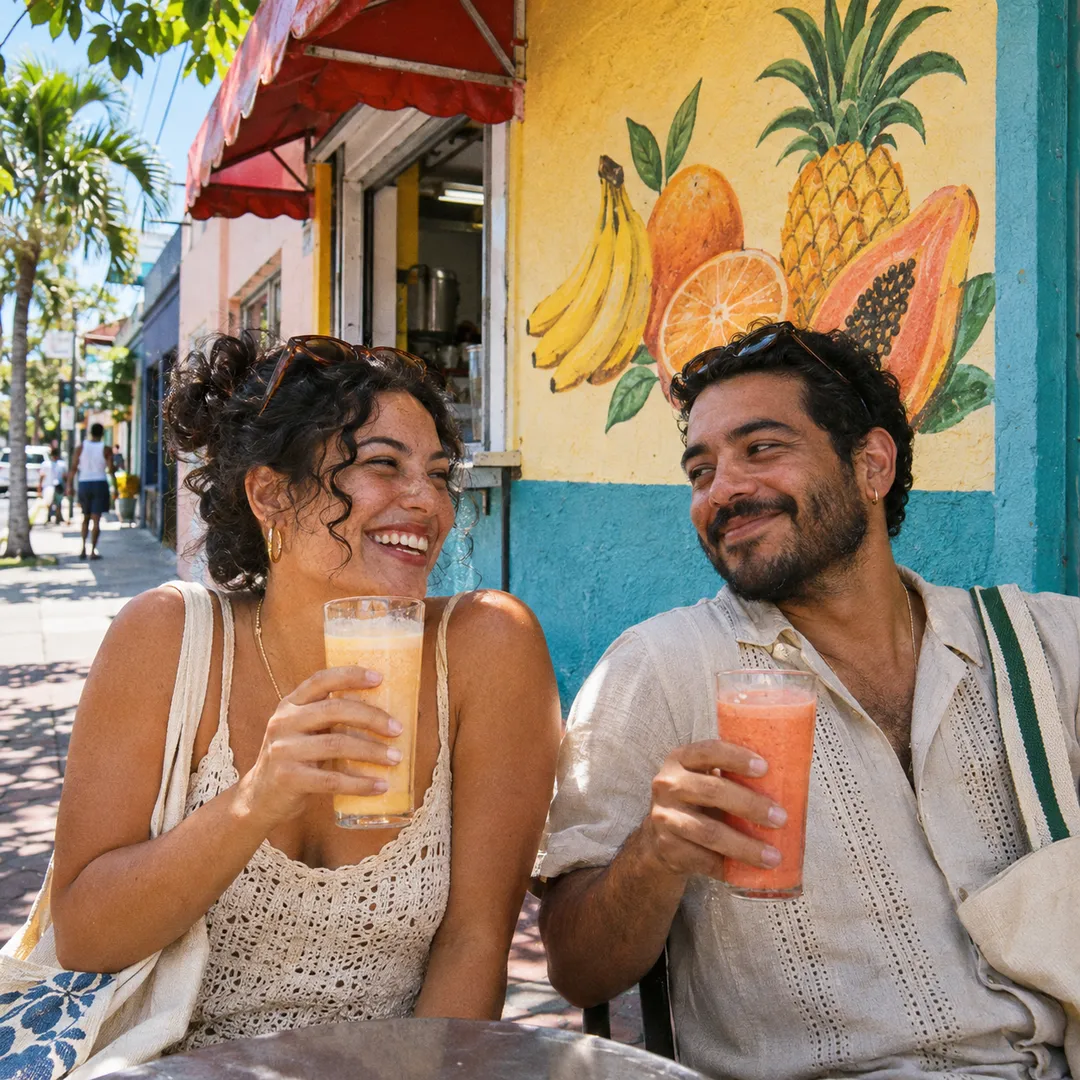
Art day in Allapattah? Pair the galleries with a Dominican batida or a glass of morir soñando, then wander the produce market blocks where the fruit comes in.
Allapattah is changing fast, and the clearest sign is the mix of people on its pavements on a Saturday: art lovers heading to new museums and studios, families shopping for the week, and workers moving crates of fruit through the produce markets that have long anchored the area. For anyone spending a gallery day here, the smartest break is a cold glass at a Dominican counter. This batido shake spot finder is written for two friends who want art in the morning, a batida at noon and a stroll among the fruit stacks before heading home.
A Neighbourhood With Fruit in Its Bones
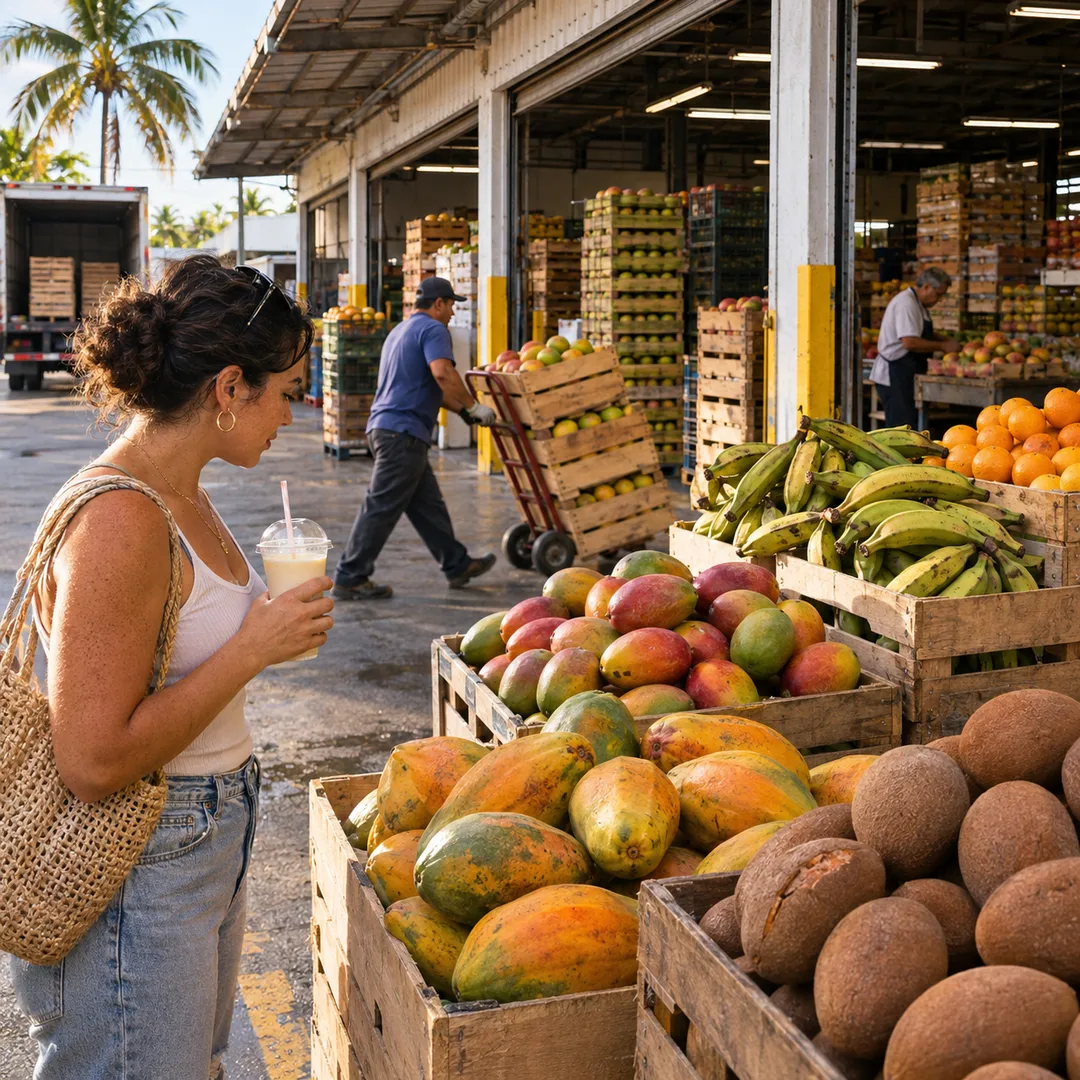
The name Allapattah comes from a Seminole word for alligator, a reminder that this part of Miami was once low, wet land on the edge of the Miami River. Over the twentieth century it became a working district of modest homes, garment shops and warehouses, and its wholesale produce markets grew into one of the places where much of the region's fruit and vegetables pass through. Walk near them early in the day and you will see pallets of papayas, mangoes, plantains and citrus being loaded under the morning sun.
Later, many Dominican families settled here, and the stretch around Northwest 17th Avenue earned the nickname Little Santo Domingo. That history shapes the drinks. A batido in a Cuban spot and a batida in a Dominican one are close cousins, both blended from fruit, milk, sugar and ice, but the flavours, names and conversation at the counter carry a different island accent, and the bachata playing on a radio tells you which one you are in.
Starting the Day With Art
Allapattah's art scene has grown around big converted warehouses. The Rubell Museum, which moved here from Wynwood, shows a major private collection of contemporary art in a former industrial complex, and smaller studios and galleries have opened nearby. Plan your morning around one main visit rather than trying to see everything, and leave time to talk about what you saw, because the best part of a gallery day with a friend is the argument afterwards.
Warehouse galleries can be cool inside and very hot outside, and the contrast catches people off guard in Miami. Bring water, wear comfortable shoes and expect to walk between blocks with little shade. That walk is exactly why the batida stop matters: by late morning a cold fruit drink feels less like a treat and more like the reward for an honest morning of looking.
What to Order at a Dominican Counter
The drink to try first is morir soñando, which translates as to die dreaming. It is a Dominican classic of orange juice, evaporated or fresh milk, sugar and ice, mixed carefully so the milk does not curdle, and it tastes like a creamsicle with a sharper citrus edge. Ask the person behind the counter how they make theirs; some swear by adding the juice slowly to cold milk, and the way they explain it says a lot about the kitchen.
Beyond that, ask for a batida de lechosa, which is papaya in Dominican Spanish, or try mango, guanábana or zapote, the Dominican name often used for mamey. Order two different glasses and swap halfway, the way you might trade opinions on two paintings. If you want something less sweet, ask for less sugar, and if you avoid dairy, ask whether a fruit can be blended with water instead; many counters are happy to adjust.
How to Pick a Spot Without Overthinking
Allapattah's best counters are rarely the ones with the biggest signs. Look for small cafeterías and fruit shops where the fruit is visible, the blender runs steadily and neighbours are greeting each other by name. A short menu of juices and batidas written on a board is a good sign that the drinks are the point, not an afterthought. Places near the produce markets and along the main avenues tend to have the freshest turnover.
If you are coming straight from a museum, it is easy to drift toward the newer cafés that have opened for visitors, and some are excellent. Still, try to fit in at least one older neighbourhood spot. Order in Spanish if you can, be patient at the counter, and say thank you on the way out. You will be drinking in the middle of people's daily routine, and a little courtesy keeps that welcome warm.
A Slow Walk Among the Fruit
After your drink, take a gentle walk through the produce market blocks if they are active. Watching crates of the same fruit you just drank being moved off trucks gives the day a satisfying loop, and the colours of the stacks, from green plantains to orange papayas, are their own kind of exhibition. Keep to the pavements, stay out of the way of forklifts and hand trucks, and ask before photographing anyone at work.
Some stalls sell to the public as well as to businesses, so you may be able to carry home a mamey, a bag of limes or a papaya for your own blender. That turns the outing into something you can repeat in your kitchen, and it is a good way to remember a day that mixed contemporary art with the very old pleasure of choosing ripe fruit by smell and touch.
Respecting a Changing Neighbourhood
Allapattah is a place where long-time residents and new arrivals are still working out how to share the streets. Visitors can help by spending money at older family businesses, being patient with slower service, and avoiding treating homes and workplaces as a backdrop. Keep noise down on residential blocks, park legally, and remember that the produce markets are a working industry, not a tourist attraction.
If you enjoy the area, come back on a different day. A weekday morning shows a very different side of Allapattah from a Saturday art crowd, with deliveries, school runs and regulars ordering their usual drinks. Returning in that rhythm is the best way to understand why the neighbourhood matters to the people who have built their lives here.
Planning Your Allapattah Day With the Karpo APP
Before you set out, open the Karpo APP and describe the day you want in simple words, for example a Dominican café in Allapattah that serves morir soñando and fruit batidas, close to the art museums, with somewhere nearby for a short walk. Use the suggestions as a shortlist and ask follow-up questions about the vibe, whether the place is a quick counter or a sit-down spot, and what else is nearby.
Then keep the plan loose: one museum, two glasses, one walk among the fruit. Talk about the art over your batida, swap glasses halfway, and let the neighbourhood set the pace. The paintings may stay with you, but chances are the taste of that first morir soñando will be what makes you come back.
Ask Karpo for more information.
Keep reading
- Kendall Pastelito Window Crawl to Pick a Birthday Party Box
 Coral Gables Croqueta Bakery Picker for a Home Cook
 Doral Pastelito Window Crawl for a Cuban and Venezuelan Duel