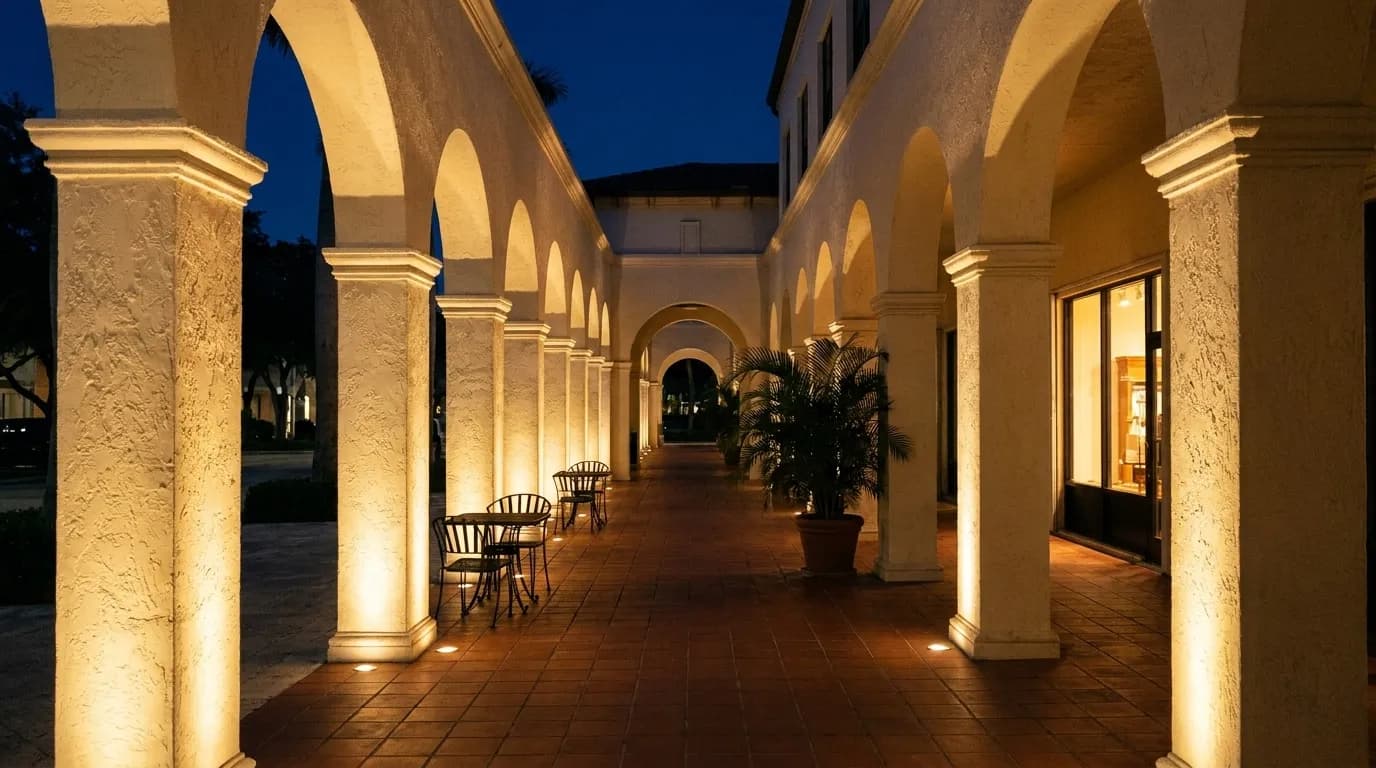
Coral Gables was designed in the 1920s as a Mediterranean city — stucco, barrel tile, arcades, plazas, all of it deliberately imported from southern Spain and Italy. That makes the word Mediterranean almost meaningless as a restaurant descriptor here, because every building already is one. A menu using the term in this neighbourhood might mean serious Spanish cooking, might mean Levantine, might mean Greek, and quite often means an Italian-American restaurant with olive oil in the branding. Sorting those apart is the useful skill, and it is not difficult once you know what to look at.
The label on the door says less than the menu does. Tell Karpo in iMessage what kind of Mediterranean food you actually want, and it will point you at the right room.
The Spanish Thread Is the Real One
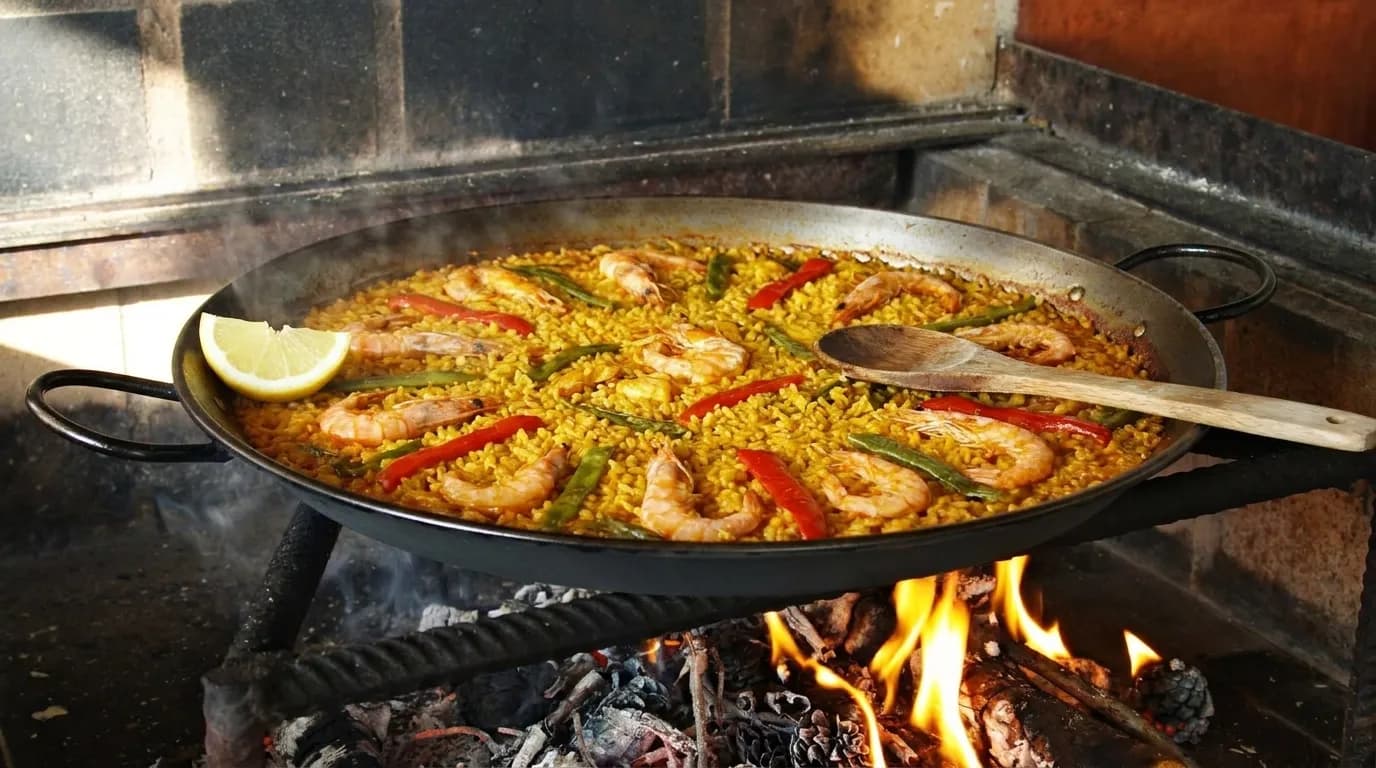
If there is one genuine Mediterranean tradition rooted in this neighbourhood, it is Spanish, and it goes back decades. The combination of the architecture, the Spanish consular and business presence, and a Cuban population with its own direct Iberian inheritance has sustained serious Spanish restaurants in the Gables far longer than anywhere else in South Florida. What that looks like in practice is proper jamón sliced to order rather than pre-packed, tortilla made in the kitchen and served barely set, rice cooked in a wide pan over heat rather than assembled, and a wine list with actual Spanish regions rather than a generic red and white. Any restaurant here doing three of those four is worth your evening regardless of what else is on the menu.
Greek, Levantine and the Rest
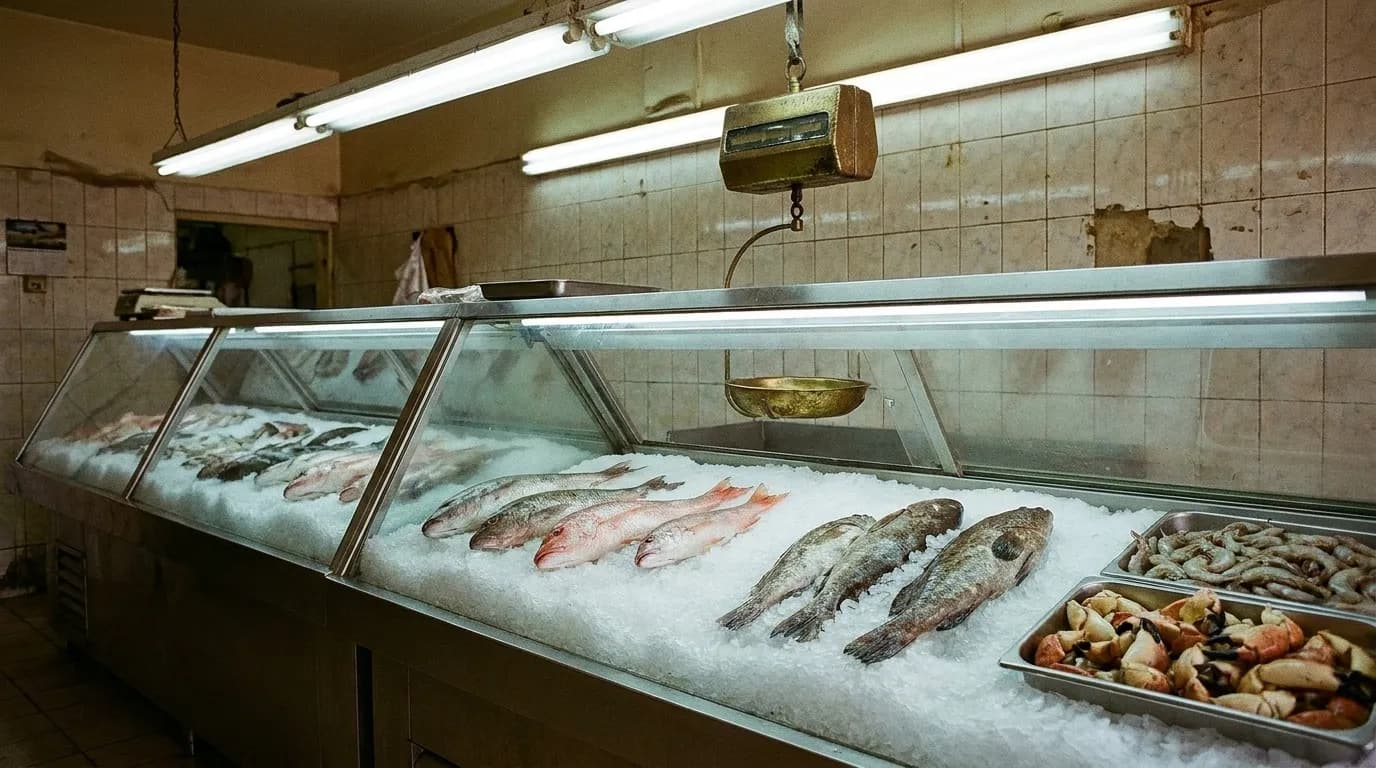
The eastern Mediterranean is present but thinner, and it is worth knowing where. Greek cooking in the Gables tends towards the coastal-taverna style — whole grilled fish, horta, plenty of lemon and oil — done at a price point that reflects the neighbourhood rather than the food. Levantine and Lebanese restaurants exist here in small numbers and are generally family-run, with proper mezze and bread baked on site; the larger and cheaper concentration of that cuisine is north of the city rather than here. There is also a growing Turkish presence. The gap in the Gables is North African: Moroccan and Tunisian cooking is barely represented, and if that is what you want you will need to look further afield.
How to Read a Menu Here
Some quick tests separate cooking from styling. Look for regional specificity: a menu that names a region — Galicia, the Peloponnese, the Bekaa — is being written by somebody who cares, while one that says Mediterranean-inspired is being written by a consultant. Look at whether the vegetable dishes are treated seriously, because in every genuine Mediterranean tradition they are the backbone rather than a garnish. Check whether bread arrives with something to put on it and whether that something is house-made. And look for at least one dish that requires patience — a slow-braised lamb, a properly made rice, a whole fish — since restaurants optimising for turnover quietly remove exactly those items.
Ordering Well Rather Than Expensively
The Gables can be an expensive neighbourhood and Mediterranean menus make it easy to overspend, mostly because sharing plates are priced individually and the total creeps. A few habits keep it sensible. Order fewer dishes than the server suggests; almost every recommendation assumes more plates than you need. Prioritise the things that take skill over the things that take ingredients — the rice, the grilled vegetables, the bread and dips — rather than the imported cured meats, which cost the most and demonstrate the least. Take the house wine seriously at the Spanish rooms, where it is frequently a decent regional bottle rather than an afterthought. And go at lunch if you can: several of the better kitchens here run a midday menu at close to half the evening price.
Where to Sit
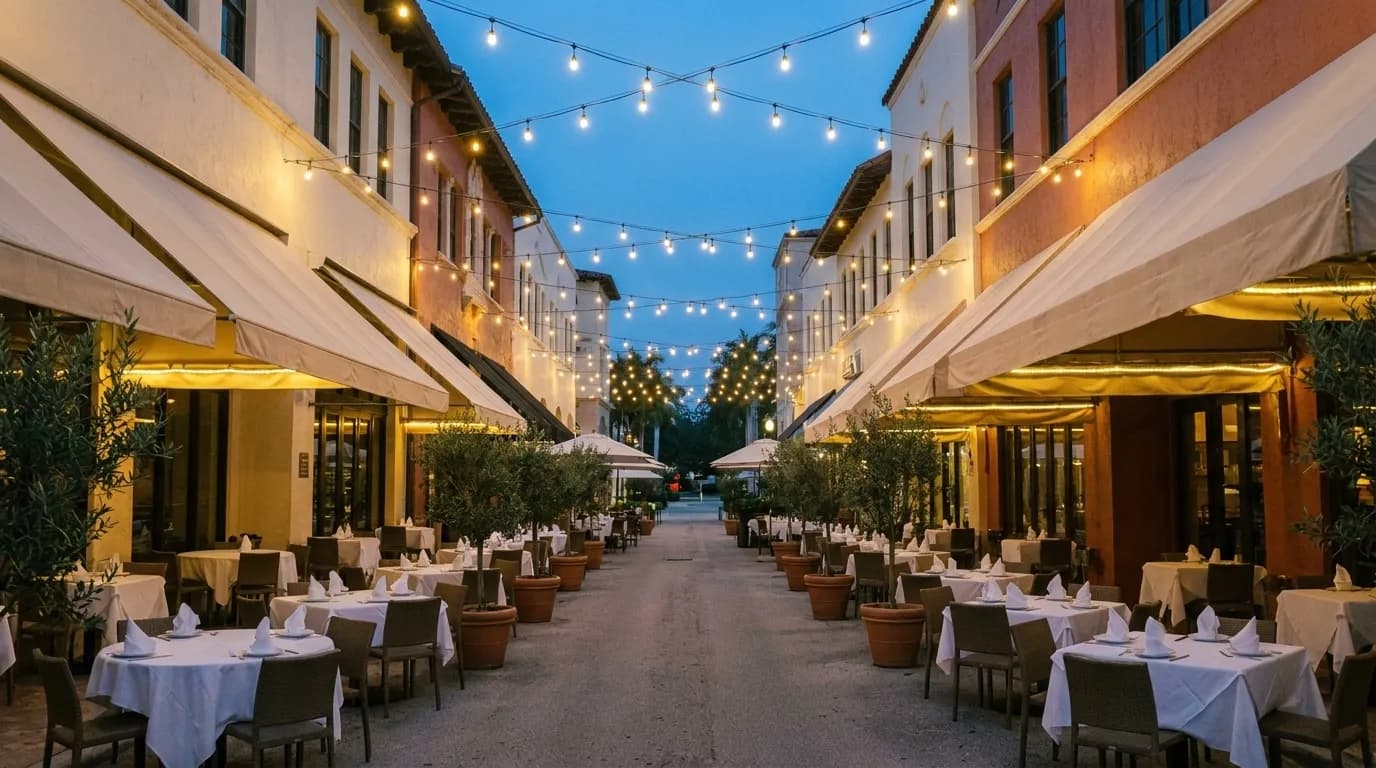
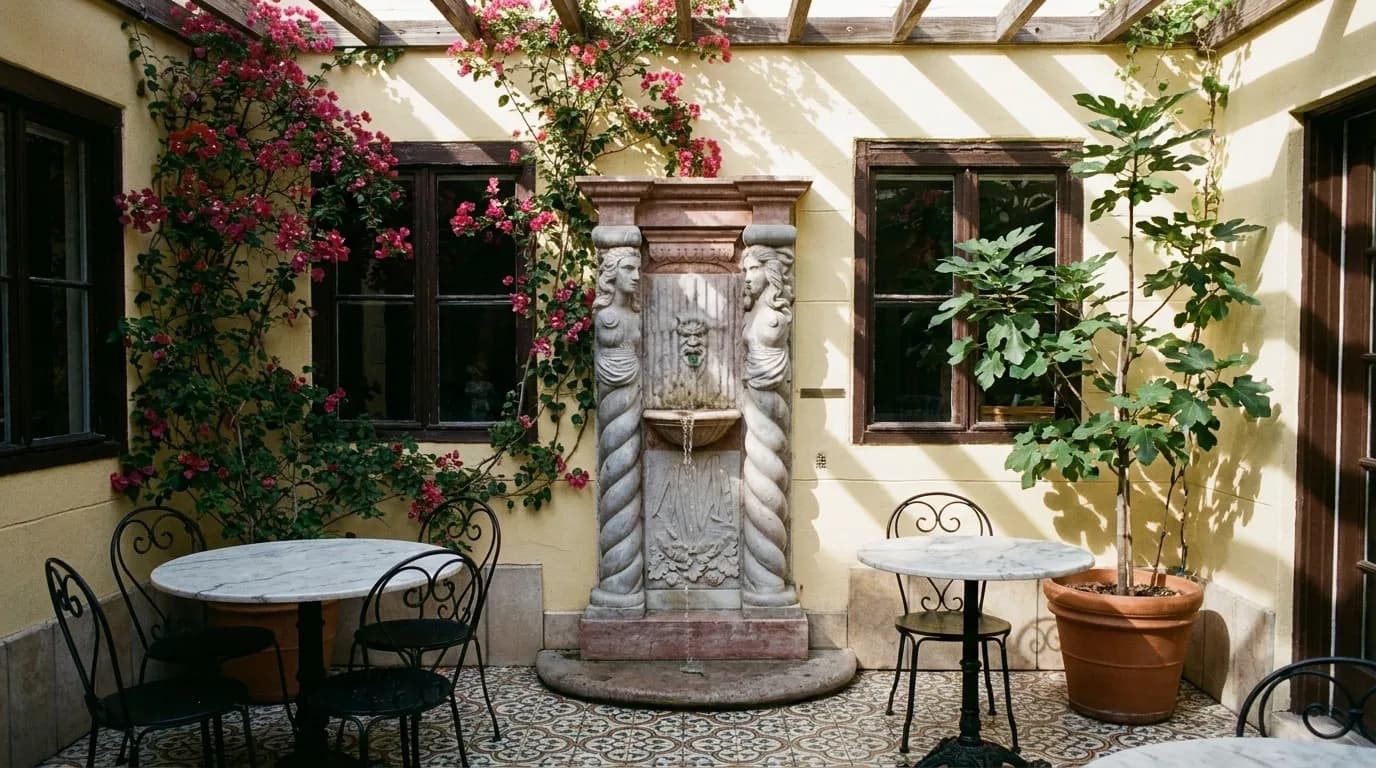
Setting is a real part of the value in this neighbourhood, and it is worth choosing deliberately. Giralda Avenue's pedestrianised block puts you outside among the awnings and string lights, which is excellent in winter and difficult in August. The courtyards tucked behind several of the older buildings are cooler, quieter and largely unknown to people who only ever walk the main streets — always ask whether there is outdoor seating at the back rather than assuming the front terrace is all there is. Inside, the traditional rooms on Miracle Mile are formal in a way that suits a long dinner. And for eating alone, the bar at a Spanish restaurant with a slicer and a few tapas is one of the more pleasant hours available in this city.
The Cuban Overlap Nobody Names
One thing that makes this neighbourhood's Mediterranean cooking distinctive is that it did not arrive here directly. A great deal of it came via Cuba, where Spanish immigration shaped the food for a century before those families arrived in South Florida. The consequence is that the line between a Spanish restaurant and a Cuban one in and around the Gables is genuinely blurred, and blurred in an interesting direction. You will find tortilla, croquetas, garbanzos with chorizo and arroz con pollo on menus that describe themselves as Mediterranean, and the versions are frequently better than what a newly imported concept would produce because somebody's grandmother is the reference point. This is not a compromise or a dilution. It is the actual local tradition, and it is the thing this neighbourhood does that no other Mediterranean dining scene in the country can.
The Seasonal Reality
Mediterranean food and South Florida weather have an awkward relationship for about five months of the year. The heavy braises and baked dishes that define the cuisine in winter are unappealing in August humidity, and the restaurants know it — menus here shift noticeably towards grilled fish, salads and cold mezze through the summer, and the courtyards that are the main attraction in January are unusable at eight in the evening in July. Plan around it rather than fighting it. Summer is for cold plates, seafood and an early sitting indoors; winter, when the Gables is at its best, is when the whole neighbourhood eats outside and the slow-cooked half of these menus becomes the point.
Tags: #CoralGables #Miami #MediterraneanFoodNearMe #SpanishFood #GreekFood #LebaneseFood #MiracleMile #GablesDining #Mezze #MiamiRestaurants #SouthFlorida #EatLocal #Tapas
Sources consulted: coralgables.com · miamiandbeaches.com · miami.eater.com · floridahealth.gov
Please drink responsibly. Must be of legal drinking age.
All trademarks are the property of their respective owners.
Ask Karpo first
Menus and seating in the Gables change with the season and the night. Ask Karpo in iMessage what you are in the mood for, and it will find the room that actually cooks it.