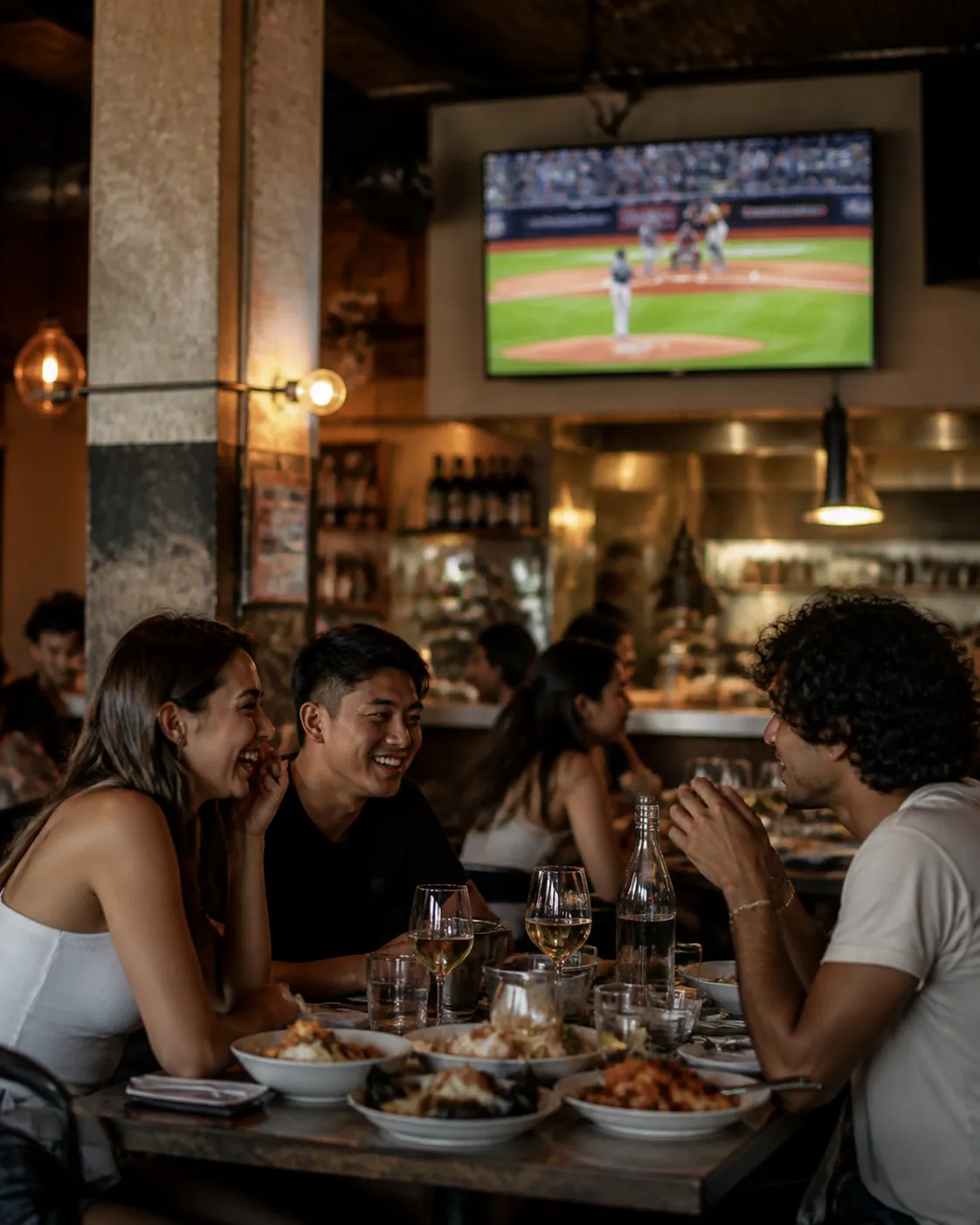
When marlins vs braves is the excuse for a night out in NYC, the real decision is not the scoreboard but the table. A seafood dinner can sharpen the date, keep the coastal mood, and still leave room for a timely arrival before the watch begins. The tradeoff is simple: the more ambitious the menu, the more you need to verify timing, reservations, and whether the venue actually has the broadcast you want. In a city where transit can be the difference between relaxed and rushed, the smartest plan is the one that treats dinner as part of the game-night clock. That makes the outing less about chasing a trend and more about choosing a restaurant that fits the pace of the evening.
Share budget, seafood must-have, starting neighborhood, and first-pitch timing with Karpo to coordinate a NYC Marlins vs Braves dinner-to-watch route.

Set the dinner before the innings
Seafood works best here when the goal is momentum, not a marathon. For a pre-game date, favor places that can move at a clear pace and dishes that do not punish a late train or a crowded check-in. Shareable starters, a single round of shellfish, or a grilled main can keep the night elegant without turning dinner into the main event. If the plan is to talk through the matchup, the menu should support conversation and a clean exit. That is why the safest choice is rarely the most elaborate tasting menu; it is the place that can deliver a focused meal with little friction and no guesswork.
That same logic helps you compare neighborhoods, even before you get specific names. A coastal-theme dinner feels stronger when the restaurant’s style matches the crowd: two people on a baseball date usually want something polished but not ceremonial, while a bigger group may prefer a menu that can absorb indecision. Price matters less as a number than as a signal of how much time the room expects you to spend. The more a place asks you to linger, the more you should make sure the rest of the night can absorb that pace. If the schedule is tight, choose the simpler version of seafood and leave room for the game itself to be the payoff.
Choose seafood that fits the clock
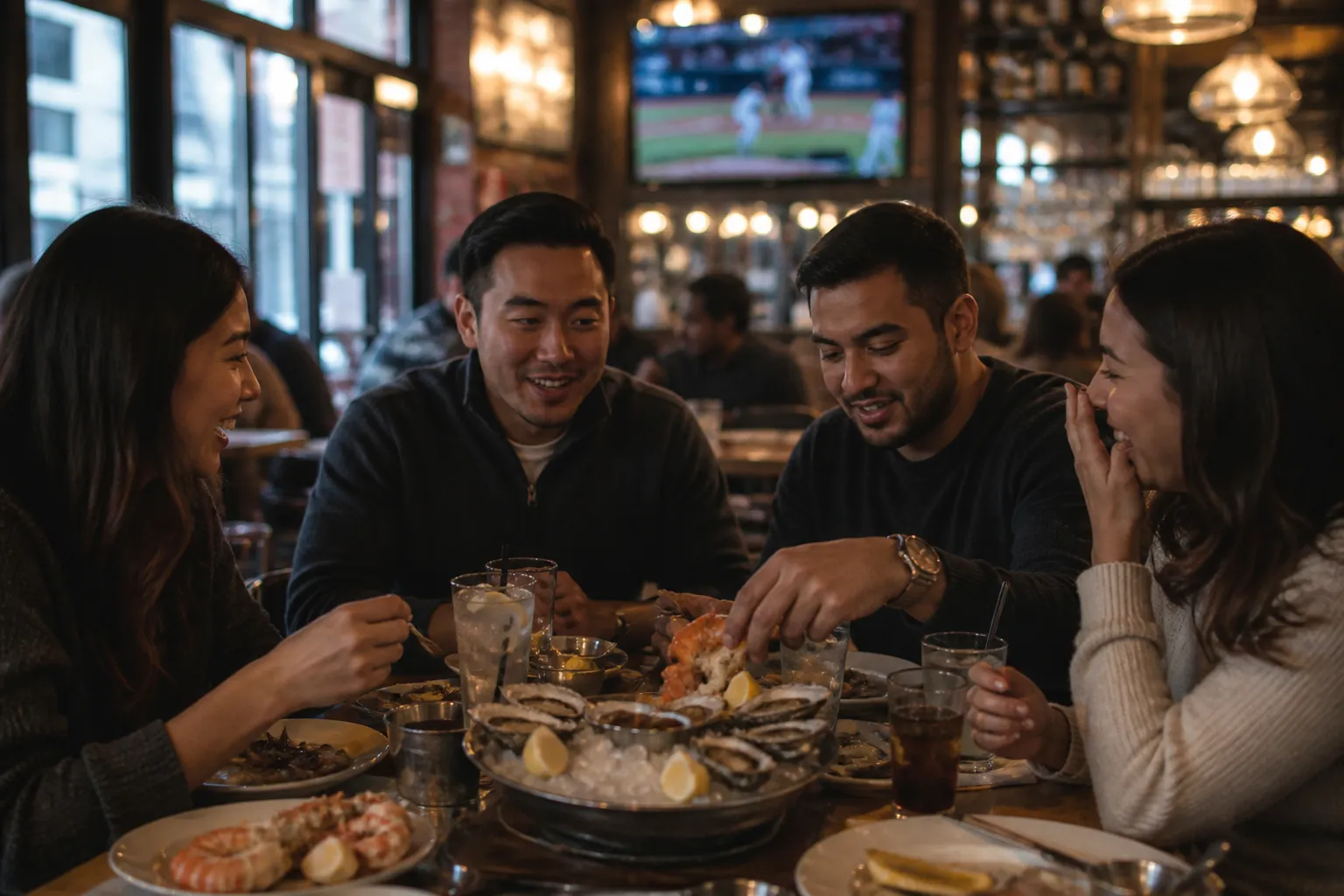
Not every seafood order is equally friendly to a watch-night plan. Fried baskets, crudo, oysters, clam-centric plates, and simple fish preparations each create a different kind of rhythm at the table. The best option is the one that keeps the food interesting without forcing a long reset between courses or leaving you distracted by shells, drips, or a pile of plates. If the venue has a raw bar, that can work well for a quick start, but only if the service pace and seating make the room feel unhurried. A good pre-game choice should taste coastal and still let you stand up on time cleanly, with the conversation still intact for the next stop.
That is where the price-versus-fun tradeoff becomes real. More elaborate seafood can deliver a bigger date-night feel, but it also increases the odds that you will overrun the window before the first pitch or spend the whole meal negotiating the bill and pacing. Simpler dishes often buy you more flexibility, which can be worth more than a dramatic plate when the night has a second act. The right question is not whether the restaurant is fancy enough. It is whether the meal will still feel good if you need to leave earlier than planned, or if you arrive slightly hungry because transit moved faster than expected.
Let transit set the buffer
In NYC, the dinner plan should be built around the commute, not the other way around. The MTA site gives you schedules, maps, fares and tolls, planned service changes, nearby stations and stops, real-time alerts, elevator and escalator status, accessibility information, and guides for getting to stadiums and arenas. That makes it the first place to check before you lock in a reservation. If you know the route, you can choose a restaurant that leaves a realistic buffer for delays, a longer walk, or a platform change. That is especially useful when the night depends on both dinner and a screen-based watch party later tonight.
Verification matters more than habit. Check the trip planner close enough to departure time that any service change is fresh, then build your reservation window around the latest routing rather than the best-case one. If accessibility matters, the same page can keep you from choosing a route that creates unnecessary stairs or transfers. For a date, that kind of pre-check is not overcautious; it is what prevents the dinner from feeling rushed before it has started. The best baseball-night dinner is the one that survives a small transit surprise without making the rest of the evening feel improvised.

Verify the room before you sit
The restaurant itself needs one more check before you commit. NYC Health’s ABCEats-Restaurants search gives you a city directory to cross-check a restaurant listing, but the dining experience still needs a live confirmation from the venue. Ask whether the menu you want is actually running that night, whether a reservation window exists for the hour you need, and whether the room can handle a watch-night crowd without turning loud or cramped. If the match is the excuse, the restaurant should be prepared for the role. Otherwise the seafood is just dinner, and not necessarily the best one for the evening.
marlins vs braves works as a useful reminder that a dinner reservation and a broadcast are two separate checks. The restaurant may have the seafood you want, but you still need to confirm that the game will actually be on the screens, that the table timing fits the first inning, and that the room is not too cramped for a conversation-heavy date. A quick call beats assumptions. If the answer is unclear, treat that as a signal to choose a place with simpler pacing or a later dessert stop, not to gamble on a room that may not support the whole plan.
Pick the plan that matches the people
This kind of night fits best when both people want a date with a clear theme and a low-friction finish. It is strong for a baseball couple, for friends who like to turn the matchup into a ritual, or for anyone who wants the first act to feel coastal and the second act to feel social. It is weaker if one person wants a long, luxurious dinner and the other wants to rush to the screen. The point is not to force a shared taste; it is to find the version of seafood that keeps everyone comfortable enough to enjoy the game afterward. A good plan feels chosen, not negotiated.
The best version also leaves room for a fallback. If the restaurant fills too quickly, or if transit makes the original timing awkward, the win is not lost. Move to a simpler seafood spot, shorten the order, or switch from dinner-first to drink-and-small-plate mode. Because NYC has a dense grid of transit options and a city services search for restaurants, you can often salvage the evening without changing the idea behind it. That is the real value of a pre-game planner: it turns a specific matchup into a flexible night out that still feels intentional when the details shift.
Tags: #NYCrestaurants #seafooddinner #baseballdate #pregamedining #transitplanning
Sources consulted: Source 1: nycgovparks.org · Source 2: new.mta.info · Source 3: nypl.org · Source 4: a816-health.nyc.gov
All trademarks are the property of their respective owners.
Ask Karpo first
Ask Karpo to turn this NYC idea into a current plan for your date, budget, companion, transit preference, and energy level. Karpo can narrow the route and flag what to verify before you go.


