You Already Know This Corner From Your Couch
You've walked past the *Law & Order: SVU* precinct a hundred times without realizing it. The exterior shots—the ones where Mariska Hargitay strides up those steps in her blazer—live on a quiet stretch near Lincoln Center, and the whole Upper West Side hums with that specific energy of a place that's been background to so much television you've absorbed it by osmosis. This walk threads through that layered geography: the plazas where light hits different in late afternoon, the cafes that stay open past the point when tourists have surrendered to jetlag, the sidewalks that double as your living room if you know how to use them.
The Precinct That Isn't
The building itself sits tucked on a side street west of Columbus, all municipal brick and those iconic front steps. You can't go inside—it's not actually a police station, just a façade the crew returns to season after season—but standing there you'll notice how many people pause for the same reason you did. A couple in their sixties takes a photo. A jogger slows, smirks, keeps moving. The light in this part of the neighborhood has a particular quality around four in the afternoon, something about the way the buildings frame the sky into neat rectangles of pale blue. If you time it right in autumn, the ginkgo trees two blocks over turn that butter yellow that photographs like a lie but isn't.
Plaza Choreography After the Matinee
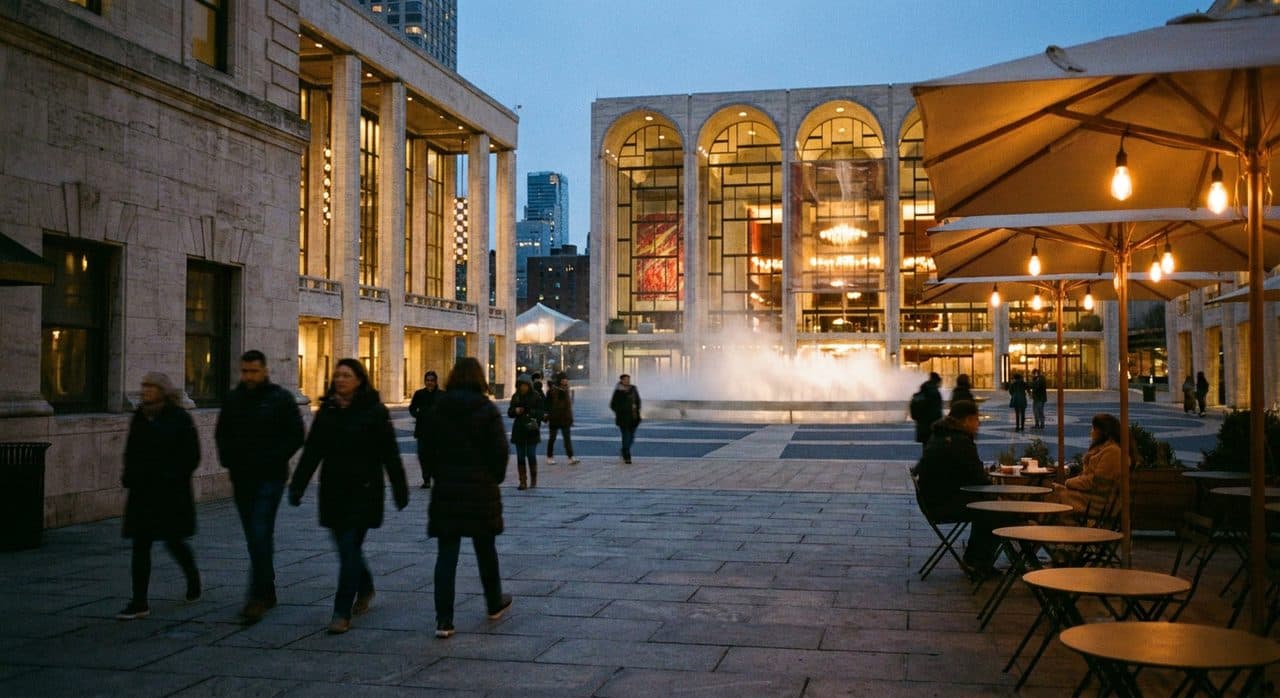
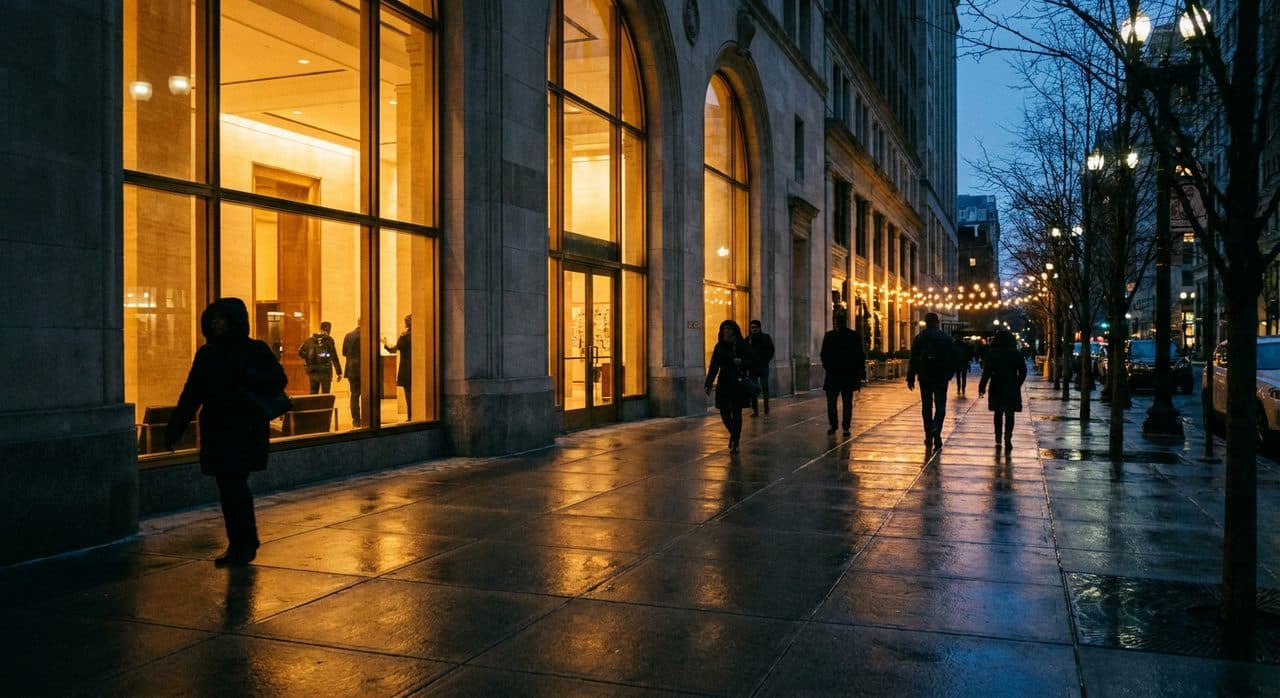
Lincoln Center empties in waves. The matinee crowd—mostly older, some using canes, many in scarves that cost more than your rent—spills onto the plaza around five, and for twenty minutes the fountain becomes the slowest, most elegant traffic circle in Manhattan. You learn to read the flow: who's heading to the garage, who's lingering for the golden hour light on Revson Fountain, who's cutting through toward Amsterdam because they know the side exit near the Vivian Beaumont. Sit on the travertine edge near the north side and you'll catch the sound of the water mixing with fragments of post-show conversation, people still humming phrases from whatever they just heard. The plaza smells faintly of hot pretzels from the cart on Broadway, but also of expensive perfume and that specific scent of theater lobbies—old carpet, printed programs, anticipation.
The Cafe That Holds Your Table Past Reasonable
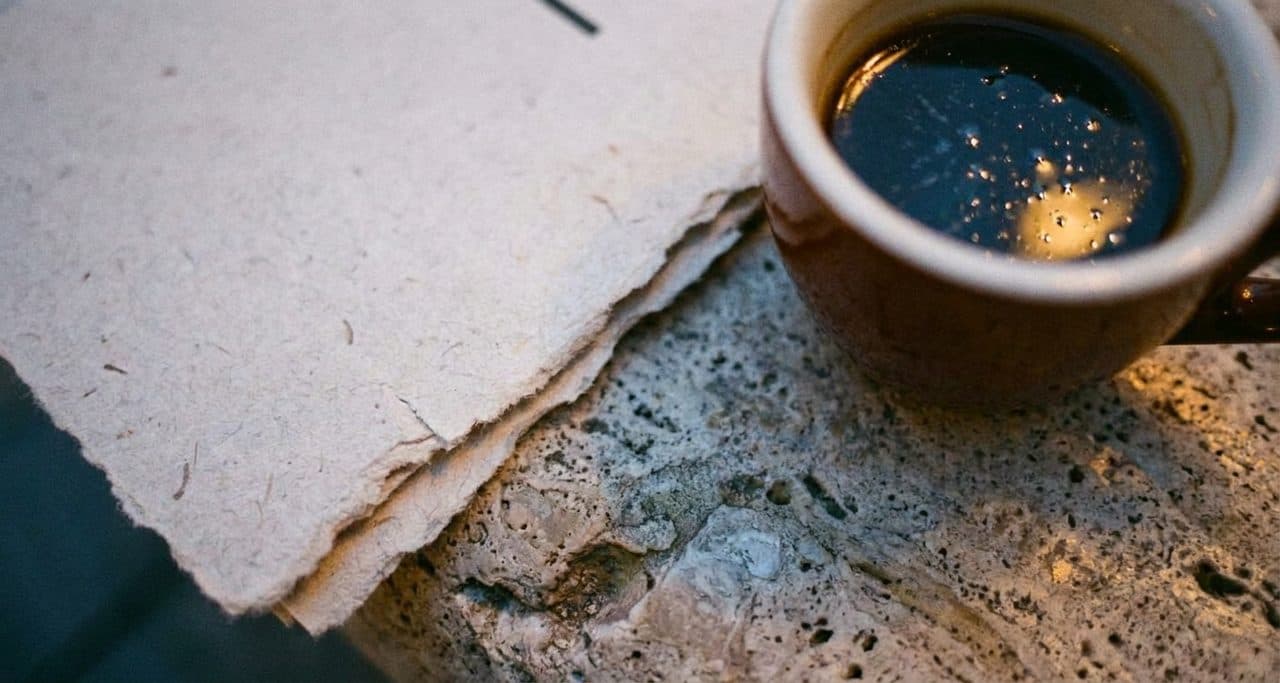
There's a Hungarian spot on Amsterdam that doesn't rush you. Not the one everyone writes about—a different one, smaller, where the owner's nephew works the counter most evenings and the pastry case holds exactly four things, all of them correct. You can sit with a coffee and a slice of dobos torte until the light outside goes from blue to purple to full dark, and no one will hover. The regulars include a woman who brings her own teabag, a Columbia professor who grades papers in the back booth every Tuesday, and a rotating cast of people who've clearly just come from therapy appointments and need to stare at a wall for thirty minutes. The coffee's strong enough to taste like a decision. The corner table near the window has an outlet and a view of the crosswalk where, if you're patient, you'll see the same dog-walker pass three times in two hours with different dogs.
TV Geography and Real Sidewalks
This neighborhood layers its identities like sediment. You're walking through the *Seinfeld* diner's spiritual homeland, past buildings that stood in for *You've Got Mail* exteriors, along blocks that appear in *Only Murders in the Building* if you squint. But the actual texture underfoot—the specific pitch of the sidewalk near 72nd Street where everyone walks slightly uphill without noticing, the corner where the halal cart guy knows to set up at eleven because the private school lunch break hits at eleven-fifteen—that's the geography you can't get from a screen. There's a newsstand near the subway entrance that still sells actual newspapers, the kind you hold with both hands. The guy running it has perfected the art of the non-greeting greeting, a nod that means he's seen you before and that's enough.
The Wine Bar With the Wrong Hours
One block off Columbus there's a wine bar that opens later than it should and stays open past the point when you thought you'd be home. The space is narrow, brick-walled, lit like someone's smarter living room. You end up here after the thing you planned—the movie, the reading, the friend's birthday drink—has ended, and you're not quite ready to descend into the subway. The bartender doesn't do cocktails but will build you something with vermouth and bitters if you ask nicely. The crowd skews late-thirties and up, people who've learned that the best part of the night starts after ten. Conversations happen at a volume that lets you eavesdrop without effort: book editors, session musicians, someone's ex-husband's new girlfriend who's apparently very nice about the whole thing. The bathroom has good lighting, which matters more than you'd think.
The Long Diagonal Home
The walk back—whichever direction you're actually headed—works best as a diagonal. Cut through the side streets instead of staying on the avenues. You'll pass ground-floor windows where people haven't closed their curtains yet, little tableaux of domestic life: someone doing dishes, a kid practicing violin badly, a couple arguing in what looks like total silence from outside. The trees here are old enough to have root systems that buckle the sidewalk into gentle waves. You learn which blocks have motion-sensor lights that click on as you pass, which stoops collect smokers from the buildings' upper floors, which corner always smells like garlic because someone's cooking with their window open. By the time you hit your actual route home—subway, bus, whatever—you've added twenty minutes and several mental footnotes to your internal map of a neighborhood that's been playing itself on television for decades but only reveals its actual self to people willing to take the long way.
Practical Notes
Most of these spots live in the blocks between 62nd and 72nd, west of Columbus. The Lincoln Center plaza is accessible anytime, but the post-matinee hour—roughly five to six-thirty—offers the best people-watching. The Hungarian cafe keeps cafe hours, opening mid-morning and closing when they feel like it, usually around eight or nine. The wine bar runs late-night schedules, so don't show up before seven unless you enjoy locked doors. Subway access via the 1/2/3 at 72nd or the B/C at 72nd puts you in the heart of it. No reservations needed for sidewalk walking, but the wine bar takes your name if it's crowded. Bring cash for the newsstand and the pretzel cart. Comfortable shoes matter more than you think.
Tags: #TheLongWayHome #UpperWestSide #LincolnCenter #NYCWalking #TVLocations #LawAndOrderSVU #ManhattanSidewalks #CafeLife #WineBarNights #NeighborhoodWalks #NewYorkAfterDark #UWSLife #CulturalGeography #SlowTravel #CityLayers
Sources consulted: timeout.com · atlasobscura.com · nycgo.com
All trademarks are the property of their respective owners.