Tompkinsville Park can work as a one-hour Staten Island Ferry add-on only if you treat it as an observation stop, not a scheduled event. The draw is simple: step off near St. George, walk toward Bay Street and Victory Boulevard, and see whether a neighborhood cricket scene is actually visible and comfortable to watch. As of July 23, 2026, official ferry pages confirm free, daily service and a roughly 25-minute crossing, while NYC311 lists standard park hours as 6 AM to 1 AM unless posted otherwise. What is not guaranteed is the game itself, so the plan succeeds when you build in timing, manners, and a clean exit.
Want a ferry-timed public-park plan that depends on what is actually happening when you arrive? Text Karpo before boarding and ask for a Tompkinsville cricket-watch check.
Use Tompkinsville Park As A One-Hour Ferry Detour, Not The Whole Trip
The best version starts with a realistic clock. From Manhattan, the Staten Island Ferry ride is about 25 minutes each way, and Tompkinsville Park sits close enough to St. George for a short walk or quick transit hop. That leaves only a thin watching window if you truly have one free hour. Plan this as a Staten Island pause between ferry legs, not as a full sports outing with guaranteed play, seating, or concessions waiting.
The payoff is the public texture of the stop: commuters, local streets, waterfront edges nearby, and a chance to notice cricket without committing to a league match. The tradeoff is uncertainty. If no one is playing, the park is still a brief neighborhood look, but it should not replace dinner plans or a timed museum ticket. A coworker or visiting cousin will enjoy it most if they are curious and unbothered by improvising.
Check The Staten Island Ferry Clock Before Walking To Tompkinsville Park
For an early evening attempt, ferry timing is the first control point. NYC DOT’s schedule page says the service is free, runs every day, and that schedules can change without notice. It also shows denser weekday evening departures than the basic half-hour pattern in some windows. Before leaving Whitehall or St. George, check the current posted schedule and service updates, because a missed boat can turn a light stop into a dragged-out wait.
A practical rhythm is to choose your return departure before you start walking. If you land at St. George with forty usable minutes, give yourself fifteen to twenty minutes near the park and start back early. If the terminal is crowded, weather is turning, or the next boat is the last convenient one before dinner, skip the cricket watch. The ferry is the anchor; the park is the flexible middle, not the fixed appointment.

Read Tompkinsville Park From The Edge Before Settling In
Do not walk straight into the middle of a game or practice. Arrive at the park edge, pause, and read the layout: where the ball is traveling, where players are standing, whether bags and informal boundaries mark a playing area, and whether any posted signs limit access. Public parks can host organized, permitted, or informal activity. Your role is to stay outside the action and avoid forcing players to manage your curiosity while they are using the space.
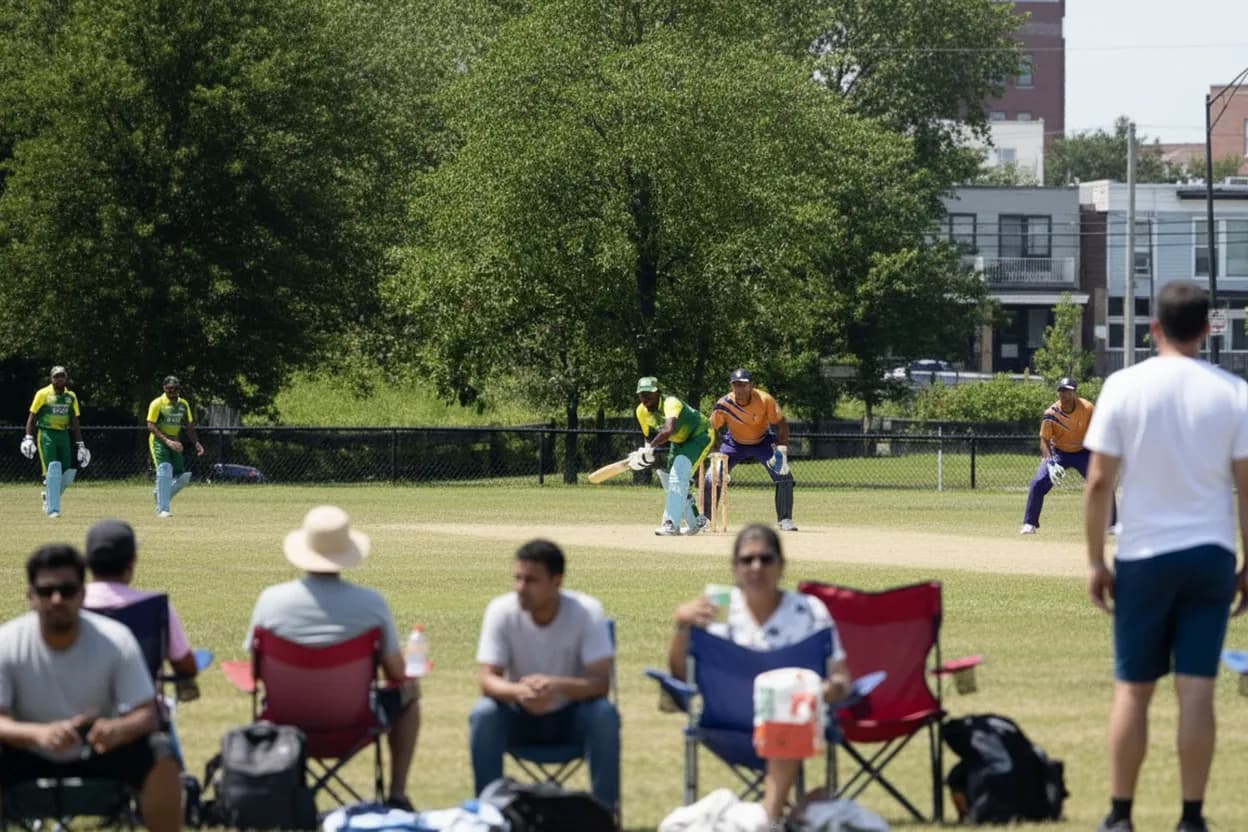
If the field looks active, watch from a path or open edge where you are not behind a batter, near a wicket, or in a likely catching line. If people are warming up, give them more room than you think necessary. Cricket balls can be hard and fast, and the safest spectator spot may not be the most photogenic one. If you cannot find a clearly passive watching position, keep moving and treat the stop as a neighborhood walk.
Make The Cricket Moment Worthwhile Without Interrupting Players
A short watch works when you focus on rhythm rather than rules mastery. Notice the run-up, the field placements, the calls between batters, and the small pauses after each delivery. You do not need to understand every scoring possibility to enjoy the scene. The value is seeing a public New York park used by people who already belong to it, which means the visitor’s job is to observe quietly and take up little space.
Avoid filming faces, gear bags, children, or disputes. If you want a photo, keep it wide, incidental, and respectful, or ask before making anyone identifiable. Do not ask players to explain the game mid-over, retrieve a ball unless invited, or stand where you can become part of play. The etiquette is simple: if your presence changes how the game feels for the people playing, you have moved too close.

Account For Bay Street Traffic, Sidewalks, And The Short Walk Back
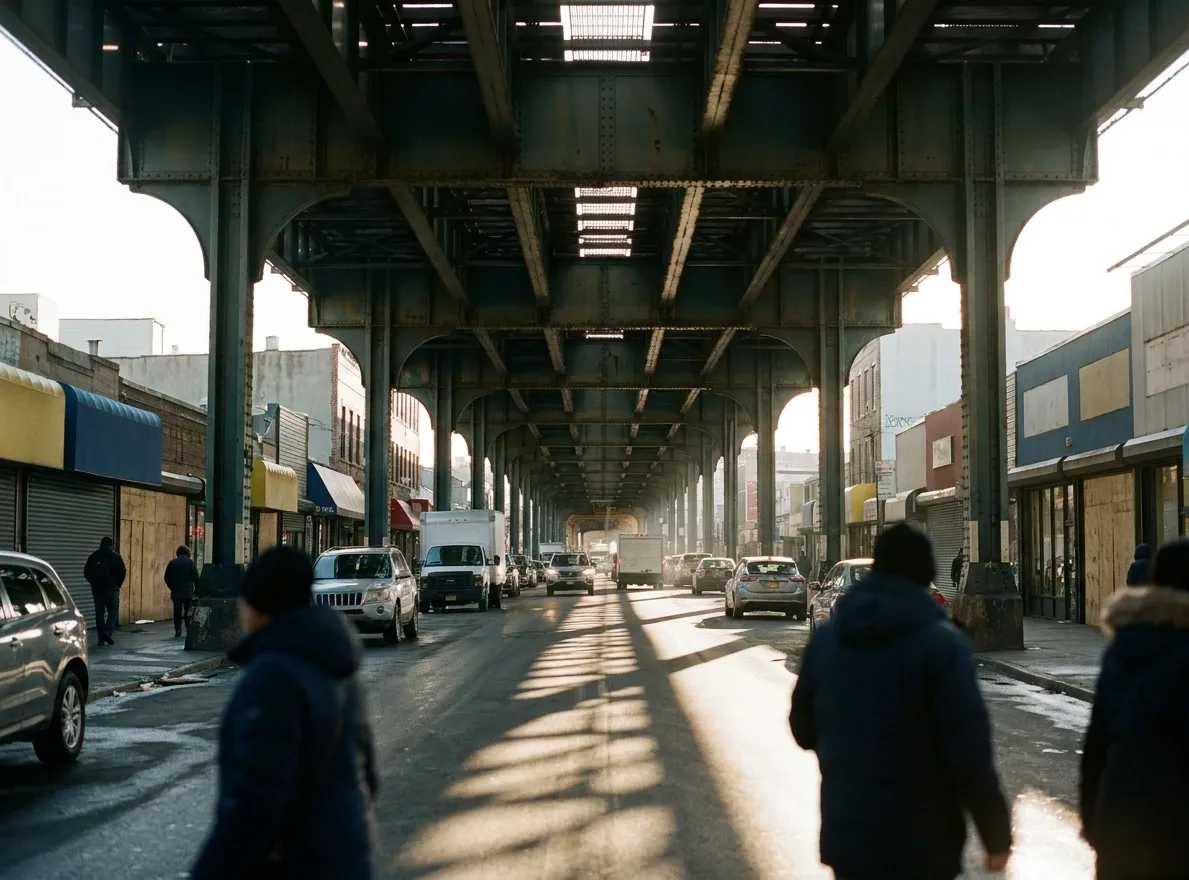
The Bay Street and Victory Boulevard area is not a sealed park promenade. NYC DOT has documented pedestrian safety work around that intersection, including added pedestrian space and movement clarification for vehicles, but you should still expect city traffic, crossings, and uneven attention from drivers. Build the walk back to St. George with street crossings in mind, especially if you are with someone who walks slowly, uses a mobility device, or dislikes rushed decisions.
Accessibility is partly about the route, not only the destination. The Staten Island Ferry page includes ADA-related accommodation contact information, and NYC311 points users to Parks accessibility resources, but you still need to judge the specific path and curb conditions on arrival. If the group includes a stroller, cane, or wheelchair, do a quick surface scan first. The plan is easy only when the return route feels obvious in both daylight and early evening.
Know When Tompkinsville Park Should Become A Backup Walk
The main failure mode is arriving to no cricket, a closed-off area, poor weather, or a vibe that does not suit lingering. That is not a failed trip if you switch quickly. Use the park as a short orientation point, then continue along nearby public sidewalks, look for open businesses on Bay Street, or head back toward the ferry terminal. Do not wait around trying to manufacture the scene the article promised; this plan depends on live conditions.
Weather matters more here than it would inside a ticketed venue. A mild evening after work is ideal because you can stand comfortably without needing shade, heat relief, or shelter. Rain, strong wind, or a crowded edge changes the calculus. If your companion is hungry, tired, or expecting a structured attraction, cut the watch short. The best backup logic is honest: one glance, one short pause, then move toward dinner or the boat.
Verify Tompkinsville Park Conditions On July 23 Before You Commit
Before leaving, do three checks in this order: ferry status, park rules, and current local activity. Confirm Staten Island Ferry departures on NYC DOT or NYC311, because official pages warn schedules may change. Confirm park access against posted signs, since NYC311’s general 6 AM to 1 AM park-hours rule can be overridden locally. Then search same-day local posts or ask someone nearby only if it is natural and nonintrusive. Unconfirmed cricket means optional stop, not appointment.
The go decision is narrow. Go if the ferry timing leaves a clean return, the weather is comfortable, the park edge is open, and active play is visible without you entering the game space. Skip if any of those pieces are missing. For ferry riders with one free hour, Tompkinsville Park is worthwhile precisely because it asks for little: a brief, respectful look at a public sports scene, followed by a timely walk back.
Tags: #TompkinsvillePark #StatenIsland #StatenIslandFerry #NYCParks #CricketNYC #NorthShoreSI #FerryRiders #NeighborhoodGuides #PublicParks #BayStreet #StGeorge #AskKarpo #BeforeYouGo #NYCItinerary
Sources consulted: Source 1: nyc.gov · Source 2: nyc.gov · Source 3: portal.311.nyc.gov · Source 4: explorenycparks.com · Source 5: nyc.gov · Source 6: siurbancenter.org
All trademarks are the property of their respective owners.
Ask Karpo first
Tell Karpo your date, group size, budget, and starting neighborhood. We’ll check current access, timing, transit, and the cleanest plan for Tompkinsville Park before you head out.