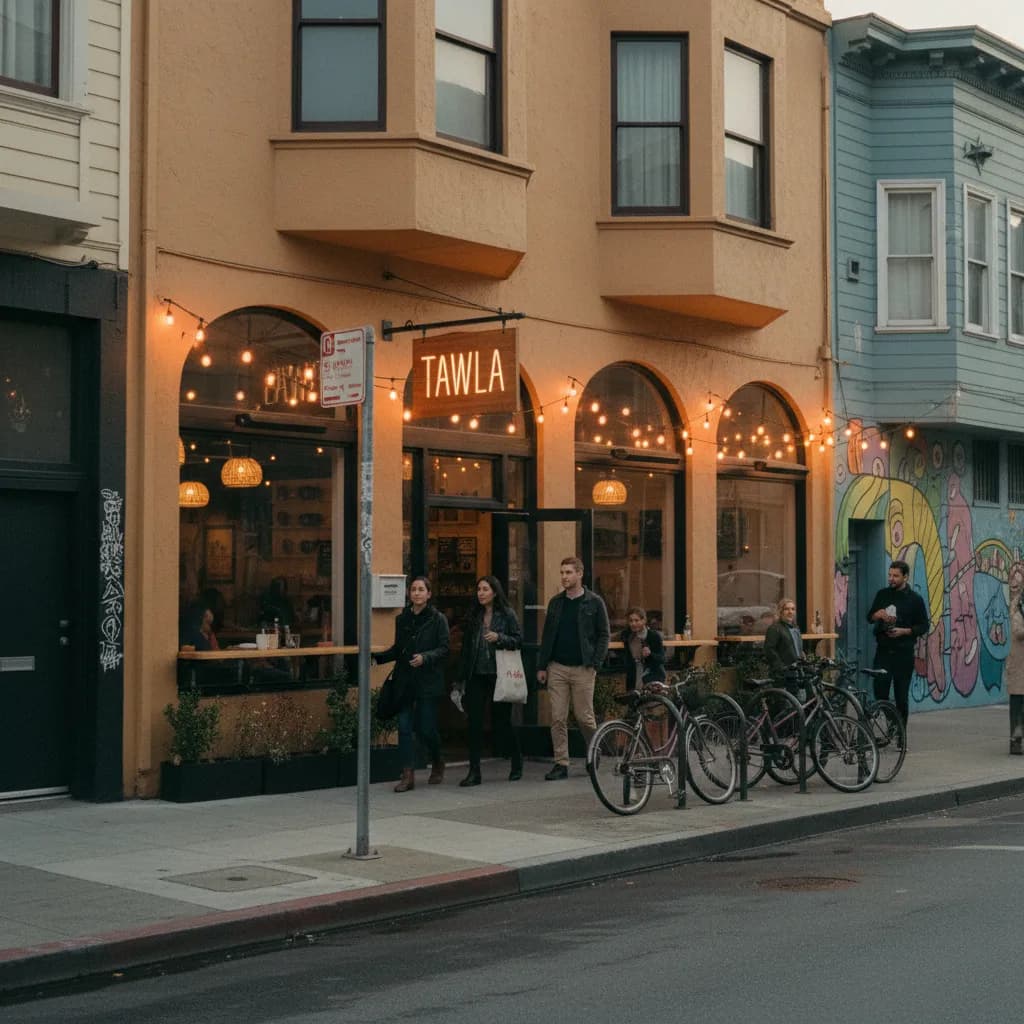
 Mission's Best Mediterranean Food: Tawla's Mezze and Wood Oven Magic
Neighborhood Guides
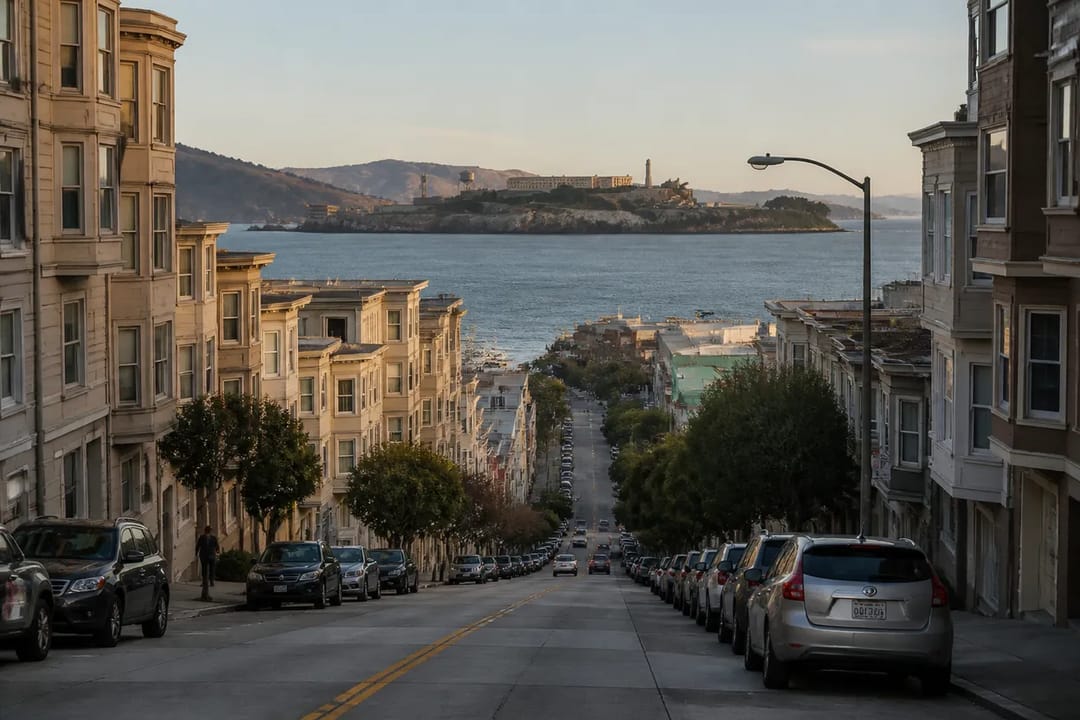
méxico sub-20 - panamá sub-20: A Transit-Smart San Francisco Area Guide
Use a soccer headline as a cautious planning prompt for San Francisco neighborhoods, Muni checks, access points, and backup decisions.
A search spike around “méxico sub-20 - panamá sub-20” can make San Francisco feel as if something specific is happening nearby, but attention is not evidence. Treat the phrase as a planning hook, not a promise of a local match, watch party, team visit, broadcast, or official gathering. The official extracts here do not confirm any San Francisco event connected to that phrase. The practical move is to turn the headline into a local planning question: where would you go if you wanted a transit-reachable outing with enough flexibility to adjust? Start with neighborhoods and transportation, not hype. Pick an area that lets you arrive by Muni, walk between options, check SFMTA conditions, and leave without depending on one venue, one screen, or one assumption.
Want a tighter plan before you cross town? Text Karpo to check Muni routes, nearby public-space options, access logic, and backup choices for this exact San Francisco outing.
Translate the headline into a neighborhood question
The phrase “méxico sub-20 - panamá sub-20” may be timely, but it does not tell you where to go in San Francisco. It does not confirm a local appearance, a licensed viewing event, a venue partnership, a public screening, a broadcast option, or a city-supported gathering. What it can do is help you frame a practical errand: choose a neighborhood where you can meet, eat, walk, wait, or pivot without forcing the whole day to depend on an unverified claim.
For San Francisco, ask a grounded question first: do you want the easiest Muni access, the simplest walkable sequence, the most flexible indoor backup, or the clearest exit after plans change? The SFMTA extract supports using its Trip Planner with a starting location and ending location, and it shows travel choices for Muni, bike, walk, and drive. It also points users to Muni routes and stops, visitor guidance, neighborhood transportation information, accessibility, fares, citations, and travel maps. Use those official planning categories as the starting point, not a social post.
Choose the area by the actual task
If the task is meeting people with different arrival points, choose a neighborhood with a clear transit anchor and several nearby fallback options that you can verify directly. If the task is a quiet afternoon before checking a venue, choose a route that lets you walk, pause, and change direction. If the task is simply to be near a place that might show a game, separate that hope from the plan itself. Your real plan should still work if the venue is full, closed, private, not showing anything, or operating under different rules that day.
A transit-smart San Francisco route works best as a sequence, not a single destination. Pick an entry point, a first stop, a nearby place to regroup, and an indoor alternative. Then decide what would make you leave: a Muni delay, crowding, weather, a private event, a changed entry policy, or the discovery that the online headline has no local footprint. That sounds cautious because it is. In this city, a good outing often comes from a plan that can bend quickly.
The official extracts do not provide venue hours, food prices, reservation rules, park conditions, broadcast availability, or soccer-affiliated programming. Keep those facts out of the plan until you have confirmed them with the relevant destination. The supported local facts are the planning tools and update categories: SFMTA lists a Trip Planner, Muni Routes & Stops, For Visitors, Neighborhoods, Travel Maps & Guides, Accessibility, Fares, Drive & Park, and current alerts or travel updates.
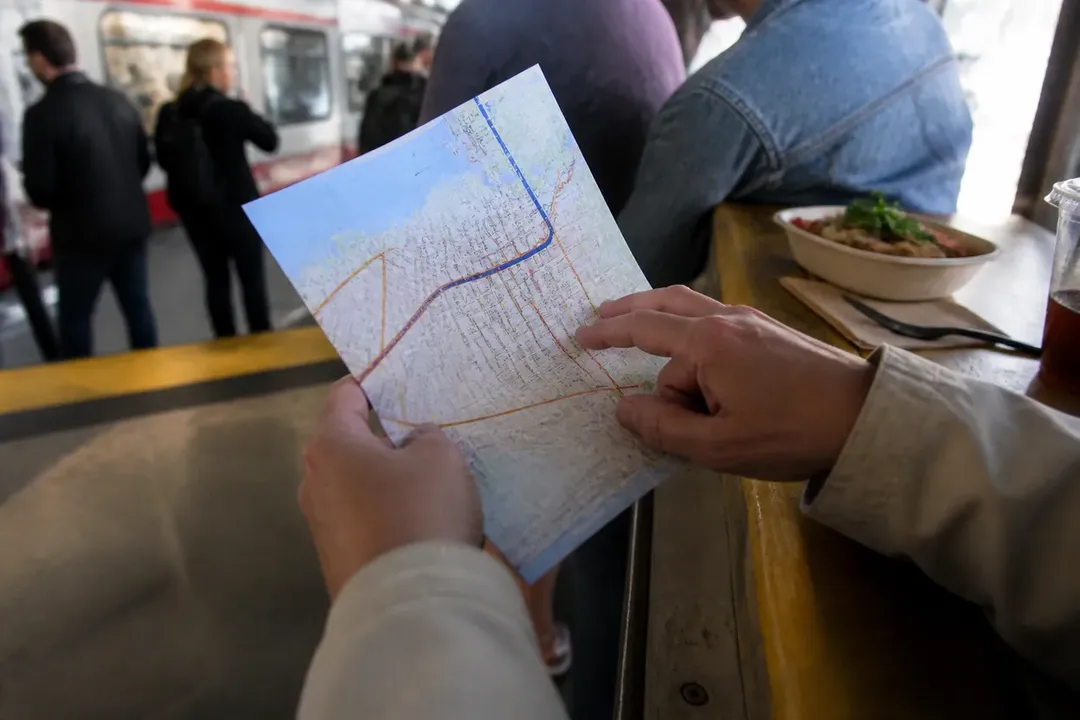
Use transit exits as planning anchors
SFMTA is the city transportation source to check before you move. Its homepage highlights a Trip Planner and route-and-stop information, and it separates visitor guidance from neighborhood transportation information. That matters because your first decision is not only where to go; it is where to exit. A Muni stop, train platform, streetcar stop, bus corridor, or cable car route can be a better anchor than a venue name when details are still uncertain.
Build the route backward from your exit. Enter your starting point and ending point in the Trip Planner, then compare Muni, walking, biking, and driving options instead of assuming the fastest-looking map is the best choice for the group. If you need accessibility information, check that before committing to a transfer-heavy route. If someone in the group is driving, use SFMTA’s drive-and-park and citations categories as reminders to verify parking rules and curb conditions rather than improvising at arrival.
Also check current updates close to departure. The SFMTA extract shows the agency posting alerts, meetings, travel and transit updates, and dated notices. It specifically lists a cleared delay near 19th & Holloway with inbound M Ocean View service resuming, Outside Lands Aug. 7-9, Hayes Valley Shared Spaces on Fridays and Saturdays in August 2026, Chinatown Construction from July 30-August 9, 2026, and Muni service changes starting Aug. 29. Those details prove the larger point: street and transit conditions change, and a neighborhood plan should respect that.
Add one indoor and one outdoor backup
Your backup pair should be decided before you leave. The indoor backup is for changed hours, crowds, unavailable screens, or a group that needs seating and restrooms. The outdoor or open-air backup is for waiting, regrouping, or resetting when the first plan is too loud, too full, or too uncertain. The official extracts do not provide venue availability, park hours, public-space rules, prices, or opening hours, so treat all of those as verification items.
The useful local habit is to make the backup geographically close to the transit anchor. Do not choose a first stop in one part of the city and a backup that requires a long cross-town ride unless that is the point of the day. For a headline-driven outing, keep the route compact. If “méxico sub-20 - panamá sub-20” turns out to be only an online topic for you and your friends, you still have a neighborhood walk, a place to regroup, and a way home.
When possible, check the destination directly before relying on it. Ask only factual questions: are you open today, is entry limited, is there a private event, do you have the thing we are coming for, and what should visitors know before arriving? Do not ask a staff member to validate a rumor. Ask for the conditions that decide your next move.
Avoid treating online attention as a local promise
The most common mistake is turning a popular phrase into a local guarantee. A trending sports matchup can create a sense that something must be happening in every major city. That is not what the official extracts establish. They do not confirm San Francisco broadcast access, venue programming, team appearances, federation activity, public screenings, or special transit arrangements for this phrase.
This is especially important for neighborhood guides because the wrong framing wastes people’s time. A responsible guide can say that the phrase is a timely reason to plan a soccer-adjacent outing or a meet-up. It should not imply that a team, federation, venue, broadcaster, tourism agency, or city agency has endorsed anything unless an official source says so. The difference is practical: readers make different decisions when they think an event is confirmed.
Use skepticism as a service, not a mood. You can still be enthusiastic about meeting friends, watching a match if a venue confirms it, or spending time in a lively neighborhood. Just keep the claim small enough to verify. The plan is San Francisco; the hook is the headline.
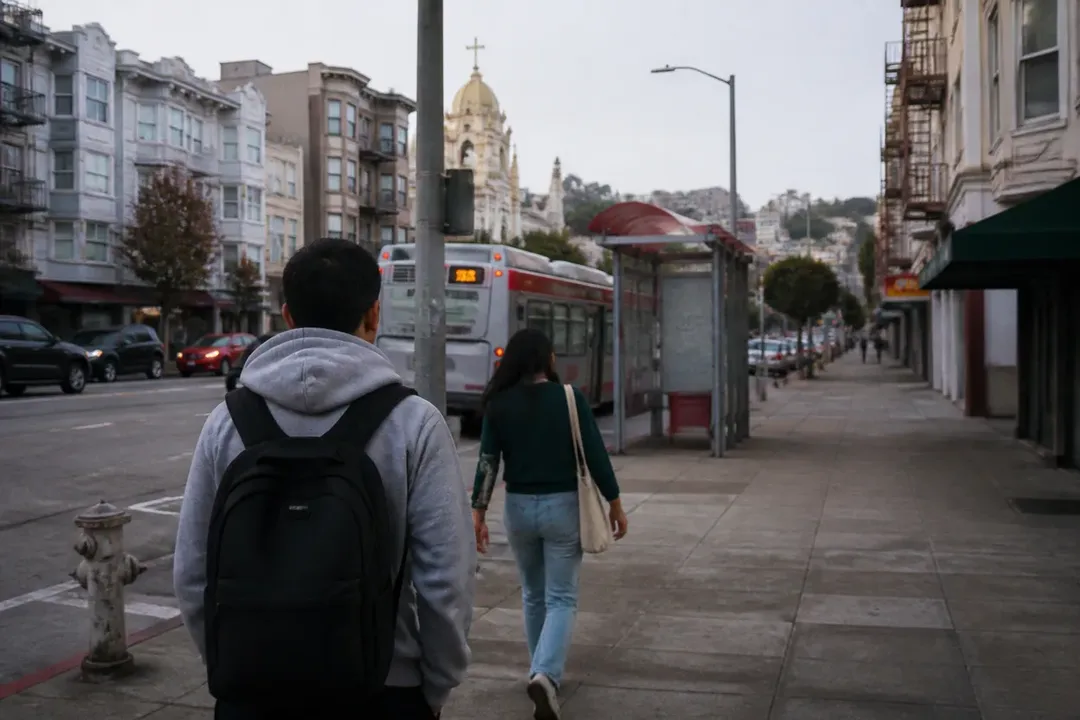
Verify conditions before crossing the city
Before leaving, run a short verification loop. Check SFMTA for your route, stops, alerts, and travel updates. Confirm whether your plan depends on Muni, walking, biking, driving, parking, or a mix. If your route crosses an area with active construction, event traffic, or shared-street programming, leave room for a slower arrival. If your timing is tight, pick the neighborhood with fewer moving parts rather than the one that looks best in theory.
Then verify the human side. Contact the venue or public-facing destination directly for hours, entry rules, capacity concerns, and whether your intended activity is actually available. If you are meeting a group, send them the transit anchor, the first stop, the indoor backup, the outdoor backup, and the point at which you will switch plans. That prevents five people making five different assumptions from five different corners of the city.
Finally, keep the exit plan as clear as the arrival plan. Know which Muni route or stop gets you home, and check again before you leave the neighborhood. SFMTA lists route-and-stop tools, visitor guidance, maps, fares, accessibility information, and service alerts for a reason. Use the city’s moving parts as part of the plan, not as an afterthought.
Tags: #SanFrancisco #NeighborhoodGuides #Muni #SFMTA #TransitPlanning #PublicSpaces #VenueCheck #CityGuide #SoccerPlanning #SFTravel #LocalGuide #AskKarpo #BeforeYouGo #Karpo
Sources consulted: sftravel.com · sfmta.com · sfrecpark.org
All trademarks are the property of their respective owners.
Ask Karpo first
Ask Karpo first when a headline like “méxico sub-20 - panamá sub-20” starts shaping your plans. Karpo can help pressure-test the route, identify what still needs official verification, compare nearby backups, and keep the San Francisco outing useful even if the online buzz never becomes a local event.
Ask Karpo for more information.
Keep reading
- Mission's Best Mediterranean Food: Tawla's Mezze and Wood Oven Magic
 Mourad SoMa: San Francisco's Premier Mediterranean Food Destination
 Alemany Farmers' Market Bernal Heights: Essential Food Places Near Me