 Scent Bar Perfumery on Beverly: Niche Scents Sorted by Note
Weekend Plans
How to Plan a Silo-Watching Weekend in Downtown LA Without Fighting Traffic
Build a Saturday around the show everyone's streaming, using Downtown's walkable blocks and late-hour Metro to skip the parking hunt.
It's Saturday afternoon and you've been watching Silo all week, two episodes a night, and now you're caught up and restless. The show has you thinking about enclosed systems, about what happens when you can't see the whole picture, and you want to keep that feeling going without sitting alone in your apartment for another four hours. Your friends are suggesting a drive to the Westside, but that means an hour each way and street parking in Santa Monica at seven PM, which is its own kind of claustrophobic nightmare.
Karpo can check which cafés near Grand Park have tables free right now, route you to a quiet bar that stays open past eleven, and hold a backup plan if the screening you wanted fills up.
When You Want to Stay In but Everyone Else Is Going Out
Downtown LA solves this in a way that most of the city doesn't: you can park once, or take the B Line and never drive at all, and move through five or six different environments on foot. The blocks between Grand Park and the Arts District hold enough texture—concrete, tile, old neon, new glass—that you can build a route with the same layered, slightly uneasy atmosphere the show trades in. You're not looking for a themed bar or a pop-up; you're looking for a Saturday that feels like it has a structure, a beginning and an end, and a reason to be outside while your mind is still turning over what you just watched.
Start at Grand Park and Let the Light Shift
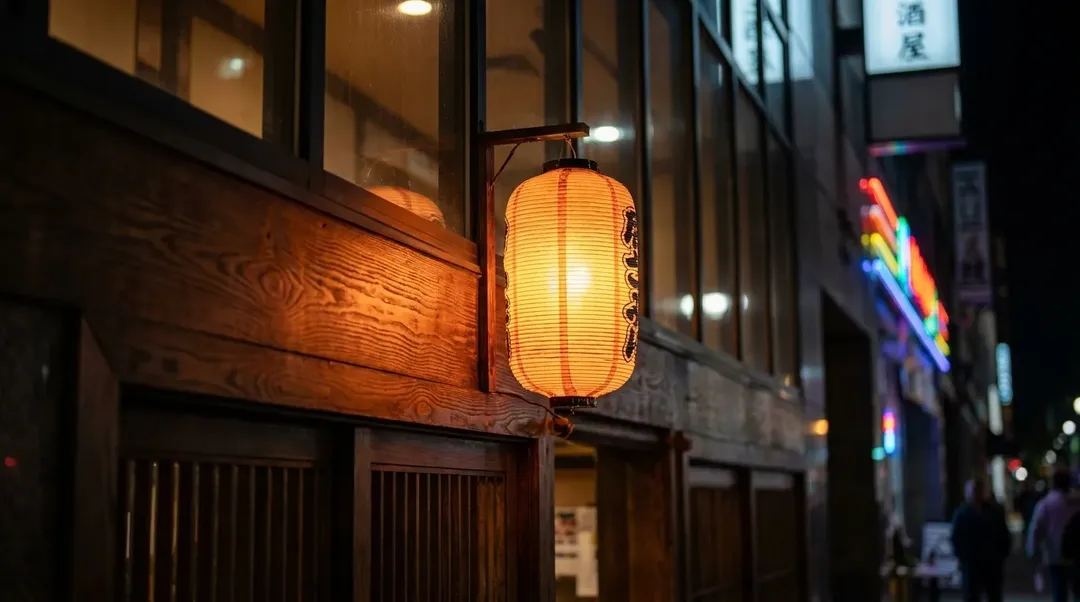
Grand Park runs four blocks along Grand Avenue, from the Music Center down to City Hall, and in the late afternoon the western end catches long, angled light that makes the pavement look softer than it is. If you arrive around four or five, the park is still busy with families and people lying on the lawn, but it's not crowded the way it gets during summer movie nights. The north side, near the fountain, has benches under the olive trees that stay shaded until six. Bring a book or a notebook, or just sit and watch the way the crowd thins as the sun drops.
This is the close, easy anchor. You're in the civic heart of the city, surrounded by buildings that have been here for decades, and you're not spending money yet. The park has clean bathrooms near the performance lawn, and cell service is solid if you need to coordinate with someone joining later. The mood is open but not chaotic, and if you've been inside watching a show about people who can't leave, it's useful to be somewhere that feels public and unguarded. Stay for an hour, let your brain settle, and then walk east on First Street toward Little Tokyo.
Little Tokyo After Dusk, When the Shops Close and the Bars Light Up
If you're willing to walk twenty minutes or take the short Metro hop from Civic Center to Little Tokyo/Arts District station, you land in a neighborhood that shifts hard at sundown. During the day, Little Tokyo is about the Japanese American National Museum, the plaza, families eating at Daikokuya. After seven, it's quieter, more adult, and the izakayas and whiskey bars along Second Street and Judge John Aiso start to fill with people who came for a specific reason, not a generic night out. The lighting is warmer here, more deliberate, and the streets are narrow enough that you feel the scale change from Downtown's wide avenues.
This is the worth-the-travel option, though "travel" is a stretch when you're still within a mile of where you started. The walk east on First takes you past the eastern edge of Skid Row, which is real and visible and something to be aware of, especially after dark; stay on First or Temple, keep moving, and you'll be fine. Once you're past Alameda, the blocks get quieter and more residential until you hit the glow of Little Tokyo. The neighborhood has a density that feels intentional, like someone designed it to be walked at night, and if you've been watching a show about people trapped in a single environment, it's a good reminder that cities have pockets, and you can move between them.
Eat Somewhere That Doesn't Rush You Out
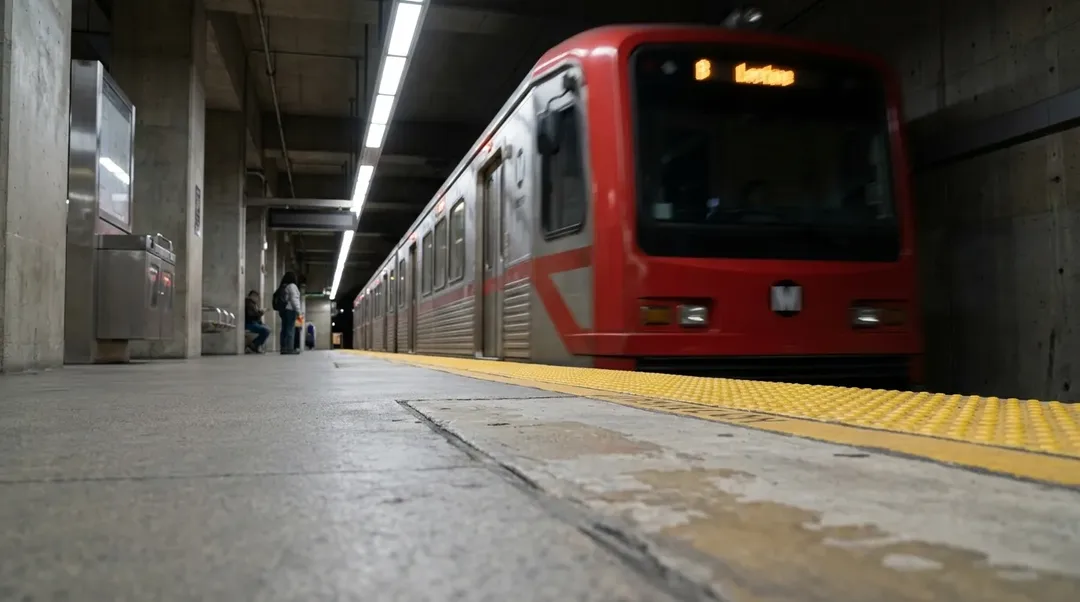
You need food, and you need it to be good enough that it's part of the plan, not just fuel. In Little Tokyo, the izakayas along Second Street—places like Izakaya Haru or the smaller spots near the plaza—serve small plates and let you sit for two hours if you keep ordering. Confirm they're open that night, because some close Mondays or Tuesdays, but on weekends they're reliable. The food is salty, rich, meant to be eaten slowly alongside beer or sake, and the rooms are small and wood-heavy, which matches the enclosed, intentional feeling you're chasing.
If you stayed closer to Grand Park, there's Otium across from the Broad Museum, which is more expensive but has a dining room that feels like a greenhouse, all glass and plants and soft light. It's a different mood—open, airy, almost too bright—but the food is careful and the space is designed to make you linger. The bar at Otium is walk-in friendly most nights, and you can eat there without a reservation. Either way, you're looking for a place where the lighting is low, the noise level is conversational, and you can sit with your phone off for ninety minutes.
The Last Move: A Drink or a Walk, Not Both
By nine or ten, you've eaten and you need to decide if you're staying out or heading home. If you're in Little Tokyo, there are whiskey bars like Seven Grand's former sibling spots or newer cocktail rooms along Alameda that stay open past midnight. These are small, dark, and specific, and the bartenders will talk to you if you want or leave you alone if you don't. If you're near Grand Park, the bars in the Biltmore or the rooftop spots along Olive are more polished, more expensive, and more likely to have a wait, but they're also walking distance from the Metro if you're taking the B or D line home.
The other option is to skip the drink and walk the long way back to your car or the station. The blocks between Little Tokyo and Civic Center are mostly empty after nine, and the lighting is uneven, but if you stay on First or Temple and keep your awareness up, it's a manageable walk. The city feels different at night—quieter, more industrial, less performed—and if you've spent the evening thinking about Silo and enclosure and control, there's something clarifying about being outside in a big, indifferent city that doesn't care what you're watching or why you're walking. Just don't linger in unlit areas, and trust your instinct if a block feels wrong.
Check Before You Go, Adjust If It's Not Working
This plan assumes the places you want are open, that the Metro is running on time, and that you're comfortable walking a mile in the dark. Those are all things that can shift day-of, especially on weekends when events or construction or weather change the texture of a neighborhood. Before you leave, confirm that the restaurant you want is taking walk-ins, that the park isn't closed for a private event, and that the Metro line you need isn't on a weekend schedule that adds twenty minutes to your trip.
If something falls through—if the bar is full, if the walk feels unsafe, if you just don't want to be out anymore—Karpo can pull a backup in real time. Maybe that's a different restaurant in the Arts District, or a coffee shop in Chinatown that's open late, or a route home that skips the walk and puts you on a bus. The goal isn't to execute a perfect plan; it's to have a Saturday that feels intentional, that matches the mood you're carrying from the show, and that doesn't leave you sitting in traffic wondering why you left the house. Downtown gives you the bones for that. You just have to check the details and be willing to adjust.
Practical notes
- Grand Park is free and open until 10 PM most nights; check for event closures on weekends.
- Metro B/D lines run every 12-15 minutes until midnight; confirm weekend schedule before you go.
- Street parking in Little Tokyo is metered until 8 PM; after that it's free but competitive.
- Most izakayas in Little Tokyo don't take reservations for parties under four; plan for a short wait.
- The walk from Grand Park to Little Tokyo is about 20 minutes on foot; stay on First or Temple after dark.
- If you're driving, the Joe's Auto Parks lot on Los Angeles Street near Second is $10 flat rate after 5 PM on weekends.
Tags: #karpo #losangeles #downtownla #weekendplans #silo #littletokyo #grandpark #metrola #walkablela #nightwalk #izakaya #laeats #silowatching #streamingweekend #cityroute
Sources consulted: LA Metro Weekend Schedules · Grand Park Hours and Events · Little Tokyo Community Council
All trademarks are the property of their respective owners.
Ask Karpo first
Before you head out, text Karpo to confirm which restaurants in Little Tokyo have walk-in availability tonight, and whether the Metro is running on schedule or if there's a weekend delay. Karpo can also build you a live route from your starting point to Grand Park, then over to Little Tokyo, and back to your car or station, adjusting for real-time closures or crowd shifts.
Ask Karpo for more information.
Keep reading
- Scent Bar Perfumery on Beverly: Niche Scents Sorted by Note
 Hand-Blended Perfumery on West Third Street: Le Labo
 Late Thursday Perfumery Testing on Larchmont: The Scent Room