 Scent Bar Perfumery on Beverly: Niche Scents Sorted by Note
Weekend Plans
San Diego Zoo Day Trip From LA: Timing and Tickets
The drive takes two hours without traffic, three or four on a Friday afternoon—here's how to make the day trip work.
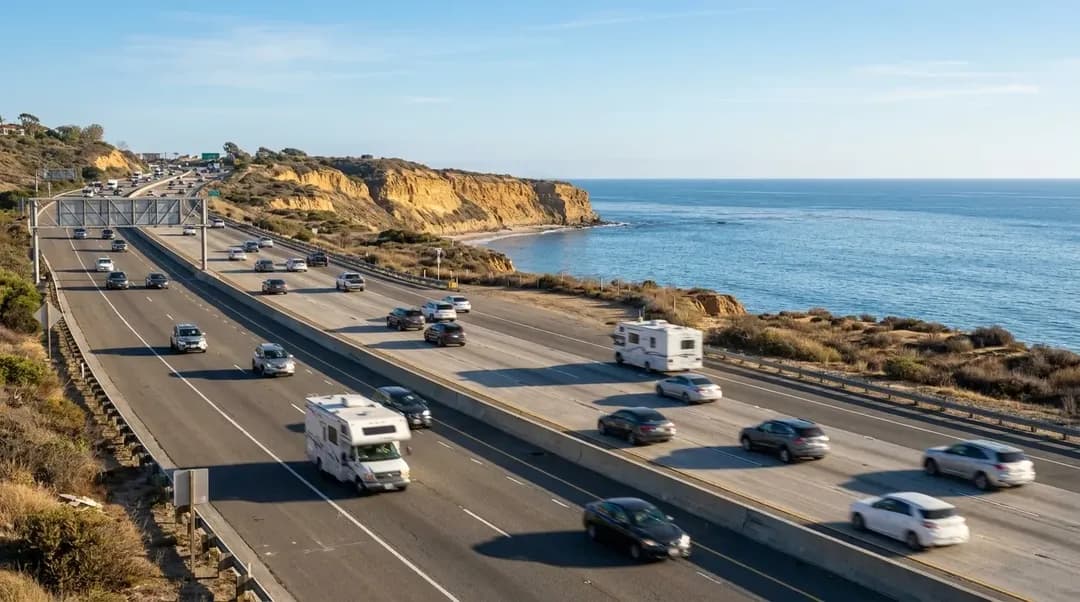
The San Diego Zoo sits 120 miles south of downtown Los Angeles, which sounds manageable until you remember that Southern California freeway math operates on a different clock. Leave Culver City at 7 a.m. on a Saturday and you'll reach Balboa Park by 9:15. Leave at 10 a.m. and you're looking at noon, maybe later if there's a backup near the Orange County line or around Oceanside. The zoo opens at 9 a.m. year-round, and the animals are most active in the morning before the inland heat sets in—so your departure time isn't just about traffic, it's about what you'll actually see.
Text Karpo before you commit to the drive. It'll check current I-5 conditions, give you a live route that accounts for weekend slowdowns around Camp Pendleton, and flag if parking at the zoo is at capacity.
What the drive actually looks like from LA
Most Angelenos take I-5 South straight through, which is fast and dull in equal measure. You'll pass San Clemente, where the freeway hugs the coast for a few miles and the Pacific appears on your right, then inland again through Camp Pendleton. That stretch can slow to a crawl on summer weekends when everyone has the same beach idea. The 101 to I-5 merge in downtown LA is predictably jammed until mid-morning on weekdays, so if you're leaving from the Westside, consider surface streets to the 405 South, then pick up I-5 near Irvine. It adds ten minutes in theory, saves twenty in practice.
Parking at the San Diego Zoo costs $20 in the main lot on Park Boulevard, and the lot fills by 10:30 a.m. on weekends during peak season—roughly Memorial Day through Labor Day, plus spring break. There's overflow parking along the residential streets west of the park, but those spots disappear fast and you'll walk uphill for fifteen minutes. If you're aiming for an early start, the drive time matters less than your ability to get out the door before the rest of LA wakes up.
Two ways down, and why most people pick wrong
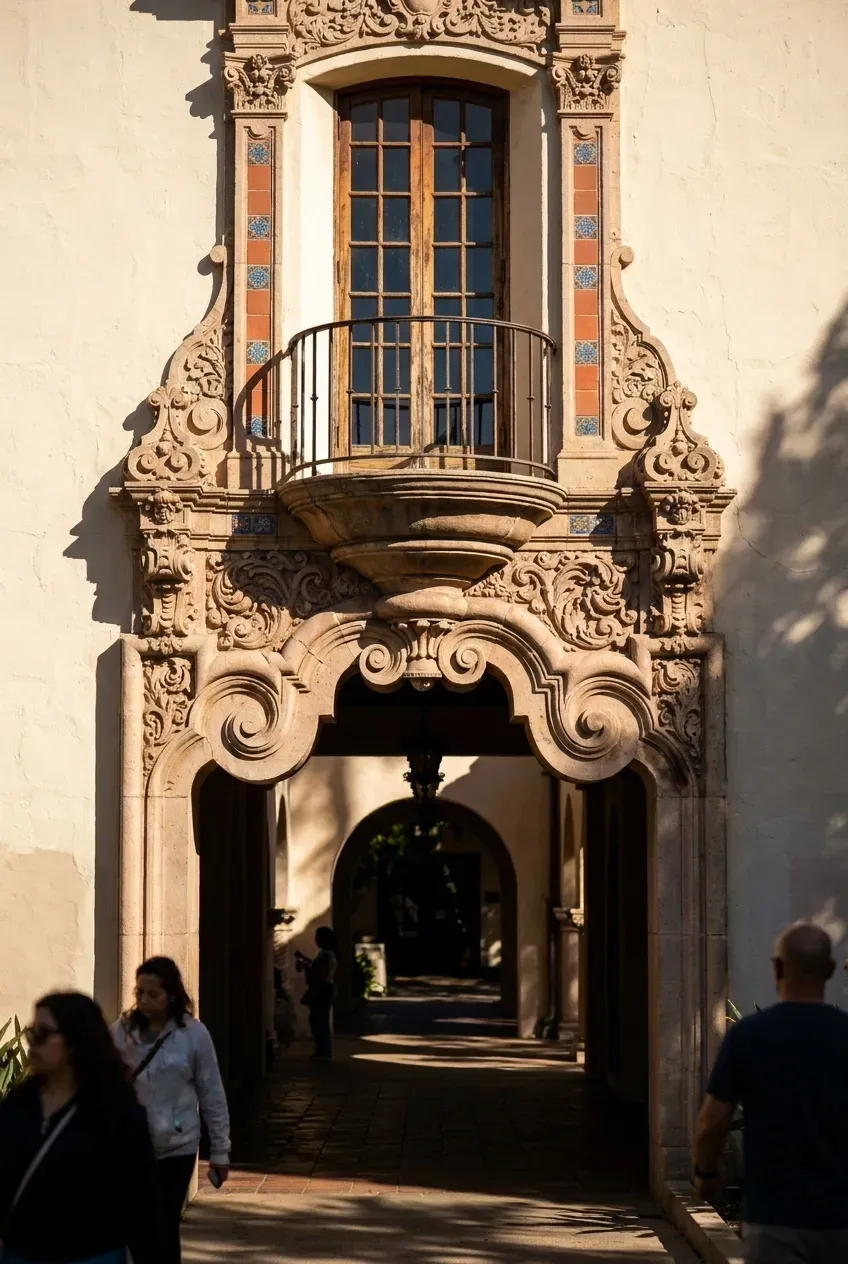
The default is I-5 South the entire way: 120 miles, two hours if the freeway gods smile on you, three if they don't. It's the most direct line, and if you leave LA before 7 a.m. or after 9 p.m., it's genuinely your best option. But if you're leaving mid-morning or returning late afternoon—the window most day-trippers actually use—you'll hit the predictable slowdowns around San Juan Capistrano, where the 5 narrows, and again near La Jolla, where weekend beach traffic merges in.
The alternate route is I-5 to CA-78 East, then south on I-15, which loops inland through Escondido before dropping you into San Diego from the north. It's ten miles longer and feels circuitous on a map, but it sidesteps the coastal bottleneck. This route makes sense if you're leaving LA between 10 a.m. and 1 p.m. on a Saturday or Sunday, or if you're coming back between 3 p.m. and 6 p.m. and want to avoid the northbound 5 crawl through Carlsbad. The San Diego Zoo is on the north side of Balboa Park, so approaching from I-15 South actually lands you closer to the entrance than the coastal route does.
One thing the map won't tell you: the I-5 corridor has more rest stops and gas stations with clean restrooms. If you're traveling with kids or just someone who needs a predictable pit stop, that matters. The inland route via I-15 has fewer services until you hit Escondido, and the stretch through Temecula wine country can feel longer than it is.
What you'll pay, and where the costs hide
San Diego Zoo tickets are sold as 1-Day passes or 2-Visit passes, and the pricing is dynamic—it fluctuates by season and day of the week. A 1-Day Pass typically runs between $68 and $79 for adults when you buy directly from the zoo's website, sometimes more on holidays or during summer peak. Children ages 3–11 pay about $10 less. The zoo pushes the 2-Visit Pass heavily; it's usually $109 to $119 for adults and covers both the San Diego Zoo and the Safari Park in Escondido, valid for one visit to each within a week. If you're making the drive from LA, the 2-Visit option only makes sense if you're planning to come back soon or if you're willing to turn this into an overnight trip.
Buy your San Diego Zoo tickets online at least a day in advance. The zoo's website is the most reliable source for current pricing, and purchasing ahead lets you skip the ticket-window line, which can stretch twenty minutes deep on busy mornings. Third-party resellers occasionally offer discounts, but read the fine print—some are valid only on specific dates or require you to print a voucher. The zoo also runs periodic promotions for San Diego County residents, military families, and AAA members; check the zoo's own deals page before you buy.
Beyond the ticket, budget $20 for parking, $15–$20 per person for lunch if you eat inside the park (the food is fine, not great, and there are no cheaper options nearby), and another $40–$50 in gas for the round trip from LA, depending on your car. If you take the Skyfari aerial tram or the Kangaroo Express Bus inside the zoo, those are included with admission. The zoo covers 100 acres and involves serious hill-walking; wear comfortable shoes and bring a refillable water bottle—fountains are plentiful.
The hidden cost is your evening. If you leave the San Diego Zoo at 4 p.m., which is about when most people are done, you'll hit northbound I-5 traffic all the way back through Oceanside and San Clemente. That's a three-hour crawl, sometimes longer, and you'll roll back into LA exhausted and hungry. If you can swing it, stay until the zoo closes at 6 p.m. or 7 p.m. (hours vary by season; confirm on the zoo's site), then grab dinner in San Diego and drive home after 8 p.m. The freeway clears, and you'll be back in LA by 10:30 p.m. feeling like you actually had a day trip instead of a traffic endurance test.
Three things to do before you leave LA
First, check the San Diego Zoo timing for the day you're going. The zoo's hours shift seasonally—9 a.m. to 6 p.m. in winter, 9 a.m. to 9 p.m. in summer—and some exhibits close earlier than the main gates. The Polar Bear Plunge and the Africa Rocks penguin colony are best in the morning before the sun heats the rocks; the tigers and leopards tend to nap by noon. If you're driving two hours each way, you want to arrive when the animals are awake.
Second, download the San Diego Zoo app before you leave. The park is big, the paths wind uphill and down, and the paper maps are optimistic about walking times. The app shows live wait times for the Skyfari tram, tells you when keeper talks are happening, and marks the cleanest restrooms (the ones near the Elephant Odyssey are usually the least crowded). Cell service inside the park is fine, but having the app loaded before you arrive saves you from standing in the sun while it downloads.
Third, pack snacks and a lunch if you want to save money and time. The zoo allows outside food—just no glass containers or alcohol—and there are shaded picnic tables scattered near the Fern Canyon and the Gorilla Forest. The zoo's dining options are standard theme-park fare: pizza, burgers, salads in plastic clamshells. It's not bad, but it's not worth planning around, and the lines at Albert's Restaurant can stretch thirty minutes at lunchtime. Bringing your own food means you eat when you're hungry, not when the crowd thins.
Practical notes
- San Diego Zoo opens at 9 a.m. daily; closing time varies by season (6–9 p.m.), so confirm on the zoo's website before you go.
- Parking is $20 in the main lot; arrive before 10 a.m. on weekends to avoid overflow lots and uphill walks.
- Tickets range from $68–$79 for 1-Day adult admission; buy online in advance to skip the ticket window.
- The drive is 120 miles via I-5 South; plan 2 hours off-peak, 3–4 hours if leaving LA mid-morning or returning late afternoon.
- Bring refillable water bottles and comfortable shoes; the zoo covers 100 acres with significant elevation changes.
- Consider staying in San Diego for dinner and driving home after 8 p.m. to avoid the worst northbound traffic.
Tags: #karpo #losangeles #sandiegozoo #daytrip #weekendplans #culvercity #balboapark #southerncalifornia #roadtrip #i5south #sandiego #zoovisit #familytrip #latosd #californiatravel
Sources consulted: San Diego Zoo Official Site · Caltrans Live Traffic
All trademarks are the property of their respective owners.
Ask Karpo first
Text Karpo before you head south to get a live traffic check on I-5 and the current wait at the San Diego Zoo parking lot. It'll also flag if there's a faster route via I-15 based on real-time conditions, and remind you what time to leave dinner in San Diego to avoid the northbound crawl back to LA.
Ask Karpo for more information.
Keep reading
- Scent Bar Perfumery on Beverly: Niche Scents Sorted by Note
 Hand-Blended Perfumery on West Third Street: Le Labo
 Late Thursday Perfumery Testing on Larchmont: The Scent Room