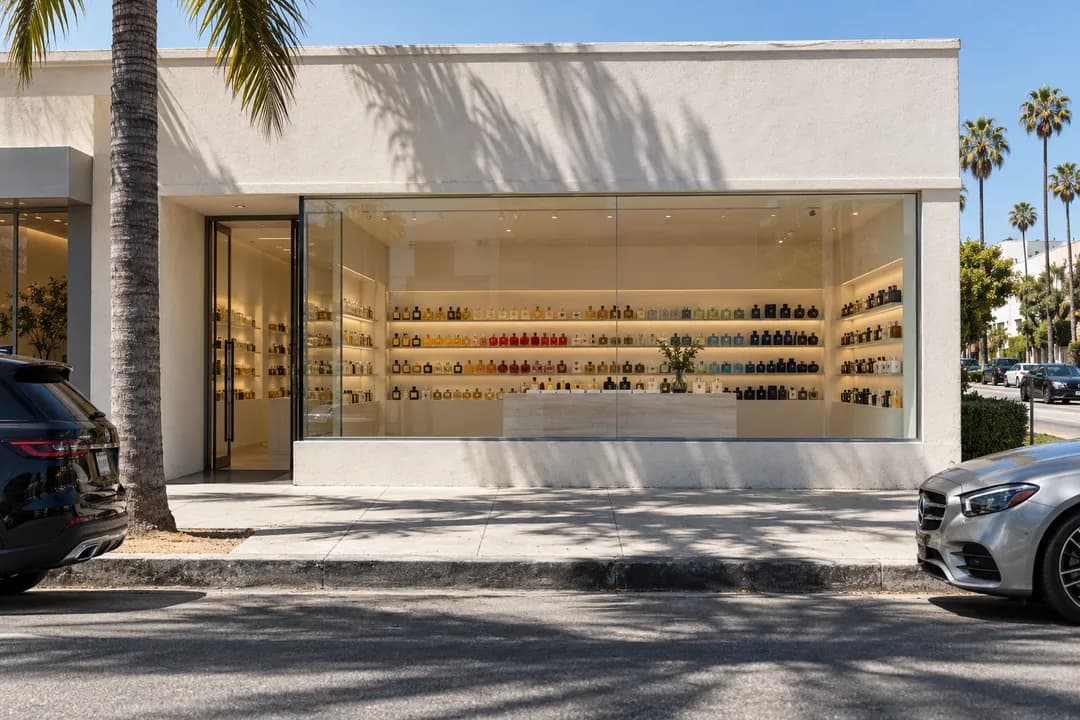
 Scent Bar Perfumery on Beverly: Niche Scents Sorted by Note
Weekend Plans
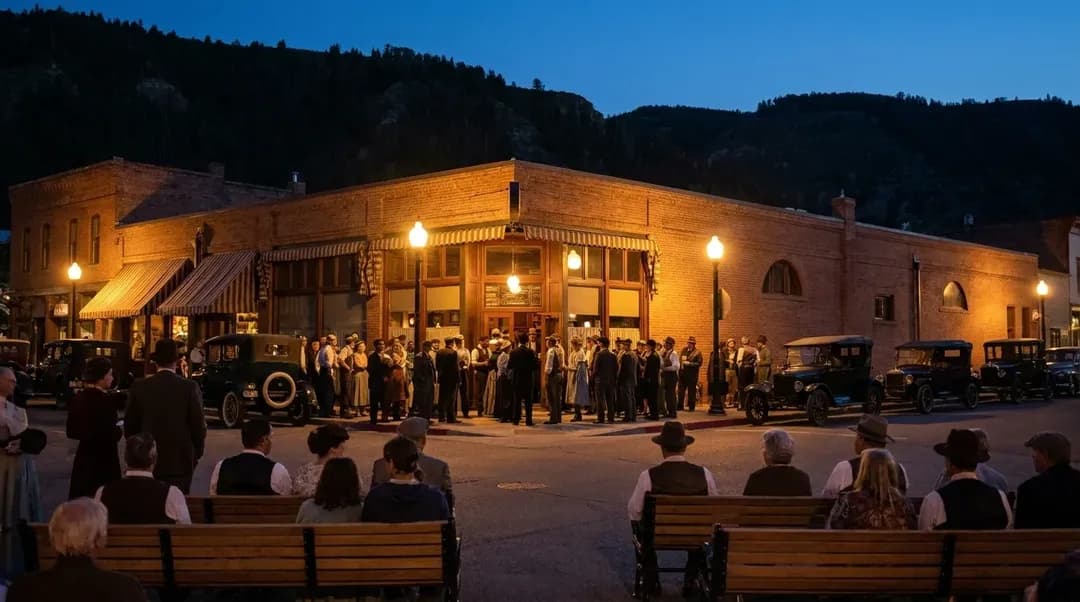
Hollywood Bowl First-Timer Guide: Seats, Picnics, and Parking
The amphitheater's bench seating, picnic rules, and parking lot choreography work differently than most LA venues expect.
The first thing that catches people off guard at the Hollywood Bowl is that nobody's checking a ticket and pointing you to a numbered chair. You're carrying a tote bag full of food up a long ramp in the dusk while an usher waves vaguely toward a lettered section, and suddenly you're picking a spot on a wooden bench next to strangers who got there twenty minutes earlier and claimed the aisle end with a blanket. It's a amphitheater, but it behaves like a hillside picnic that happens to have the LA Phil playing at the bottom.
Text Karpo before you leave and it'll pull live traffic to the Bowl, check which lots still have space, and route you home after the show when half the canyon is trying to merge onto the 101.
Why the Hollywood Bowl feels more like summer camp than a concert hall
The Hollywood Bowl has been in that same canyon since 1922, and its rituals—the shared benches, the wine-and-cheese setups on your lap, the Sunset Boulevard approach that backs up from Highland to La Brea on a Friday—haven't bent much toward convenience. That's part of the appeal, but it also means your first visit requires a different kind of pre-planning than buying tickets to the Dolby or the Greek. You're managing a picnic, a commute, and a seating strategy all at once, and the venue's website doesn't quite prepare you for the ground truth.
How Hollywood Bowl LA seats actually work, and what to book
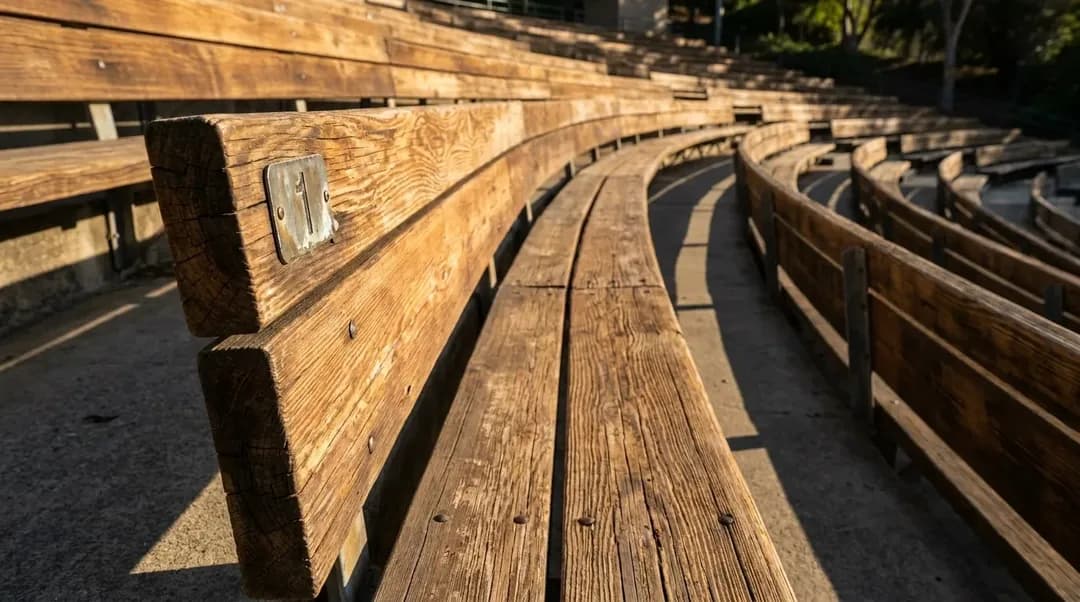
Seating at the Hollywood Bowl breaks into three zones: boxes (which are small tables with actual chairs, closest to the stage, expensive, and often sold as four-seat packages), benches with backs (lettered sections from A to M, mid-bowl, where most people land), and benches without backs (the far sections and the very top, cheaper, and requiring either a backrest cushion or a willingness to sit upright for two hours). The boxes are the only seats where you'll have a reserved spot; everything else is open seating within your section. That means if you bought tickets in section G, you and everyone else in G are racing up the ramp to claim the middle of a bench or the aisle edge before the opening act starts.
Arrive early—forty-five minutes to an hour before showtime—if you want a good bench position. The gates open at least ninety minutes before most performances, and people do show up that early to spread out their picnics. Sections closer to the center (D through H) give you the best sightlines, but they also fill first. If you're sitting farther back, in the J-through-M range or higher, bring a cushion with a back; the benches are just planks, and your lower back will complain by intermission. You can rent cushions at the venue, but they run out, and the line at the rental kiosk is long. The very top sections—the nosebleeds—are fine if you care more about the sound and the atmosphere than seeing the conductor's face, and they're usually the last to fill, which takes some of the arrival pressure off.
What works for Hollywood Bowl LA picnics, and what doesn't
The Bowl encourages picnics, which is unusual for a venue this size, but the mechanics are specific. You can bring your own food and wine (beer and liquor are not allowed, only wine and champagne in non-glass containers). Most people pack a cooler, a blanket, and some kind of charcuterie-and-bread situation. The picnic tables on the grounds open hours before the show and fill up fast; if you want one, plan to arrive even earlier than you would for just a good bench. If you don't get a table, you'll be eating on your lap or on the ground near your section, which is completely normal and what most of the crowd does.
What doesn't work: anything that requires real plating or reheating. You're managing everything in your hands or on a bench that you're sharing with strangers, so finger foods, sandwiches, cheese, fruit, and wine are the standard for a reason. Don't bring glass bottles—they're not allowed, and security will make you toss them. Transfer wine into a plastic bottle or a stainless flask before you arrive. The Bowl has a few on-site food vendors (including a marketplace with prepared picnic boxes), but the lines are slow and the options are limited. If you want to eat well, you're bringing it yourself or picking up something on the way. There's a Whole Foods on Fairfax and Santa Monica if you're coming from the east side, or you can stop in Sawtelle for Japanese takeout before you head up through the canyon, though that adds time you might not have.
One detail that surprises people: there's no intermission food service to speak of. If you didn't bring enough for the whole evening, you're stuck. The venue's alcohol sales are also cut off partway through most performances, so if you're counting on buying wine inside, get it before the show starts.
The parking choreography, and when to bail on driving
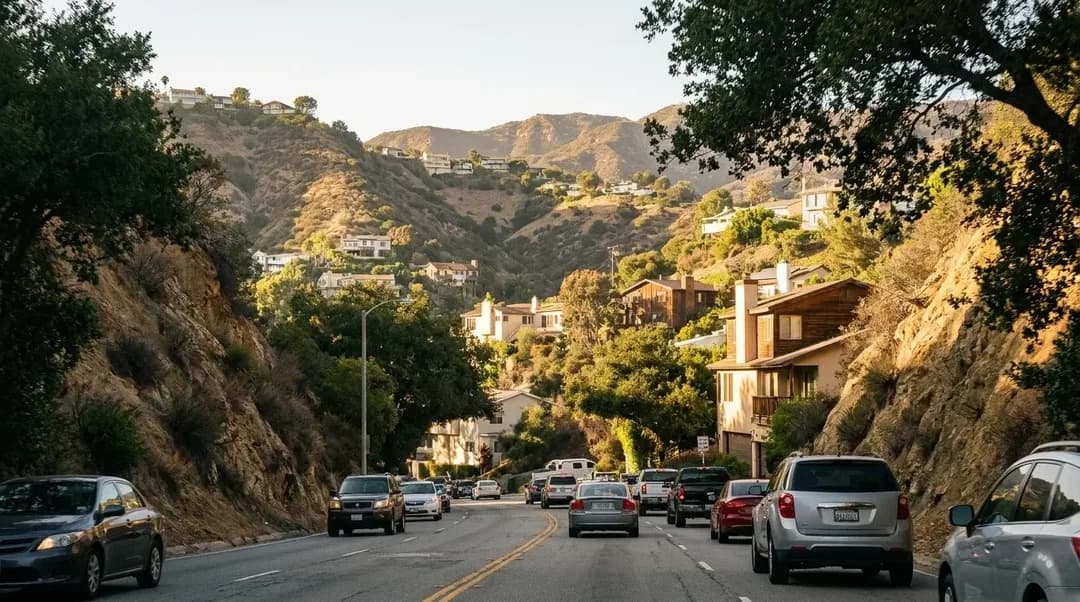
Hollywood Bowl LA parking is a whole separate operation. The venue operates its own lots, stacked up the hillside behind the shell, and they fill in sequence starting from the top. Parking costs around twenty-five to thirty dollars depending on the night and how close you want to be (check the Bowl's site for current rates—they adjust by event). If you arrive more than an hour early, you'll get into one of the closer lots; if you show up thirty minutes before curtain, you're hiking from the farthest lot, which is a real uphill walk on the way in and a knee-testing descent in the dark on the way out.
The bigger problem is leaving. After the show, every car in those lots funnels onto Highland Avenue at the same time, and the merge onto the 101 backs up for a mile. You can sit in your car for forty minutes just getting out of the parking structure. If you're planning to drive, accept that you're adding an hour to your evening on the back end. Some people skip the last encore to get a jump on the exit; others just build the wait into the plan and treat it as part of the ritual.
The alternative is the Bowl Shuttle, which picks up from several locations around the city (including downtown and the Westside) and drops you at the gate. It's cheaper than parking, removes the drive-home stress, and lets you drink without worrying about getting back. The Metro Red Line to Hollywood/Highland is also an option, though you'll still need to walk or catch a connecting shuttle up to the Bowl itself—it's not a short walk from the station, especially uphill. If you're coming from the Valley, Uber or Lyft drop-off works fine, but surge pricing after the show ends can be brutal, and you'll be competing with hundreds of other people trying to get a ride from the same spot. Set your pickup location a few blocks down Highland if you go that route; you'll walk a bit, but you'll actually get a car.
What to check the week of your show, and same-day realities
The Bowl's schedule runs from late spring through early fall, and the weather in the canyon can shift once the sun drops. Even in July, it cools down fast after dark—bring a layer. If there's any chance of wind, bring something that won't blow away; the hillside catches a breeze that doesn't exist down on Hollywood Boulevard. The venue rarely cancels for weather, but if there's been rain earlier in the day, the benches will be damp. A blanket or a towel to sit on becomes necessary, not optional.
Check the set time and the actual start time a day or two before you go. Some shows have opening acts that begin earlier than the main event, and if you care about seeing the whole program, you'll need to adjust your arrival. The Bowl's website and app list the night's specifics, including any pre-show talks or events. If you're seeing the LA Phil, the program sometimes changes—confirm what's actually being performed if that matters to you.
Same-day, check traffic before you leave. The drive from the Westside or downtown to the Hollywood Bowl looks like twenty-five minutes on a map, but it's forty-five to an hour if you're hitting it during rush hour or on a Friday evening. Sunset Boulevard is the main artery, and it clogs from Doheny to Highland. If you're coming from the Valley, Cahuenga through the canyon is your best bet, but it's still slow. Build in buffer time, or you'll miss half the first set while you're still trying to park. And if the show you're seeing is a big-name pop or rock act (the Bowl books more than just classical), expect even heavier crowds and longer waits for everything—parking, food, bathrooms, exits.
Practical notes
- Gates open 90 minutes before showtime; arrive 45-60 minutes early for decent bench seating within your section.
- Parking in Bowl-operated lots runs $25-30; expect 30-40 minutes to exit after the show when everyone leaves at once.
- Wine and champagne in non-glass containers are allowed; beer and liquor are not. Bring food—vendor lines are long and close early.
- Bring a cushion with back support if you're in bench sections J and higher; rentals sell out quickly.
- Check live traffic before leaving; Sunset Boulevard from Fairfax to Highland backs up heavily on show nights.
- Evening temperatures drop in the canyon—bring a jacket even in summer, and a blanket if there's been recent rain.
Tags: #karpo #hollywoodbowl #losangeles #weekendplans #laphil #livemusicla #hollywoodhills #losangelesmusic #concertseason #picnicinla #thingstodoinla #latraffic #summerconcerts #amphitheater #classicalmusicla
Sources consulted: Hollywood Bowl Official Site · LA Phil · Metro Los Angeles
All trademarks are the property of their respective owners.
Ask Karpo first
Text Karpo the morning of your show and ask it to check current traffic patterns to the Hollywood Bowl and pull live parking availability if the Bowl posts it. It'll also build you a route home that accounts for the Highland Avenue backup and give you alternates if you're getting stuck in the lot for too long.
Ask Karpo for more information.
Keep reading
- Scent Bar Perfumery on Beverly: Niche Scents Sorted by Note
 Hand-Blended Perfumery on West Third Street: Le Labo
 Late Thursday Perfumery Testing on Larchmont: The Scent Room