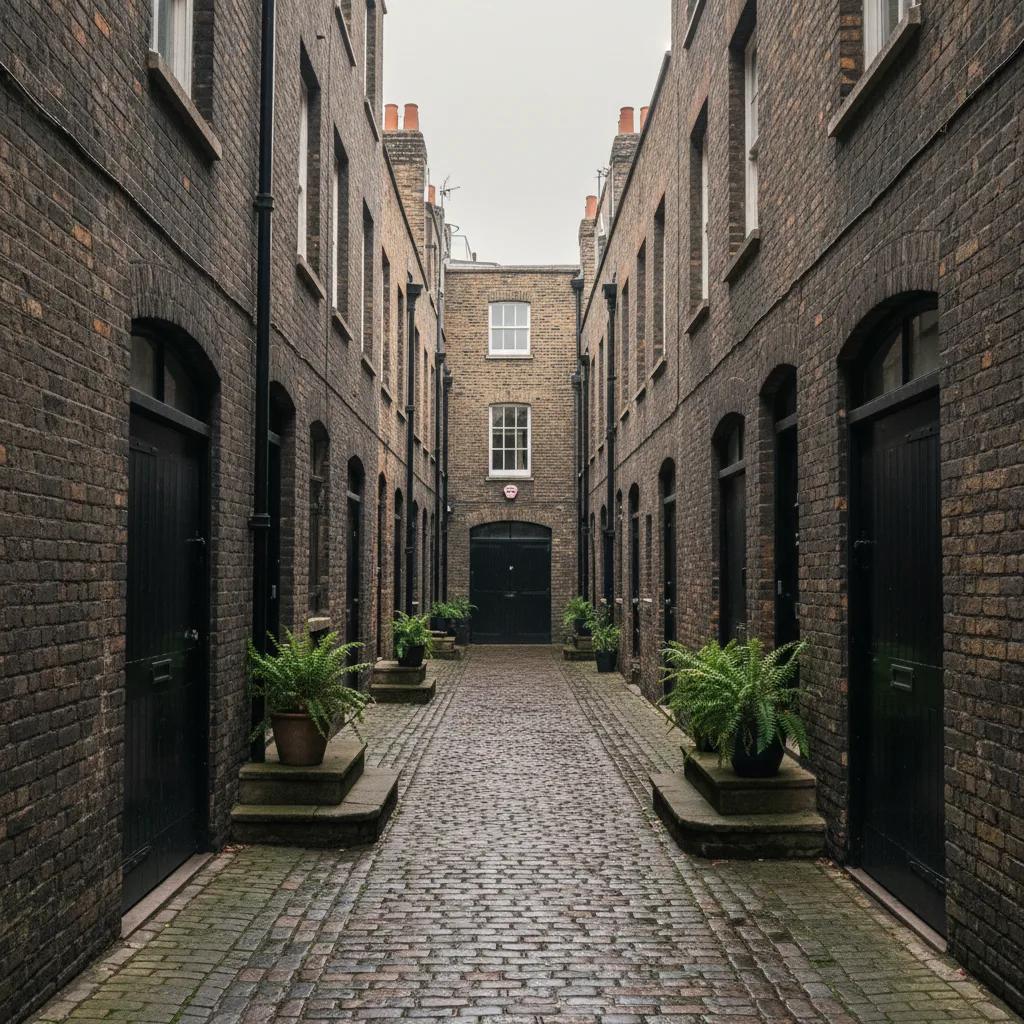
 Bloomsbury Mews Walk Planner: Literary Brick Passages
Neighborhood Guides

London Urban Nature Oasis Walk Along South Bank Bermondsey
Discover riverfront meadows, community rooftop allotments, and historic churchyard lawns on this calming urban nature oasis walk from South Bank to Bermondsey.
The South Bank and historic Bermondsey are celebrated globally for contemporary arts centers, bustling food markets, and sweeping Thames views, yet the southern riverfront also features extraordinary ecological sanctuaries. Tucked behind brutalist concrete auditoriums and repurposed nineteenth-century brick railway arches lie secluded rooftop allotments, tranquil public rose gardens, and wild riverfront perennial meadows. Following this self-guided London urban nature oasis walk provides an easy waterside journey, revealing how diverse botanical refuges bring balance to one of the capital's busiest pedestrian corridors.
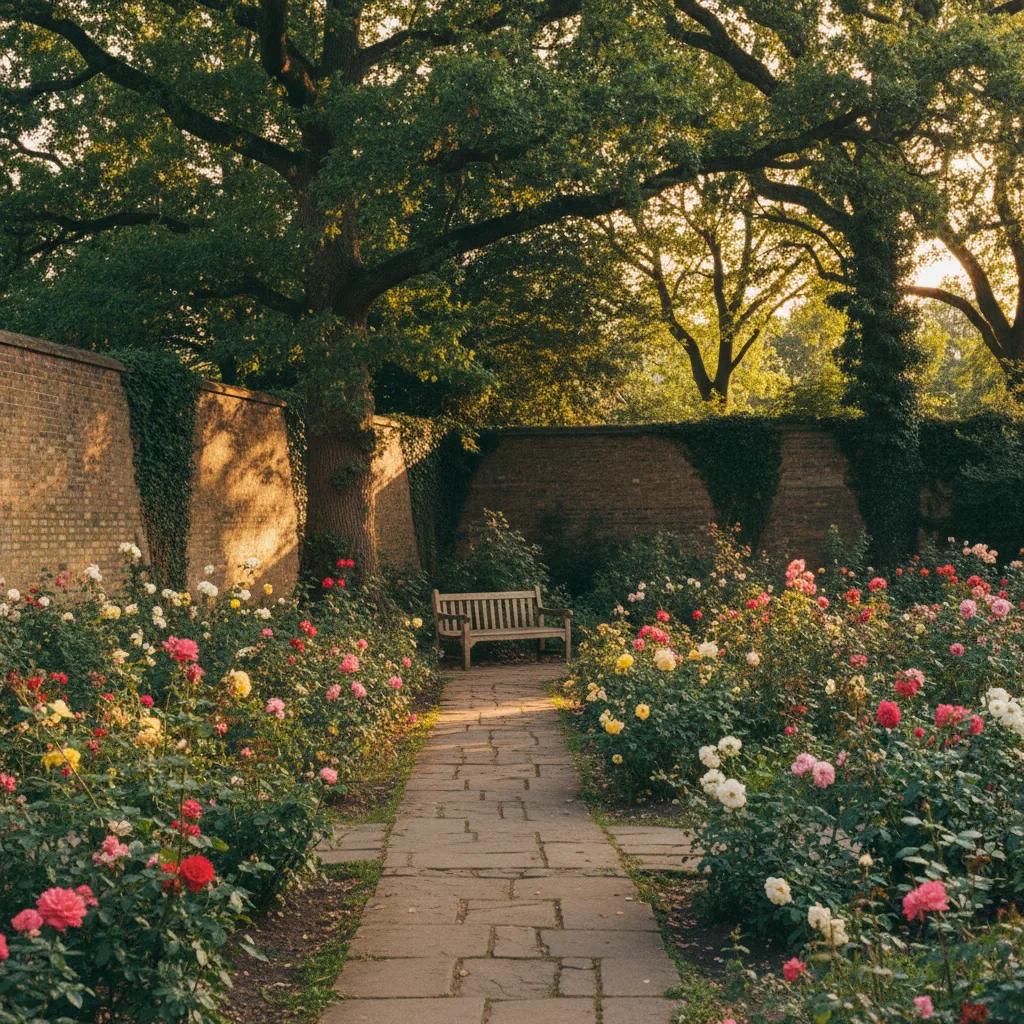
Canopy Meadows at Bernie Spain Gardens and Rooftop Allotments
Commence your riverside journey on the South Bank near the river promenade, entering Bernie Spain Gardens, at 1 Upper Ground, London SE1 9PP. Named after local housing campaigner Bernadette Spain, this sheltered two-acre community park offers rolling grass lawns bordered by native birch trees, field maples, and wildlife-friendly perennial beds. Fresh Thames breezes rustle through the broad canopy, providing an immediate acoustic shelter from tourist footfall along the adjacent riverside walkway.
Stroll just two minutes west toward the Queen Elizabeth Hall roof, entering the Queen Elizabeth Hall Roof Garden, at Belvedere Road, London SE1 8XX. Originally established in 2012 by the Eden Project and maintained with support from Grounded EcoTherapy, this hidden elevated haven features raised garden beds of chamomile, wild thyme, and fruit trees set against brutalist concrete walls. Climbing the timber staircase reveals a miniature living ecosystem complete with miniature allotments and nectar-rich wildflowers.
Visitors can relax on weathered timber garden benches while watching barges drift across the Thames below, enjoying unobstructed views of St Paul's Cathedral through leafy silver birch branches. Volunteer gardeners cultivate organic vegetables and herbs throughout spring and summer, creating an inspiring showcase of community-led inner-city greening. Both the ground-level park and the rooftop garden are completely free to enter during daylight hours from 10:00 am until dusk.
Historic Rose Parterres Across Archbishop's Park
From Upper Ground, walk south via Carlisle Lane to access Archbishop's Park, located at 1 Carlisle Lane, London SE1 7LE, adjoining the historic boundary walls of Lambeth Palace. Covering roughly ten verdant acres, this former private palace ground was dedicated as a public open space in 1901 by Archbishop Frederick Temple. A peaceful haven of mature plane trees and formal flower borders, the park feels remarkably secluded despite its proximity to Waterloo Station.
The western section of the park features an enclosed formal rose garden framed by clipped box hedges and commemorative timber seating. Heritage rose cultivars bloom in rich pink and cream shades from June through late October, filling the sheltered brick courtyard with delicate perfumes. Gentle gravel pathways guide strollers past flowering herbaceous borders, where honeybees and speckled wood butterflies flit continuously between perennial blossoms.
A small community orchard planted with native pear and apple trees anchors the southern boundary, alongside well-tended recreational sports turf and quiet reading corners. Local healthcare workers from nearby St Thomas' Hospital often spend quiet lunch hours here, sitting beneath the high branches to unwind in peaceful green surroundings. The park gates open free to pedestrians daily from 7:30 am until dusk, offering an authentic neighborhood respite.
Shaded Churchyard Sanctuary at St John's Southwark
Depart Archbishop's Park and proceed east past Waterloo and Borough toward historic Bermondsey, stepping into St John's Churchyard, at 1 Fair Street, London SE1 2HS. Situated just one block south of busy Tooley Street, this former parish burial ground was converted into a dedicated public garden in the late nineteenth century. Thick perimeter stone walls and towering London plane trees effectively muffle commercial traffic, providing an unexpected oasis of tranquility.
Shaded flagstone walkways meander around a central lawn bordered by mature shrubberies, ornamental ferns, and flowering hydrangeas that thrive in dappled woodland light. Weathered stone chest tombs and historic wall memorials from the eighteenth century sit quietly beneath the arboreal canopy, offering poetic glimpses into maritime Southwark's past. A timber-framed playground and quiet perimeter seating areas offer welcoming community amenities.
Local residents frequently gather on the shaded wooden benches along the churchyard's northern path, savoring the peaceful chorus of blackbirds and European robins. The compact dimensions of the garden allow for an intimate, calm experience where visitors can rest their legs before continuing eastward toward the river. Access is free and open daily during daylight hours from 8:00 am until dusk.
Piet Oudolf Perennial Borders at Potters Fields Park
Head north from Fair Street along Queen Elizabeth Street to reach the River Thames, arriving at Potters Fields Park, at 189 Tooley Street, London SE1 2QG. Overlooking the river directly beside Tower Bridge, this world-renowned four-acre public park combines open grassy slopes with breathtaking perennial borders designed by celebrated Dutch plantsman Piet Oudolf. Naturalistic drifts of coneflowers, ornamental grasses, and sage create a vibrant tapestry of moving foliage right on the water's edge.
Wandering Oudolf's curving gravel pathways reveals a masterclass in modern ecological landscape design, where seed heads and tactile grasses remain visually stunning through autumn and winter. The open spatial design allows cool river breezes to sweep through the planting beds, producing soft whispering sounds that mask metropolitan hubbub. Broad limestone steps lead down toward the riverside promenade, offering panoramic views of the Tower of London across the river.
Office workers, students, and evening walkers frequently rest on the sloping green lawns, watching historic sailing barges and modern commuter clippers navigate the Thames. The park's sustainable planting scheme provides vital urban habitat for migrating pollinators and birds along the tidal Thames corridor. Potters Fields Park is open free to the public 24 hours daily, offering an unforgettable natural conclusion to this South Bank journey.
Navigational Route Advice and Practical Planning
This scenic riverside nature route spans approximately 2.3 miles and is best enjoyed at an unhurried pace over ninety minutes to two hours. Waterloo Underground and rail station provides an ideal starting point on the western end, while London Bridge Station and Bermondsey Station offer convenient return rail links on the eastern end. The walking surfaces consist entirely of smooth riverside paving, municipal sidewalks, and level park gravel suitable for all footwear.
Early morning before 10:00 am or late afternoon as golden light illuminates the Tower Bridge riverbank are the most atmospheric times to undertake the route. Carrying a lightweight windbreaker and keeping a refillable water flask handy will ensure comfortable strolling regardless of changing coastal river breezes. Walking this route demonstrates how historic preservation and contemporary urban ecology merge seamlessly along London's dynamic southern waterfront.
Ask Karpo for more information.
Keep reading
- Bloomsbury Mews Walk Planner: Literary Brick Passages
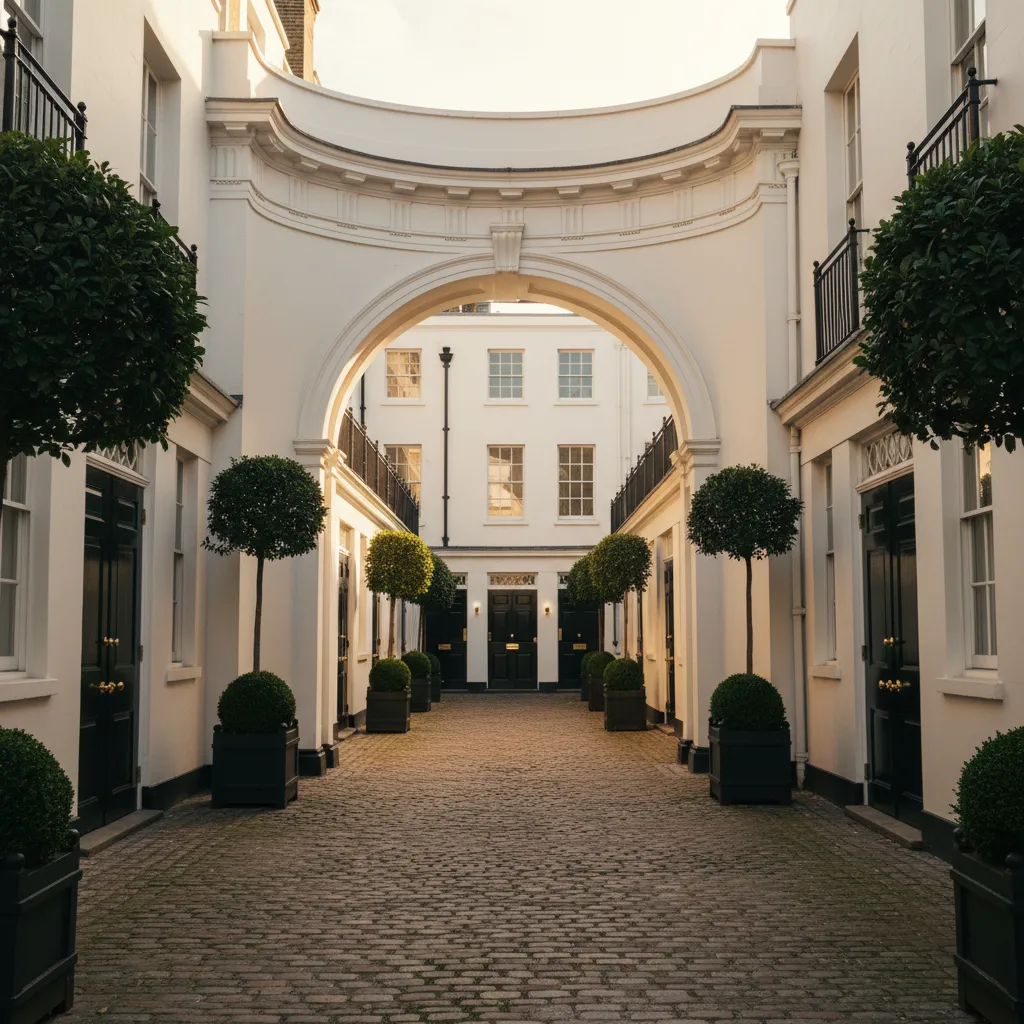 Belgravia Mews Walk Planner: Stucco Arches and Alleys
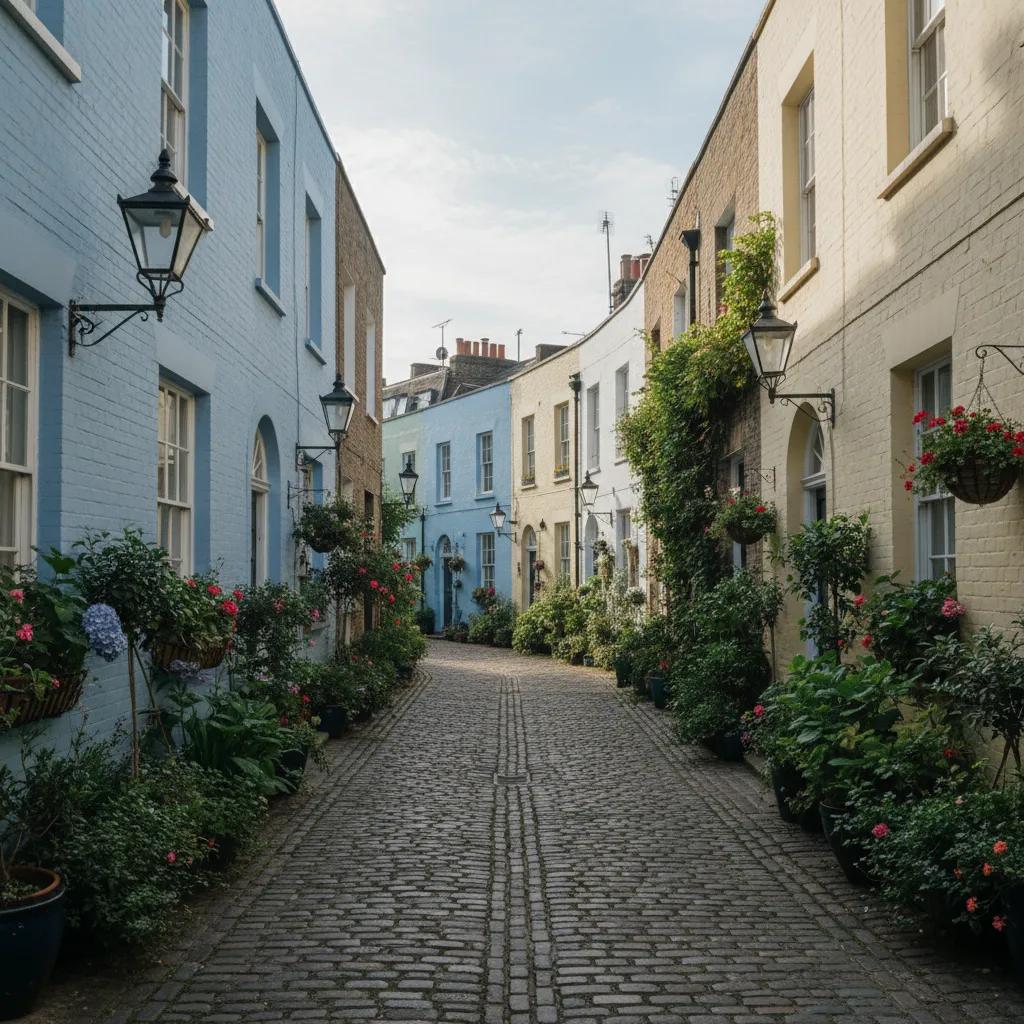 Notting Hill Mews Walk Planner: Quiet Painted Lanes