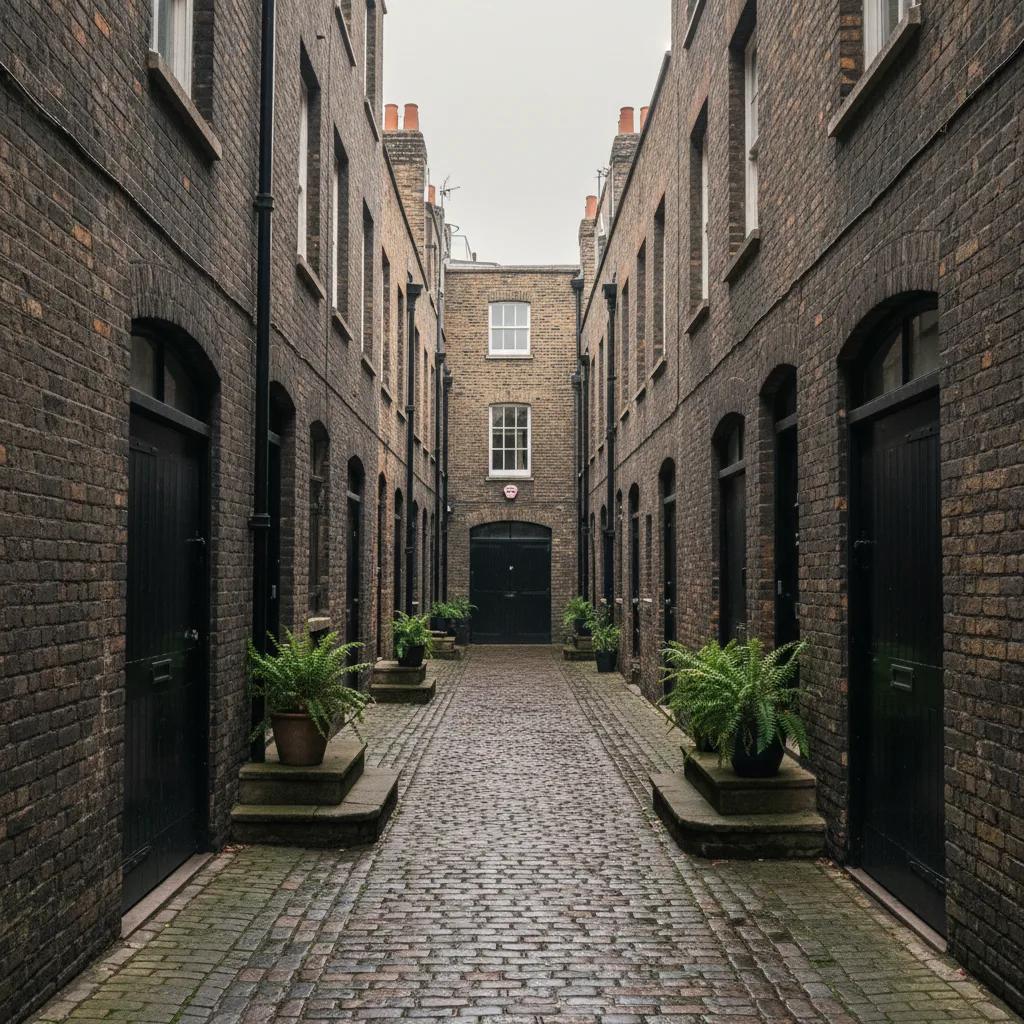
 Bloomsbury Mews Walk Planner: Literary Brick Passages
Neighborhood Guides
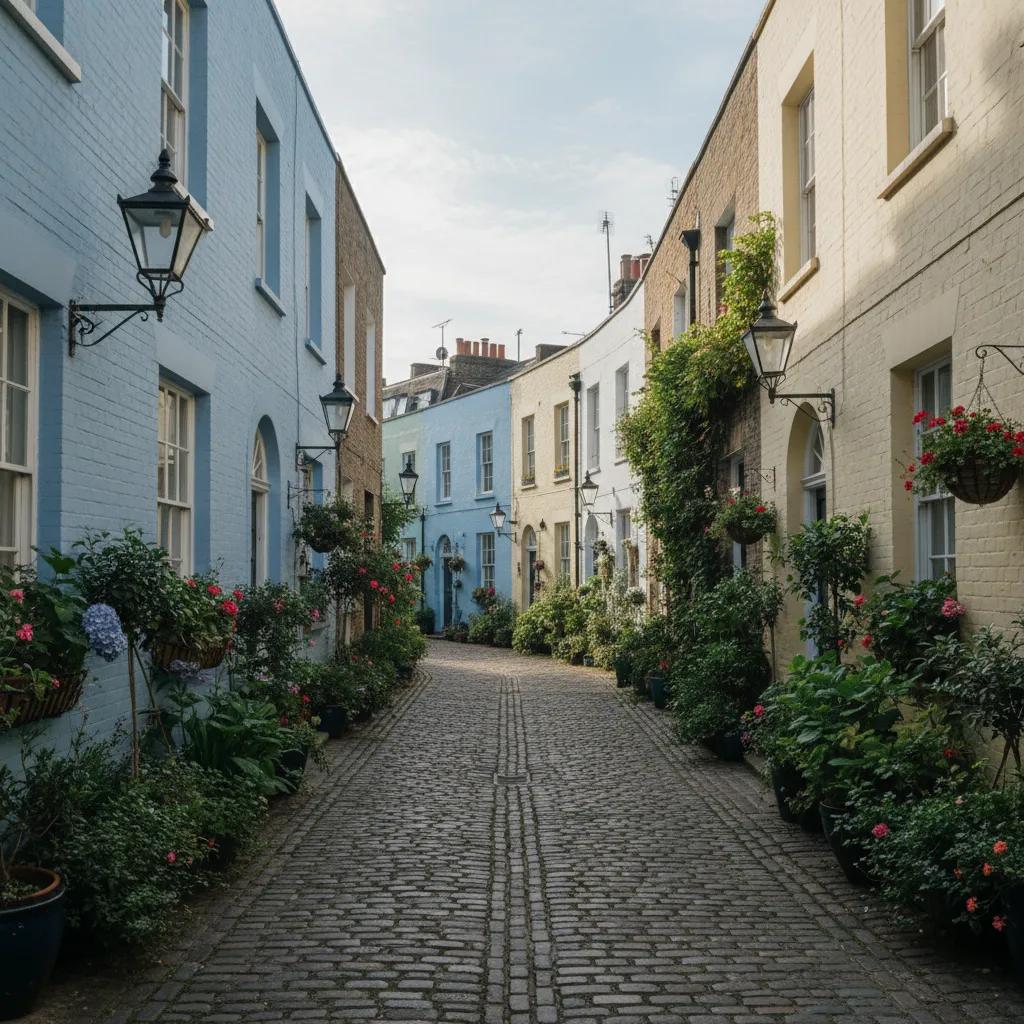
Notting Hill Mews Walk Planner: Quiet Painted Lanes
Step off lively market thoroughfares into the serene pastel mews of Notting Hill, where quiet cobblestones and colorful carriage doors reveal historic charm.
Notting Hill is celebrated worldwide for its vibrant market energy, pastel terrace crescents, and bohemian artistic spirit. Yet just one street removed from the teeming stalls of Portobello Road lies a parallel universe of secluded residential calm. Behind the grand Victorian stucco facades run networks of historic carriage passages, paved in dark granite and framed by colorful two-story cottages. These former stables have evolved into some of the most distinctive living spaces in West London. Approaching this enclave with a mews walk planner mindset allows visitors to step away from crowded tourist pathways, appreciate authentic neighborhood stillness, and experience the picturesque color palette of Notting Hill at a respectful, contemplative pace.
Nineteenth-Century Stables and the Rise of Painted Enclaves
The story of Notting Hill mews began during the mid-Victorian property boom when wealthy families settled across the Ladbroke Estate. To support grand multi-story residences without exposing owners to horse manure, feed dust, and carriage clatter, surveyors positioned narrow service alleys directly behind the grand terraces. The ground floors housed heavy timber carriage wagons and stabled teams of working horses, while coachmen lived in modest rooms above. Over the following century, the decline of equestrian transport led artists and bohemian residents to claim these affordable spaces as studios. This creative heritage introduced the playful pastel paint traditions that define the district today, transforming utilitarian working alleys into cheerful showcases of individual domestic expression.
Pastel Facades, Contrasting Doors, and Architectural Nuances
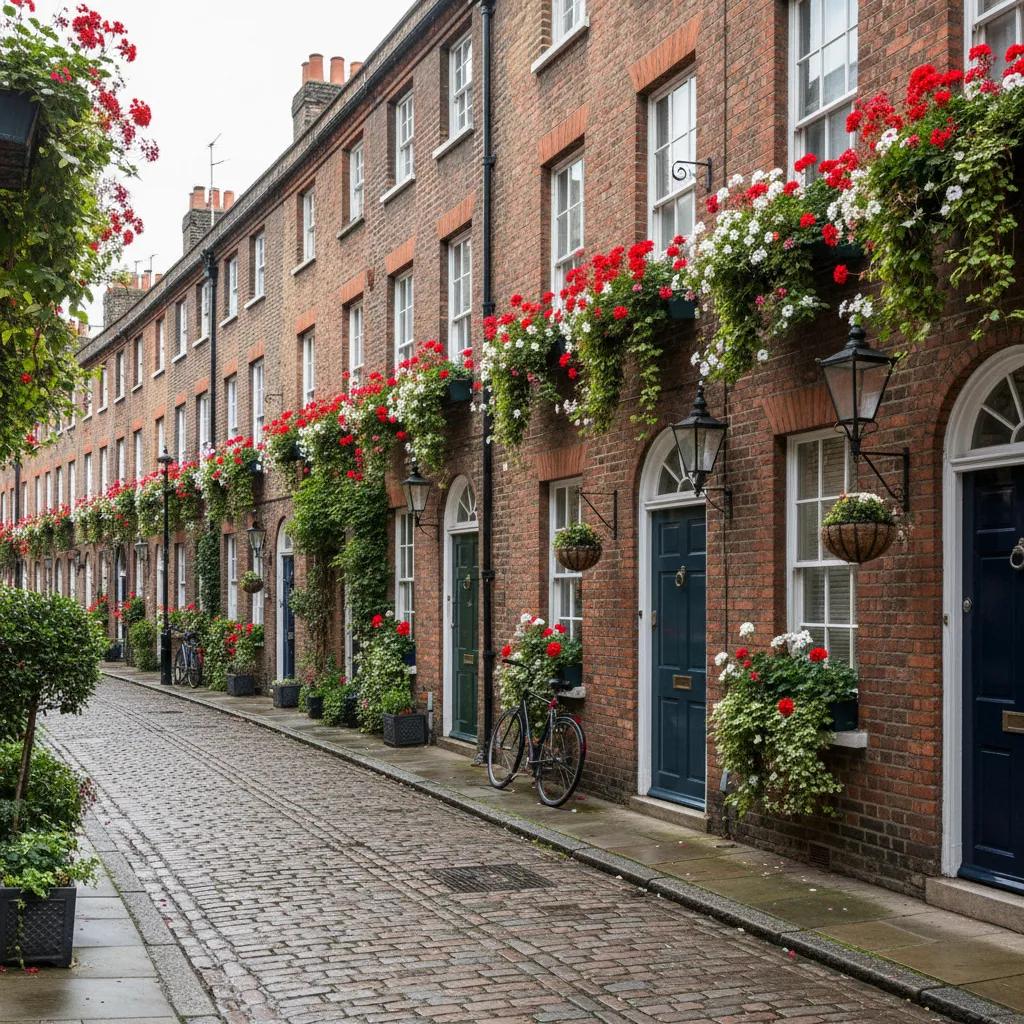
Wandering through Notting Hill mews exposes walkers to a delightful tapestry of exterior decoration and historic detail. Homeowners have embraced soft shades of powder blue, buttercup yellow, blush pink, and mint green across traditional lime-rendered brickwork. Front entrances frequently showcase gloss-painted stable doors, polished brass fittings, and wrought-iron carriage lamps mounted above lintels. Original structural elements remain visible upon closer inspection: decorative iron hayloft brackets, exterior stone loading sills, and ventilation grilles designed to cool stable interiors over a century ago. The visual harmony between rugged granite cobblestones and delicate pastel facades creates an enchanting backdrop for architectural appreciation.
Seeking Sanctuary Parallel to Bustling Market Thoroughfares
The geographic proximity of these serene mews to bustling street markets represents one of Notting Hill greatest urban ironies. On bustling market days, Portobello Road hums with thousands of antique hunters, street performers, and vintage clothing shoppers. Yet walking merely twenty paces eastward through an unassuming brick archway transports you into complete acoustic tranquility. The heavy masonry of enclosing terrace houses acts as a natural sound barrier, filtering out crowd clamor and traffic rumble. This immediate contrast provides walkers with a welcome mental pause, allowing you to recharge your senses before continuing through the neighborhood.
Practicing Respectful Etiquette and Mindful Photography
Because Notting Hill mews have gained considerable visual fame, practicing considerate pedestrian etiquette is paramount. These lanes are private residential homes where families live, children play, and people work from home offices. Visitors should never treat front doorsteps as photo booth props, sit on private planters, or peer through curtained ground-floor windows. If taking photographs, maintain a wide angle that honors the overall streetscape, cobblestone textures, and roofline silhouettes. Keep your pace unhurried and conversation muted, ensuring your presence honors the neighborhood peace rather than disrupting it.
Daylight Shifts, Wet Pavements, and Changing Seasons
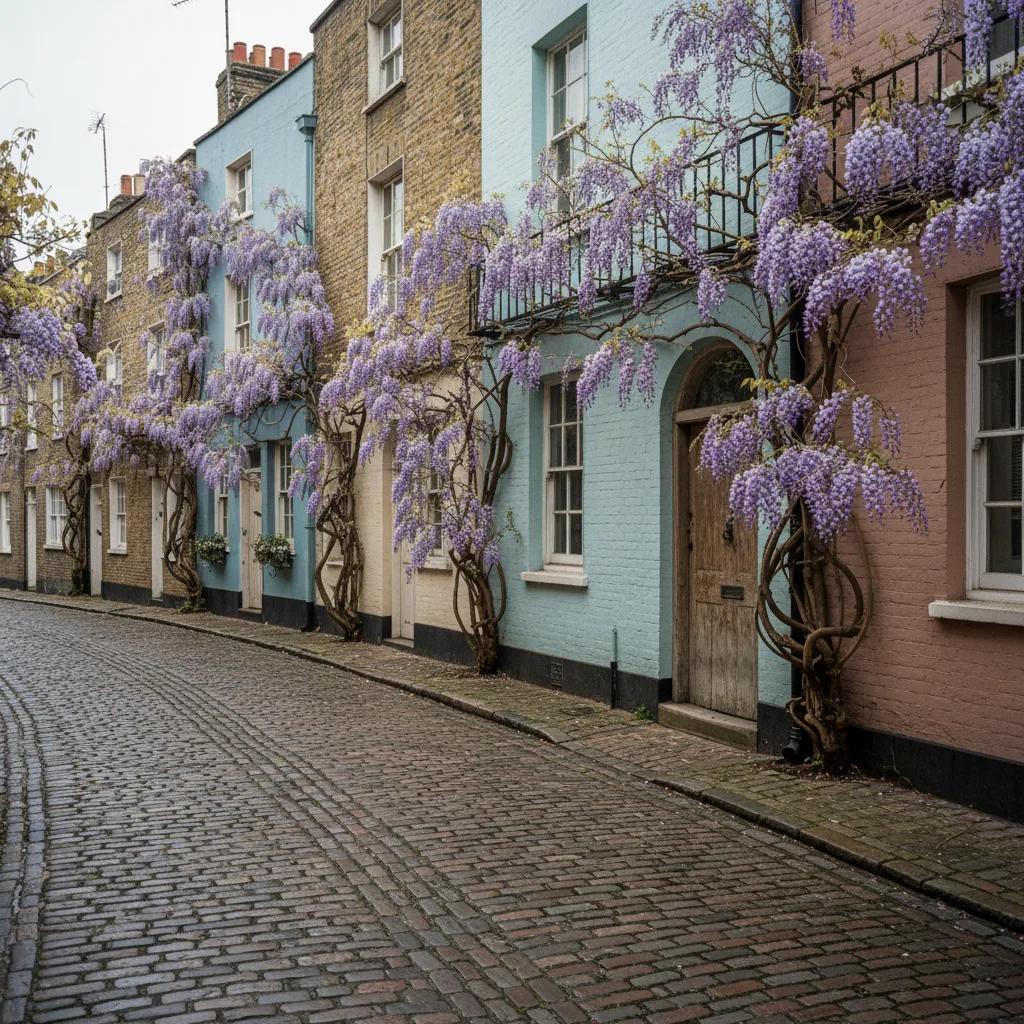
The visual character of Notting Hill mews changes markedly across different hours of the day and fluctuating weather patterns. Early morning light washes softly across west-facing pastel walls, bringing out subtle textures in lime plaster and hand-cut brickwork. On overcast or rainy afternoons, the wet cobblestones act like dark mirrors, reflecting the vibrant colors of overhead facades. Springtime brings cascades of purple wisteria clinging to iron balconies, while summer fills exterior pots with blooming hydrangeas and fragrant herbs. Each season reveals a fresh atmospheric dimension, making mindful walks rewarding regardless of London unpredictable skies.
Who Finds the Greatest Inspiration in Notting Hill Mews
This self-guided mews walk planner approach in Notting Hill resonates strongly with independent travelers who value neighborhood character over commercial spectacles. It delights photographers drawn to historic urban textures, writers seeking quiet contemplative routes, and travelers who enjoy discovering the quiet domestic corners that give London its unique village-like quality. Those seeking loud commercial entertainment, souvenir stalls, or fast-paced sightseeing will find little of interest in these quiet residential passages; however, visitors who appreciate historic preservation and tranquil urban aesthetics will discover enduring inspiration along every cobbled bend.
Realistic Observations on Walking Surfaces and Dead Ends
A successful stroll through Notting Hill mews benefits from understanding the physical layout of these historic lanes. Many of the most picturesque passages terminate in cul-de-sacs surrounded by two-story cottages, offering no through-access to adjacent avenues. Reaching a dead end is not an obstacle; it simply offers an opportunity to turn around and enjoy the reverse architectural perspective. The historic stone setts underfoot can be uneven, slick when wet, and challenging for wheeled luggage or high-heeled shoes. Wearing supportive flat footwear ensures you can explore comfortably without worrying about slipping on damp stone surfaces.
Connecting with Garden Crescents and Kensington Parks
A well-structured mews walk connects seamlessly with the wider green spaces and cultural landmarks of West London. After concluding your route through the mews lanes, you can stroll toward the communal garden crescents of the Ladbroke Estate. Continuing south leads toward Holland Park, where tranquil woodland paths, the Kyoto Garden, and open lawns provide expansive natural beauty. Heading eastward brings you toward the open parklands of Kensington Gardens, where the Round Pond and tree-lined avenues await. Weaving intimate carriage alleys between sweeping public parks creates a balanced, deeply satisfying walking itinerary.
Discovering Nearby Spots with Karpo APP
Once you finish your wander through Notting Hill mews and feel ready to seek out refreshments or nearby highlights, open Karpo APP. You can discover nearby artisanal bakeries, find quiet independent coffee spots along neighboring lanes, and browse local suggestions suited to your location. The app helps you discover what interesting places are nearby, giving you total freedom to choose your direction, set your own schedule, and explore London at your natural rhythm.
Mindful Reflections for an Enriching London Mews Journey
To absorb the true magic of Notting Hill carriage corridors, resist the urge to hurry from one picturesque spot to the next. Take time to appreciate small historic markers, such as original stable drain gullies carved into stone setts and iron rings embedded in brickwork. Notice how climbing plants frame arched garage doorways, turning simple utility structures into miniature garden sanctuaries. By wandering with curiosity, quiet respect, and an observant eye, you will experience the enduring residential heritage that makes London mews so beloved.
Ask Karpo for more information.
Keep reading
- Bloomsbury Mews Walk Planner: Literary Brick Passages
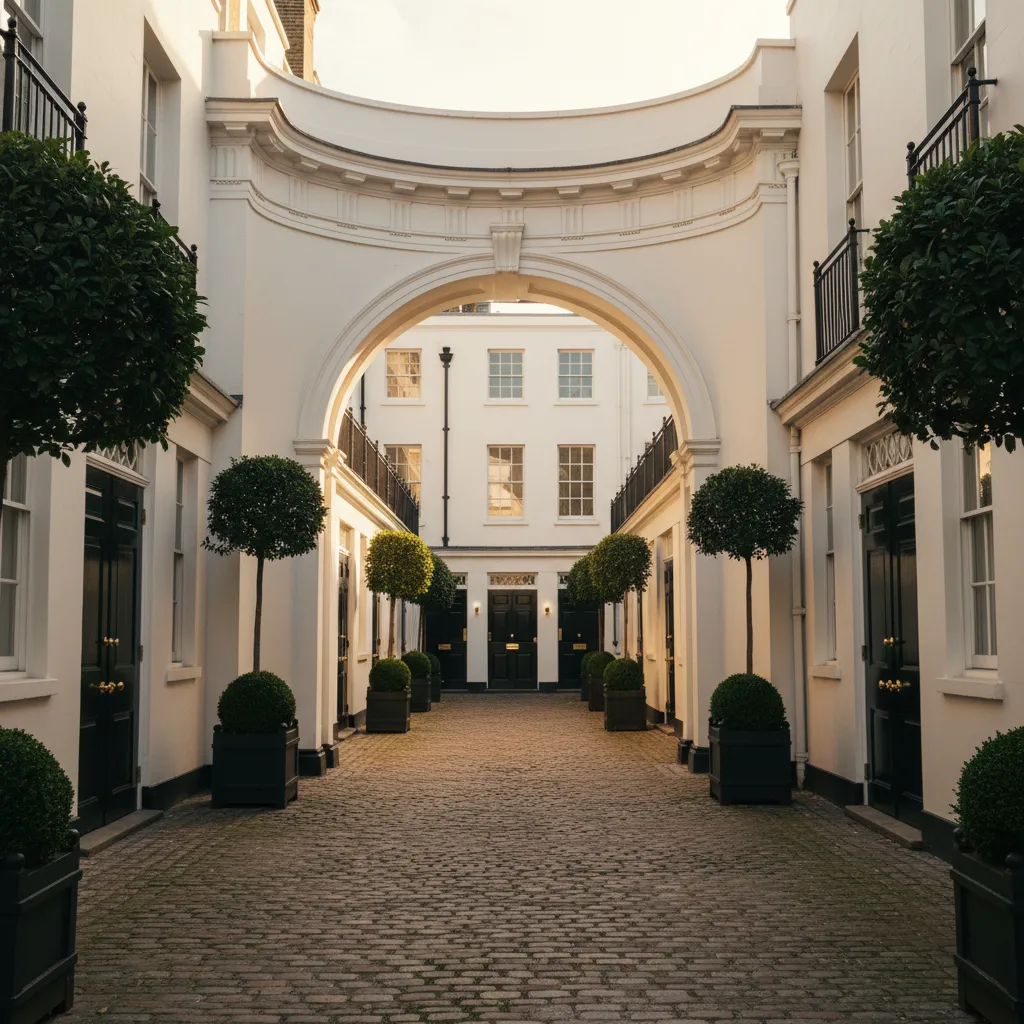 Belgravia Mews Walk Planner: Stucco Arches and Alleys
 Marylebone Mews Walk Planner: Brick Archways and Cottages