 Bloomsbury Mews Walk Planner: Literary Brick Passages
Neighborhood Guides
London Urban Nature Oasis Walk Across Notting Hill Loop
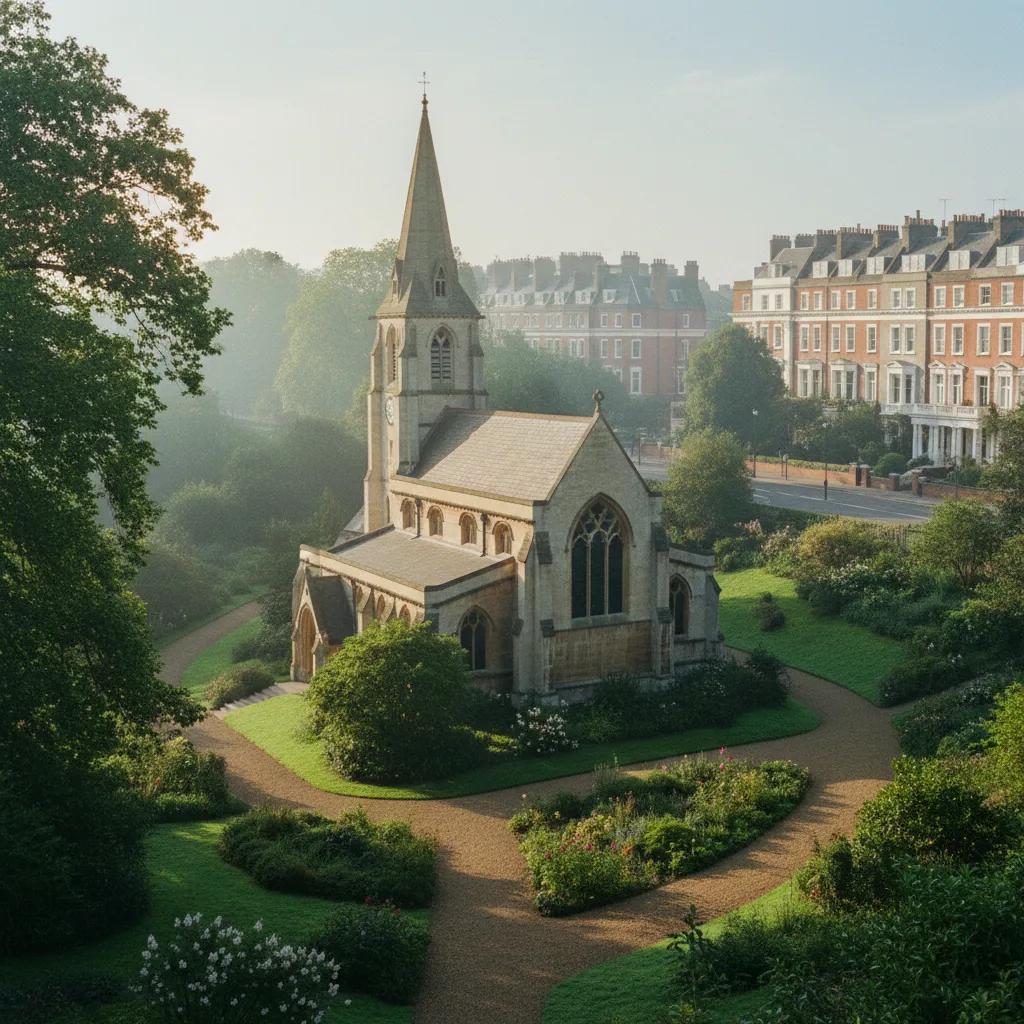
Explore hilltop church gardens, canal wildlife corridors, and floral community parks on this restorative urban nature oasis walk in Notting Hill.
Notting Hill is internationally renowned for pastel-hued Victorian townhouses and vibrant antique stalls along Portobello Road, yet this western London quarter also conceals remarkable verdant sanctuaries. Stepping just moments off crowded shopping avenues brings you into elevated churchyard groves, community canal-side wildlife reserves, and Victorian floral meadow parks. Following this scenic London urban nature oasis walk connects four distinctive green refuges across an easy two-mile pedestrian circuit, highlighting how varied botanical landscapes enrich one of the capital's most creative neighborhoods.
Elevated Canopy Views at St John's Church Grounds
Begin your morning nature exploration at the summit of Notting Hill, visiting St John's Church, at 1 Lansdowne Crescent, London W11 2NN. Consecrated in 1845, this neo-Gothic stone landmark occupies the highest natural ridge in Kensington, surrounded by historic communal garden crescents and mature lime trees. The elevated churchyard grounds offer quiet gravel pathways bordered by climbing English ivy, flowering wisteria, and deeply rooted London plane trees.
Gentle morning breezes sweep across the hill ridge, carrying fresh arboreal scents while filtering bright sunlight through the upper leafy canopy. Sturdy wooden benches placed along the perimeter path offer sweeping vistas over surrounding Victorian terracotta rooftops and secluded private garden enclosures. Local writers and pet owners regularly pause here during morning strolls, appreciating an atmosphere of undisturbed residential peace.
The surrounding gardens support thriving bird populations, with European greenfinches and great tits frequently heard calling from high branches. Walled borders featuring seasonal herbaceous plantings transition smoothly into native wild corners, creating valuable ecological corridors across central Kensington. The church grounds are open free to the public daily from 8:00 am until dusk, offering an inspiring natural starting point.
Canal-Side Ecological Sanctuaries at Meanwhile Gardens
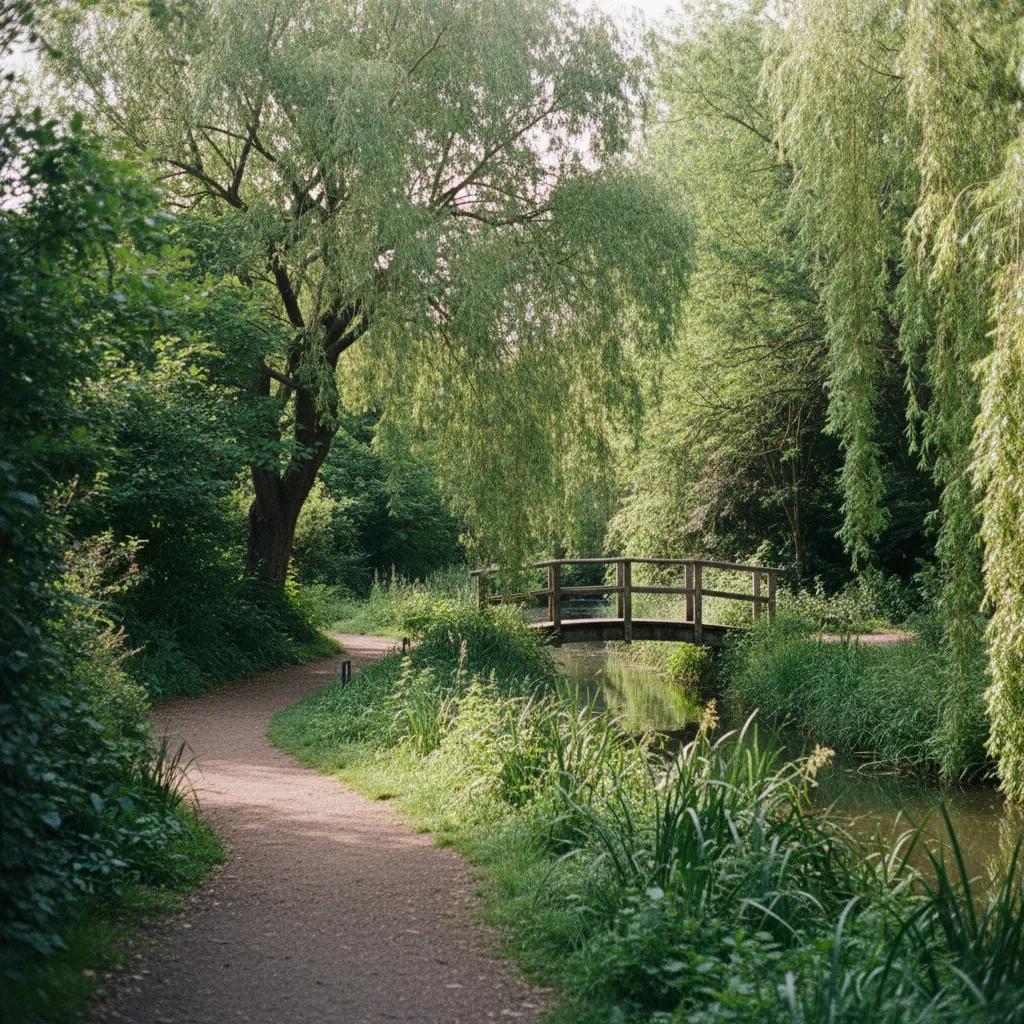
Descend northward from Lansdowne Crescent via Ladbroke Grove toward the Grand Union Canal, entering Meanwhile Gardens, at 156-158 Kensal Road, London W10 5BN. Established as a pioneering grassroots community garden in 1976 by local activist John Cowper-Coles, this four-acre public park spans the southern bank of the canal. What was once derelict industrial land has evolved into a thriving wildlife haven complete with natural ponds, woodland groves, and sensory herb beds.
Wandering the meandering earth trails through the northern meadow section reveals weeping willows, native hazel copses, and flourishing beds of bullrushes bordering the water's edge. A dedicated wildlife pond features freshwater lilies, dragonflies, and breeding moorhens that nest safely among protective reeds. The contrast between gently drifting canal narrowboats and quiet woodland understory provides an immersive, tranquil escape from urban activity.
Volunteer teams manage a community play garden, an organic vegetable allotment, and a skate park thoughtfully separated by dense evergreen hedgerows. Strollers frequently sit on rustic timber log benches overlooking the canal water, watching swans glide smoothly past leafy overhanging branches. Meanwhile Gardens remains completely free and open to the public daily throughout daylight hours, embodying the enduring power of community ecological stewardship.
Restored Floral Meadows Across Avondale Park
Depart the canal walking south down Ladbroke Grove and turn west into Avondale Park, located at 1 Walmer Road, London W11 4EY. Created in 1892 from former clay extraction pits, this four-acre municipal park represents a landmark in Victorian urban park design. Most notably, it is home to Britain's first public floral lawn, established in 2000 to replace traditional manicured turf with native flowering turf perennials.
The unique floral meadow lawn contains over twenty-five species of native low-growing wildflowers and aromatic herbs, including wild chamomile, clover, and creeping thyme. Walking along the perimeter stone walkway allows visitors to admire changing floral colors from buttercup yellow in spring to deep purple knapweed in late summer. Fragrant herbal scents rise noticeably as warm afternoon sunshine heats the living turf tapestry.
The perimeter of Avondale Park is anchored by heritage London plane trees, flowering cherry avenues, and well-maintained perennial borders bordered by traditional cast-iron park benches. Local families and neighborhood seniors gather along the sunny paths to read, converse, or watch birds bathing in the ornamental fountain. The park gates open free to pedestrians daily from 7:30 am until dusk, offering a delightfully restful mid-walk pause.
Urban Rewilding Along the Westway Green Corridor
From Avondale Park, head north along St Mark's Road toward the elevated A40 flyover to explore the Westway Green Corridor, near 1 Thorpe Close, London W10 5XL. In recent years, community organizations and urban rewilding advocates have transformed the concrete undercroft and adjacent pedestrian plazas into an innovative linear green space. Living green walls covered in Boston ivy, raised timber planter boxes, and native climbing jasmine soften brutalist flyover pillars.
Wandering along Thorpe Close toward Portobello Road reveals how vertical gardening and pollinator planting can flourish within challenging infrastructural environments. Raised timber beds overflow with drought-tolerant lavender, rosemary, and seasonal sunflowers that attract central London pollinators throughout sunny afternoons. The sheltered overhead canopy protects pedestrians from sudden rain showers while maintaining an airy, well-ventilated walking environment.
Informal timber seating arrangements encourage passersby to rest their feet while admiring dynamic community murals framed by lush climbing greenery. This modern rewilding initiative connects seamlessly with Portobello's pedestrian market street, demonstrating how innovative urban nature planning integrates with historic neighborhood commercial life. The linear corridor remains free and accessible 24 hours daily, offering an imaginative finale to this Notting Hill circuit.
Practical Walking Advice and Public Transit Access
This engaging two-mile circular walking route can be completed comfortably in roughly eighty to ninety minutes at a relaxed, unhurried pace. Notting Hill Gate Station on the Central, District, and Circle lines provides direct transit access to the southern hilltop starting point. Ladbroke Grove Station and Westbourne Park Station on the Hammersmith & City line provide convenient northern exit points along the route.
Early morning between 8:30 am and 10:30 am is the most serene time to explore these garden spaces, especially on market days when Portobello Road becomes increasingly crowded by noon. The entire itinerary follows flat, well-paved sidewalks and established park gravel trails easily traversed in comfortable walking shoes. Bringing a reusable water bottle and taking time to sit quietly in each enclave offers a restorative appreciation of West London's rich green heritage.
Ask Karpo for more information.
Keep reading
- Bloomsbury Mews Walk Planner: Literary Brick Passages
 Belgravia Mews Walk Planner: Stucco Arches and Alleys
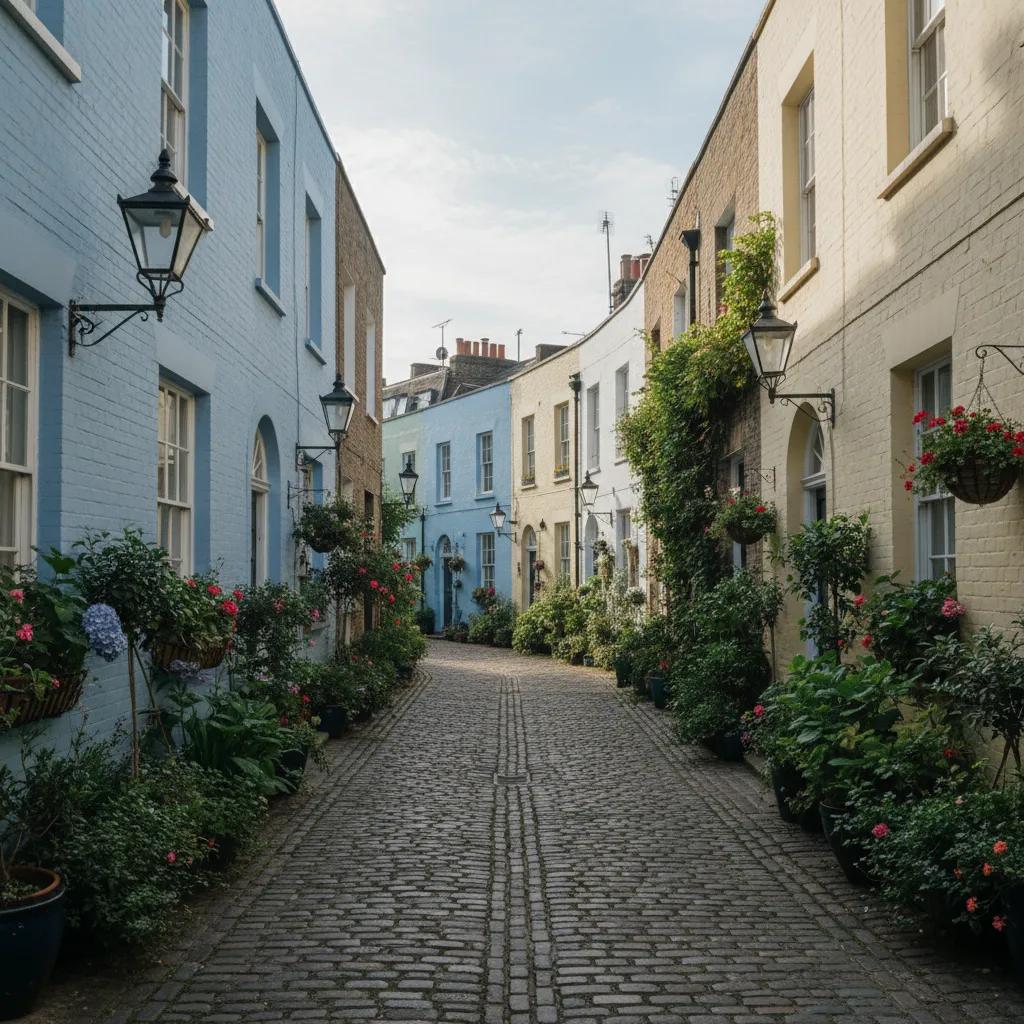 Notting Hill Mews Walk Planner: Quiet Painted Lanes