 Bloomsbury Mews Walk Planner: Literary Brick Passages
Neighborhood Guides
London Transit Station Pitstop Finder: 20-Minute Tea Plan
Plan a short London station tea stop in Karpo by budgeting the outward walk, ordering and return, with a clear cutoff that keeps the next journey first.
A 20-minute station break needs a return budget before it needs a tea recommendation. Use a transit station pitstop finder in London by giving Karpo your station, the time you must be back and one thing you want from the stop. The useful outcome is a small choice you can act on, with enough room to abandon it. Twenty minutes in this example is your chosen planning window, not a promise about a station, a cafe or a queue.
Divide the window before choosing the cup
Write down the moment you are ready to leave the station area and the moment you need to return. Those are different from a train's scheduled arrival and departure. Getting off a service, finding the street and reaching the next platform all take part of the interval. If you cannot describe where the free period begins, start with that uncertainty. A recommendation based on time you do not actually have is a poor recommendation however appealing the tea sounds.
For an illustrative 20-minute allowance, reserve six minutes for returning and reaching the agreed station point. Allow four for the outward walk and six for ordering and drinking. That leaves four minutes of slack. These numbers are a worked example rather than measured London journey times. Replace them with a map route and your own pace. If the outbound walk takes longer, take that extra time from the visit, rather than quietly spending the return allowance twice.
Give Karpo a narrow request
Open the Karpo APP and ask: "I have 20 minutes outside my London station before I need to return. Suggest a tea stop with a short walk, and explain the tradeoff between sitting down and takeaway. I want one main option and one simpler fallback." Add the station name and the day of your trip. If you already know which street you will emerge onto, include it. That starting detail is more useful than a broad request for tea across central London.
Keep your preference concrete. Perhaps a warm drink is essential but a pastry is optional, or you want to sit for five minutes rather than explore a celebrated cafe. Say which one wins. Asking for the nicest tea, comfortable seating, a famous bakery and a scenic stroll creates several competing errands. A short stop works when one benefit is enough to make it worthwhile. Use the conversation to narrow the choice until you can explain its purpose in a single sentence.
Compare the whole loop
Read a suggested place as one part of an outward-and-return loop. Open its location in a walking map and look at the route from your actual starting point. Distance to the station building alone does not settle the question. The entrance you are using, the side of the road and the point where you need to rejoin your journey all belong in the comparison. Treat any walking estimate as an estimate that still needs to fit your personal time allowance.
Compare a seated tea and a takeaway on the same basis. A chair offers a more complete pause, while carrying a drink removes the need to finish it at the table. Neither choice automatically takes less time to buy. Ask Karpo to summarize what each option gives you, then use the venue's own information for its service details. A conversational suggestion helps you decide what to investigate; it does not tell you how many people are waiting at the counter right now.
Set a visible cutoff for the queue
Decide your latest ordering moment while you still have time to walk away calmly. In the example budget, a four-minute outward walk would bring you to the stop with sixteen minutes remaining. If the counter has not taken your order after the slack is spent, the visit loses its margin. You can make the rule simpler: "If I cannot place an order by my cutoff, I return." This is a personal decision rule, not an estimate of a shop's service speed.
Skip a second cafe hunt after the first option fails. Spending the fallback time searching another street recreates the original problem with less time available. A useful alternative can be returning without tea and taking the break after your onward journey. If you want a takeaway backup, identify it during the initial comparison and keep it on the return side of the route. The backup should reduce decisions rather than give you another place to evaluate under pressure.
Keep the drink separate from the onward trip
Choose a manageable order for the time and carrying space you actually have. A hot drink, an extra food item and a bag you cannot close can turn a pleasant purchase into an awkward platform journey. Explain these practical limits in your request if they matter. You can prefer a smaller order without making unsupported claims about cup sizes or what any named venue serves. Menu choices and prices come from the provider's published menu, rather than from this planning example.
Consider the rules of the next setting before buying something to carry. A workplace, event or transport operator can have its own conditions for food and drink. Where that affects your decision, use that provider's information and choose accordingly. Do not treat a recommendation to buy tea as permission to take it everywhere. If finishing the drink is essential, keep drinking time inside the stop budget instead of assuming the next leg of the journey will absorb it.
When a longer walk is actually worthwhile
If you later find you have forty minutes instead of twenty, revise the request explicitly. Tell Karpo what changed and whether the extra time is genuinely free or still includes another obligation. You might use it for a seated stop, or simply keep a larger margin. There is no need to spend every additional minute. The right adjustment depends on what you wanted from the break, rather than on making the route more elaborate because time has appeared.
A short neighborhood walk can be the main pleasure if tea was only a reason to step outside. In that case, say so and ask for a simple walking idea near the station area. Keep the turnaround visible and avoid combining it with a purchase you must complete. A loop chosen for enjoyment has a different success condition from a drink errand. Making that distinction early prevents a missed cup from feeling like a failed break.
Practical Notes
Keep three pieces of information together: your departure point, your return deadline and the cutoff for ordering. A simple note on your device is enough. Add a spending ceiling if you want Karpo to narrow food and drink suggestions by budget, but distinguish your ceiling from a quoted menu price. There is no advertised tea price, guaranteed seat or timed service offer in this example. The only fixed quantities are the limits you choose for your own trip.
Finish the conversation with a decision rather than a longer list: one place to consider, the reason it fits and what makes you abandon the detour. Use the transport operator's journey information for the next service and the venue's own page for its offering. Karpo's role here is helping frame a local recommendation. Your return rule turns that recommendation into a usable pitstop, including the entirely reasonable outcome of keeping the journey moving and having tea later.
Ask Karpo for more information.
Keep reading
- Bloomsbury Mews Walk Planner: Literary Brick Passages
 Belgravia Mews Walk Planner: Stucco Arches and Alleys
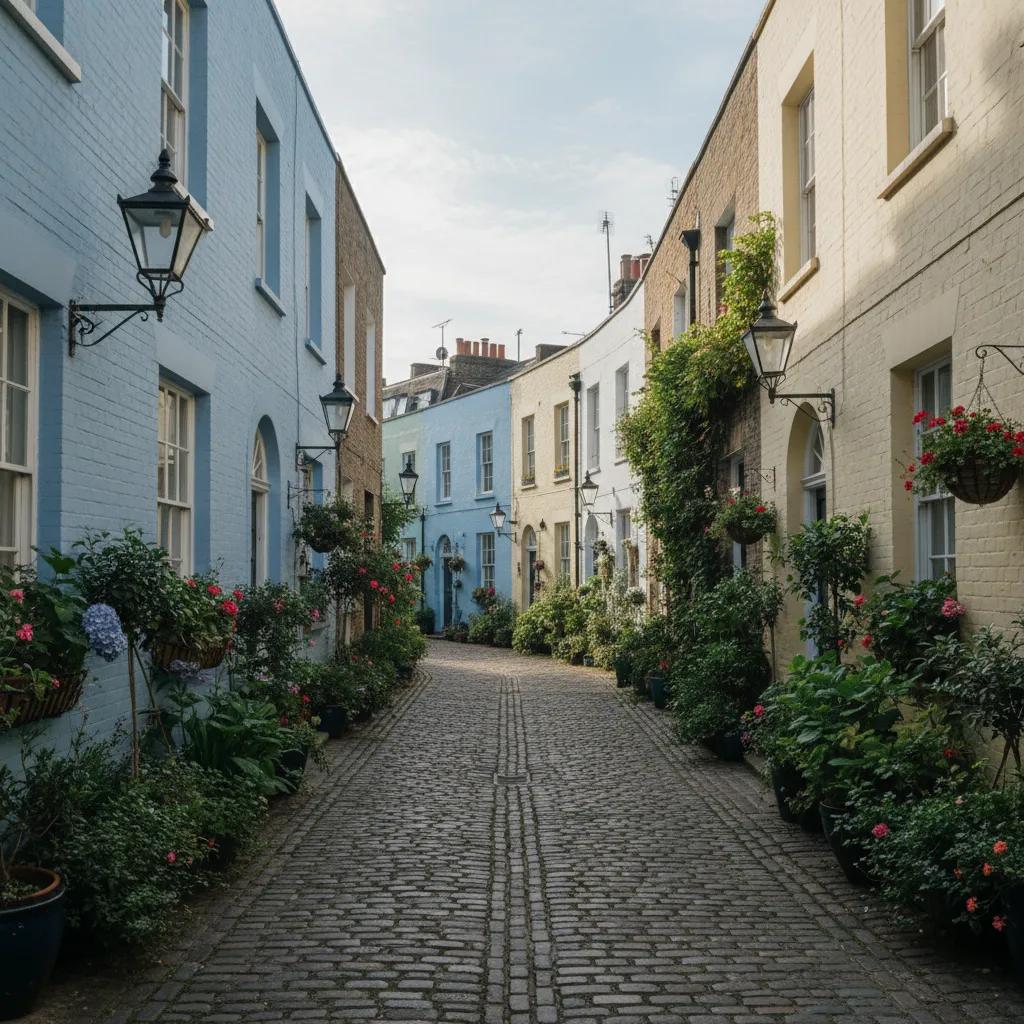 Notting Hill Mews Walk Planner: Quiet Painted Lanes