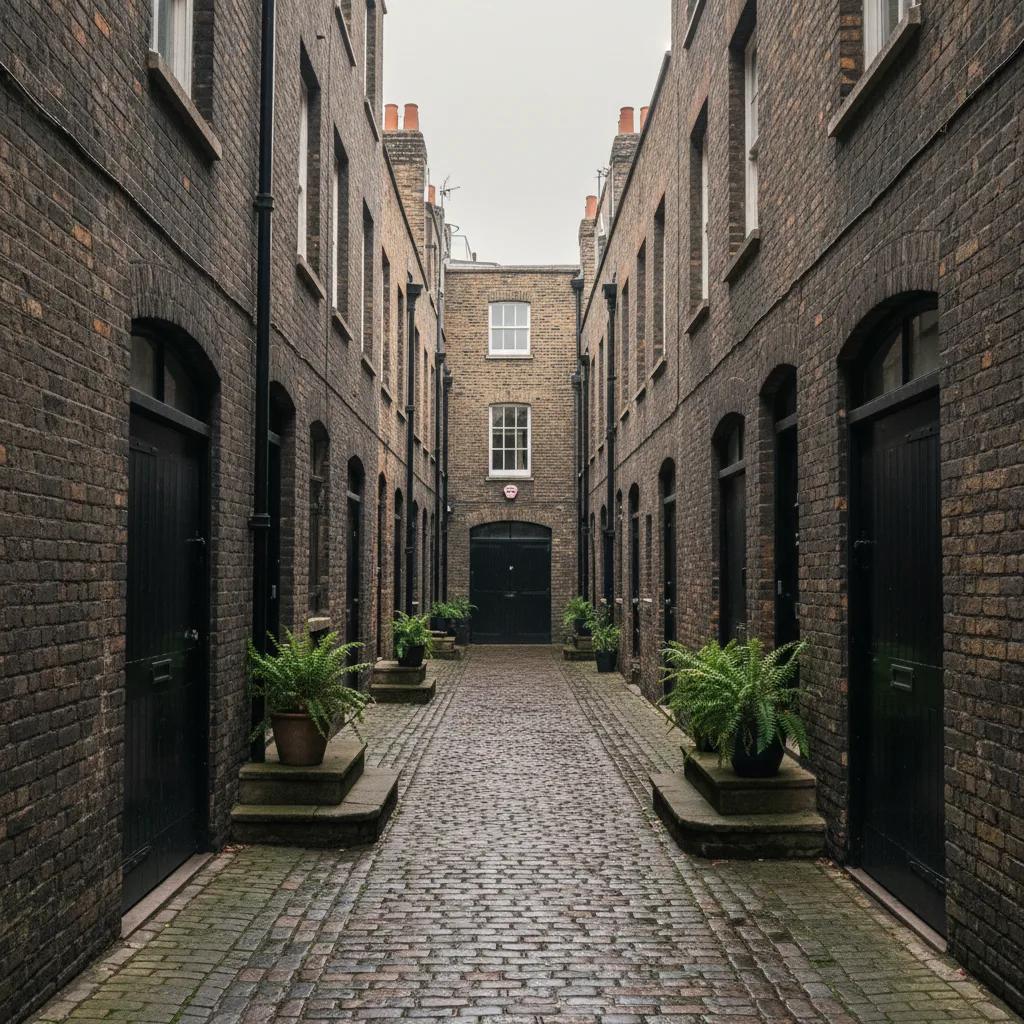
 Bloomsbury Mews Walk Planner: Literary Brick Passages
Neighborhood Guides

London Transit Station Pitstop Finder: 3 Quiet Choices
Choose a calmer London station pause by naming the activity, limiting the shortlist and keeping a direct return, with three ways to define a useful break.
A quiet station pause starts with deciding what quiet means: fewer voices, somewhere to sit, or simply no extra decisions. A London transit station pitstop finder brief works better when it names one of those needs. Give Karpo your starting station and your next commitment, then ask for a small shortlist suited to that need. The three choices here are planning categories, not claims that a particular cafe has empty seats or a measured noise level.

Choose between conversation, reading and recovery
A table for a conversation has different requirements from a place to read alone. For conversation, hearing the other person matters more than having a view. For reading, a stable surface and a seat may matter more than a large menu. For a recovery pause, you might prefer to buy nothing and shorten the excursion entirely. Name the activity first. Otherwise, a request for a quiet place can produce attractive suggestions that solve the wrong problem.
Consider three possible briefs: somewhere to finish ten pages, somewhere to talk without raising your voice, or somewhere to sit briefly before continuing. Ten pages is your own goal, not a measure of how long a venue lets customers stay. Each brief makes the tradeoff visible. A reading stop may tolerate slow service, while a short conversation may need a very simple order. A recovery stop might be best kept near the route you already understand.
Use the station as a starting point
Start the conversation in the Karpo APP with the station name as you know it and the direction you plan to continue. Add whether you have already left the paid area. These are details you supply, rather than a promise that the app knows your exact position. If you are unsure which side of a station you are on, avoid selecting a place based only on a short distance in a recommendation. Establish your starting point first.
A useful sample request is: “I am near my London station and want a calm place to read before my next journey. Suggest a couple of options with straightforward returns, and explain the tradeoffs.” Add your actual station to that request. Karpo's public introduction describes asking for local food and outing ideas in London. Use that conversational role to narrow possibilities. Treat a suggestion as a candidate to assess, with your own route and time limits still in charge.
Separate atmosphere from evidence
Words such as cosy, relaxed and tucked away describe an impression. They do not establish a decibel reading, a free table or permission to work. When a recommendation relies on those words, ask what concrete details support the description. A small dining room, background music and counter seating can affect your choice in different ways. Missing information should remain missing rather than being translated into a reassuring claim that the space will be silent when you arrive.
Ask for fewer options once your priority is clear. Two meaningfully different candidates are easier to weigh than a long list of places described with the same adjectives. You might compare a seated drink stop with a shorter takeaway break. The first is useful only if you can settle comfortably, while the second preserves flexibility. Neither is inherently quieter. Your judgment depends on the conditions in front of you, and on whether the suggested stop still serves the original purpose.
Protect a pause from becoming a project
Set a personal time limit for choosing as well as for visiting. For example, a reader might allow five minutes to decide, fifteen for the pause and ten to return and get ready. Those thirty minutes are an invented personal allocation for this article, not researched journey times. If selecting a place consumes most of the first portion, reduce the plan. You do not have to compensate for lost decision time by rushing through the street or shrinking the return margin.
A quiet break loses its value when every detail becomes another task. Skip a second stop, a complicated order or a route that requires several uncertain turns. That recommendation follows from the purpose of this particular outing: lowering effort. Someone planning an evening with no deadline could make a different choice. For a station pause, a modest option you understand is often more useful than a more atmospheric possibility that adds navigation, ordering and seating questions all at once.
Read the room before committing
Arrival is a decision point. Look for whether the space fits the activity you named, whether there is somewhere appropriate to sit and whether your order is easy to make. If you want a table, follow the business's seating and ordering instructions. Buying a drink does not establish a right to occupy any seat for any duration. A book, laptop or bag should not claim another person's place, especially when the room is already busy.
Keep the fallback connected to the same need. If a calm reading corner is unavailable, shorten the break or continue the book later. Do not automatically replace it with a louder stop simply because you already walked there. For conversation, a brief walk together may suit you better than competing with music. These are choices you make on arrival. They do not depend on Karpo observing the room, predicting customers or reserving a suitable table ahead of you.
Let a small walk remain optional
If you want a little fresh air before returning, make the walk an optional extension after the main pause. Pick a direction you can reverse easily and keep sight of how it connects with your starting route. This article does not assign an exit number, a particular lane or a measured loop. Those details belong to the actual station and your own location. A pleasant detour is useful only while it remains subordinate to the next journey.
Avoid turning a quiet-stop request into a complete neighbourhood itinerary. The more destinations you add, the more the break depends on timing and navigation working perfectly. A single place followed by a direct return gives you a clearer choice about when to leave. If you discover a promising street or shop along the way, save the idea for a less constrained visit. Discovery can be the result of a short pause without becoming another obligation to fulfil immediately.
Practical Notes for a calmer return
Write the brief around four pieces of information: your station, the activity that needs calm, your personal return deadline and what you can give up. Keep your deadline somewhere you can see without repeatedly reopening a conversation. Any suggested place still needs to make sense from your actual position. Transport service information and platform decisions belong with the operator's information and signs, while a venue's own staff explain its ordering or seating arrangements.
Finish with a decision you can express in one sentence: one candidate, one reason it fits and one reason to leave it. That sentence is a useful result even when you decide against making the stop. Karpo helps start the local-ideas conversation, and your brief gives it direction. The successful quiet pause is the one that leaves you less distracted when you continue, whether it included a table, a takeaway drink or simply a smaller plan.
Ask Karpo for more information.
Keep reading
- Bloomsbury Mews Walk Planner: Literary Brick Passages
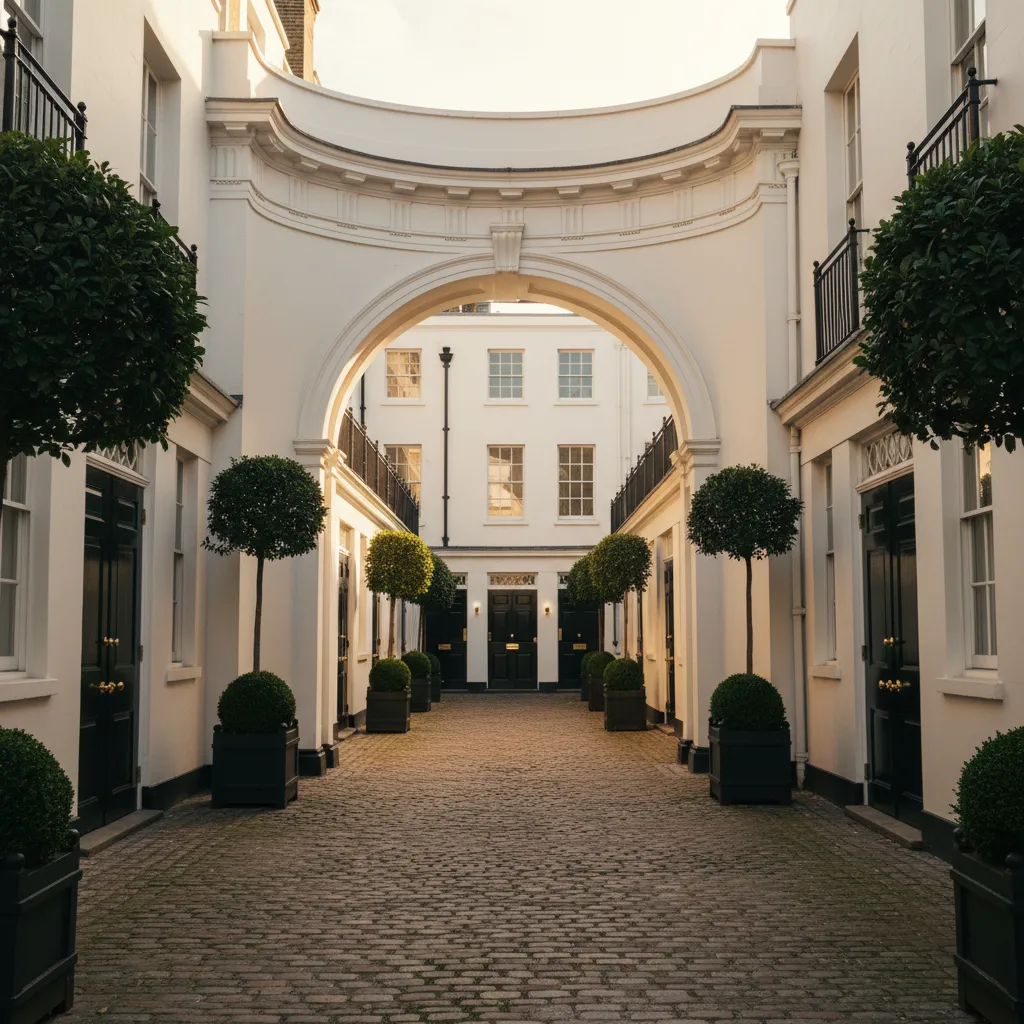 Belgravia Mews Walk Planner: Stucco Arches and Alleys
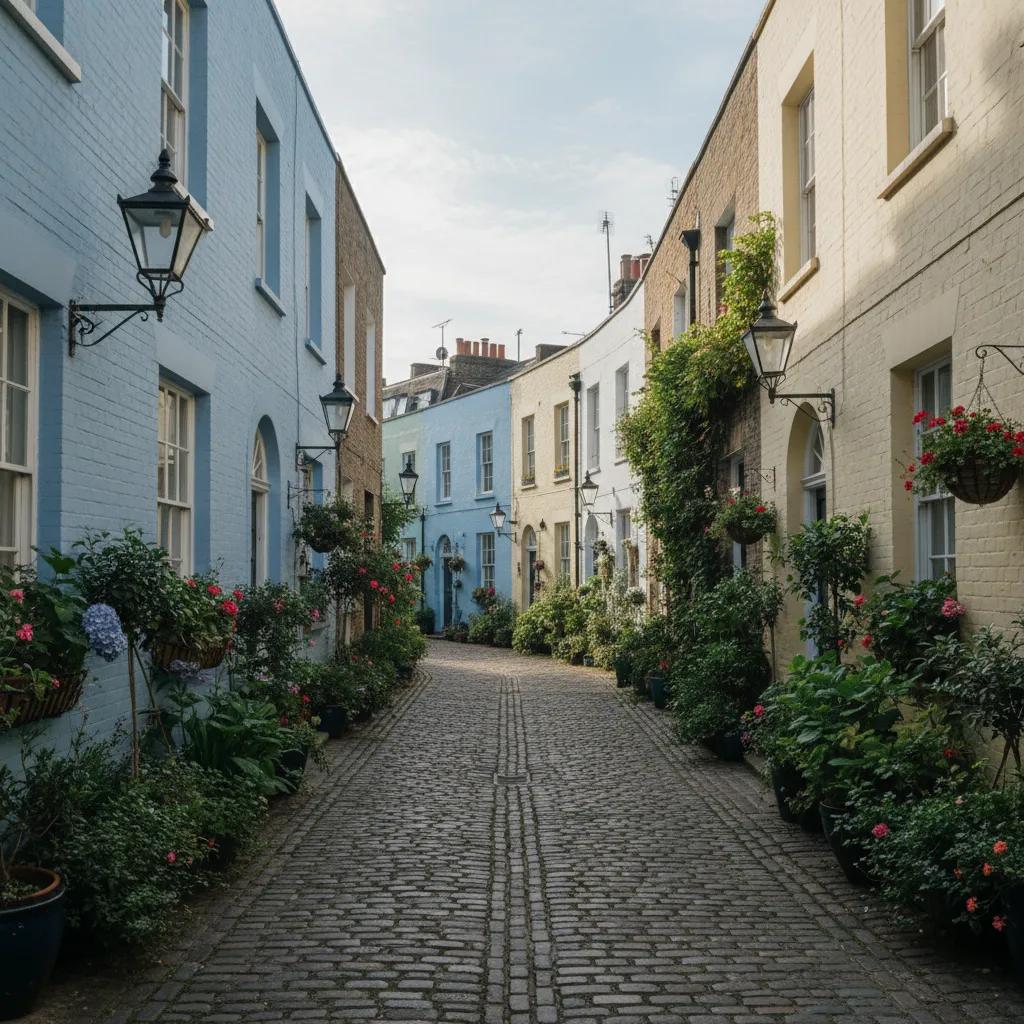 Notting Hill Mews Walk Planner: Quiet Painted Lanes