 Bloomsbury Mews Walk Planner: Literary Brick Passages
Neighborhood Guides
London Transit Station Pitstop Finder: Meet at 1 Exit
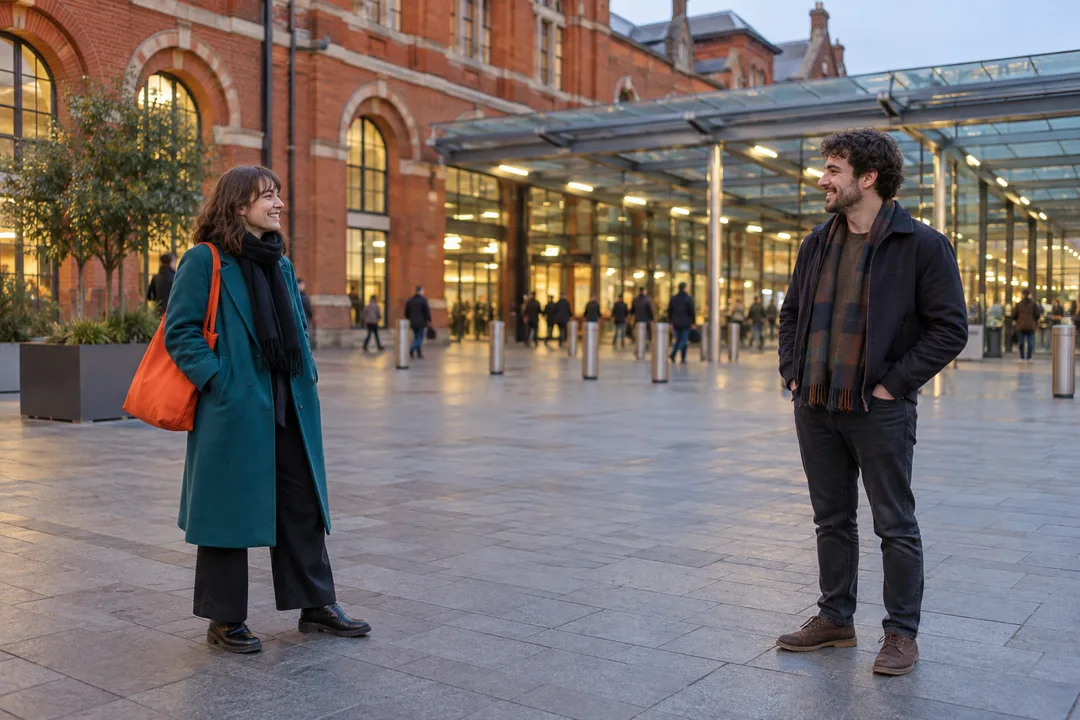
Arrange a London station meetup in Karpo by choosing one shared meeting point before comparing pitstops, so different arrivals follow the same simple plan.
Choose one shared meeting point before choosing a station pitstop with friends. A London transit station pitstop finder can help you look for somewhere to pause once you know where everyone will start, but it cannot make "outside the station" an unambiguous instruction. Agree one exit or another clearly identified point, then give Karpo the group's needs. The payoff is a single plan that people arriving by different routes can follow, with less wandering and fewer messages about which side anyone means.
Define the meeting in words another person can use
Name the station fully and distinguish it from any similarly named destination in the conversation. If you know the exit you intend to use, share the exact label you have found in the operator's information or on site. Do not invent an exit letter or assume a remembered landmark is still a useful meeting point. The best instruction is one your friend can recognize independently. It should tell them where to go without requiring them to reconstruct the walk you already made.
Agree whether people should stay at that point or head onward to the stop individually. These are different arrangements. Meeting first reduces the number of locations to coordinate, while going directly to a venue can be convenient when everyone already knows it. Choose the approach before anyone leaves their train. A message saying "we will meet and decide" should not quietly turn into "I have gone to a cafe" while another person is trying to find you at the agreed point.
Put the group into the Karpo brief
Ask in the Karpo APP: "We are meeting at one agreed point near a London station, then want a short food or drink stop together. Suggest a small choice for three people, with an easy walk from that point. One person has an onward departure, so we need a clear end to the pause." Supply the meeting point and time window. You are asking for local recommendations tailored to a group, rather than for a shared location feed or automatic coordination service.
Mention the constraints that belong to specific people. A friend arriving with luggage may need less walking, while someone finishing work might need food instead of a drink. The person with the earliest departure sets a different limit from the person who can linger. Ask everyone for essentials, then choose one priority the group can support. There is little value in recommending a longer outing that only works for the two people who have no train to catch afterward.
Agree what happens if an arrival slips
Choose a waiting rule that does not strand anyone between locations. For example, you can agree to remain at the meeting point until a stated time, then send one clear message if the plan changes. The particular time comes from your group. It is not a station rule or a prediction of delays. A late traveler should be able to read the latest arrangement in one place rather than infer it from a chain of crossed messages about several cafes.
Avoid asking a recommendation tool to solve missing communication. If a friend has not said which station entrance they are using, a longer shortlist will not settle that fact. Resolve the person-to-person question first. Then update the Karpo request if the starting point changes. Keeping those tasks separate makes the result more reliable: the group owns its meeting agreement, and the recommendation conversation helps choose what to do after that agreement is clear.
Compare from the shared point
Look at routes from the meeting point rather than from the center of a station symbol on a map. A venue that suits one arrival direction may create an unnecessary detour for the whole group. Compare the complete movement to the stop and onward, including the return for the person who must leave first. Use walking directions to understand the options and the transport operator's information for station details. The map comparison should use the place where the group will actually stand together.
If two candidates offer similar benefits, choose the one with a simpler explanation. "We meet here and walk together" can be more useful than shaving a small estimated distance off a route with several decisions. This is a judgment about the group's convenience, not a claim that any named London street is hard to navigate. The point is to reduce what friends need to remember while arriving separately. A plan people understand is more likely to stay comfortable when someone is a little late.
Decide how the pause ends
Set the end of the gathering around the earliest obligation. Suppose one traveler wants fifteen minutes to return and get ready for their next leg. Treat that as their personal allowance and subtract it before choosing how long to sit. Do not call the end of the cafe visit the departure time. Paying, gathering belongings and saying goodbye are part of leaving too. The useful deadline is when the traveler begins moving toward the next part of their journey.
Make it easy for the others to stay if they want to. The group can agree that the person with the train leaves at the planned time while friends finish their drinks. That removes the need to renegotiate the whole afternoon at the table. It also changes which route matters: the onward traveler should understand their return independently. Do not assume someone else will walk back with them unless that is part of the actual agreement.
Avoid turning a meetup into a search party
Skip a chain of replacement venues if the first idea does not work. Choose a backup before the group sets off, or agree that you will keep the gathering short and continue elsewhere later. A backup can be a different format, such as a takeaway pause rather than a table, provided the group is comfortable with it. There is no benefit in calling a place the fallback if reaching it sends people back across the area they just walked through.
Once everyone arrives, take a moment to restate the plan aloud. Friends may have read different parts of a message thread or joined the discussion late. A simple explanation of the stop, the walking choice and the end time is enough. This is especially useful when the conversation was organized by one person. The others should understand why the choice fits their constraints, rather than merely follow a pin without knowing when they need to be somewhere else.
Practical Notes
Keep the agreed point, meeting time, latest waiting time and onward deadline together. Add group size and the main food or drink preference to the recommendation request. A venue's menu, access details and table arrangements remain provider information. This example does not reserve seats or track anyone's arrival, and the meeting point is chosen by your group. Karpo provides a conversational starting point for local ideas after those practical decisions have been made.
A successful station meetup can be brief. It might be a shared drink, a small meal or simply a chance to talk before people travel in different directions. Judge the plan by whether everyone could find it and enjoy the time they had. Ask Karpo for a narrow local choice, communicate the meeting agreement directly and finish with one place the group understands. That gives a casual pause enough structure to work without turning it into a complicated itinerary.
Ask Karpo for more information.
Keep reading
- Bloomsbury Mews Walk Planner: Literary Brick Passages
 Belgravia Mews Walk Planner: Stucco Arches and Alleys
 Notting Hill Mews Walk Planner: Quiet Painted Lanes