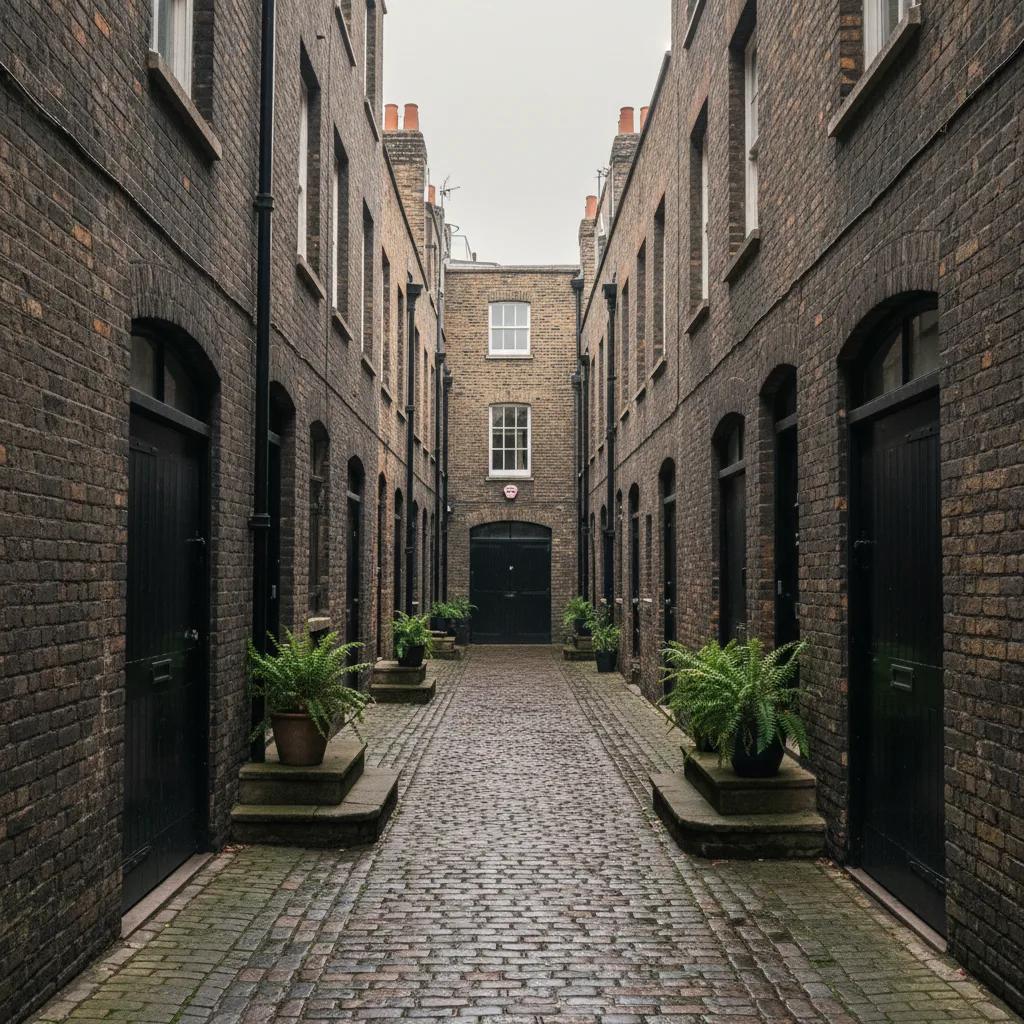
 Bloomsbury Mews Walk Planner: Literary Brick Passages
Neighborhood Guides
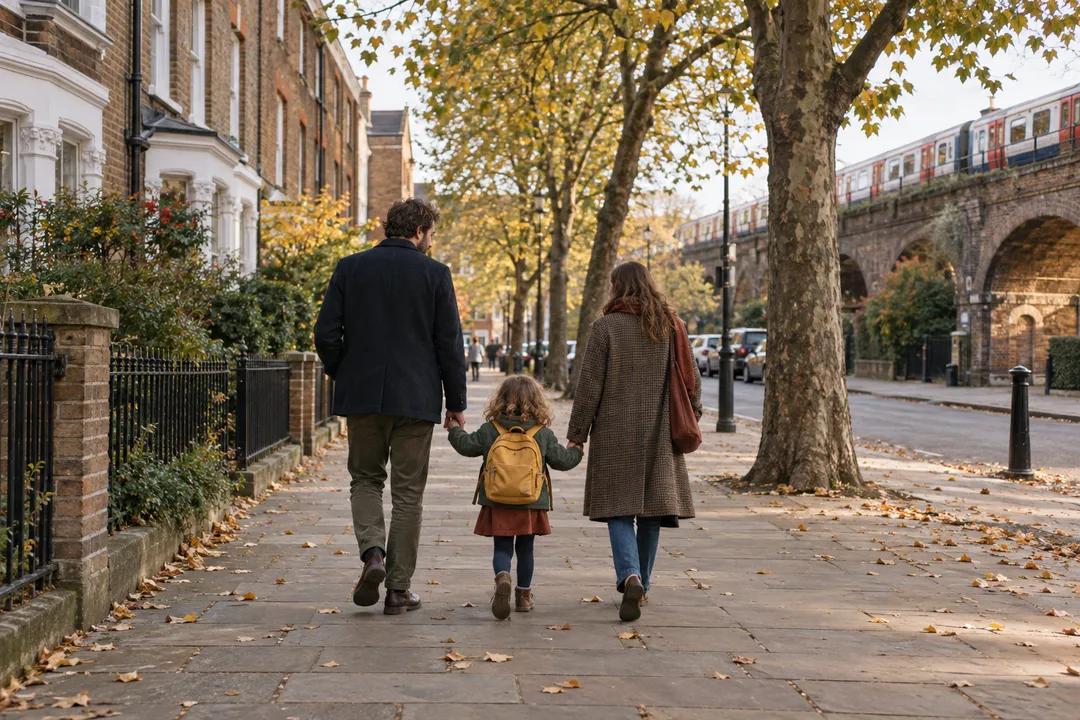
London Transit Station Pitstop Finder: 4 Family Needs
Plan a London station pause with children in Karpo around food, walking effort, seating and the next departure, using a fallback that reduces extra stops.
A family station pause works when it solves the need that would otherwise derail the next journey. For a London transit station pitstop finder, start with four priorities: food, walking effort, somewhere to pause and the time you need to leave. Tell Karpo which priority is urgent. A child who needs lunch and an adult who wants a leisurely coffee require different plans. The aim is a manageable break for this group, rather than an ambitious list of things to do near a station.
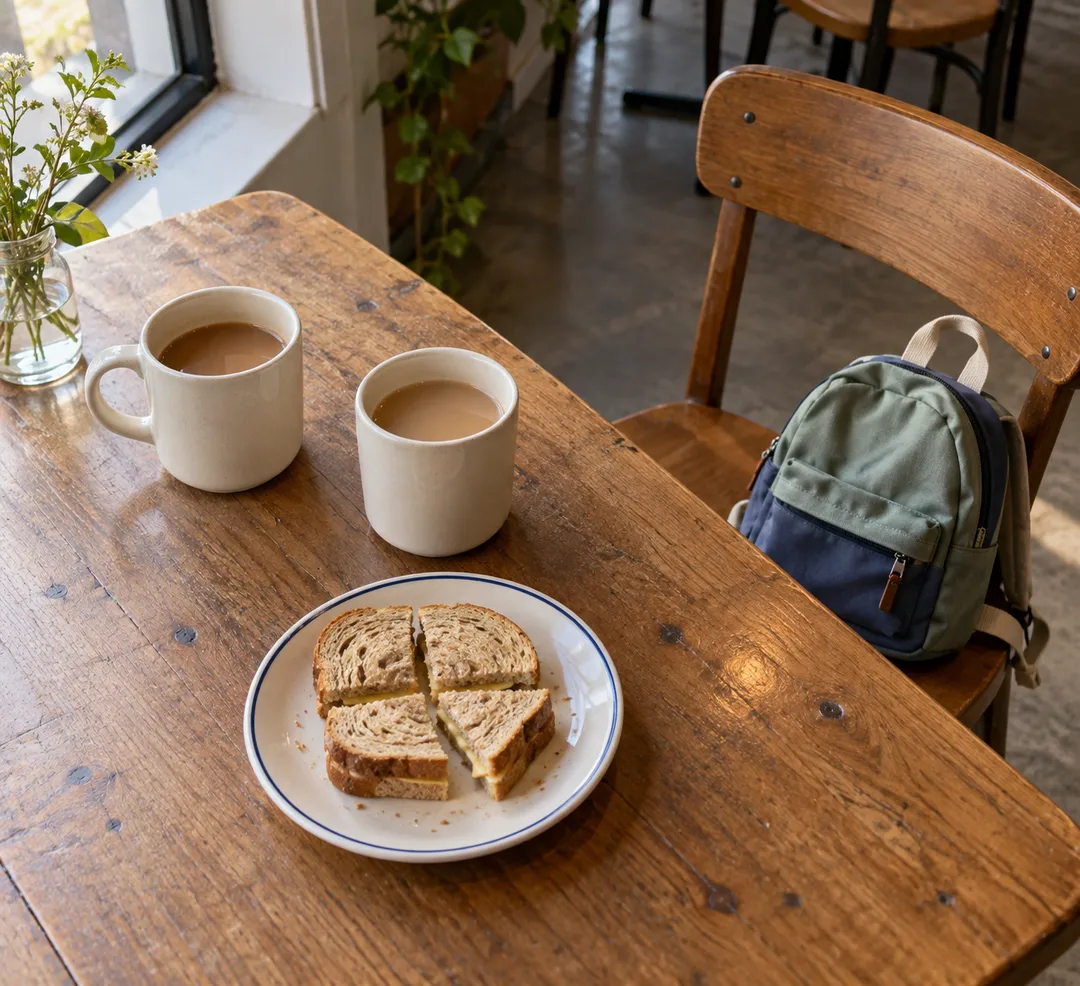
Start with the child who has the least spare energy
Describe the group in practical terms. You might be traveling with a school-age child who can walk independently, a toddler in a buggy or two children who need different food. Give ages only where they affect the choice, and explain any mobility requirement without unnecessary personal detail. A request saying "family-friendly" leaves too much unsaid. A request saying "one adult pushing a buggy, one tired six-year-old and a short lunch pause" tells the planning conversation what needs to be easy.
Ask everyone what they need before naming a destination. An adult may assume the urgent issue is a meal when the child mainly needs to stop moving. Another family might need food first because sitting with nothing to eat will not help. Rank those needs instead of treating them as a single package. If seating is essential, a takeaway-only idea does not solve the task. If the onward departure is close, a long seated lunch may create more pressure than relief.
Turn four needs into a useful message
Try this prompt in the Karpo APP: "Help me find a simple food pause near my London station for one adult and two children. We need an easy walk, somewhere to sit and food without several separate orders. I have a fixed return deadline. Compare a close option with waiting until after our next journey." Add the station, the children's relevant needs and the real time available. The message asks for local ideas without claiming that any business has seats waiting for you.
Specify the difference between essential and desirable. A quiet table may be welcome, but a place with a particular theme might be unnecessary. A buggy route can be essential even when a wide choice of cakes is optional. Use the follow-up conversation to remove suggestions that fail a requirement. You can ask Karpo to explain why a candidate suits the brief, while keeping unanswered venue questions visible. A friendly description is useful context, but it is not evidence of a baby-changing room or a high chair.
Count the transitions as part of the break
Think of the pause as several transitions: leaving the train, reaching the stop, settling everyone, ordering, packing up and returning. These stages explain why a short meal can occupy more than the eating time. Keep a margin for each stage that matters to your group. There is no universal number to assign. The useful estimate comes from your own pace, the route and the amount of equipment you are managing, rather than a generic promise about families traveling in London.
For example, a parent with a forty-minute free window might keep fifteen minutes for the return and onward movement, leaving twenty-five for reaching a stop and pausing there. This is an illustrative allocation, not a claim about station walking distances. If the children need longer to settle, choose a shorter outward walk or a later meal. Do not borrow from the return allowance simply because the stop looks pleasant. That allowance protects the part of the day you have already committed to.
Make ordering one task where possible
Use the food requirement to reduce decisions. Ask for suggestions whose published menu gives your group a realistic common choice, rather than collecting one favorite venue per person. A sandwich, snack or full meal is a preference you can put in the brief. Specific dishes and prices belong to the venue's menu. If allergies are involved, ingredient and preparation questions belong with the provider before an order is placed. A local recommendation does not settle those questions for a parent.
Avoid promising children a particular treat before you know it is available and suitable. A more flexible agreement is that you will choose one food stop together from a small shortlist. This preserves some choice without turning the pavement outside a station into a debate among ten options. If a child has a strong preference, include it in the request early. The response can then be evaluated against that preference rather than forcing you to renegotiate an apparently finished plan.
A fallback that really reduces movement
The simplest backup may be to continue the journey and pause at the destination. It removes the need to exit, order and return under a deadline. Choose that option openly when the timing is poor. Waiting for later is easier to explain when everyone understands the reason, such as a tight connection or a tired child. It should not mean ignoring an urgent need. Bring your own knowledge of the group to the decision rather than letting an attractive suggestion overrule it.
If you do leave the station area, establish the moment when the group turns back. It could be the latest time you are willing to wait for a table or the point when the outward walk has used its allowance. Say it to the other adult before the detour starts. A fallback agreed in advance avoids an argument in front of a counter. Keep everyone together unless you have a clear arrangement for supervision, bags and the meeting point.
Optional wandering comes after the essentials
A nearby street or open space can be enjoyable once food and tired legs are handled, but it should not be a hidden requirement for the break. Ask Karpo for a short walking idea only if the group still wants to move and has time left. Keep it close to the onward route. This is a different request from locating lunch. Separating the two makes it easier to drop the walk without undoing the whole plan.
Notice what actually helped. Perhaps the child was happier after a few quiet minutes, or the easiest choice was a quick shared snack rather than a full meal. Use that information to refine the next recommendation request. You do not need an elaborate preference profile to do this: an ordinary follow-up saying "we want less walking next time" is enough. Keep your description tied to the family in front of you rather than to an imagined ideal afternoon.
Practical Notes
Before choosing a place, gather the station name, usable time, return point, food needs and any access requirement. Obtain station access information from the transport operator where it matters. Venue facilities, ordering rules and menus come from the venue itself. This page offers a way to organize those questions; it does not name a business, promise a free table or establish a buggy route. The four priorities are a planning aid that you can reorder when your group's needs change.
Once you have selected a pause, tell the group the simple version: where you are going, what you hope to do and when you leave. Keep that explanation shorter than the research behind it. The planning work has succeeded when the next action feels obvious to the adults and understandable to the children. Use Karpo for a focused local starting point, then make the final choice around the energy, appetite and departure time you actually have.
Ask Karpo for more information.
Keep reading
- Bloomsbury Mews Walk Planner: Literary Brick Passages
 Belgravia Mews Walk Planner: Stucco Arches and Alleys
 Notting Hill Mews Walk Planner: Quiet Painted Lanes