 Greenwich Watercolour Mops Quill Brush Picker: Wet Skies
Hidden Gems & Odd Finds
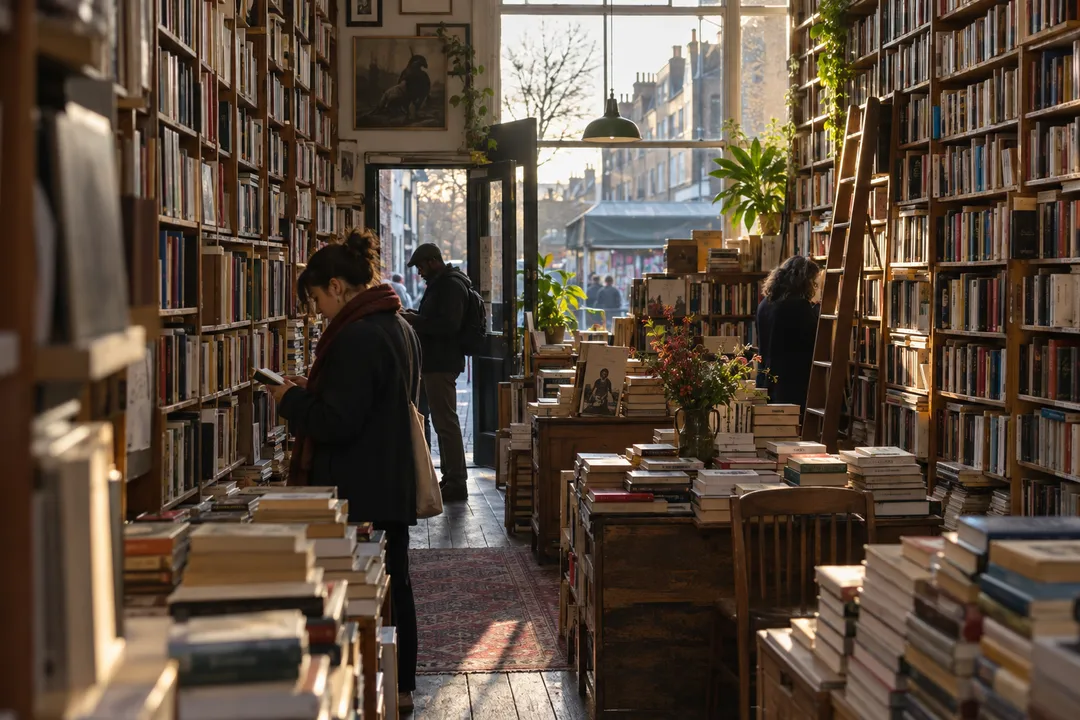
Secondhand Bookshop Near Me: Book Mongers in Brixton
A practical guide to Book Mongers at 439 Coldharbour Lane, Brixton, London SW9 8LN, with a focused browse through secondhand books and a neighborhood walk around Brixton.
Book Mongers is a genuine secondhand bookshop at 439 Coldharbour Lane, Brixton, London SW9 8LN. The address places it in a lively south London neighborhood rather than a museum-like book district, which is exactly why the shop works for a secondhand bookshop near me search: you can browse a changing local stock and then continue into Brixton without turning the visit into a full-day expedition.

The reason to come to Coldharbour Lane
Coldharbour Lane gives the shop a useful sense of place. This is a street for errands, food, music, and conversations, so the bookshop feels embedded in daily life. Arrive ready to look through shelves that may change between visits. The reward is not a fixed list of treasures but the chance that an ordinary browse produces a book you did not plan to seek.
Book Mongers is best approached with a flexible subject list. Bring three interests rather than one title: modern fiction, art, politics, cooking, travel, or children’s books, for example. A secondhand shop can satisfy the first request quickly and surprise you with the second. The third gives you something to explore when the obvious shelf is already picked over.
How to browse a crowded shop
The browsing method matters in a compact shop. Start at eye level, then work down and up instead of jumping randomly from cover to cover. Pull out anything with an unfamiliar publisher, an unusually good illustration, or a title you recognize from a conversation. The small physical decision of removing a book from the shelf is often where the visit becomes useful.
Book Mongers also has the advantage of a clear online identity as a secondhand book shop, but the physical visit still matters. The internet can tell you whether a title exists; it cannot show you the condition, paper, size, or feel of the exact copy in front of you. If you care about a readable, giftable, or characterful edition, inspect it in person.
Subjects worth slowing down for
Do not assume every good find will be pristine. Used books can have names inside, softened corners, old price marks, or a previous owner’s note. Those details are not automatically defects. Decide whether you want a clean reading copy, a visually interesting object, or a cheap volume to take on a train. The answer changes what counts as a good buy.
A Brixton visit should include time for the neighborhood itself. From Coldharbour Lane, you can make a loose loop toward Brixton Village and Market Row, then continue toward Windrush Square. The point is not to stack attractions mechanically; it is to let the street reset your attention after the close reading that a bookshop demands.
A bookshop inside a neighborhood
The best time to come is when you can browse without a hard appointment immediately afterward. A narrow window creates the wrong instinct: you skim the top rows, miss the sections that need patience, and leave with the first acceptable paperback. Give yourself a short but real block of time, then make the market or square your flexible next stop.
For readers building a home library, focus on books that benefit from serendipity. A modern novel you have been meaning to read, an essay collection with a strong introduction, or a practical book from a past moment can all be more satisfying than a pristine bestseller. Used stock is strongest when it helps you widen your reading rather than repeat your algorithm.
When to arrive
If you are shopping with children, set a separate search rule. Let them choose one cover, one subject, and one book recommended by an adult. That turns the browse into a small exercise in judgment rather than a demand to find a perfect title. It also keeps the visit enjoyable when the shop’s shelves are more adult-oriented in places.
The neighborhood’s energy is part of the appeal, but it can also make the stop feel hurried. Treat the shop as the quiet center of the visit. Browse first, eat or wander second, and return to the question of buying only after you have left the shelves. Distance helps you notice whether you actually want the book or simply enjoyed the hunt.
The honest skip
I would skip coming here with a rigid “find this exact edition in ten minutes” plan unless you have already spoken with the shop. Secondhand inventory is inherently variable, and the best experience comes from responding to what is present. If the title is essential, use a specialist search elsewhere; if discovery is the goal, let the shelves lead.
A practical backup is to shift the outing toward Brixton’s food and public spaces if the book selection does not land. The trip still works because the shop sits inside a neighborhood with its own rhythm. You do not need to force a purchase to justify the journey, and that freedom usually makes the eventual purchase better.
Build the rest of the afternoon
Look closely at the first pages of any older paperback you are considering. Check for missing leaves, heavy highlighting, loose binding, or damp smell. Those checks take seconds and protect you from buying a book that looks charming from the spine but will not survive a train ride. Condition is part of the story, but usability still matters.
If you want a gift, ask yourself whether the recipient likes surprise or precision. A used crime novel with a dramatic cover is a good spontaneous present; a particular academic title needs a tighter search. Book Mongers is naturally better at the first kind of gift, where the object’s history and personality count alongside the text.
Practical notes
Coldharbour Lane is also a good setting for comparing price without writing a price promise into the plan. Used stock changes, and the value of a copy depends on condition and edition. Instead of arriving with an assumed budget for one title, set a flexible ceiling for the outing and leave room for a second, smaller find.
The shop suits people who enjoy shelves with visible evidence of previous readers. It is a place for the person who checks the dedication page, notices a publisher’s design, or remembers a book because of the copy rather than only the author. That sensibility is more important than whether your list is literary, practical, or purely recreational.
For transport, save the full address before you set out: 439 Coldharbour Lane, Brixton, London SW9 8LN. The neighborhood has several possible approaches, so the address is more useful than a vague “near Brixton.” Once you are on Coldharbour Lane, the rest of the outing can stay deliberately unplanned.
A first visit can be as simple as this: browse one full section, ask one question, inspect two possible purchases, and walk away for ten minutes. If the book still feels right after the market noise and street movement, go back. That small pause keeps the decision connected to your own reading rather than the excitement of a crowded shelf.
Book Mongers earns its place in a London secondhand bookshop route because it combines a real used-book browse with a neighborhood that already rewards wandering. The shop supplies the slow search; Brixton supplies the contrast. Together they make a practical, low-pressure afternoon for readers who want a book but do not want a prewritten itinerary.
For a secondhand bookshop near me search, the strongest reason to choose Book Mongers is not a guaranteed category or a fixed treasure list. It is the chance to browse a living local stock at 439 Coldharbour Lane, then carry the curiosity into Brixton’s streets. Come with a few interests, leave room for surprise, and let the copy choose you.
Ask Karpo for more information.
Keep reading
- Greenwich Watercolour Mops Quill Brush Picker: Wet Skies
 Camden Watercolour Mops Quill Brush Picker: Canal Sketch Kit
 Wood Carving Gouge Profile Picker for Brixton Stamp Blocks