 Shoreditch Comic Shop Crawl Planner: Murals to Manga
Hidden Gems & Odd Finds
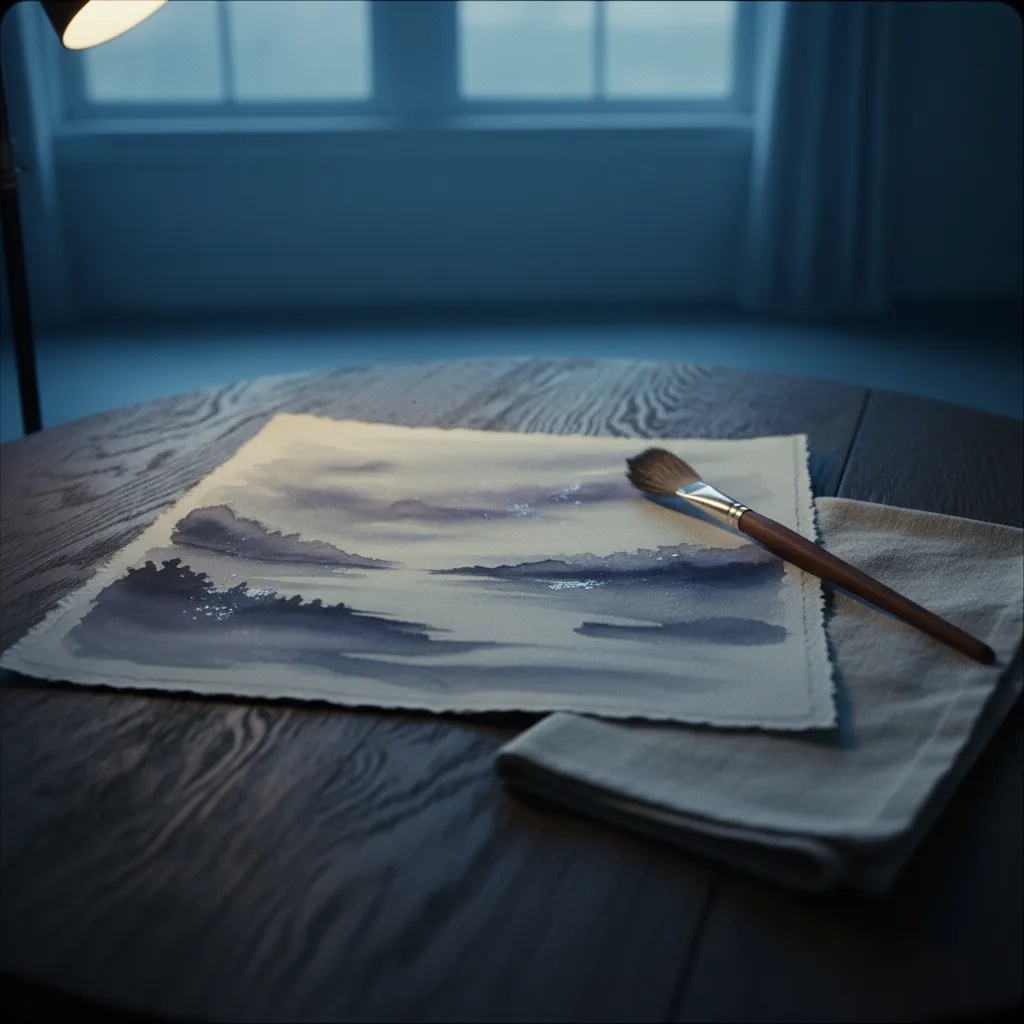
Greenwich Watercolour Mops Quill Brush Picker: Wet Skies
Thames mist and wide Greenwich skies call for wet-in-wet washes. Learn which quill mop size and shape keeps soft edges without flooding the sheet.
Wet-in-wet painting asks something unusual of a quill mop, because the brush must drop colour into paper that is already damp and let it spread softly without leaving puddles, hard rings or muddy streaks. Greenwich, with its riverside views across the Thames, open parkland and changeable skies above the hill, offers exactly the kind of subject that wet-in-wet suits. Misty mornings, drifting cloud and reflections on the water all reward a brush chosen for gentle, controllable release rather than sheer capacity.
How Wet-in-Wet Changes the Brief
In a dry-paper wash, the brush supplies all the water. In wet-in-wet, the paper already carries water, and the brush mostly delivers pigment with only as much extra moisture as the surface can accept. Too much water from the brush pushes pigment outward into blooms. Too little leaves streaks. A quill mop excels here because its soft belly can release a small, steady amount of colour on a light touch, then more as you press. The aim is to match the brush's wetness to the paper's.
Belly Shape for Soft Blends
Mops come in rounder and more elongated profiles. A round, plump belly holds plenty of water and lays wide soft areas, ideal for an open sky. A longer, tapered belly offers a little more control and can drag colour along a horizon or a riverbank. If you paint skies mostly, a rounder belly may feel natural. If you like to blend sky directly into distant buildings, trees or water, a tapered profile helps you guide colour across those transitions without losing the softness.
Size for Greenwich-Scale Views
The panoramic views from the hill encourage wide formats, while riverside sketches are often smaller and quicker. Many painters find that two mops cover most needs. A mid-size brush handles quarter and half sheets, and a larger one handles full skies on bigger paper. If you only buy one, choose the size that comfortably covers your usual sheet in a few strokes. Wet-in-wet works best when you can lay the whole sky quickly, before the paper begins to dry unevenly.
Testing for Gentle Release
If testing is permitted, dampen a scrap of paper evenly with clean water first. Load the mop with diluted colour, blot it lightly, then touch it to the damp scrap. Watch how far the colour spreads. A brush that releases too much will create blooms almost instantly. A good mop lets colour feather outward gradually. Try again with less blotting to see how the brush behaves when fully loaded. The ideal candidate offers a wide range between those two extremes.

Greenwich's Atmosphere for Painting
Greenwich combines maritime history, elegant riverside architecture and one of London's most generous parks. The river frontage brings tall ships, domes and colonnades into view, while the park's slopes look out across the water toward the city. Weather moves quickly here, and the light can shift from silver to gold within minutes. That variety makes it a rewarding place to practise wet-in-wet skies, because each session offers a different mood to capture in loose, layered washes on damp paper.
Controlling Water on a Sloped Board
Painting outdoors often means working with your board at an angle. Gravity pulls water downward, so a mop that releases too freely will create drips and backruns along the bottom edge. Tilt your test scrap at your usual angle and repeat the release test. A mop with a slightly slower release will feel calmer on a slope. Keep a dry, thirsty brush or tissue ready to lift excess water from the lower edge, which is easier than correcting a backrun later.
Pigments That Suit River Skies
The brush and the paint work together. Granulating blues and earth colours settle into the paper texture and give river skies a gentle, weathered grain, while transparent staining colours spread further and faster on damp paper. When testing a mop, use the pigments you actually paint with, because a soft squirrel belly can look perfect with a gentle ultramarine yet feel uncontrollable with a strong phthalo. Mix a little burnt sienna into blue for a Thames-grey cloud and watch how the mop carries that mixture. A brush that keeps the two colours blended rather than separating into streaks is a good sign for misty work.
An Honest Skip
Skip very stiff synthetic mops if wet-in-wet skies are your main goal. Their spring can push and disturb the damp surface, creating streaks instead of soft feathered edges. They are useful for other jobs, but for misty, atmospheric work over the river, a softer natural hair or a soft blend tends to behave more gently. Also avoid mops much larger than your paper needs, since excess water is the commonest cause of unwanted blooms in wet-in-wet painting.
Karpo APP Around Greenwich
Karpo APP can offer nearby suggestions for art supply shops, riverside benches and park viewpoints around Greenwich that suit painting. Tell it what you have in mind, perhaps a sheltered seat facing the Thames or a shop selling watercolour paper close by, and see what it recommends. From there, every choice is yours, including which suggestion to follow, when to set off and how to travel. It simply surfaces nearby ideas for your own day.
Practical Notes on Brush Care
Wet-in-wet sessions keep brushes damp for long periods, so care afterwards matters. Rinse thoroughly in clean water, because pigment trapped near the ferrule can harden and spread the hair. Wash occasionally with a mild soap, rinse again, reshape the belly into a point and dry the brush flat or tilted downward. Never stand a damp mop upright, since water drains into the ferrule. Store dry brushes in a breathable roll, away from moths and direct sunlight.
Bringing Home the Right Mop
The quill mop to choose for Greenwich skies is the one that released colour gently on damp paper, behaved calmly on a tilted board and covered your usual sheet quickly. Size and belly shape matter more than price or decoration. Once home, dampen a sheet, mix a soft grey and a blue, and paint a single sky without stopping. If the edges stay soft and the colour floats rather than floods, you have found a brush that suits wet-in-wet painting.
Ask Karpo for more information.
Keep reading
- Shoreditch Comic Shop Crawl Planner: Murals to Manga
 Bermondsey Comic Shop Crawl Planner: Zines Under the Arches
 Clapham Comic Shop Crawl Planner: Charity Shelves and Common