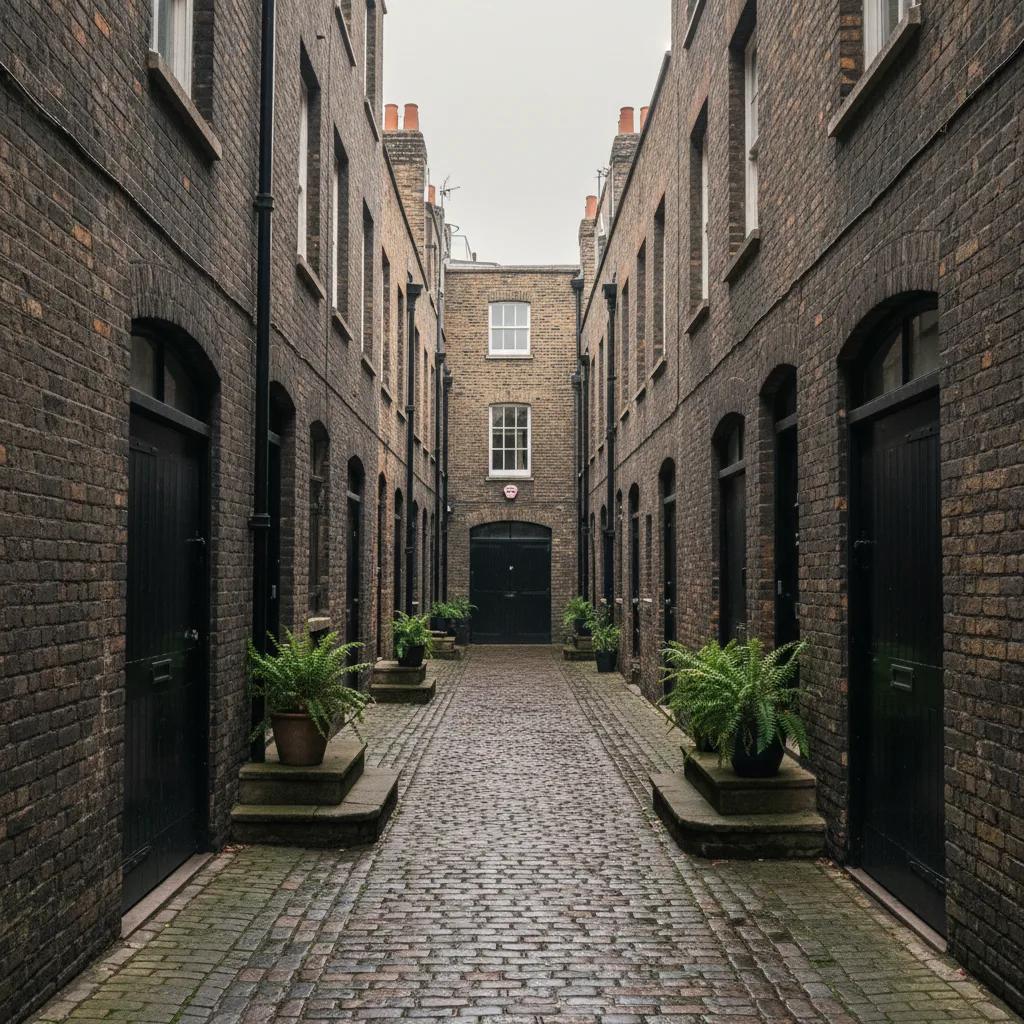
 Bloomsbury Mews Walk Planner: Literary Brick Passages
Neighborhood Guides
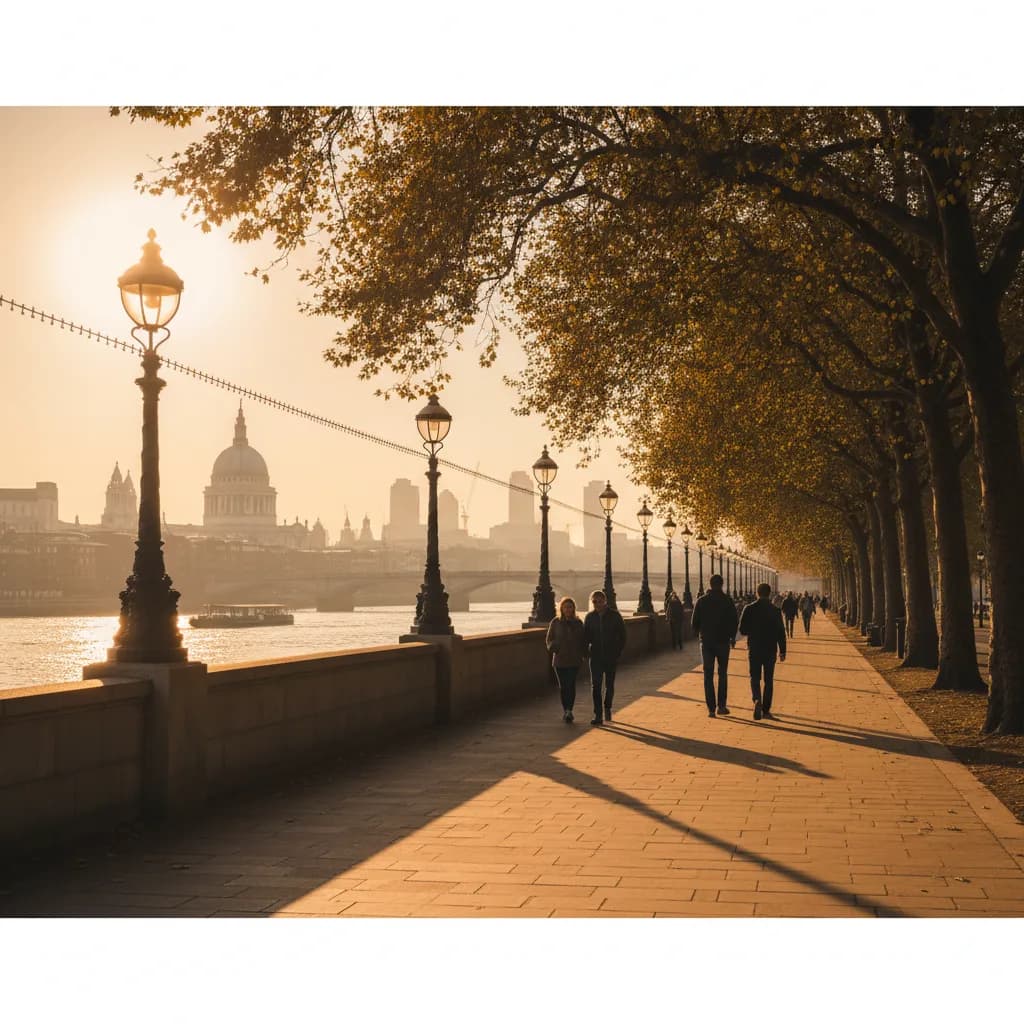
South Bank Scenic Walk Planner: Queen's Walk at Golden Hour
A South Bank scenic walk is free, step-free and needs no booking: follow the Queen's Walk from Westminster Bridge past Gabriel's Wharf as the lights come on.
If you want one walk that shows London at its most generous, the South Bank is the answer. The Queen's Walk runs along the south side of the Thames, wide, flat and almost entirely free of traffic, with the river on one side and a run of theatres, galleries and terraces on the other. It is a walk that needs very little planning to enjoy, but a little timing makes it remarkable. Start in the late afternoon, walk east with the sun behind you, and by the time you reach the bend near Blackfriars the lamps are glowing along both banks and the city skyline is lit against the sky.
Begin at Westminster Bridge
Start at the south end of Westminster Bridge, where the view back across the river takes in the Houses of Parliament and the clock tower. It is one of the most familiar views in the world, but seeing it from this side, with the river in front, gives it a calmer frame than standing in the crowds at Parliament Square. Take your photos here and then turn your back on the bridge and head downstream.
The first stretch passes the giant observation wheel and the old County Hall building, and it is the busiest part of the walk. Street performers, ice cream vans and tourists gather here, so keep moving at an easy pace. The crowds thin quickly once you pass under the railway bridge at Hungerford, and the walk starts to feel more like a local promenade.
The Cultural Terraces and the Book Stalls
Beyond the railway bridge lies the Southbank Centre, a cluster of concrete concert halls and galleries from the post-war period. Many people find the architecture severe at first, but the terraces and walkways are wonderful for wandering, with stairs leading up to rooftop gardens and bridges between buildings. Underneath, the undercroft is a long-standing skate spot covered in graffiti, and it is fascinating to watch the skaters for a few minutes.
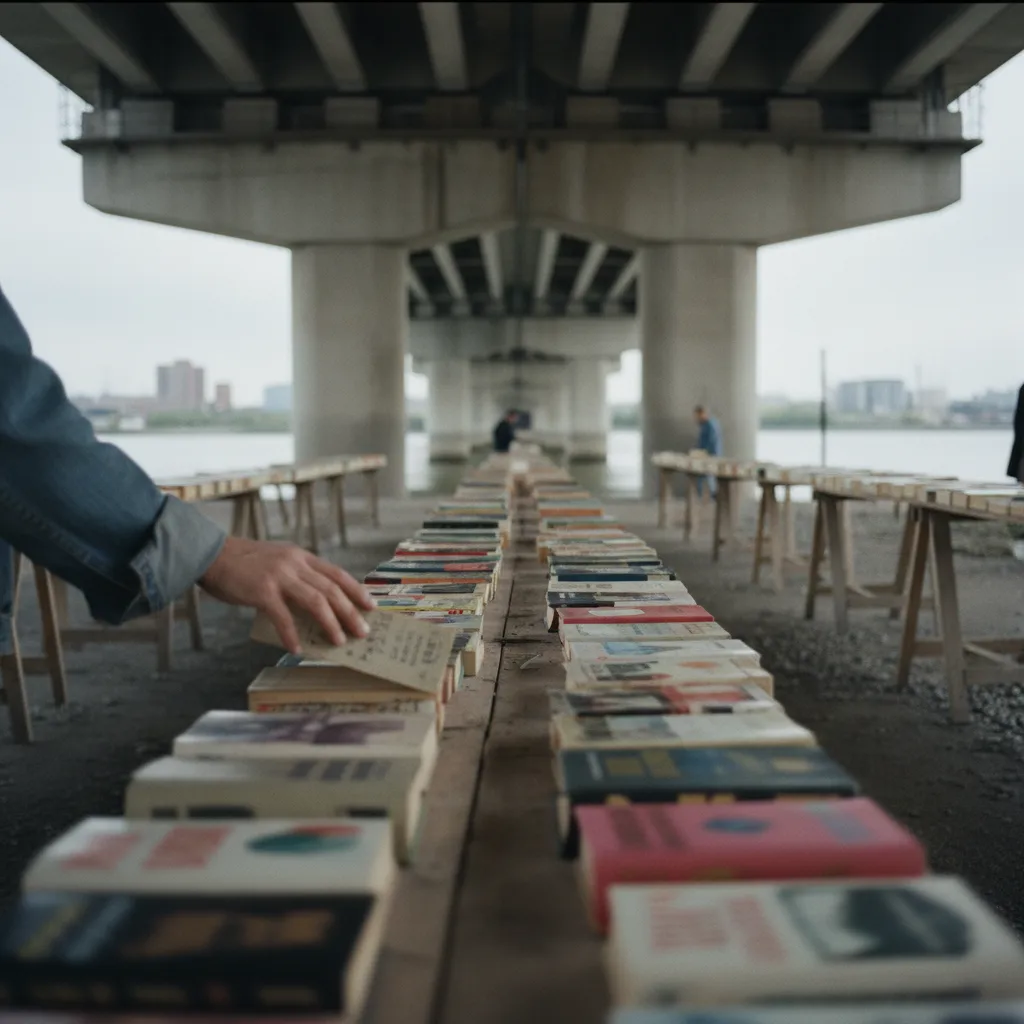
Just past this, under Waterloo Bridge, you reach the riverside book market, where secondhand dealers set up long tables of paperbacks, prints and old maps. Browsing here is one of the small pleasures of a South Bank walk. The light under the bridge is soft and even, the river is right beside you, and there is no pressure to buy. Leave a few minutes in your plan for this stop.
Next to the bridge, the National Theatre adds another layer of concrete terraces, and its riverside bars are popular with theatregoers before shows. Even if you are not seeing a play, climbing to one of the upper terraces for a view across the water toward the city is worth the effort.
For a short detour away from the water, slip behind the theatre into the streets around Roupell Street, a row of tiny Victorian workers' cottages with dark brick fronts and neat doorways. It is only a few minutes from the river but feels like a different city, quiet and residential, and it is a favourite spot for period film shoots. Walk the length of it, then rejoin the riverside path. The contrast between the grand concrete arts complex and these modest terraces is one of the hidden rewards of planning the South Bank walk properly.
Gabriel's Wharf and the Oxo Tower Stretch
Continue east and the walk changes character. Gabriel's Wharf is a small square set back from the river with brightly painted shopfronts and a handful of cafés and craft shops, and it feels like a relaxed pause after the grand cultural buildings. A little further on, the Oxo Tower stands out with its distinctive window lettering, and its lower floors hold design studios and small shops worth a quick look.
This stretch is often quieter than the western end and gives you more space to enjoy the view across the river toward St Paul's Cathedral and the City skyline. As the light fades, the skyline becomes the main show, with office towers lighting up behind the old domes and spires. It is a good moment to slow down and simply watch.
Finishing at Blackfriars or the Millennium Bridge
For a short walk, finish at Blackfriars Bridge, where you can cross the river or catch a train from the station built across the bridge itself. For a longer route, continue to the modern art gallery in the old power station and the Millennium Bridge, the steel footbridge that leads straight across the river to St Paul's. Crossing it at dusk, with the cathedral ahead and the lights on the water, is a fitting final scene.
If you still have energy, the walk extends naturally toward Borough Market and the reconstructed Shakespearean theatre beside the river, but that turns a gentle hour into a much longer evening. Decide in advance which version suits you, so you do not end up rushing the best parts.
Timing Your Walk
The best time to start is the hour before sunset on a clear day. In winter that means mid-afternoon, and in summer it can be well into the evening. Weekday afternoons are calmer, while weekends are busy but lively, with more street food and performers. On wet or grey days the walk is still enjoyable, and the covered areas under the bridges and around the arts centres offer shelter.
Because the path is flat, step-free and wide, this is one of the most accessible scenic walks in central London. It suits wheelchair users, parents with buggies, older walkers and anyone who prefers a gentle route. Benches are plentiful along the river wall, and there are many cafés and toilets in the arts centres.
Planning With Karpo APP
Tell Karpo APP how long you want to walk, whether you want to cross the river or stay on the south side, and whether you want a drink or dinner at the end. Karpo suggests the right starting point and a sequence of stops, including quieter terraces and riverside cafés. If you are meeting friends, you can share the plan so everyone knows where to join the walk.
Practical Notes for the South Bank
Waterloo, Westminster, Embankment and Blackfriars stations all connect easily to the riverside path. Wear comfortable shoes and bring a layer, because the wind off the river can be cold even on sunny days. Keep an eye on your belongings around the busy western end. The promenade and the book market are free to browse, and you can rest on the many benches along the way.
Ask Karpo for more information.
Keep reading
- Bloomsbury Mews Walk Planner: Literary Brick Passages
 Belgravia Mews Walk Planner: Stucco Arches and Alleys
 Notting Hill Mews Walk Planner: Quiet Painted Lanes