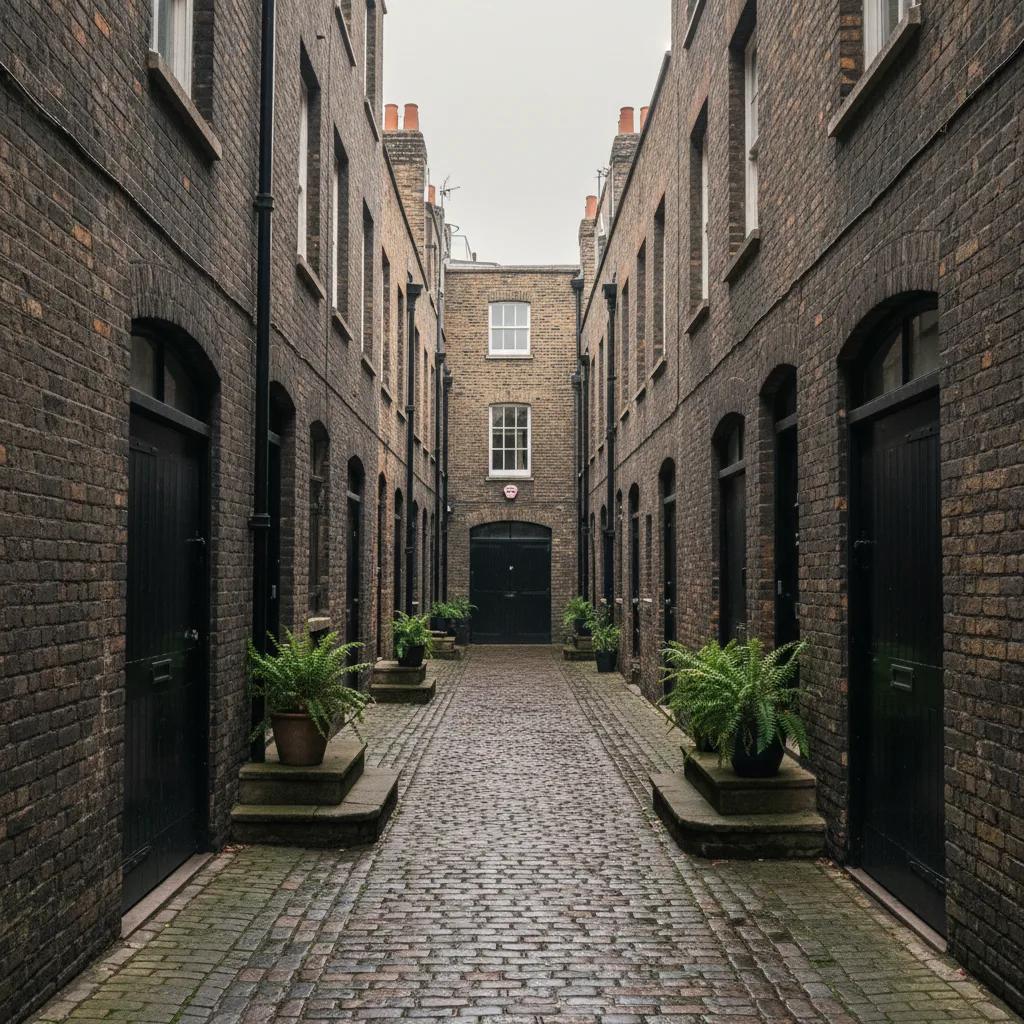
 Bloomsbury Mews Walk Planner: Literary Brick Passages
Neighborhood Guides
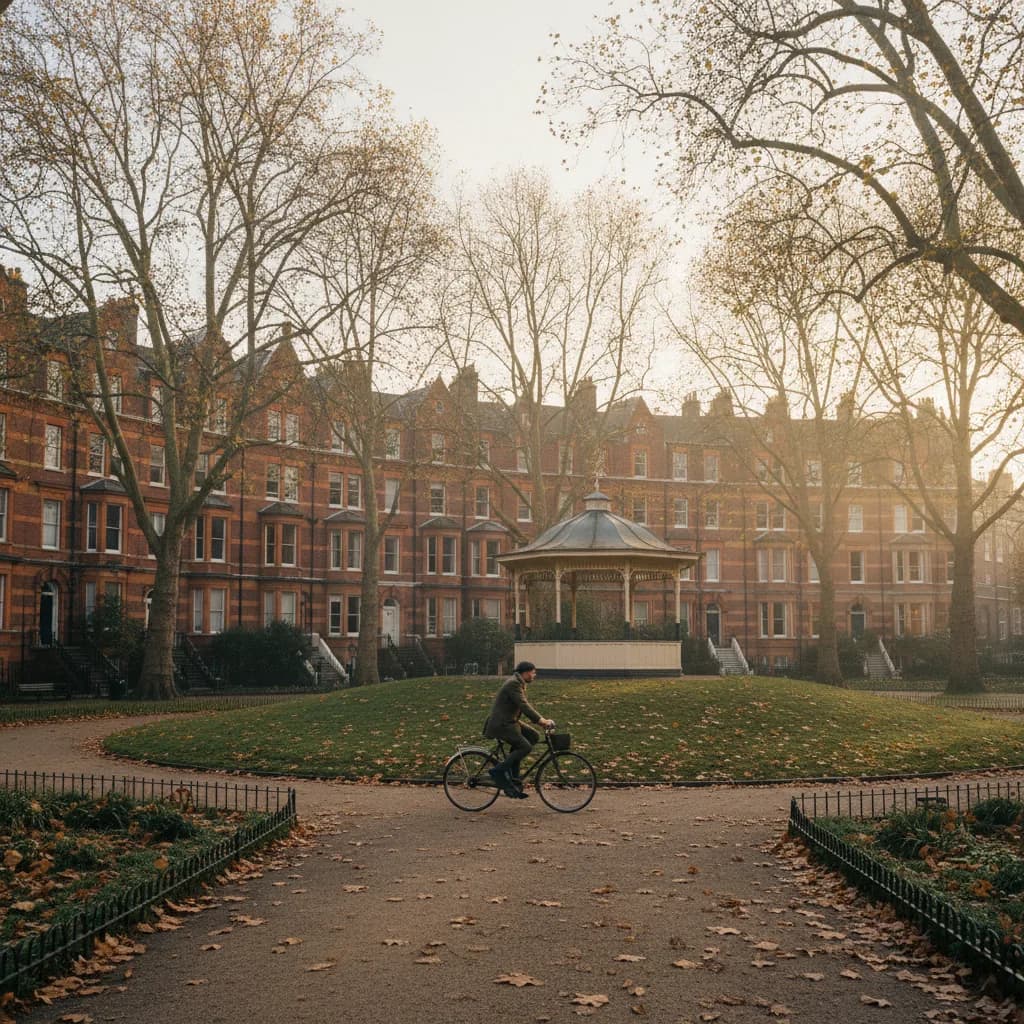
Shoreditch Scenic Walk Planner: Murals and Arnold Circus
A scenic Shoreditch walk is free and best on a weekday morning: link Redchurch Street ateliers, Calvert Avenue and the Arnold Circus bandstand before crowds.
Shoreditch is usually sold as a nightlife district, but its best walk happens in daylight, when the street art is easy to see and the workshops are just opening their doors. In the space of a few streets you move from converted warehouses and design studios to a Victorian housing estate laid out like a stage set, with a bandstand on a little hill in the middle. A good scenic walk here is about contrast: rough brick and polished shop windows, layered murals and quiet residential gardens. Plan a loop that takes about an hour on foot, then give yourself another hour for browsing and coffee.
Stop One: Redchurch Street's Shopfront Ateliers
Begin on Redchurch Street, a narrow road that has become one of east London's most interesting shopping streets without losing its industrial edge. Former workshops and warehouses now hold independent fashion labels, furniture makers, perfumers and small galleries. Many of them have large glass shopfronts set into old brick, so even window-shopping feels like walking through a series of carefully composed rooms. Walk it slowly in both directions, because the north and south sides catch the light differently through the morning.
The side streets running off Redchurch are where the murals start. Look up as well as along: some of the most striking pieces are painted high on gable walls or tucked around corners. Because walls are repainted regularly, no two visits look the same, which is part of the appeal for regulars. Take photos, but give way to residents and delivery vans on the narrower lanes.
A small tip for this first stretch: walk it twice, once looking at the shop windows and once looking only at the buildings above them. The ground floors have been reinvented again and again, but the upper storeys still show loading doors, iron hoists and painted ghost signs from the furniture and printing trades that once filled these streets. Seeing both layers together is what makes Shoreditch feel different from a polished shopping district, and it gives you a sense of how quickly this corner of London has changed while keeping its working-class shell.
Stop Two: Calvert Avenue and the Design Studios
Walk north to Calvert Avenue, a short, wide street with a handful of bakeries, bookshops, a florist and design studios. It has a calmer, almost village feel compared with the main roads nearby, and it is the natural approach to the estate beyond. The buildings here belong to the same grand red-brick scheme you are about to see, so you start to notice the terracotta bands and decorative brickwork before you even reach the circus.
This is the best place for a coffee stop. Grab something to take away and carry it up to the bandstand, which is a much nicer place to sit than any café terrace on the busy roads around Old Street.
Stop Three: The Boundary Estate and Arnold Circus
Calvert Avenue leads into Arnold Circus, the centrepiece of the Boundary Estate. This was one of the first council housing estates in London, built to replace notorious slums, and its architects laid out tall mansion blocks along streets that radiate from a raised circular garden. At the top of the mound stands a bandstand, ringed by plane trees. Climb the steps and you get a view down several streets at once, with the red and cream striped façades curving away in every direction.

Walk a full circle of the garden and then take one or two of the radial streets out and back. Each block has a slightly different name and detailing, and many of the doorways still carry their original features. It is a living estate, so be considerate, but it is also one of the most rewarding architectural walks in the East End and surprisingly few visitors find it.
Stop Four: Columbia Road or Brick Lane
From Arnold Circus you have two good options. Head north-east toward Columbia Road, a narrow street of small shops and Victorian shopfronts that becomes a famous flower market on Sunday mornings. On weekdays it is quiet and lovely to walk, and the cafés and galleries tucked into its terraces are worth a browse. Alternatively, head south to Brick Lane for a livelier finish, with more street art, vintage shops and food stalls around the old brewery buildings.
If you have extra time, continue south past Brick Lane into Spitalfields, where the streets around Fournier Street hold tall Huguenot silk weavers' houses with shuttered windows and dark wooden doors. The church spire at the end of the street makes a dramatic final image, and Spitalfields Market is close by for lunch.
Whichever ending you pick, give yourself time to wander without a fixed target for the last part of the walk. The streets between Arnold Circus and Brick Lane are full of small surprises: a courtyard behind a gate, a tiny community garden, a new mural going up with the artist still on a ladder. Those unplanned moments are often what people remember most about a Shoreditch morning.
Who Should Take This Route
This walk works for design lovers, architecture fans and anyone who wants to see a different side of London from the West End landmarks. It is flat and mostly on pavements, with steps up to the bandstand that you can skip if needed. Photographers will enjoy the murals and the curving brick façades, while families can let children run around the garden at Arnold Circus. It is less suited to anyone wanting a green, park-heavy walk, since the scenery here is mostly urban.
Weekday mornings are the sweet spot. Sundays bring huge crowds to Columbia Road and Brick Lane, which is fun for people-watching but slower for walking. Late afternoon light is beautiful on the brick, and evenings shift the mood toward bars and restaurants.
Using Karpo APP Along the Way
Open Karpo APP and tell it you want a Shoreditch walk with street art, independent shops and one green stop. Karpo builds a route around those preferences and suggests coffee and lunch options along the way. If you want to include the Sunday market or avoid it, say so, and Karpo adjusts the order of the stops. You can also ask for a version that finishes near your next plan, whether that is a gallery, a pub or a train home.
Practical Notes for Shoreditch
Shoreditch High Street Overground station is the most convenient start, with Old Street and Liverpool Street both within walking distance. The area is busy with cyclists and delivery riders, so look both ways at every crossing. Street art is free to see, and the estate garden is a public space. Keep noise down near residential blocks, and avoid photographing people's homes and windows up close.
Ask Karpo for more information.
Keep reading
- Bloomsbury Mews Walk Planner: Literary Brick Passages
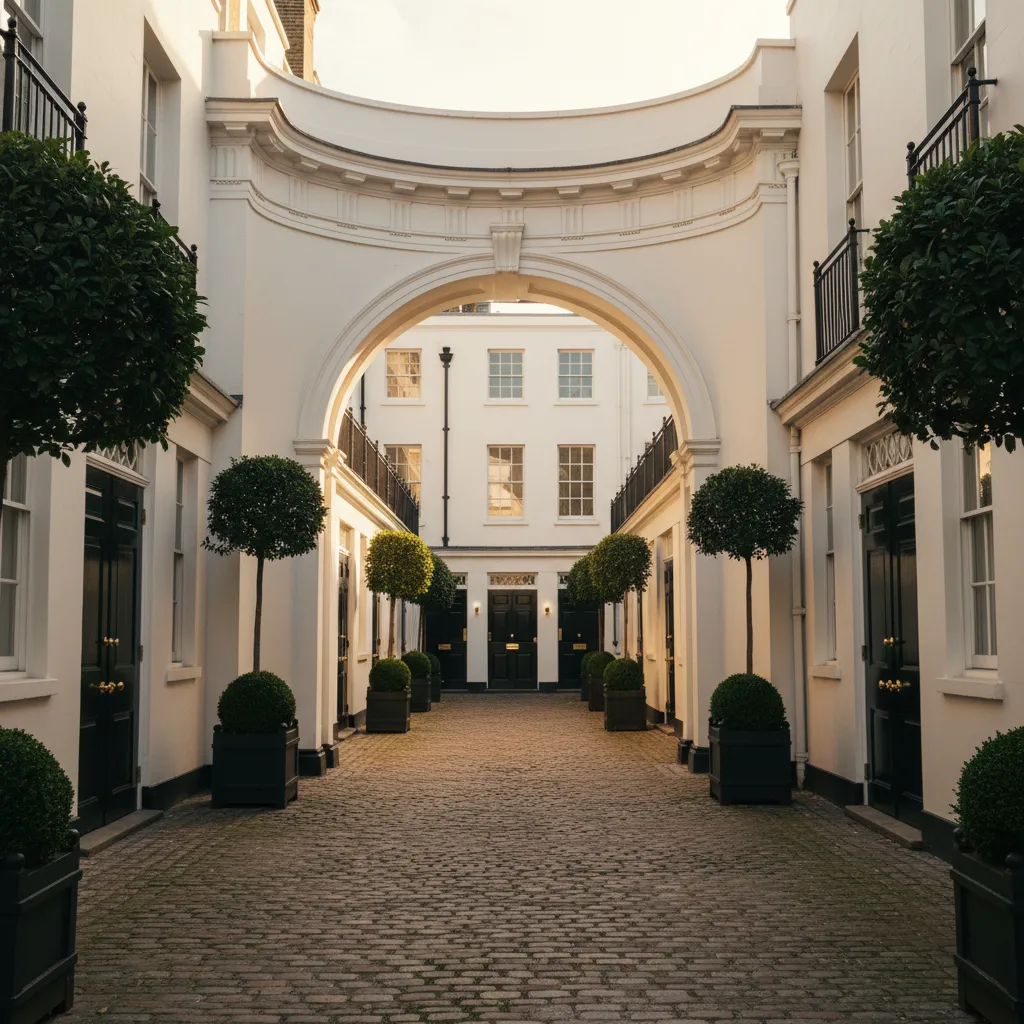 Belgravia Mews Walk Planner: Stucco Arches and Alleys
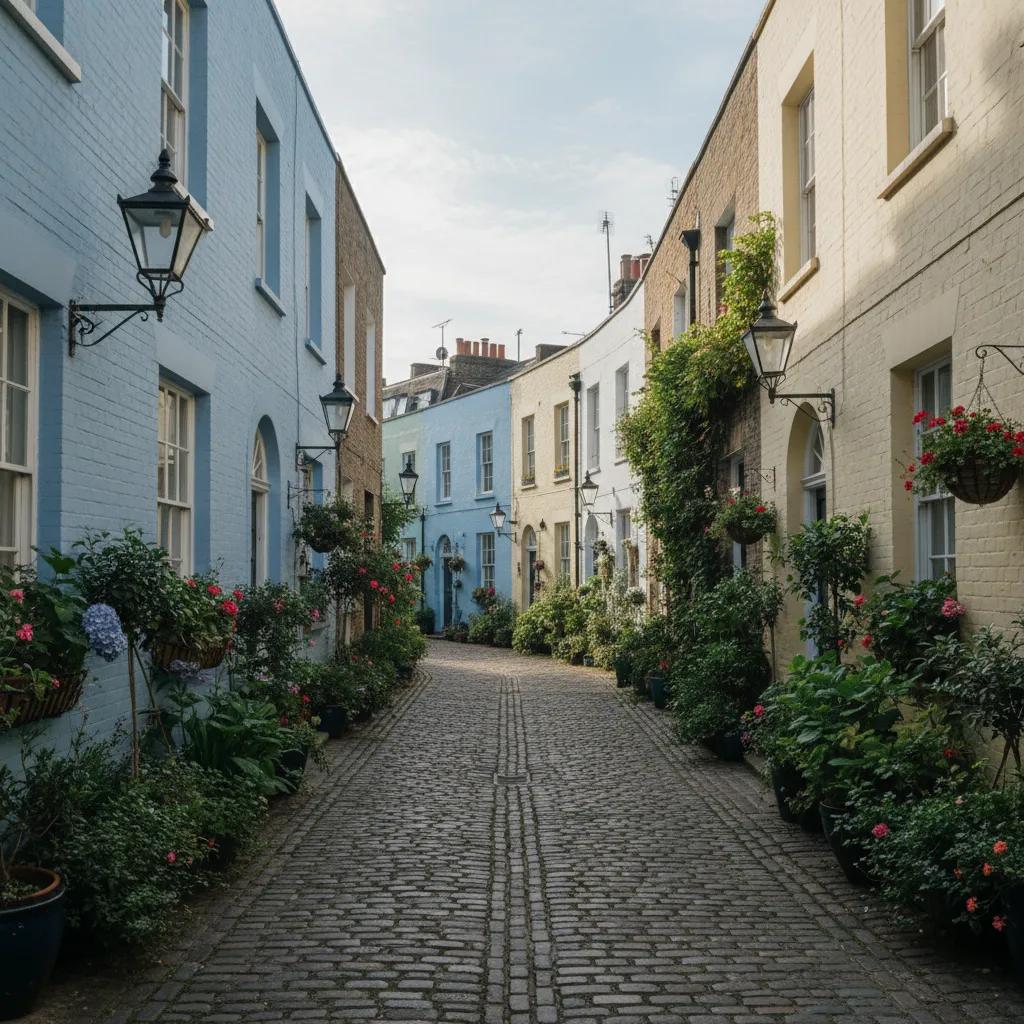 Notting Hill Mews Walk Planner: Quiet Painted Lanes