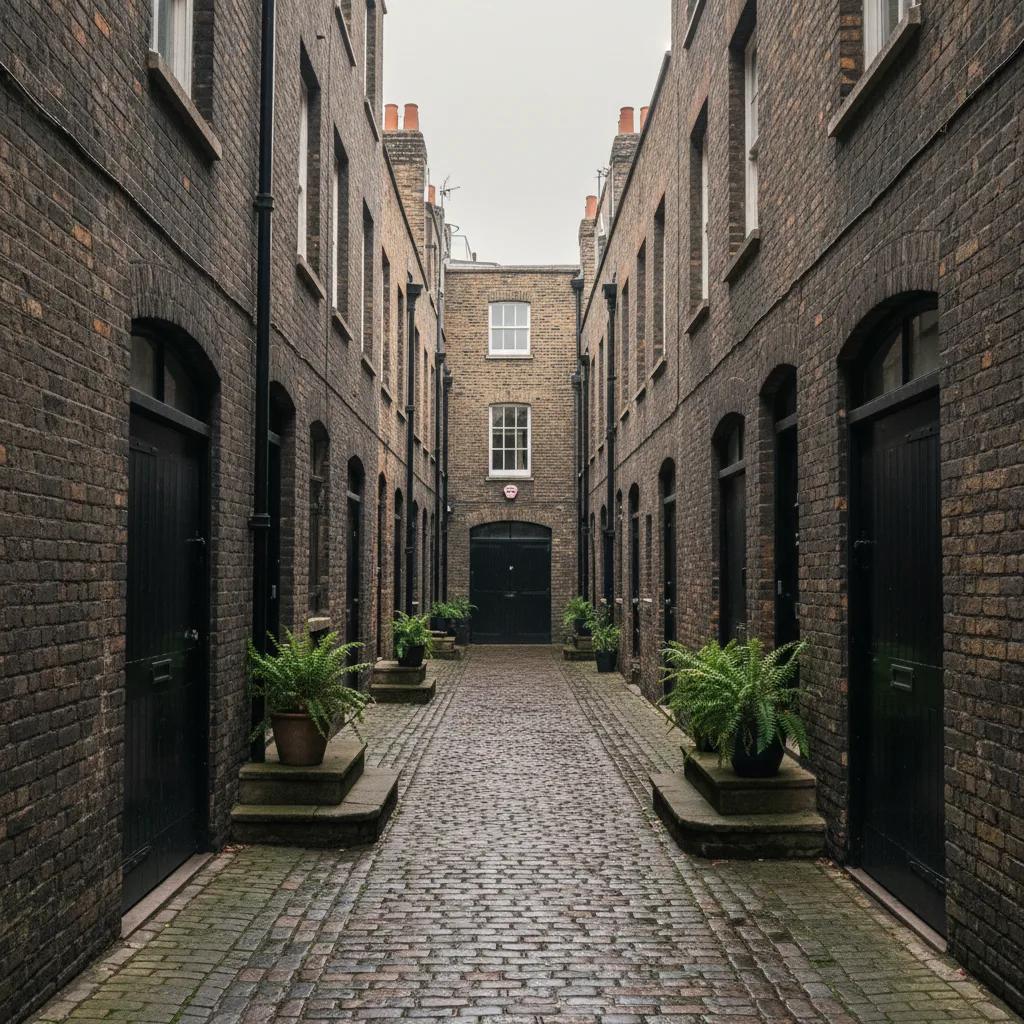
 Bloomsbury Mews Walk Planner: Literary Brick Passages
Neighborhood Guides
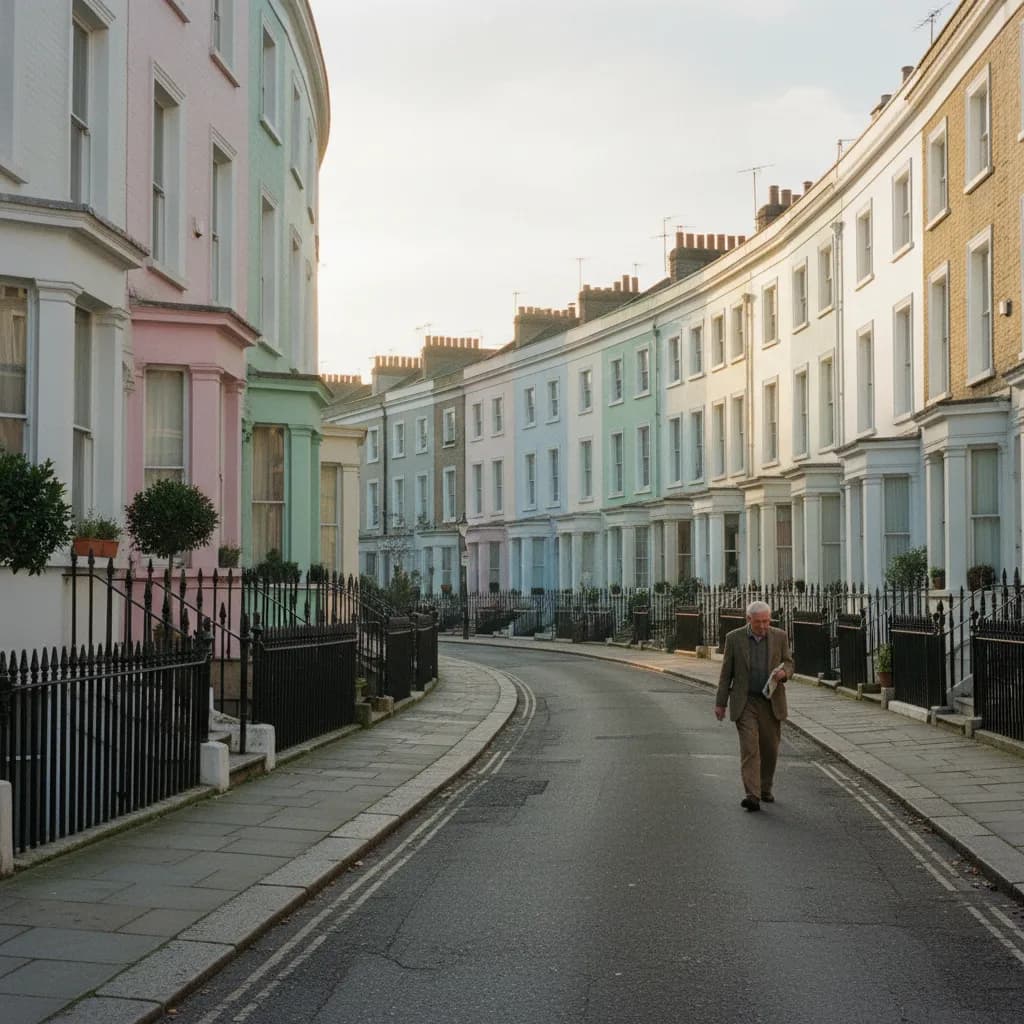
Notting Hill Scenic Walk Planner: Pastel Streets on Weekdays
A Notting Hill scenic walk is free and calmest on a weekday: start in Hillgate Village, stroll Portobello Road's pastel houses, then end on Westbourne Grove.
Notting Hill is one of the most photographed neighbourhoods in London, and on a Saturday it can feel like everyone else is trying to take the same picture. Come on a weekday morning, though, and the area relaxes into what it really is: a hilly residential district of pastel terraces, white stucco crescents and quiet garden squares, with a famous market street running through the middle. A good scenic walk here balances the classic sights with the side streets most visitors never find, and it moves at the pace of a long coffee rather than a sightseeing sprint.
Hillgate Village: The Colourful Warm-Up
Start just south of Notting Hill Gate in the little enclave often called Hillgate Village. These narrow streets are lined with small two-storey cottages painted in a cheerful mix of pinks, blues, yellows and greens, and they make a gentle, uncrowded introduction to the area. Walk a slow loop through the lanes, then pause at the small local pubs and cafés tucked between the houses. It is the kind of corner that makes you forget you are next to one of the busiest roads in west London.
Photographers love it here because the colours are vivid but the streets are calm. Please remember that these are private homes, so keep doorsteps clear, avoid posing on steps and keep noise down early in the day.
Up Pembridge Road to Portobello
Cross Notting Hill Gate and walk up Pembridge Road, which curves gently north and drops you at the top of Portobello Road. The first stretch is lined with pastel houses that have become famous from postcards and films, many with tidy front gardens and colourful doors. On a weekday the street is quiet enough to walk at leisure and enjoy the rhythm of the façades, each painted a different shade.
As you continue downhill, the residential terraces give way to shops, cafés and the start of the antiques trade. On weekdays many dealers are closed, but some arcades and shops still welcome browsers, and the quieter atmosphere makes it easier to admire the old shopfronts and painted signs. If you want the full market experience, come back on Saturday, but for scenery alone a weekday is far better.
The Antique Arcades and Market Stretch
The central part of Portobello Road is lined with covered arcades where antique dealers sell silver, jewellery, ceramics, cameras, maps and curiosities. Step inside one or two even if you are not shopping. The narrow aisles, glass cabinets and tiled floors feel like a glimpse into a slower era of trading. Further down, the street shifts to fruit and vegetable stalls, then to vintage clothing and second-hand finds under the motorway flyover.

Rather than walking the whole length, turn off at Elgin Crescent or Blenheim Crescent. These curving streets of tall stucco houses wrap around private communal gardens, and although the gardens are locked to the public, glimpses between the houses of lawns and big old trees give the area its leafy, secluded character. Blenheim Crescent also has a well-loved travel bookshop, a nice stop for anyone planning their next walk elsewhere.
Before leaving the market stretch, consider a short sit-down at one of the small cafés with window counters facing the street. Watching Portobello from a stool, with dealers carrying boxes, locals buying fruit and the occasional tour group drifting past, gives you a better sense of the street's personality than any landmark. It is also the moment to look at your route and decide whether you want the quieter hilltop crescents next or a longer detour toward the flyover and the vintage stalls further north.
Ladbroke Grove and the Hilltop Church
From the crescents, walk west to Ladbroke Grove and up toward the top of the hill, where a handsome Victorian church stands at the centre of Lansdowne Crescent and Ladbroke Square. This is the oldest part of the Ladbroke estate, laid out around a hilltop that once held a racecourse. The broad, quiet streets and stately white villas make a striking contrast with the busy market below, and the views down the curving crescents are some of the most elegant in London.
Take your time here. The route is mostly residential and very quiet, with tree-lined pavements that are a pleasure to walk. Look out for blue plaques, carved porches and the occasional glimpse into a communal garden through railings.
Finishing on Westbourne Grove
End the walk by heading east to Westbourne Grove, a leafy shopping street with independent boutiques, florists and cafés. It is a relaxed place to finish with lunch or a drink, and the side streets around Pembridge Square and Leinster Square offer more white stucco terraces if you want to extend the walk. From here, Notting Hill Gate and Bayswater stations are both within easy reach.
If you still have energy, a short walk south-west takes you to Holland Park, where the peaceful Japanese garden with its waterfall and koi pond makes a calming final scene. It adds time to the outing but is well worth it on a fine day.
Best Times and Who It Suits
Weekday mornings are ideal for a calm walk with good light on the pastel houses. Fridays bring a smaller market, and Saturdays are the main market day, lively but crowded. Late summer brings the famous carnival weekend, when the area is packed and the walk is not practical. Autumn and spring offer soft light and fewer visitors, and Christmas lights add sparkle to Westbourne Grove.
This route suits architecture lovers, photographers and visitors who want to see Notting Hill beyond the postcard view. Some streets are hilly and pavements can be narrow, so it is moderately accessible. Families can enjoy the colourful houses and the market, while couples often turn the walk into a long brunch.
Planning With Karpo APP
Tell Karpo APP which day you are going, how long you have and whether you want the market, the quiet crescents or both. Karpo suggests a route with cafés and bookshops along the way and can steer you away from the busiest stretches on market days. You can also ask for a version that ends in Holland Park or near your next stop.
Practical Notes for Notting Hill
Notting Hill Gate, Ladbroke Grove and Westbourne Park stations bracket the walk. Wear comfortable shoes for the slopes. The streets and arcades are free to explore, and dealers are usually happy to chat even if you are only browsing. Respect residents by keeping clear of doorsteps and front gardens when taking photographs.
Ask Karpo for more information.
Keep reading
- Bloomsbury Mews Walk Planner: Literary Brick Passages
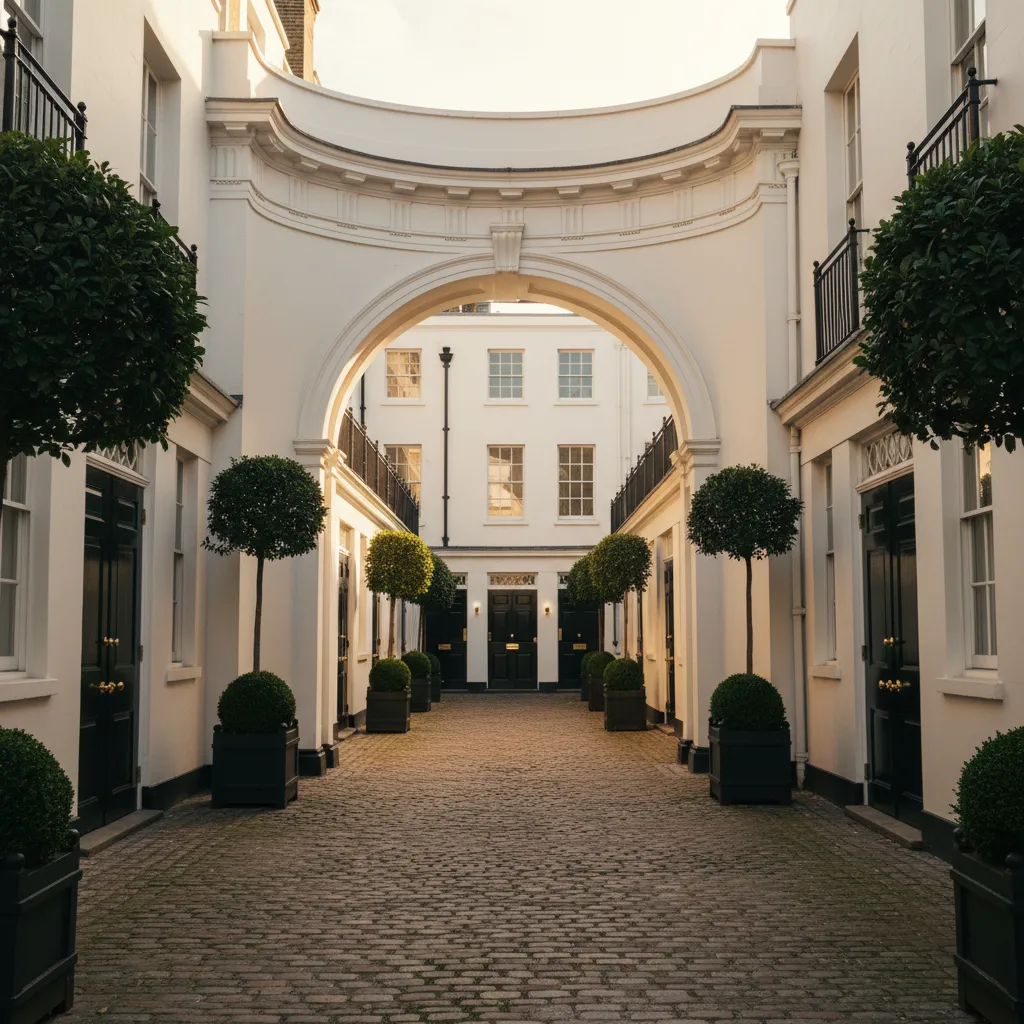 Belgravia Mews Walk Planner: Stucco Arches and Alleys
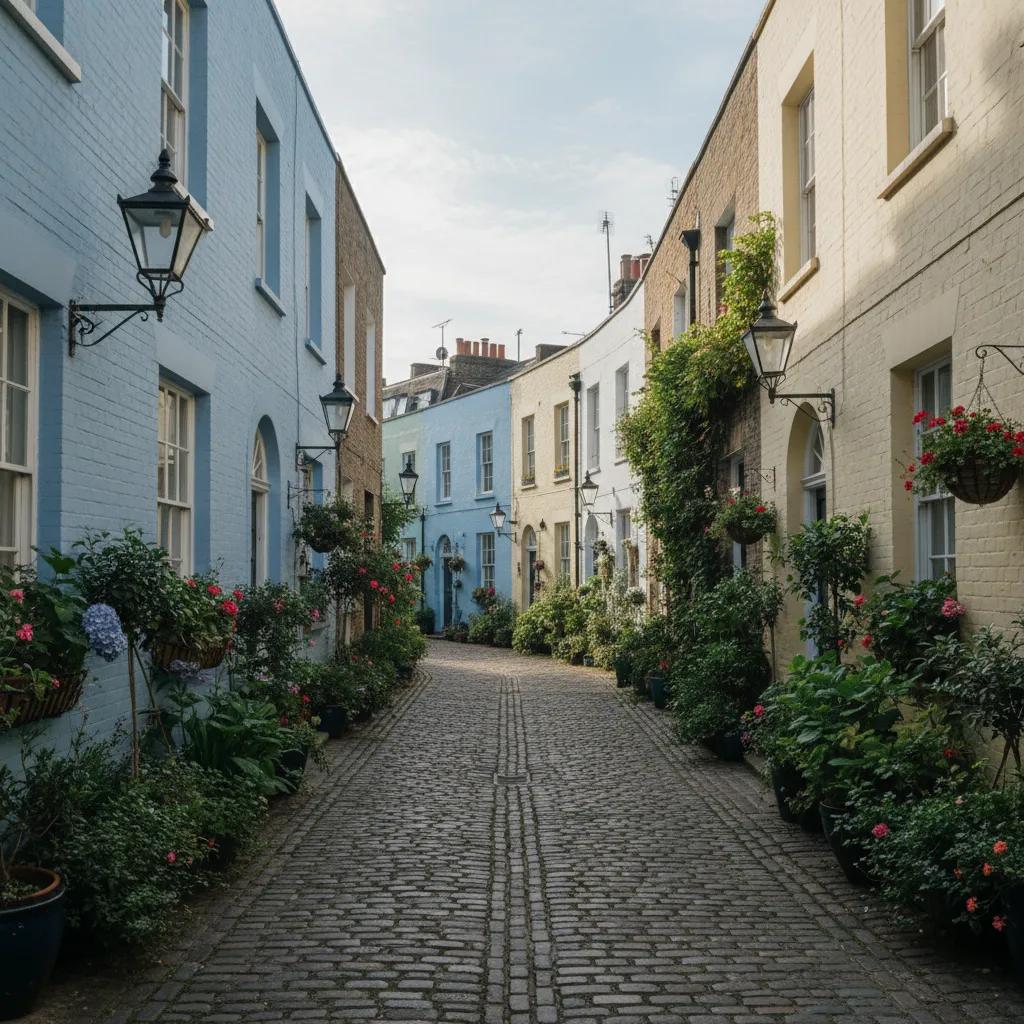 Notting Hill Mews Walk Planner: Quiet Painted Lanes