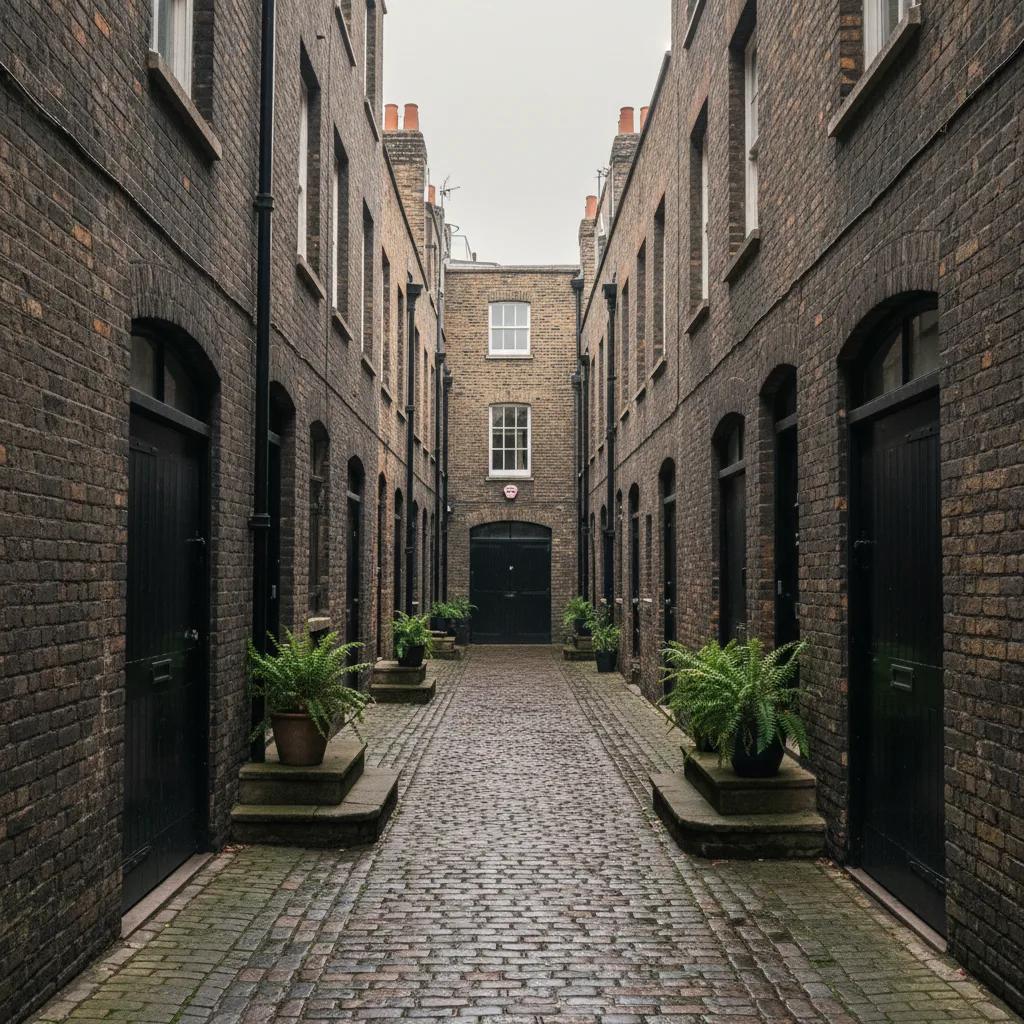
 Bloomsbury Mews Walk Planner: Literary Brick Passages
Neighborhood Guides
Scenic Walk Planner for Covent Garden: Hidden Courts at Dusk
A scenic Covent Garden walk is free and works best at dusk: start at Seven Dials, slip through Neal's Yard and Goodwin's Court, then end by the river gardens.
Covent Garden has a reputation problem. Most visitors arrive at the Piazza, watch a street performer, buy something in the market hall and leave thinking they have seen it. The neighbourhood they missed is quieter and far more charming: a web of alleys, courtyards and narrow streets wrapped around the old fruit and flower market, where the buildings still lean together like they did when this was the busiest wholesale district in London. The best way to find it is a short walk at dusk, when the shop windows light up and the alleys glow, and a little planning turns a crowded afternoon into a calm evening stroll.
Start at the Seven Dials Sundial
Seven Dials is the obvious starting point because seven streets meet at a single column topped with sundials. Stand at the base and you can see down each street, which makes it a natural place to orient yourself. The streets radiating out are lined with independent shops, small theatres and cafés, and their curving shopfronts have a pleasing rhythm. Walk a few metres down each spoke before choosing your direction. It is a quick way to sense which street has the light and mood you want that evening.
From the column, Monmouth Street and Earlham Street are good first choices. Both are narrow enough to feel intimate, with old warehouse buildings converted into boutiques. At dusk the upper floors catch the last light while the street level is already lit by shop windows, which gives the whole area a theatrical feel even before you reach the theatres.
Neal's Yard: A Courtyard Painted in Colour
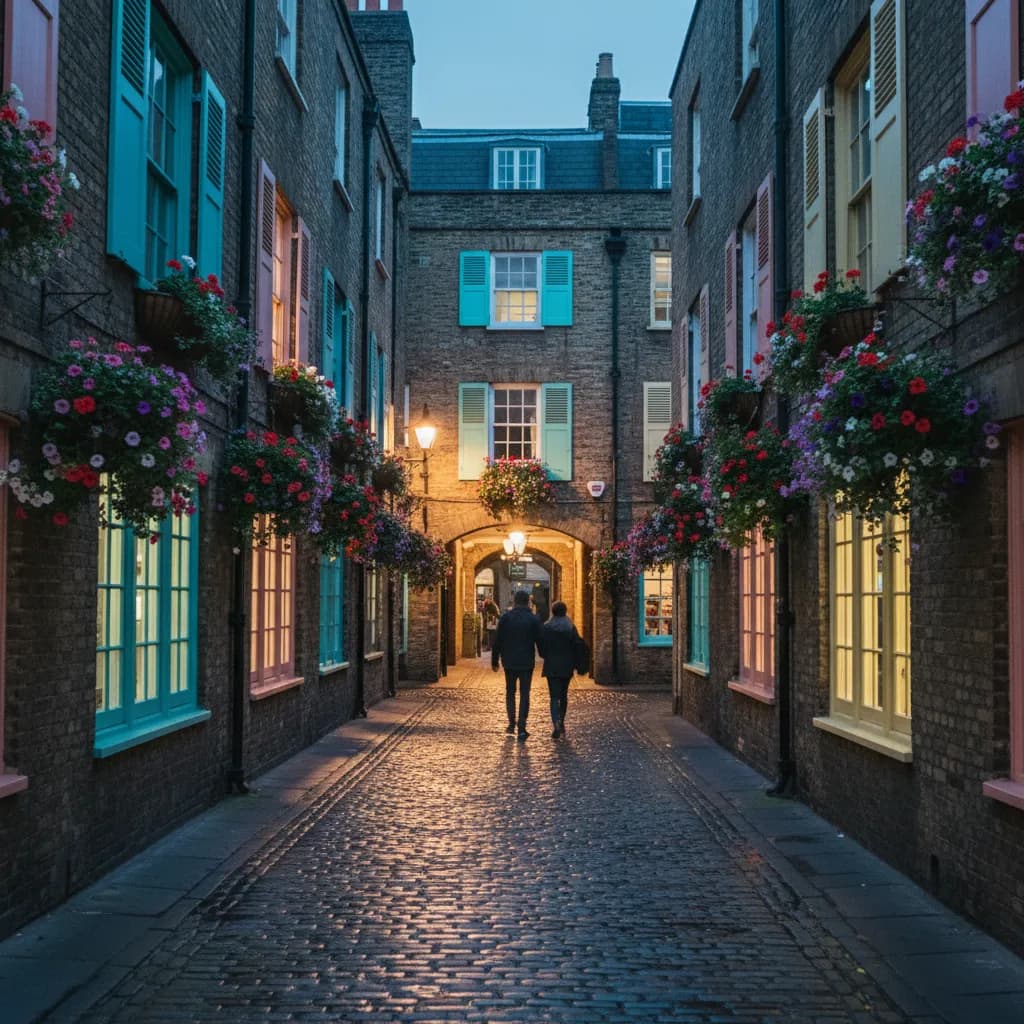
Just off Short's Gardens, a small passage opens into Neal's Yard, one of the most photographed corners of central London. The courtyard is ringed by buildings painted in vivid turquoise, pink, orange and yellow, with plants spilling from window boxes and hanging baskets. It has a long history as a home for wholefood cafés and alternative health shops, and it still feels a little bohemian. Visit at dusk and you often have it nearly to yourself, which is not something you can say at midday.
Take a moment to look up. The upper storeys, ladders and water barrels make this a courtyard that rewards a slow pan of the eyes rather than a single snapshot. If you want a hot drink, this is the moment, because the next stretch of the walk is mostly alleys with little room to stop.
Goodwin's Court and the Gaslit Alleys
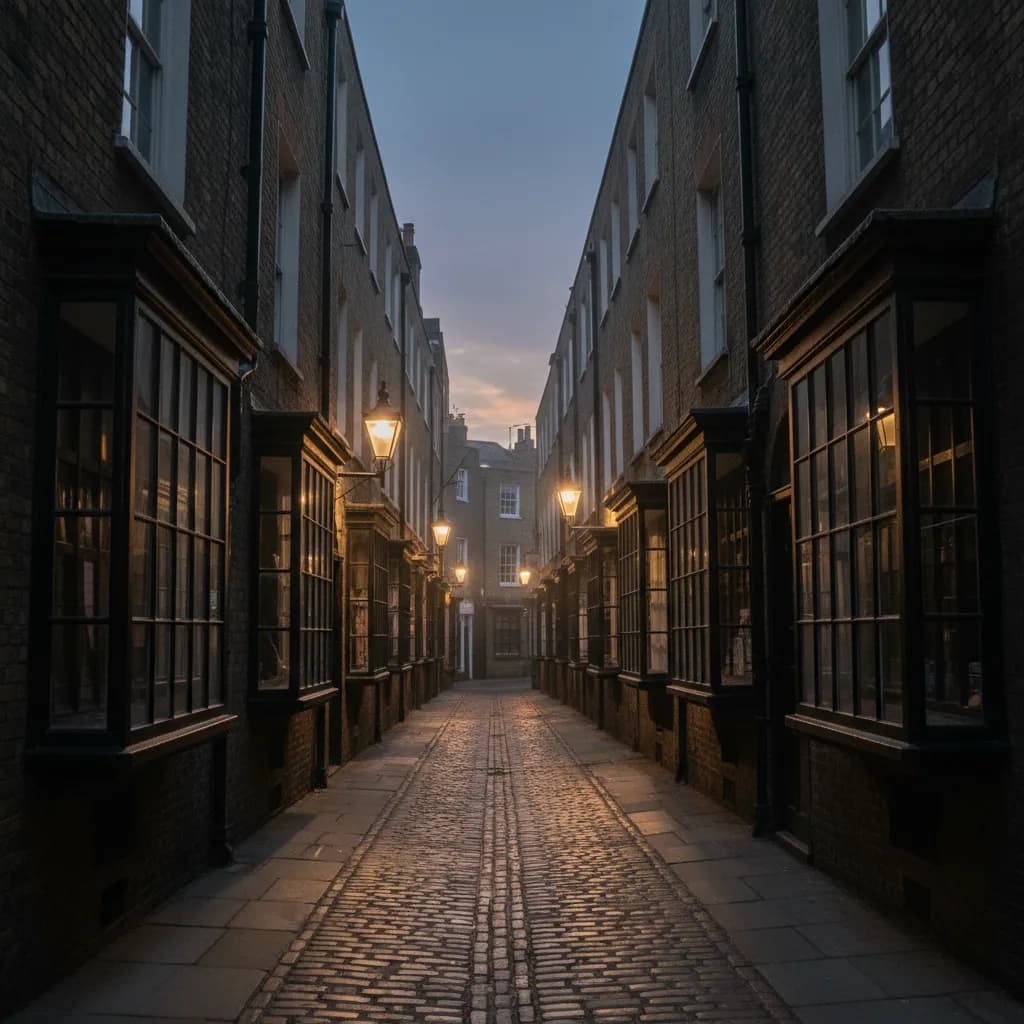
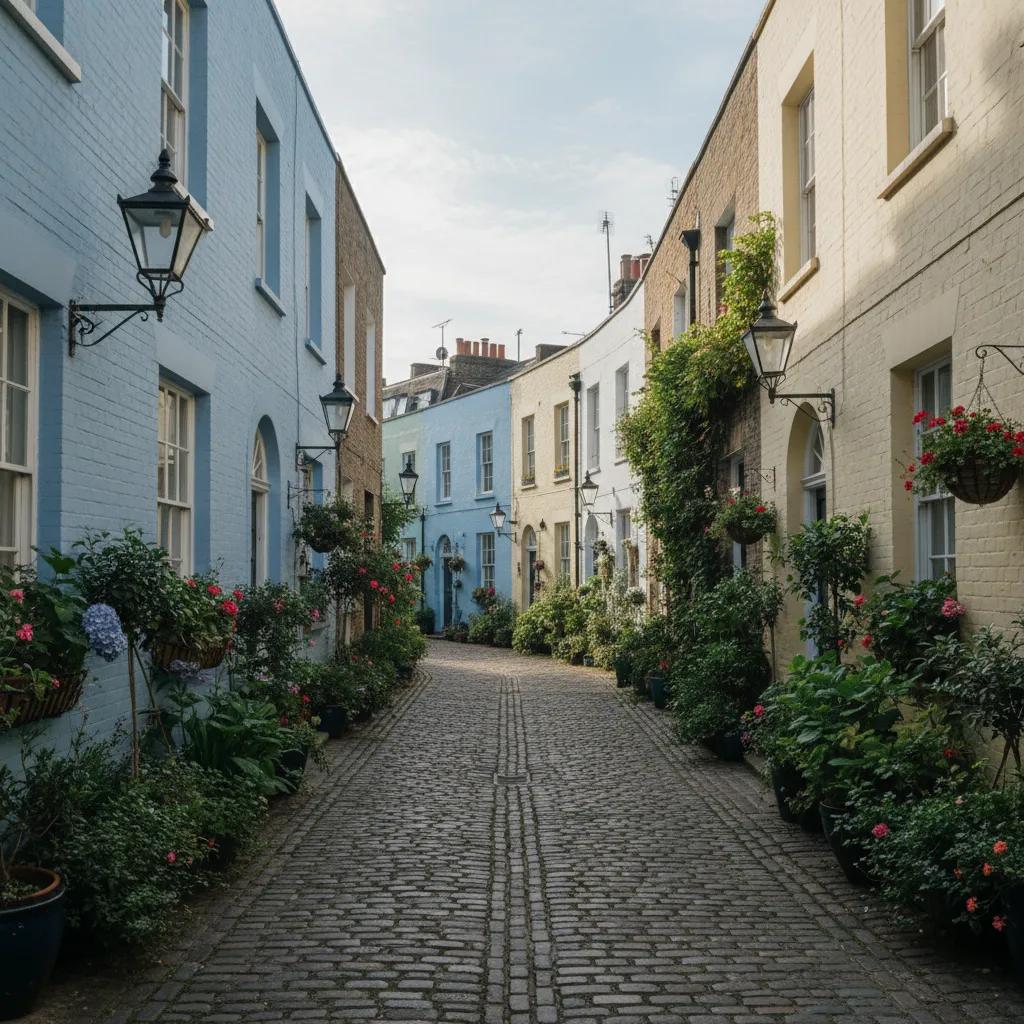
Cross Long Acre and head toward St Martin's Lane, where a narrow entrance leads into Goodwin's Court. This tiny alley is lined with bow-fronted Georgian shop windows and old-style lanterns, and it looks almost untouched by the last two centuries. It is a residential and office passage, so walk quietly and do not linger in doorways. Many people walk past the entrance without noticing it, which is exactly why it feels like a discovery.
Nearby, Rose Street leads to one of the oldest pubs in the area, tucked into a courtyard where drinkers spill outside on mild evenings. Even if you do not stop for a pint, the cobbles and dark timber give a strong sense of what the district felt like long before the market was turned into shops. Floral Street, which runs behind the opera house, is another quiet corridor worth walking, with an elegant footbridge overhead linking two parts of the theatre.
The Piazza and the Actors' Church Garden
Now you can visit the Piazza, but come at it from the west, through the churchyard of St Paul's, known as the Actors' Church. Its garden is a small, peaceful enclosure with benches and memorial plaques to performers, and it sits directly behind the portico where street acts gather. Entering through the garden lets you appreciate the scale of the Piazza from a calm vantage point before you step into the bustle.
Inside the market building, the iron and glass roof is the main attraction for a scenic walk. Look up at the structure rather than at the stalls, then walk through to the east side, where the old Jubilee Market hall and the Transport Museum frontage complete the market square. In the evening the arcades are lit and the noise softens, which makes this a good moment to linger.
Down to the River for the Finish
From the Piazza, walk south across the Strand and down toward the Thames. Victoria Embankment Gardens offer a green, tree-lined finish with benches and flowerbeds, and on the far side the river opens up with views toward the South Bank. Crossing a bridge here at dusk is one of the best simple views in London, with the lights coming on along both banks. If you prefer to end with dinner, turn back toward Maiden Lane and the side streets instead.
When This Walk Works Best
Choose a weekday evening if you can. Weekends bring heavier crowds, especially in the Piazza and around Seven Dials. In winter the walk shifts earlier because the light goes sooner, and the Christmas decorations make the courtyards especially atmospheric. In summer, aim for the hour before sunset so you see both the golden light and the shop lights. Rain is not a disaster here, as the market arcades and narrow lanes give plenty of shelter.
This route suits couples looking for a pre-theatre stroll, visitors who want a calmer side of the West End, and photographers who love colour and lamplight. It is mostly flat, with some cobbles and narrow pavements, so wheelchair users and parents with buggies may want to skip Goodwin's Court and take St Martin's Lane instead.
Let Karpo APP Shape Your Evening
Tell Karpo APP where you are starting, how much time you have before a show or dinner, and whether you prefer quiet alleys or lively squares. Karpo suggests a route that strings together courtyards, gardens and nearby cafés, and you can ask for a shorter loop if your plans change. If you want a pre-theatre bite, ask for something close to your venue so the walk ends right where you need to be.
Practical Notes for Covent Garden
Covent Garden station is often crowded, so consider arriving at Leicester Square, Holborn or Tottenham Court Road and walking in. Wear shoes with grip, because the cobbles get slick after rain. Keep an eye on bags in the Piazza. The courtyards and alleys are free to walk, but some are private passages, so stay respectful of residents and businesses and keep your voice down after dark.
Ask Karpo for more information.
Keep reading
- Bloomsbury Mews Walk Planner: Literary Brick Passages
 Belgravia Mews Walk Planner: Stucco Arches and Alleys
 Notting Hill Mews Walk Planner: Quiet Painted Lanes