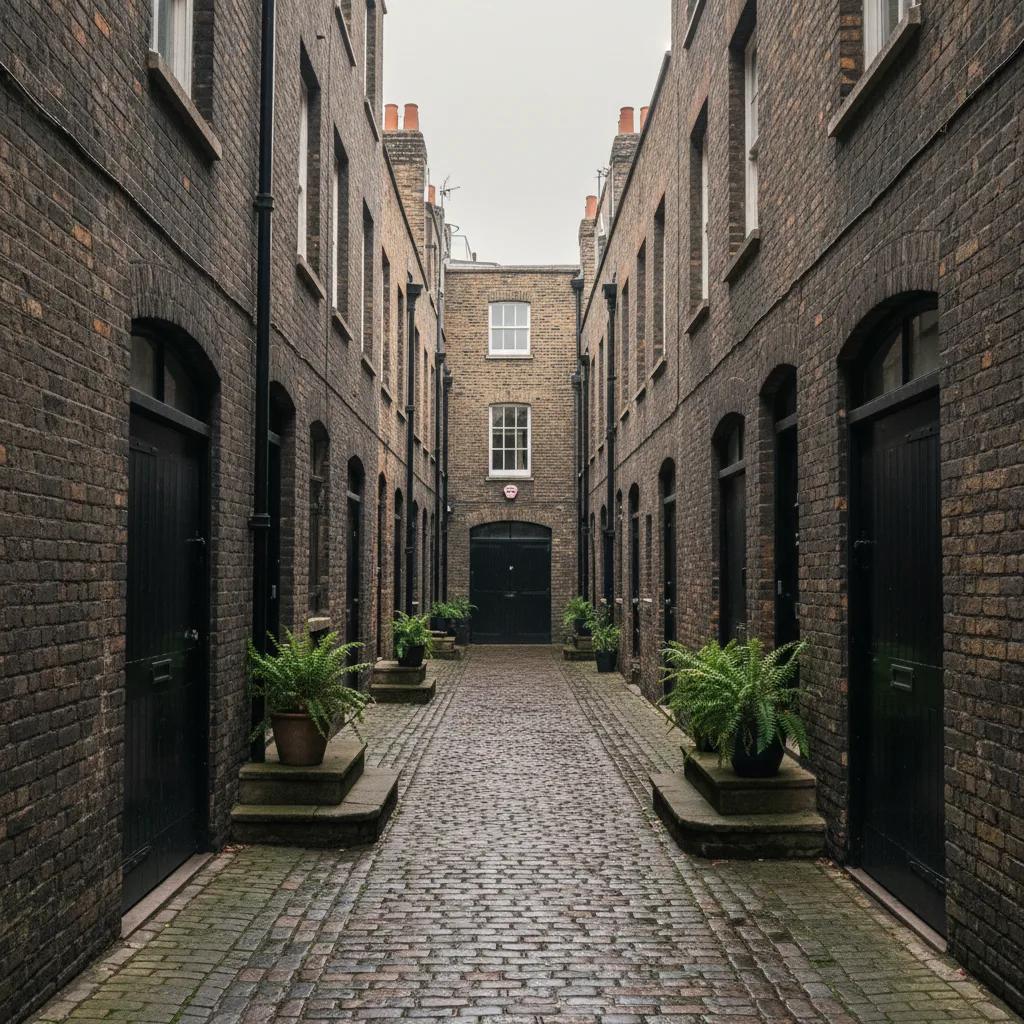
 Bloomsbury Mews Walk Planner: Literary Brick Passages
Neighborhood Guides
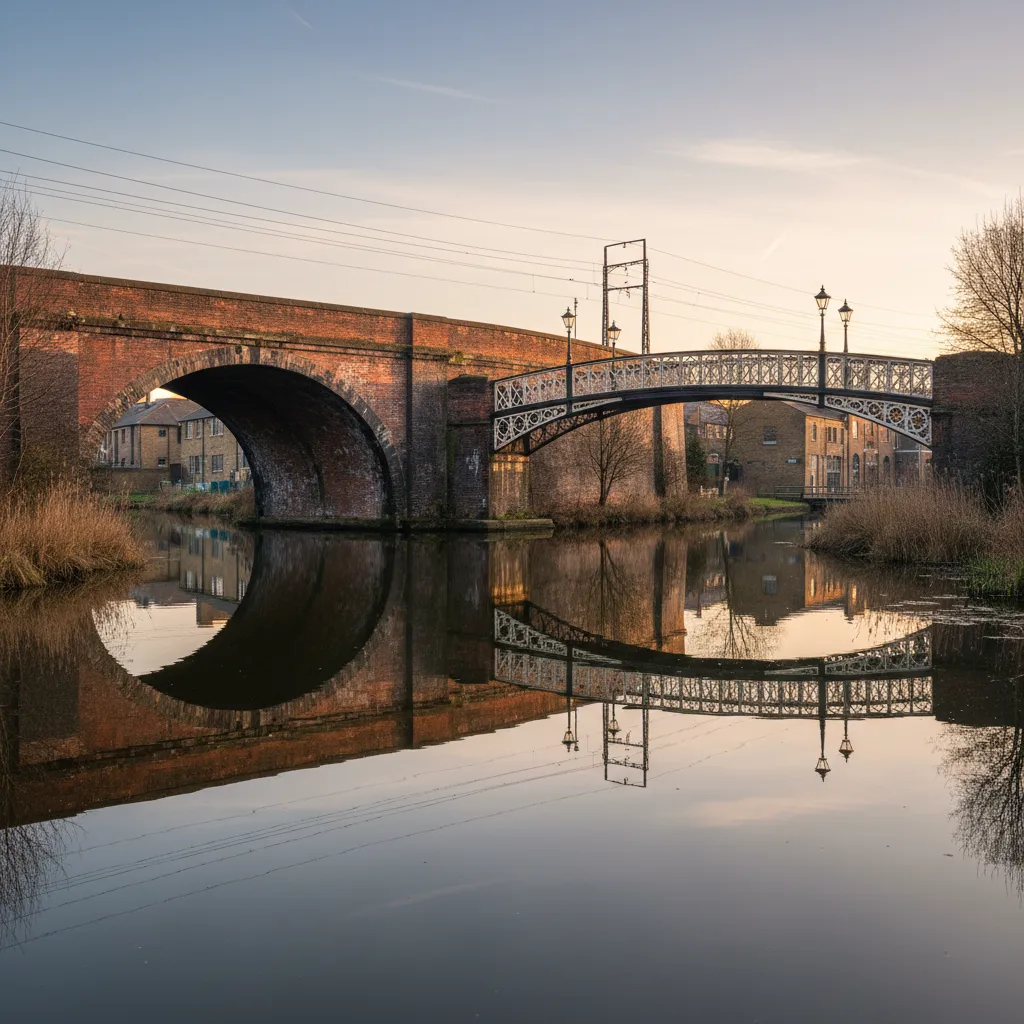
Scenic Canal Bridge Route From Bloomsbury To King's Cross
This scenic canal bridge route in London leaves Bloomsbury's garden squares and walks north to Regent's Canal at King's Cross, Granary Square and Camley Street.
Bloomsbury is a neighbourhood of garden squares, museums and Georgian terraces, and there is no canal running through it. What it does have is a short, pleasant walk north to one of the best stretches of Regent's Canal in central London. This scenic canal bridge route starts among the plane trees of Russell Square and ends on the towpath at King's Cross, where locks, footbridges and converted Victorian goods buildings sit side by side on the water.

The whole walk takes about half an hour at an easy pace before you reach the canal, and you can spend as long as you like once you are there. It suits a morning before the museums open, or a late afternoon when the light falls across the water at Granary Square.
Russell Square and the Bloomsbury Squares
Start in Russell Square, one of the largest of the Bloomsbury squares. The gardens were laid out in the early nineteenth century and still have the feel of a quiet green room in the middle of the city, with the fountain at the centre and tall trees around the edges. The British Museum is only a few streets to the west if you want to begin with a visit.
Head north through the smaller squares that give the area its character. Each one has its own feel: some are open public gardens, others are lined with university buildings, and all of them break up the walk with patches of shade and benches. Brunswick Square and the streets around Coram's Fields, the children's park on the site of the old Foundling Hospital, are a good line to follow.
As you continue north toward the Euston Road, the Georgian terraces give way to busier streets. Crossing at King's Cross, you pass between two of London's great railway stations, King's Cross and St Pancras, whose brick and glass frontages make a dramatic gateway to the canal side.
St Pancras, with its red-brick Gothic hotel front, and the plainer twin arches of King's Cross were both built in the Victorian railway boom, and the goods yards behind them handled the freight that the canal had once carried alone. Walking past them on the way to the water is a reminder that the railway eventually took over much of the canal's trade.
Granary Square and the Canal Steps
Behind King's Cross Station, the streets lead into the redeveloped goods yard and down to Granary Square. The square takes its name from the Granary Building, a Victorian warehouse built to store grain brought in by rail and canal, now home to Central Saint Martins, the art and design college.
On the south side of the square, wide grass-covered steps run down to the edge of Regent's Canal. This is the place to sit for a while. Narrowboats pass slowly, the towpath runs along the far bank and the bridges over the canal frame the view in both directions. On fine days the steps fill with students and visitors, but there is usually space if you come early.
Regent's Canal was completed in 1820 to link the Grand Junction Canal at Paddington with the Thames at Limehouse, and this stretch around King's Cross was once one of its busiest. Coal, grain and building materials were moved between barges and the railway here, which is why so many of the surviving buildings face the water.
Footbridges, Locks and Camley Street
Walk west along the towpath from Granary Square to reach St Pancras Lock, where boats are raised and lowered between levels of the canal. The lock gates, the cottages beside them and the moored boats make it one of the prettiest corners of the route, and it is worth pausing to watch if a boat is passing through.
Close by, the restored frames of the old gasholders rise beside the canal. One has been turned into a small circular park, and the others now wrap around apartment buildings. Their ironwork is one of the strongest links to the area's industrial past.
Across the water, Camley Street Natural Park is a small nature reserve run by the London Wildlife Trust, with ponds, reed beds and woodland on land that was once a canal-side coal yard. A pedestrian bridge links it with the Granary Square side, so you can cross over and walk through the reserve before returning to the towpath.
Stand in the middle of that bridge for the best single view of the route. Looking one way, you see the lock and the gasholder frames; looking the other, the steps of Granary Square drop down to the water with the old warehouse behind them. It is a compact scene that sums up how the canal, the railway and the new neighbourhood fit together.
Coal Drops Yard, a short walk from the square, reuses the long Victorian sheds where coal was unloaded from rail wagons. The curved new roof joining the two buildings is a modern addition, and the yard below is lined with shops and places to eat if you want a break before heading back.
Walking Etiquette on the Towpath
The towpath is shared between walkers, runners and cyclists, and in places it narrows under bridges. Keep to one side, listen for bells, and step aside rather than stopping in the middle when you want a photograph. Near the locks, keep well back from the edge, especially with children.
Many of the narrowboats along this stretch are people's homes. Admire them, but avoid peering into windows or leaning on the boats. Mooring ropes and gangplanks can stretch across the path, so watch your footing.
Practical Notes
Russell Square Station on the Piccadilly line is the natural starting point, and King's Cross St Pancras, served by several Underground lines and mainline trains, puts you right at the canal end. You can also walk the route in reverse and finish with a museum or a quiet bench in Bloomsbury.
The streets of Bloomsbury are level and easy, while the canal side has steps at Granary Square and ramps in several places. Bring a layer for the towpath, where it is often breezier than in the squares.
For a longer walk, continue east along the canal toward Islington, where the towpath leaves the water at the Islington Tunnel, or west toward Camden Lock. Both directions keep the canal and its bridges in view for most of the way.
Save the route in the Karpo APP and build the rest of your day around it, whether that means a morning at the British Museum first or an evening meal near King's Cross afterwards. It is a short walk that shows two very different sides of the same part of London.
Ask Karpo for more information.
Keep reading
- Bloomsbury Mews Walk Planner: Literary Brick Passages
 Belgravia Mews Walk Planner: Stucco Arches and Alleys
 Notting Hill Mews Walk Planner: Quiet Painted Lanes