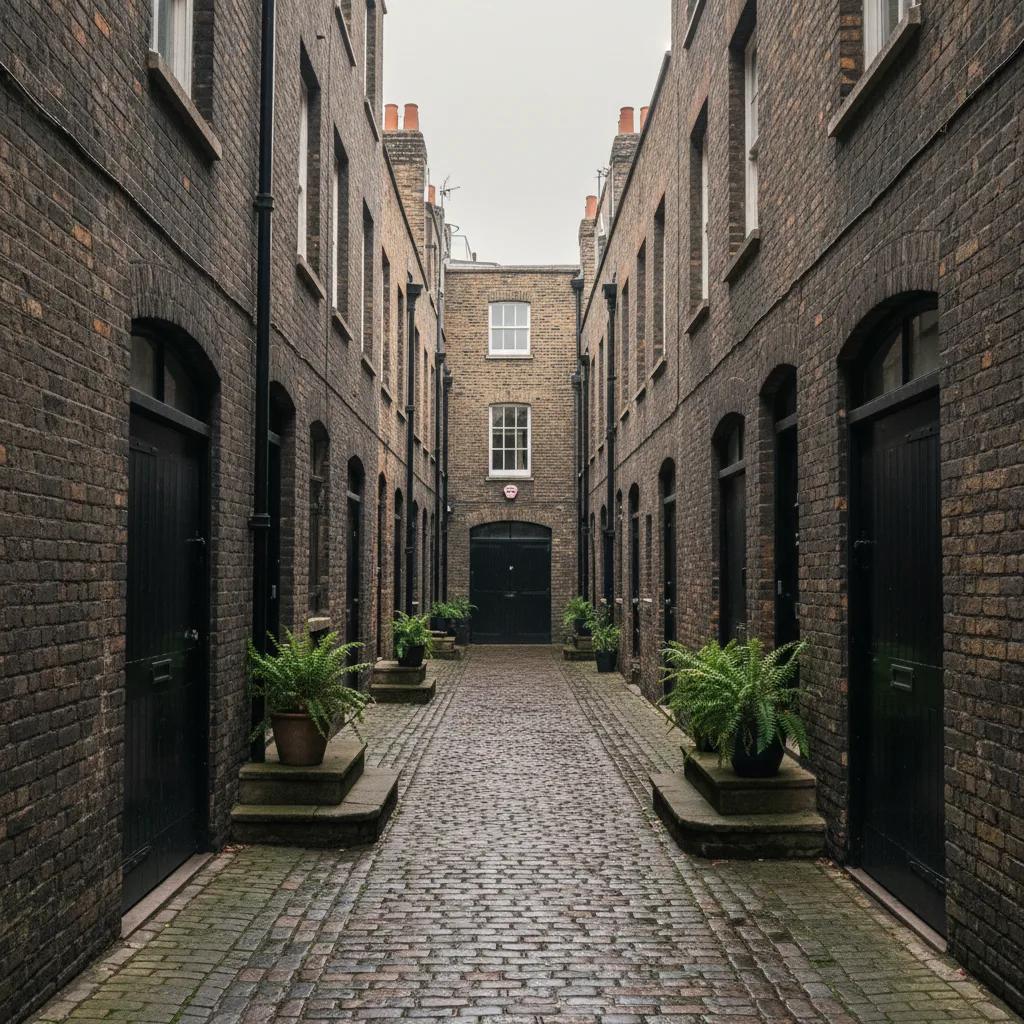
 Bloomsbury Mews Walk Planner: Literary Brick Passages
Neighborhood Guides
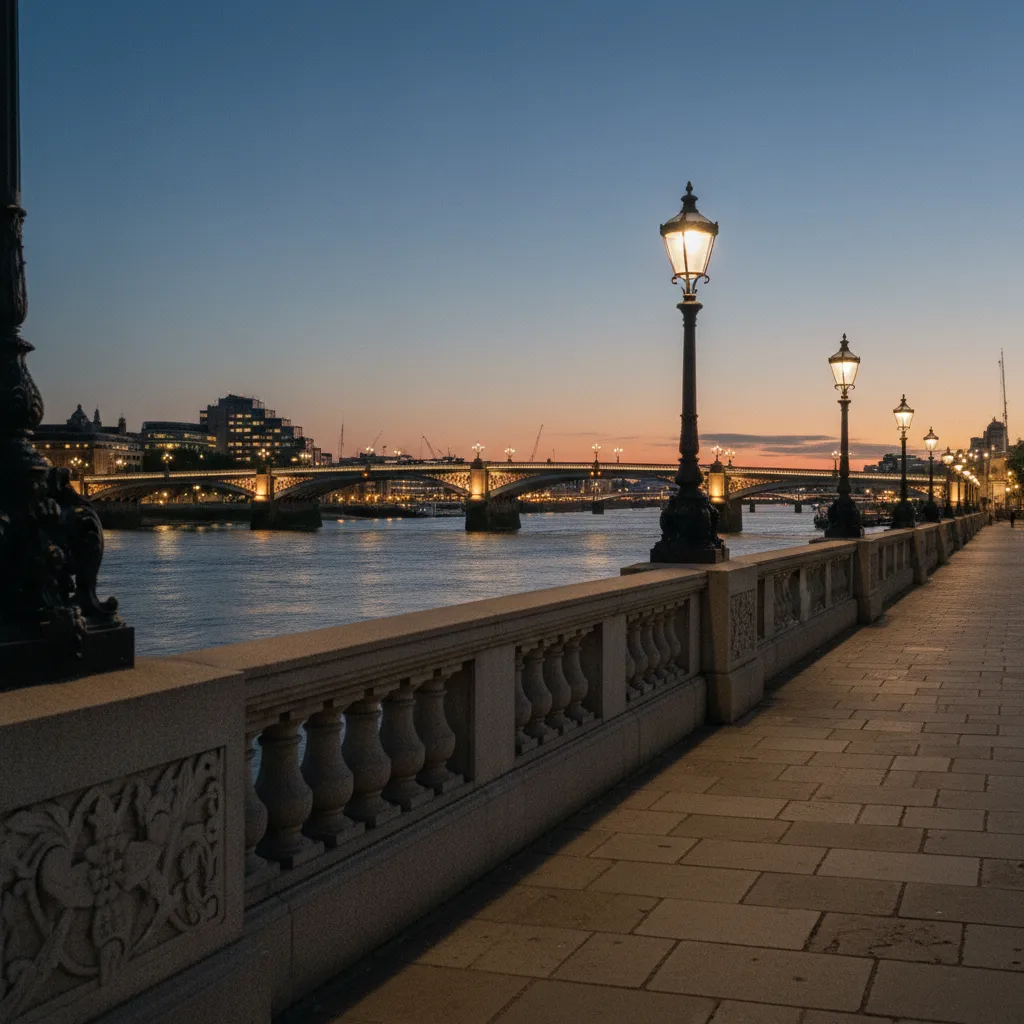
London Riverside Promenade Loop: Soho to Thames Lanes
Plan a scenic riverside promenade loop connecting Soho across Covent Garden lanes down to the Victoria Embankment along the River Thames in central London.
Connecting the vibrant pedestrian alleys of central London with the sweeping waters of the Thames, this riverside promenade loop links Soho and Covent Garden directly to the Victoria Embankment. Rather than keeping solely to crowded commercial shopping thoroughfares, this scenic circuit guides walkers through quiet historic mews and cobbled courtyards down to the expansive tidal riverfront. It provides an unhurried itinerary combining architectural heritage, shaded riverside paths, panoramic bridge crossings, and refreshing open-air urban exploration.

Connecting West End Alleys to the Riverfront
Stepping from the energetic pulse of Soho down into the quieter pedestrian passages of Covent Garden, this walking circuit connects celebrated theatre lanes with the tranquil granite terraces of the Victoria Embankment. Setting out along Old Compton Street and cutting through pedestrianized Cecil Court, the route weaves between antiquarian bookshops, traditional gaslamp brackets, and tucked-away courtyards. The path provides a continuous and engaging urban transition from crowded retail corridors directly to wide open tidal horizons.
Continuing across St Martin's Lane into Goodwin's Court and New Row, the architectural scale tightens pleasingly into eighteenth-century bow-windowed shopfronts and cobbled pavement. These sheltered passageways offer a contemplative contrast to the wide avenues of the Strand just ahead. Walkers can easily navigate down through Savoy Place and the quiet archways beneath Charing Cross, emerging seamlessly onto the historic waterfront esplanade.
The arrival at the riverside reveals an immediate change in sensory atmosphere as urban traffic hum recedes behind mature London plane trees. Here, the broad expanse of the River Thames opens up dramatically, reflecting shifting northern skies and the silhouette of south London across the water. The transition feels both natural and restorative, proving how quickly central London lanes lead to open watercourses.
Taking time to appreciate these transitional alleys underscores how London grew outward from the riverbanks over centuries. Narrow passages like Carting Lane still feature working sewer gas lamps, reminding observant walkers of the Victorian sanitary innovations that shaped modern London. Moving through these corridors creates a rich narrative context before you even step onto the river's edge.
Tracing the Victoria Embankment Promenade
Stepping onto the wide stone flagstones of Victoria Embankment, walkers encounter one of nineteenth-century London's greatest civil engineering achievements designed by Sir Joseph Bazalgette. Solid Portland stone balustrades line the water's edge, punctuated at regular intervals by majestic bronze lion-head mooring rings and ornate cast-iron dolphin lampposts. The walking surface is exceptionally broad, allowing an unhurried walking rhythm away from vehicular thoroughfares.
Looking eastward along the riverbank curve, Cleopatra's Needle stands proudly between two bronze sphinx statues overlooking the gentle lapping of the tidal river. Wooden public benches are spaced thoughtfully along the river wall beneath overhanging foliage, providing quiet perches to observe tugboats, river cruisers, and sculling crews navigating the central navigation channels.
The riverfront pathway remains virtually level throughout this stretch, bordered on the landward side by the landscaped greenery of Victoria Embankment Gardens. Colorful seasonal flowerbeds, historic bandstands, and statues commemorating civic figures provide a sheltered parallel path if river winds become brisk during autumn afternoons.
The engineering beneath your feet holds immense historic significance, as this entire riverside esplanade was reclaimed directly from tidal mudflats during the 1860s. It neatly accommodated the District Railway underground tracks and the low-level intercepting sewer system while gifting Londoners an expansive promenade that remains among the city's most generous pedestrian assets.
River Crossings and Panorama Vantage Points
Ascending the pedestrian flight up to Waterloo Bridge offers what many consider the finest urban river vista in the British capital. Looking east downriver, St Paul's Cathedral dome rises grandly above the City financial towers and historic wharves, while looking west captures the Palace of Westminster and the London Eye. Walking across the broad footway allows pedestrians to appreciate the natural bend in the river that gives London its unique shape.
Reaching the South Bank, the promenade hugs Queen's Walk beneath the National Theatre and Southbank Centre. This stretch hums with cultural activity, populated by second-hand book stalls beneath Waterloo Bridge arches, public art installations, and street performers. The wide riverside walkway offers uninterrupted views back across the water to the classical facade of Somerset House.
Recrossing the river via the Golden Jubilee Bridges alongside Hungerford Bridge completes the loop back toward the north bank. These slender cable-stayed pedestrian bridges provide elevated timber walkways and glazed viewing bays directly over the water, offering dramatic downriver perspectives as commuter trains glide quietly into Charing Cross Station.
Pausing halfway across the pedestrian span at dusk rewards walkers with glittering reflections stretching across the water as city lights illuminate the Thames. The gentle breeze off the river provides a refreshing contrast to the sheltered interior alleys, highlighting London's dynamic relationship with its tidal waterway.
Seasonal Timing and Atmospheric Transitions
The ideal time to undertake this riverside circuit is late afternoon as golden hour light illuminates the riverbanks and stone buildings. Around an hour before sunset, the Portland stone facades of the South Bank and Somerset House glow with rich warm amber tones, and the setting sun silhouettes the Westminster towers against pale sky.
Early morning walks between 7:00 AM and 8:30 AM present an entirely different character marked by calm tranquility. Mist often clings softly to the water's surface, and commuter river ferries leave gentle expanding ripples as the city slowly stirs to life. Street cleaners and morning joggers share the wide riverside pavements, creating a spacious and contemplative setting.
Midday walking during bright weekends brings cheerful bustle around Covent Garden piazza and South Bank terraces. When visiting during busy hours, staying close to the water's stone balustrades preserves a peaceful cadence, while the shaded tree canopies along Victoria Embankment shield walkers from direct sun or sudden passing showers.
Practical Notes and Route Guidance
Begin your journey near Leicester Square or Covent Garden underground stations and conclude conveniently at Charing Cross or Embankment stations. The complete circular loop measures approximately four kilometers and can be comfortably completed in eighty to ninety minutes at a relaxed conversational pace. The route is entirely barrier-free with gentle gradients, dropped curbs, and elevator access provided at the Golden Jubilee Bridges.
Sturdy walking shoes are recommended for the transition across cobbled alleyways and stone riverside flags. Public drinking fountains and well-maintained public restrooms are situated within Victoria Embankment Gardens and Southbank Centre. This route demonstrates how thoughtful urban planning preserves open waterfront recreation directly accessible from London's most historic interior lanes.
When planning your return leg through Covent Garden, consider taking Maiden Lane or Henrietta Street for an atmospheric final stroll. These gentle uphill streets ease you gradually away from the tidal river basin and back into London's vibrant theatre district, completing a thoroughly rewarding walking loop.
Ask Karpo for more information.
Keep reading
- Bloomsbury Mews Walk Planner: Literary Brick Passages
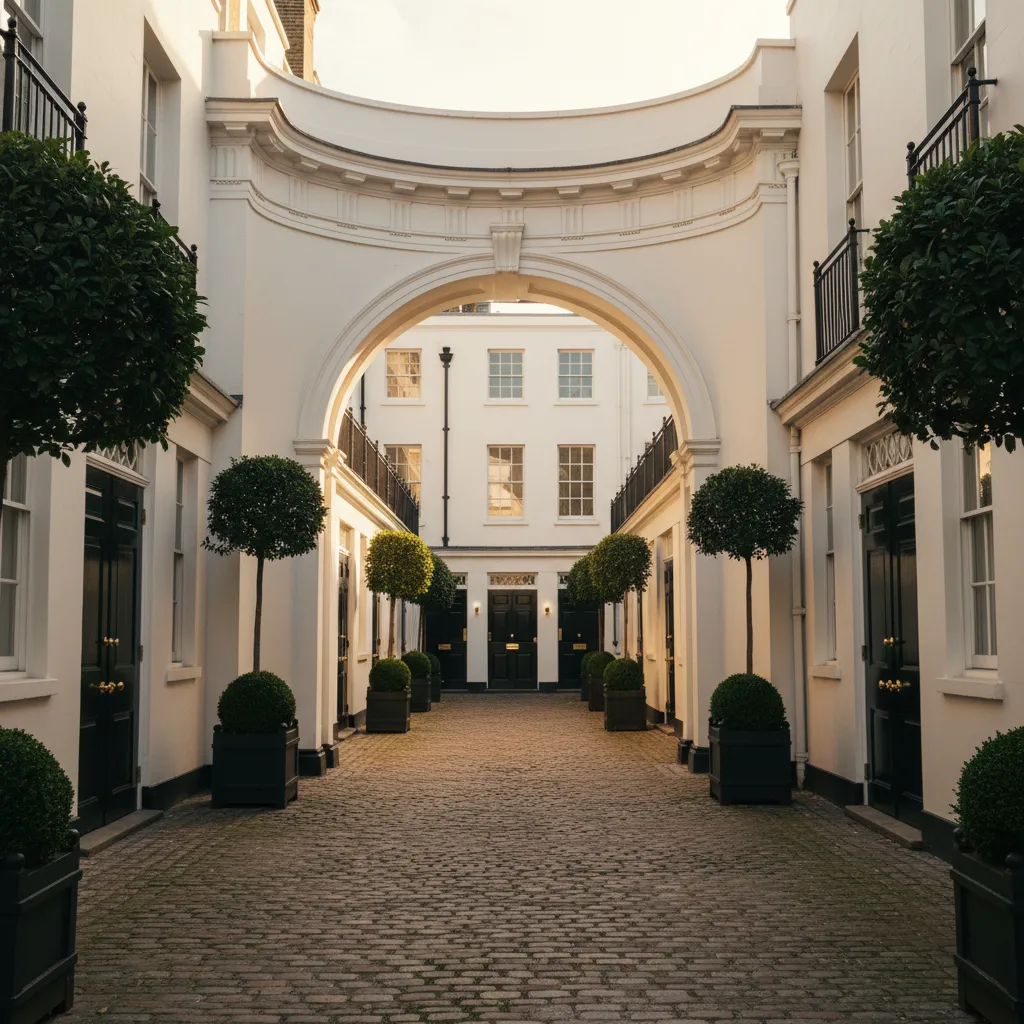 Belgravia Mews Walk Planner: Stucco Arches and Alleys
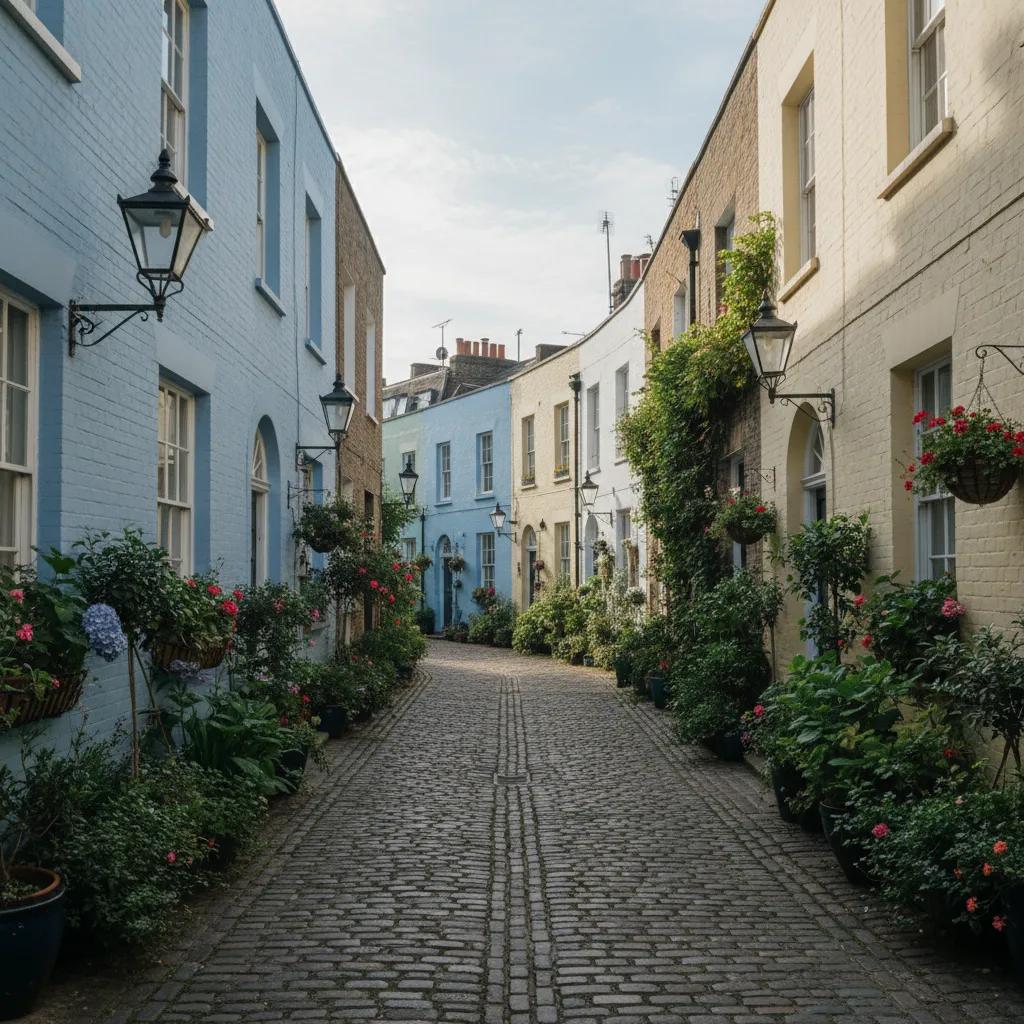 Notting Hill Mews Walk Planner: Quiet Painted Lanes