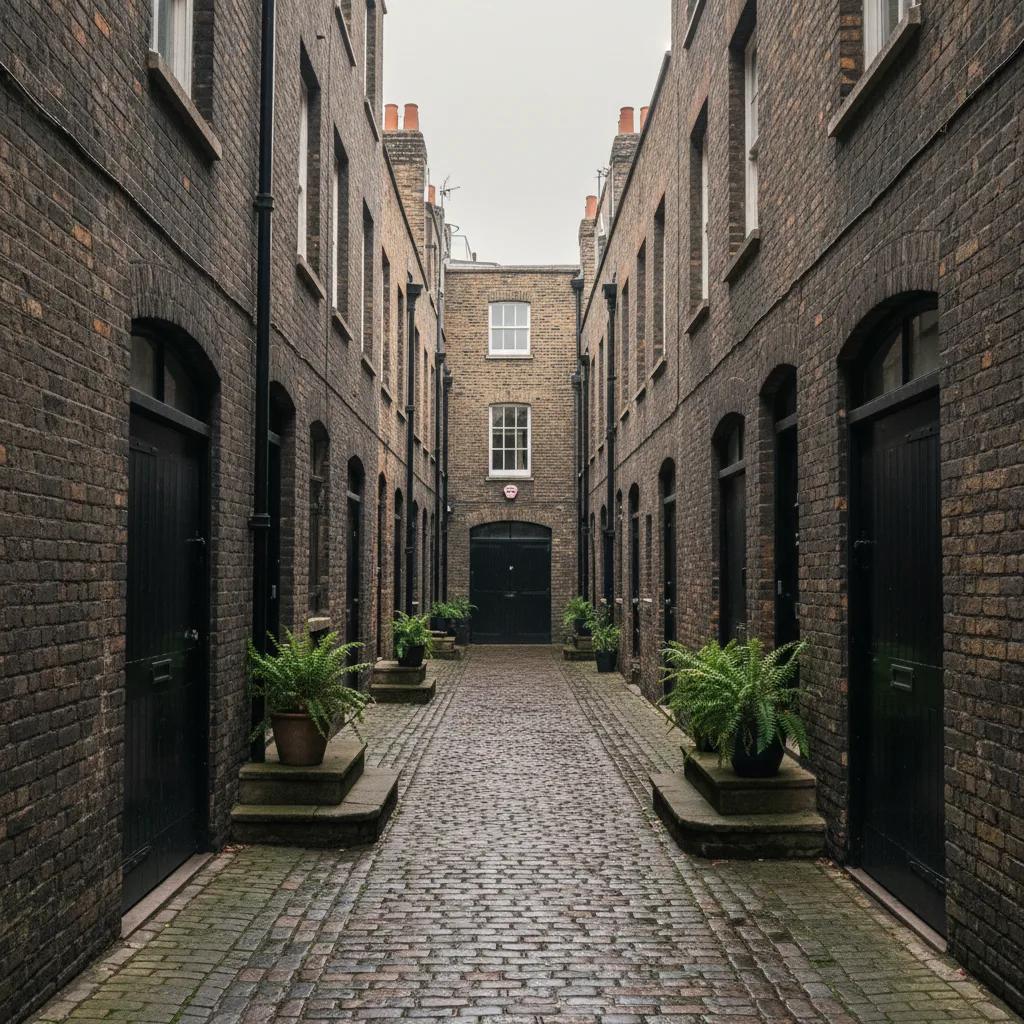
 Bloomsbury Mews Walk Planner: Literary Brick Passages
Neighborhood Guides
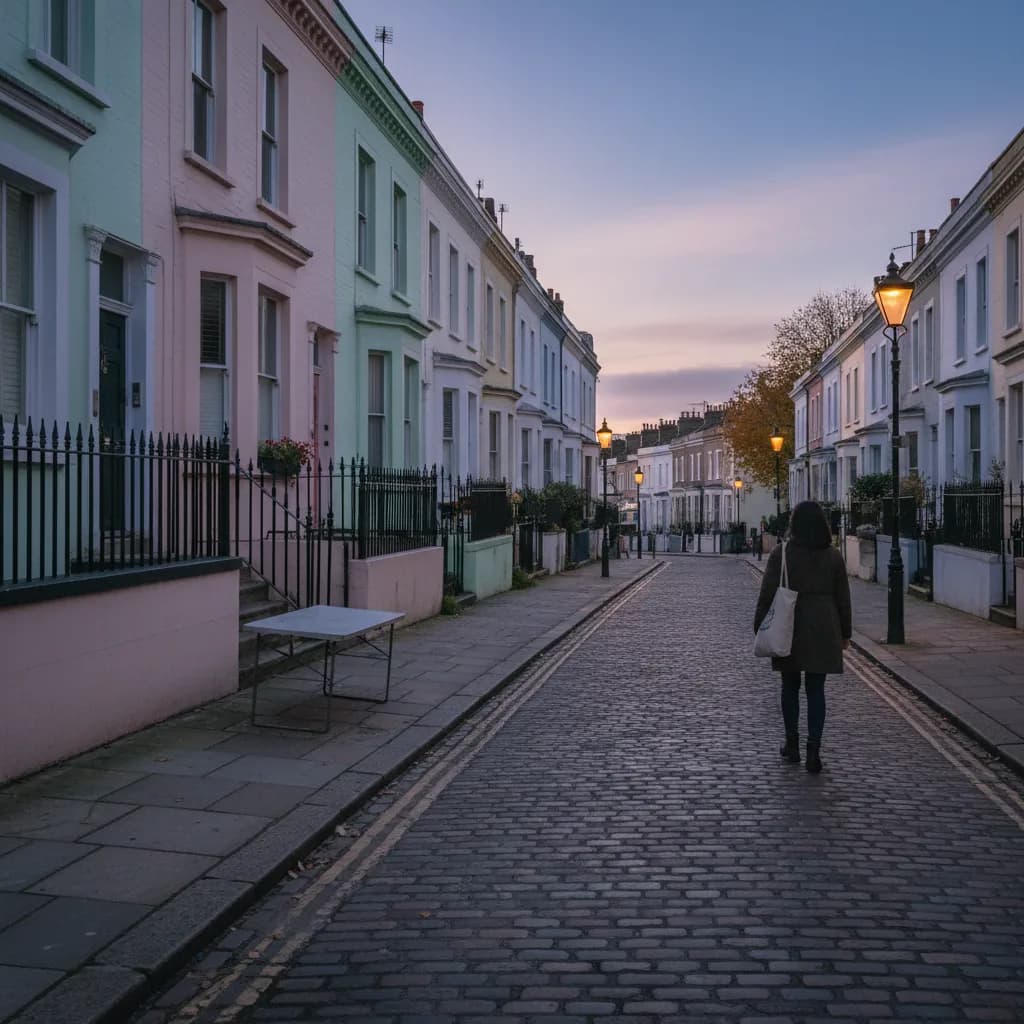
Notting Hill Post Work Route Planner: After the Stalls Close
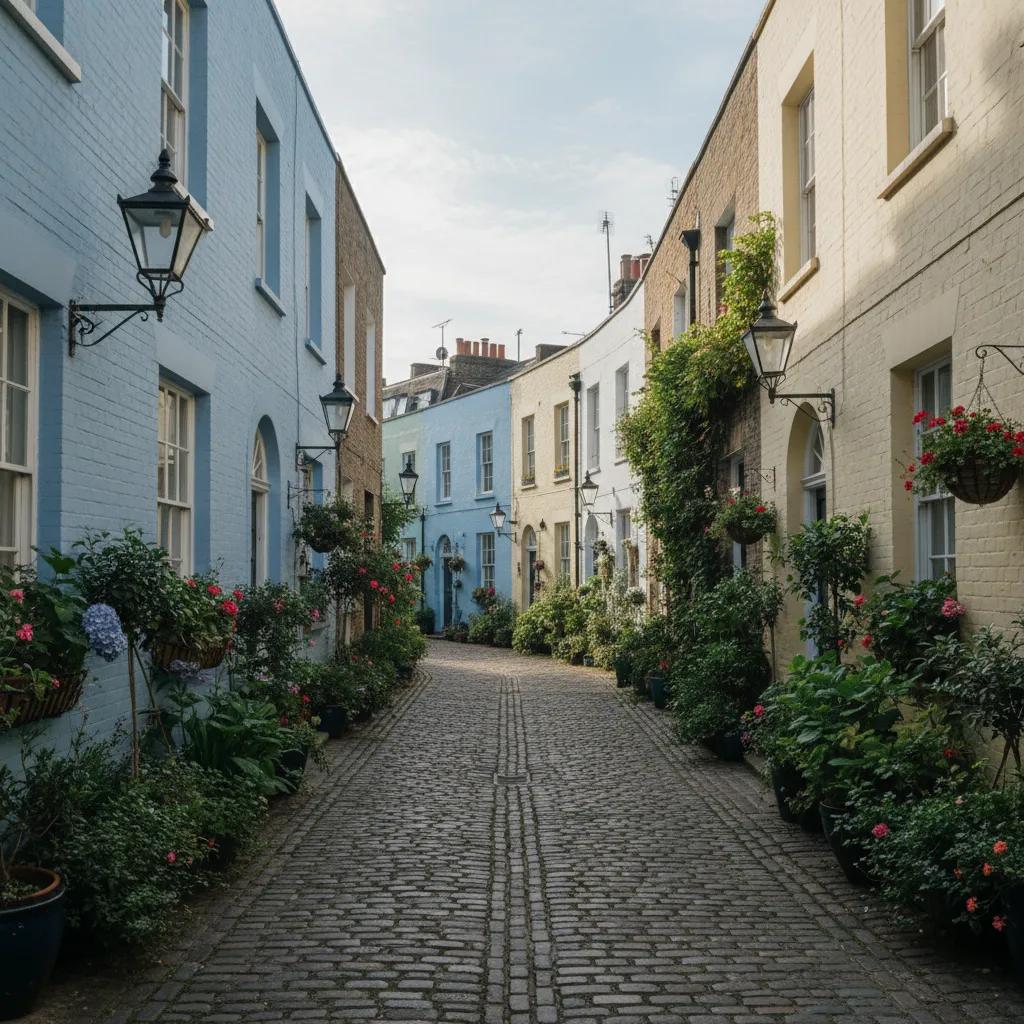
Portobello Road's stalls pack up by evening, leaving a quieter walk of pastel terraces, Victorian crescents and church spires. Start at Notting Hill Gate.
Notting Hill Gate station is served by the Central, Circle and District lines, and from its northern exit Portobello Road begins about five minutes' walk away along Pembridge Road. By the time most people leave the office, the market's daytime stalls are packing up, so a Notting Hill post work route planner is really about a different neighbourhood from the postcard one: painted terraces without the crowds, curving Victorian crescents and a north end that most visitors never reach.
Is Portobello Road Worth It After Six?
Yes, for walking, but not for the market. The antiques arcades and street stalls are a daytime affair, with Saturday the big day for dealers, so on a weekday evening you will mostly find closed shutters and swept pitches. What remains is the street itself: a long, gently undulating road of brightly painted two-storey houses, little side lanes and a far more local mood than at midday.
Our honest view is that you should not try to squeeze in shopping after work. If the antiques are the point, come on a Saturday morning. If the point is an hour of decompression after a long day, the emptier evening street is genuinely better than the market at its busiest.
Which Station Should You Finish At?
There are four sensible exits. Notting Hill Gate at the south has the Central, Circle and District lines. Ladbroke Grove in the middle and Westbourne Park to the north-east are both on the Circle and Hammersmith and City lines, which run above ground on this stretch. Holland Park, one stop west of Notting Hill Gate, is a quieter Central line station useful if you live out towards Ealing.
Pick your exit first and walk towards it, rather than finishing a lovely loop and doubling back through the crowds at Notting Hill Gate at rush hour.
The Painted Houses Walk
From Notting Hill Gate, head up Pembridge Road and turn onto Portobello Road. The first stretch, past Chepstow Villas and Denbigh Terrace, is the most photographed: pastel facades in pink, lemon, mint and lilac, each a slightly different height. Walk north slowly, cross Westbourne Grove and keep going down the hill past Elgin Crescent and Lancaster Road. Twenty minutes gets you to the Westway flyover, where the character of the road changes completely.
A Leafier Detour Along Westbourne Grove
Westbourne Grove crosses Portobello Road roughly halfway along and makes a good eastern spur. Heading east, the street widens and becomes lined with mature plane trees, with side streets such as Ledbury Road, Kensington Park Road and Talbot Road branching off past stucco houses and small mews. It is quieter than Portobello Road even on weekday evenings, and it brings you within about ten minutes of Westbourne Park or Royal Oak, both on the Circle and Hammersmith and City lines.
On a typical weekday you will share these pavements with parents walking back from after-school clubs, dog owners on their evening round and residents carrying shopping home, which tells you how local this end of the neighbourhood is once the visitors have gone.
The Crescents and the Church on the Hill
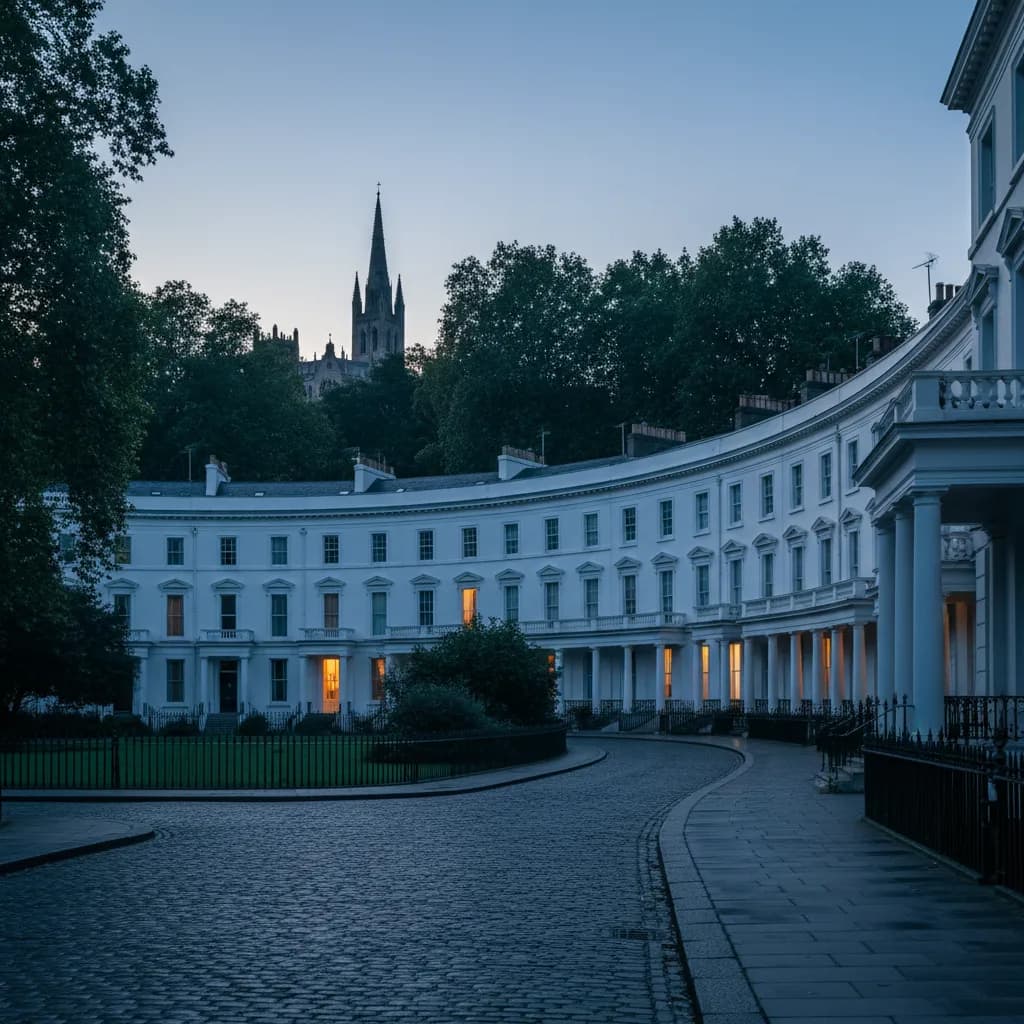
For something calmer, turn west off Portobello Road onto Elgin Crescent or Blenheim Crescent and climb towards Ladbroke Grove. This is the Ladbroke estate, laid out in the nineteenth century with great curving terraces wrapped around communal gardens. Those gardens are private, open only to residents with keys, but the streets themselves are public and very peaceful in the evening.
At the top of the hill stands St John's Notting Hill, a Victorian church built in the 1840s on the site of the short-lived Hippodrome racecourse, whose track once circled this rise. Lansdowne Crescent curves around it. From here, Ladbroke Grove station is about ten minutes downhill.
North to Golborne Road and Trellick Tower
If you have more time, follow Portobello Road under the Westway and continue to Golborne Road. This is a working neighbourhood street with a strong Moroccan and Portuguese community heritage, and the view at its eastern end is dominated by Trellick Tower, Ernő Goldfinger's 31-storey Brutalist block completed in 1972 and now Grade II* listed. Its separate lift tower and connecting bridges are striking against an evening sky. Westbourne Park station is around ten minutes away from the foot of the tower.
Where Karpo Helps
Karpo is useful for choosing the stops. In the Karpo APP, you could write: leaving work near Paddington at half five, an hour in Notting Hill, a quiet walk and then a casual dinner, ending near the Circle line. Karpo suggests places along your route and a sensible order, so the walk and the meal end near the station that suits you.
Karpo does not track how busy a restaurant or pub is at the moment, it cannot book a table, and it does not provide live train times. Confirm details on the venue's own site, use TfL for line status, and if the first place is full, ask Karpo for an alternative a few minutes from the same station.
Two Sample Evenings
Fifty minutes: Notting Hill Gate, Pembridge Road, the painted houses on Portobello Road, west on Elgin Crescent, up to St John's and down to Ladbroke Grove. Ninety minutes: the same start, down Portobello Road under the Westway, along Golborne Road to Trellick Tower, dinner nearby suggested by Karpo, then Westbourne Park home.
On a light summer evening, add a southern detour first: Holland Park is about ten minutes' walk west of Notting Hill Gate along Holland Park Avenue, and its Kyoto Garden, opened in 1991, is a calm place for a few minutes beside the waterfall before heading north. The park closes around dusk, so leave this addition out once the clocks go back.
Practical Notes
The last weekend in August belongs to Notting Hill Carnival, when the whole area fills with sound systems, roads close and stations are restricted, so plan a different evening that week. Portobello Road slopes downhill heading north, which makes the walk easier in that direction. Pavements are narrow in places, the crescents are poorly lit in parts, and on wet evenings it is worth asking Karpo for an indoor stop near the halfway point.
Ask Karpo for more information.
Keep reading
- Bloomsbury Mews Walk Planner: Literary Brick Passages
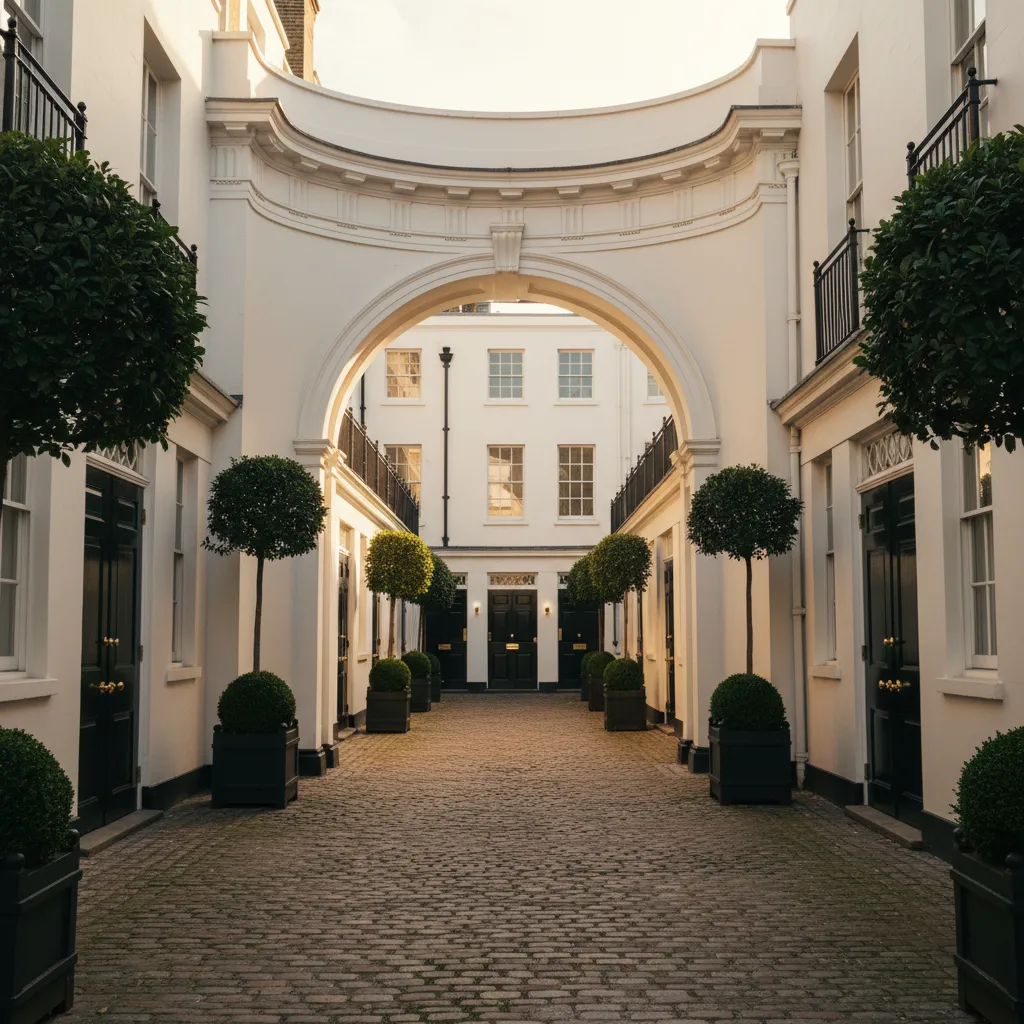 Belgravia Mews Walk Planner: Stucco Arches and Alleys
 Notting Hill Mews Walk Planner: Quiet Painted Lanes