 Bloomsbury Mews Walk Planner: Literary Brick Passages
Neighborhood Guides

London Neighborhood Walk Planner: 3 Stops, Back on Time
Plan a London neighborhood walk around your return deadline, with three possible stops, an optional pause and a shorter finish that protects your next plan.
A London neighborhood walk planner works better with a return deadline than with a long list of sights. Start with three possible stops and the place you need to reach afterward, then decide how much of your available time belongs to walking. In the Karpo APP, describe the kind of afternoon you want and ask for nearby ideas that fit that brief. The method below turns those suggestions into a small loop you can review on a walking map, with room to stop without losing the journey home.
Give the finish a place and a deadline
Write down the point where your walk ends before choosing its first attraction. Returning to your hotel, reaching a dinner appointment and getting back to a station are different jobs. A circular route only makes sense when returning to the starting area is useful. If your next commitment is elsewhere, an outward walk may suit you better. Keep the actual endpoint in your request so a picturesque final stop does not quietly become an extra journey you forgot to count.
For a planning exercise, imagine you have ninety minutes between leaving your accommodation and needing to be back. Reserve twenty minutes for a pause and ten for interruptions, leaving sixty for movement. These numbers are your chosen allowance, not a measured London itinerary. You can change them to match your pace. The important step is to separate time spent moving from time spent enjoying a place, because a map's walking estimate does not include the afternoon you intended to have.
Ask for a small set of useful ideas
Try this message: “I have ninety minutes for a relaxed London walk from my starting area and back. Suggest three nearby possibilities with interesting street scenery, one optional coffee pause and no compulsory admission. Keep the return journey in the plan.” Add your actual starting location and day. Karpo's public site describes asking for local ideas around your mood and schedule. Treat the conversation as a way to narrow the choices, then use the suggested places to make your own route decision.

Do not begin by requesting every famous landmark within reach. The useful question is which three possibilities make sense together for this particular window. An appealing suggestion on the far side of the district can be excellent in isolation and still weaken a short loop. Ask why each candidate belongs in your afternoon: something you want to see, somewhere you want to pause, or a connection between them that sounds enjoyable. Remove any stop that has no clear role.
Assign each stop a different job
Make the first stop a simple orientation point. It should help you settle into walking rather than demand an immediate decision about tickets, tables or a lengthy visit. The middle stop can carry the main interest of the outing. The final one should make returning straightforward. This is a proposed structure, not a claim that three stops are always ideal. If only two places appeal, keep two and spend the recovered time looking around instead of inventing a third obligation.
An optional cafe is a pause rather than the foundation of the loop. If you are happy to keep moving when it looks busy, say so in the brief. If sitting down is essential, give that requirement priority and reduce the rest of the itinerary. A queue can consume the same minutes as a whole section of walking. Decide your personal waiting allowance beforehand, so the route does not depend on getting a seat immediately at a venue that has made no such promise.
Put the candidates on a walking map
Once you have a shortlist, enter the places in a mapping service using walking directions. Look at the sequence, the return leg and the route drawn between stops. A list of nearby names is not yet a loop. Two places can look close on a broad city map while their pedestrian connection takes you away from your endpoint. Keep the map open long enough to understand the shape, and choose an order you could explain to a companion without reading every instruction aloud.
Read any route estimate as an estimate for movement. Add your separate pause allowance and the time you want for photographs, browsing or conversation. If the sum overruns the original window, remove a stop rather than assuming everyone will walk faster. Leave the return leg visible when comparing alternatives. A pleasing outward section can hide a dull or inconvenient journey back, and that return is part of the same afternoon even when it receives less attention in a recommendation list.
Make one place easy to drop
Choose the optional stop while you are still planning. Mark it as the first thing to remove if departure slips, the group wants a longer break or you spend more time at the main interest. The optional place should come out without breaking the whole route. A detour that must be completed to reach your finish is not genuinely optional. Prefer a simpler loop with an obvious shortcut over an elaborate itinerary whose only recovery method is rushing through every remaining stop.
Keep the main experience protected. If looking at architecture is the reason for walking, a shorter street sequence can serve you better than squeezing in another indoor visit. If the outing is mainly conversation, preserve the comfortable pause and trim the sightseeing. This is where the brief earns its place: it gives you a reason to reject attractive extras. More suggestions are useful only when they improve the job you asked the walk to do.
Rework the brief when the afternoon changes
If you leave twenty minutes later than planned, tell Karpo the new window and ask for a reduced set of ideas. Explain what you still want to keep. A specific revision such as “keep the street scenery, drop shopping and bring the finish closer to our start” is easier to assess than “make it shorter.” You remain responsible for choosing the route and reading the walking directions. A conversation about options is not a promise that every path is open or every arrival will be on time.
Use your own stopping rule while out. For example, you might decide to begin returning when only a third of the window remains, unless your map and location make a shorter finish obvious. That fraction is a personal planning rule, not a guarantee about distance. Its value is that you agree on a decision before a tempting extra stop appears. Ending with time to spare is a good result when arriving calmly was the original requirement.
Practical Notes
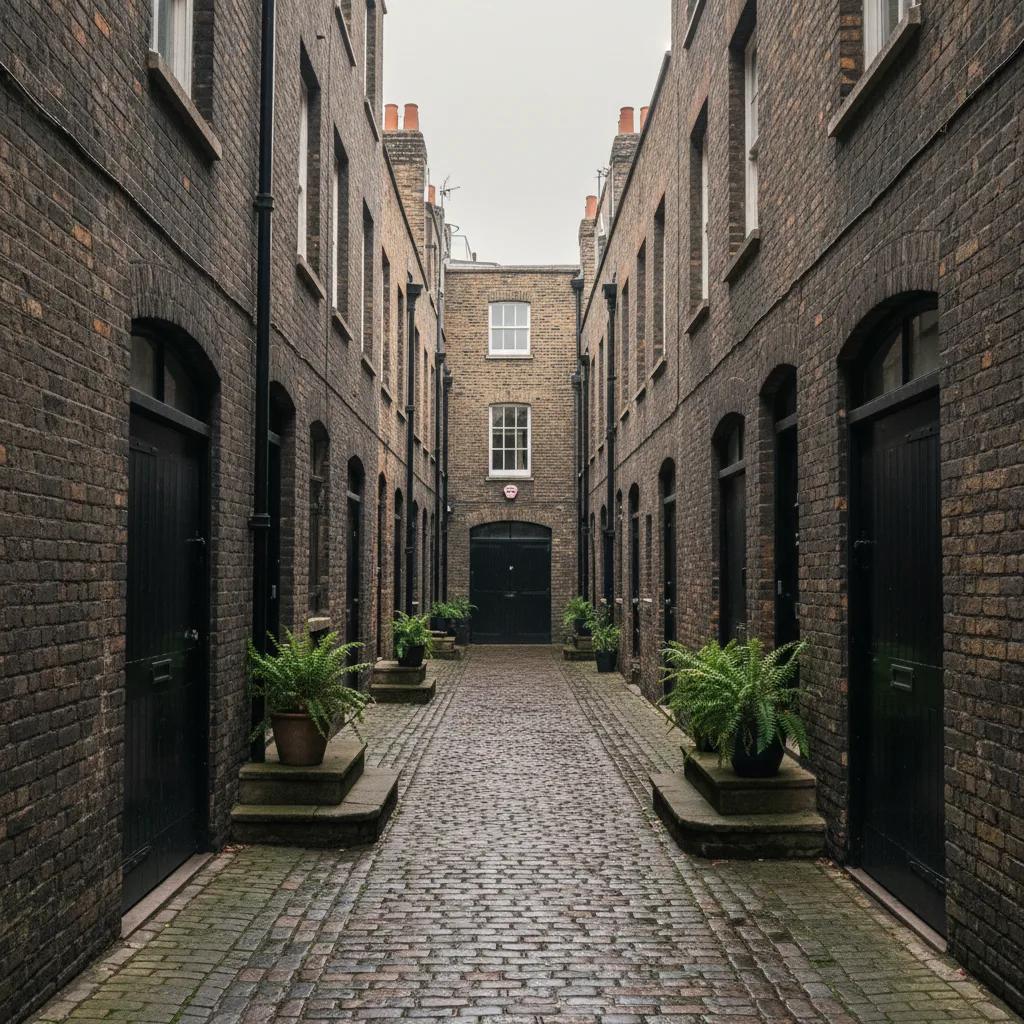
Prepare a brief with the city, exact start, required finish, total window, walking preference and one essential interest. Keep paid stops optional if spending is not part of the plan. This article supplies no venue prices, opening hours or admission promises. Any purchase belongs to the venue you choose, and entering a shop is separate from walking past it. The illustrative street images show the mood of a London walk, rather than a surveyed route or a photographed named business.
Your final output should fit into a few lines: the chosen start, up to three stops in order, an optional pause, a removable detour and the finish. Put those points into your walking map and take the short version with you. Begin in the Karpo APP by describing the afternoon you actually have available. The useful success measure is whether the loop leaves you time to notice the streets and still reach your next commitment without a last-minute scramble.
Ask Karpo for more information.
Keep reading
- Bloomsbury Mews Walk Planner: Literary Brick Passages
 Belgravia Mews Walk Planner: Stucco Arches and Alleys
 Notting Hill Mews Walk Planner: Quiet Painted Lanes