 Bloomsbury Mews Walk Planner: Literary Brick Passages
Neighborhood Guides

London Neighborhood Walk Planner: 2 Breaks, Less Walking
Create a London neighborhood walk with two planned pauses, shorter walking sections and a simple finish, keeping comfort central to your choice of route.
Put two proper pauses into your London walk before filling the space between them. For a gentler outing, a neighborhood walk planner should begin with the amount of uninterrupted walking you want, a place to finish and the kind of rest that makes the afternoon comfortable. Describe that in the Karpo APP when asking for local suggestions. Choose the route only after considering the breaks. This approach is for planning your own preferences, and it does not certify that any street, seat or entrance meets a particular access requirement.
Decide what a pause needs to provide
“Somewhere to stop” can mean standing out of the flow of people, sitting down, using a toilet or having a drink indoors. These are different requirements, and a pleasant photograph of a square does not answer all of them. Name the feature you actually need. If the outing depends on a seat, treat seating as a condition of the plan rather than a fortunate extra. If a rest can be standing briefly, you have a wider set of possibilities to consider.
Be equally clear about how often you want a break. You might prefer a pause after every short section, or one longer rest near the middle and another before returning. These are choices for your own outing. No fixed interval suits everyone. Discuss them with the people walking with you, and choose a structure that leaves room to change your mind. The aim is to avoid discovering halfway through that the route assumes a much longer spell on foot than somebody wanted.
Ask around comfort instead of distance alone
Use a brief such as: “I would like a gentle London neighbourhood outing from my starting area, with two pauses and short walking sections. Suggest a few local possibilities around street scenery, with a simple finish and no extra sightseeing detours.” Add the actual place you will start. If there is a specific access need, state it directly. A request organised this way keeps the conversation about the experience you want, instead of assuming that the shortest route automatically feels easiest.

Karpo's website describes starting with your mood and asking for local things to do. That supports using the conversation to discover possible areas and stops. It does not establish a dedicated accessibility audit, guaranteed seats or medical advice. Use the ideas as candidates. For any feature essential to you, rely on detailed information about the selected place and path. When that information is missing, choose an alternative whose suitability you can establish rather than presenting an uncertain suggestion as a settled arrangement.
Place the pauses before joining the route
Give the first pause a role near the beginning of the outing. It can be a moment to settle in, have a drink or decide whether you want to continue. The second should help make the later section comfortable and leave an easy finish. They do not both need to be commercial stops. What matters is that each pause genuinely offers the kind of rest you chose, and that reaching them does not require completing the longest sections of the afternoon first.
Now place the candidates into a walking map and inspect the connections. Count the journey from the start to the first pause, between the pauses and from the second pause to the finish. Include any movement inside a selected destination if you intend to visit it. A map pin at the entrance can hide a further walk to the part you actually want. Keep the route modest enough that a longer pause does not force you to hurry through the last section.
Work with a personal effort budget
As a hypothetical structure, a ninety-minute window might contain three short walking sections, two generous pauses and some spare time. Choose the length of those sections yourself, using the mapped connections and your own judgement. The numbers describe a planning method, not a published London trail. If your preferred pauses use most of the window, that is useful information. The outing can become a short wander with a drink, instead of a longer walk whose rests are repeatedly cut to keep moving.
Think about carrying effort as well as walking effort. A bag of shopping acquired early changes the rest of the route, and camera equipment can make an otherwise simple outing less comfortable. Decide whether browsing is part of the purpose or an optional extra. If it is optional, keep purchases toward the finish or leave them for another day. This is a practical choice about what you carry, not a rule about how much anyone ought to be able to manage.
Give the shorter version equal status
Create a small version that ends after the first pause and a longer version that continues to the second. Both should have a satisfying purpose. The small one might be the whole plan when you leave, with the extra available only if you want it. Calling it the main option helps remove the feeling that stopping early means falling short. You can enjoy the part you chose without treating distance as the measure of whether the afternoon counted.
Agree on the decision point before you set off. At the first pause, discuss whether you feel like continuing, shortening or finishing. Do not make the choice depend on explaining discomfort to the whole group. A simple question about which version sounds appealing is enough. If you are walking alone, give yourself the same permission. A useful plan should respond to how the outing feels, rather than ask you to defend a decision to a route you assembled earlier.
Make paid pauses an explicit choice
If an indoor drink is part of your rest plan, decide whether buying something fits the budget. Do not describe a commercial seat as a free public facility or assume a purchase guarantees a particular table. Read the selected venue's actual offer if seating or a reservation is important. This page does not supply a cafe price or promise a table. You can ask for suggestions that suit a spending preference while keeping the final purchase and any booking separate from the recommendation.
When a rest stop is busy, avoid turning the pause into another long stretch of standing. Your alternative should preserve the purpose of the break. That may mean changing the destination, ending the walk or choosing the shorter version. Skip the second stop if reaching it would use the energy you intended to save. The gentle route succeeds by making the outing comfortable enough to enjoy, not by completing every suggestion regardless of the circumstances.
Practical Notes for a Gentler Outing
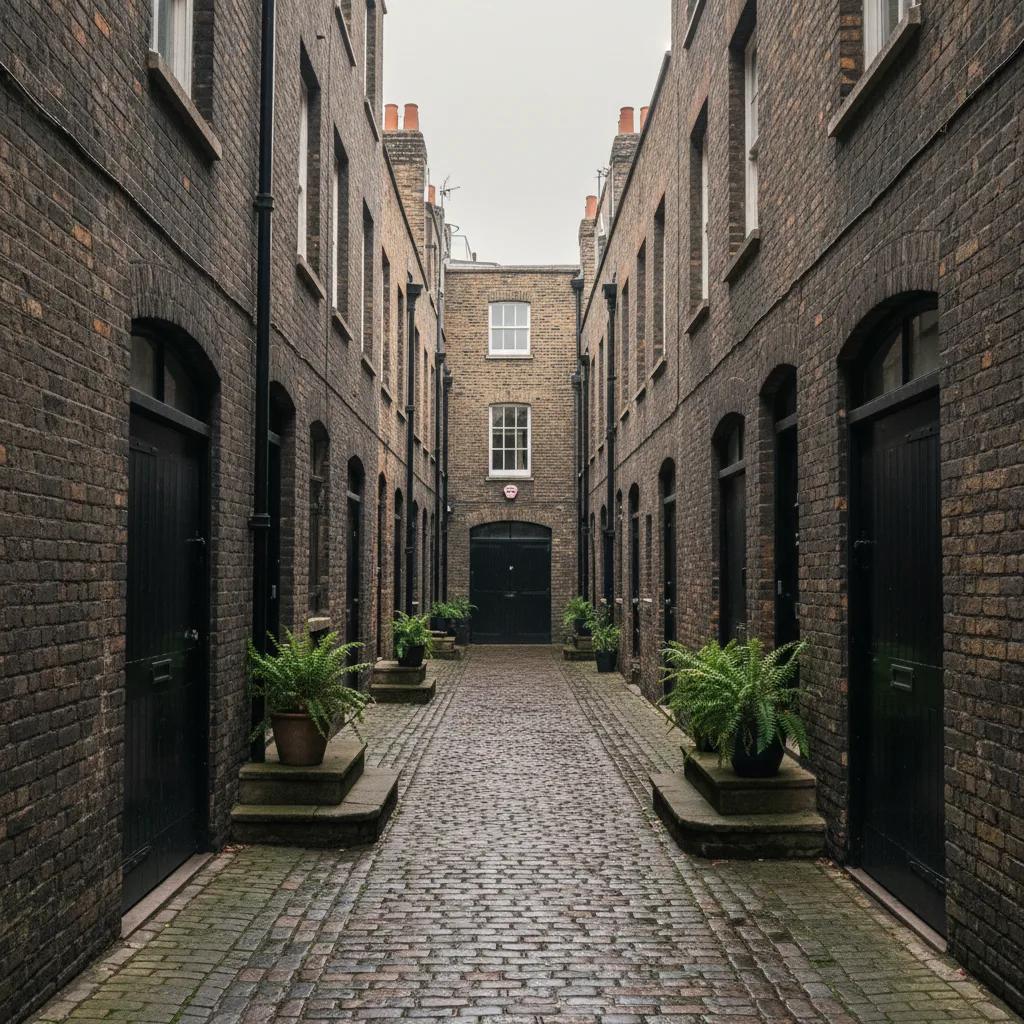
Keep a short written plan with the start, both pauses, the short finish and the longer finish. Add only access and facility details supported for the actual places you select. A general recommendation or street image is not evidence of a step-free route, available toilets or seating. The illustrations here are AI-generated London scenes. They communicate a relaxed walking mood and do not document the condition or availability of any specific pavement, bench or cafe.
Your next step is to open the Karpo APP and describe the rest pattern you want alongside your local interests. Use the suggestions to identify candidates, then assess the necessary connections and facilities before choosing. Protect the two pauses when deciding what to remove, and let the walking shrink around them. That gives the afternoon a clear priority: enough time outside to enjoy the neighbourhood, with a finish that remains comfortable instead of a final section you simply have to endure.
Ask Karpo for more information.
Keep reading
- Bloomsbury Mews Walk Planner: Literary Brick Passages
 Belgravia Mews Walk Planner: Stucco Arches and Alleys
 Notting Hill Mews Walk Planner: Quiet Painted Lanes