 Bloomsbury Mews Walk Planner: Literary Brick Passages
Neighborhood Guides

London Neighborhood Walk Planner: 3 Frames, One Small Loop
Shape a London neighborhood walk around three photo subjects, with time to stop, a simple return and a route that keeps your companion in the afternoon.
Choose three kinds of photograph before choosing a London walking route: a street view, a close detail and a scene with people in it. This neighborhood walk planner uses those subjects to keep a camera outing small enough to enjoy on foot. Ask Karpo for local possibilities that match your visual interests, then arrange the selected stops with walking directions. You are setting a photographic brief and a time allowance, rather than following a promise about the light, the weather or the number of usable pictures you will bring home.
Start with the pictures you want to make
A street view gives the outing a sense of place. A detail encourages you to look at texture, repetition or a small contrast. A scene with people adds movement and scale. Those are creative prompts, not compulsory categories or claims about a particular neighbourhood. You might replace people with reflections, or choose three details instead. Set a limit that helps you notice something with care, rather than treating every new corner as another item you must collect.
Describe the visual qualities that interest you in ordinary language. Perhaps you prefer brickwork and doorways, plants against walls or the relationship between a pavement and the buildings beside it. Specific interests help narrow a local recommendation request. Avoid relying on an adjective such as “photogenic” to do all the work. Two people can mean entirely different things by it, and a busy destination with a famous view can be a poor match for someone who wants quiet architectural details.
Turn the camera brief into a local request
In the Karpo APP, try asking for a small London area where you could explore those subjects on a relaxed walk. Include your starting point, the time you have and whether you are going alone or with someone who is not taking photographs. Ask for a few ideas and a reason each one suits the brief. The official Karpo site presents conversation about your mood and schedule as a way to discover local possibilities. Use that entry point to begin your selection.
Keep the request about places and interests. You do not need to ask the app to guarantee a sunset, calculate a perfect shadow or predict a crowd. Those claims would require evidence beyond a recommendation. Once you have possible stops, compare them on a walking map and decide where your camera time belongs. A route with two promising places and a pleasant connection can give you more room to work than a long circuit that leaves you stopping only when everybody else is ready to move.
Spend the time standing still
For an example planning budget, give yourself seventy-five minutes and set aside thirty for actually making pictures. Keep another ten for the finish and minor interruptions, leaving thirty-five for walking between the chosen points. These are allocations you choose, not measured travel times for a published route. If the pedestrian directions already use the whole window, the itinerary has no room for photography. Shorten the route until standing still is part of the plan rather than an inconvenience you hide from it.
A single viewpoint can hold several different images. Change your position, wait for a gap or look for a smaller detail before moving on. You need not reach another destination every time you want a new frame. This makes the walk easier to share with a companion, too: one generous stop is simpler to discuss than a series of unexplained halts. Tell them which stop matters most, and give the rest of the afternoon enough freedom to feel like their outing as well.
Let the street determine the photograph
Treat the three subjects as questions you bring to the walk. Where does the street open up? Which material or repeated shape catches your eye? What movement gives the frame a human scale? These questions work without assuming that a specific business is open or a private courtyard is accessible. Stay in places where you are allowed to be. A recommendation to explore an area does not confer permission to enter buildings, cross a barrier or use someone's doorway as a studio.
Keep people and everyday access ahead of the picture. Avoid obstructing entrances, asking companions to stand in the road or holding up a narrow section of pavement while arranging equipment. If a composition depends on occupying someone else's working space, leave it. An ordinary scene can be more interesting when you adapt to it. The result should reflect a walk through a living neighbourhood rather than an attempt to turn every street into a location reserved for your camera.
Make a route your companion can enjoy
If one person wants pictures and the other mainly wants conversation, agree on the photographic pauses before departure. One possible arrangement is a main camera stop followed by a section where the camera stays put away. Another is to take your detail photographs while your companion enjoys a pause you both chose. The right arrangement depends on the people involved. Do not assume a cafe will offer immediate seating or that a companion is happy to wait simply because the scene looks promising to you.
Ask a follow-up question when the suggestions lean too heavily toward destinations: “Could you suggest a smaller area for street details, with fewer separate stops and time for a pause together?” Keep your actual interests in the wording. You are using the conversation to improve the brief, then making an editorial choice about where to spend the time. Skip an additional landmark if reaching it would turn a thoughtful photographic outing into a hurried transfer between two distant frames.
Have a plan for flat light
A grey sky does not have to cancel a walk devoted to materials, patterns or small street scenes. You can shift your personal brief toward surfaces and tighter compositions, without claiming that the weather will improve. If the conditions make the original subjects unappealing, reduce the route and protect the parts of the afternoon you still want. The useful fallback may be a short stroll and a conversation, rather than a second elaborate photographic itinerary you have to assemble while already outside.
You can also finish without making all three pictures. A creative brief is a way to focus attention, not a scorecard. Decide which photograph you most want to attempt and let the others stay optional. When the main stop has given you enough to work with, use the remaining time for walking or return early. This keeps the route's purpose clear: it exists to support looking, and looking takes longer when the afternoon is interesting than it does on a list of pins.
Practical Notes for a Camera Walk
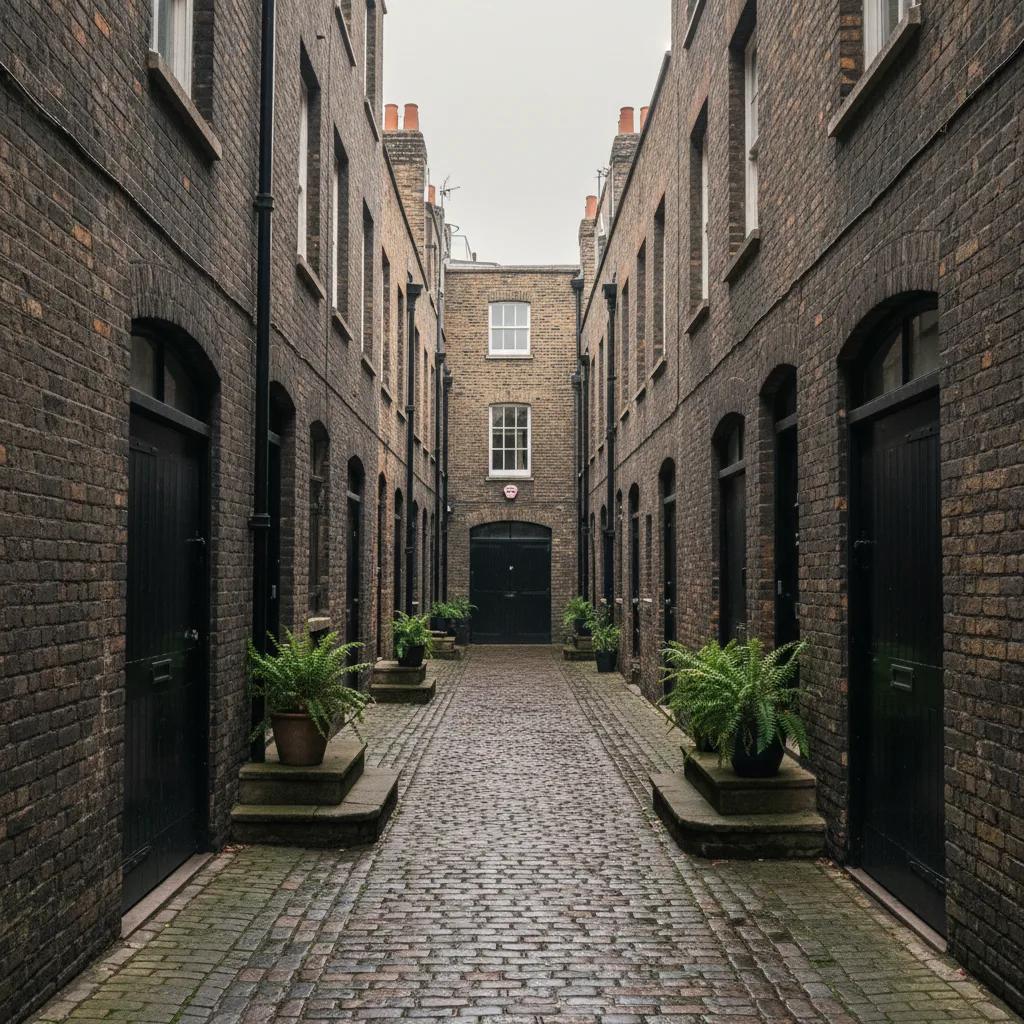
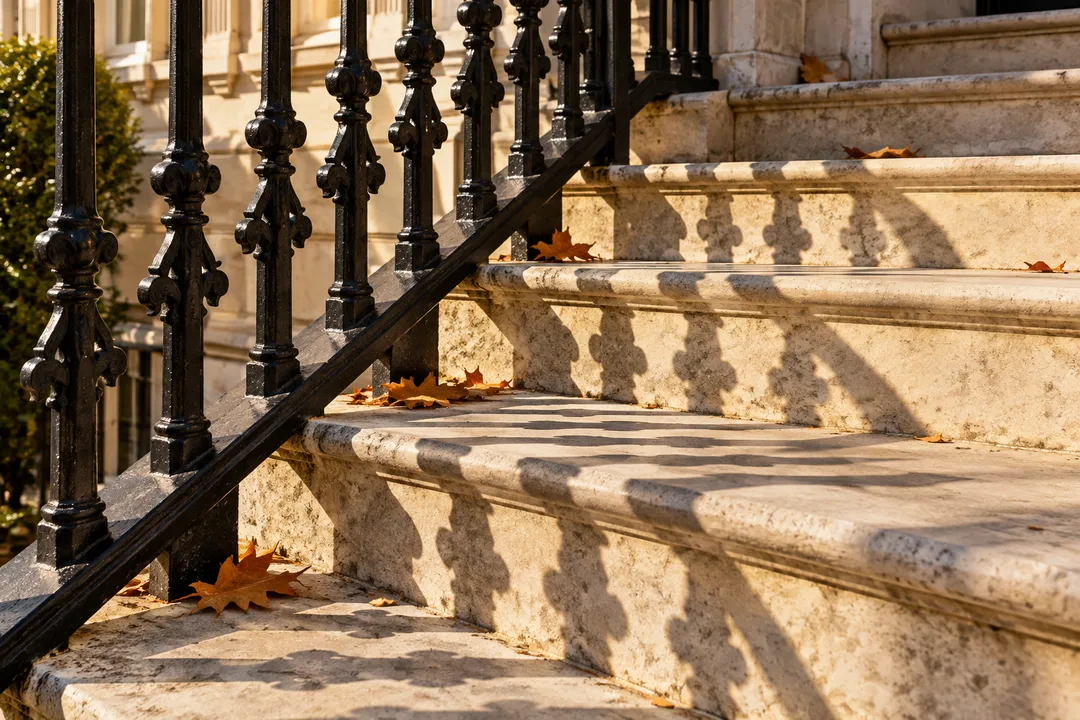
Carry only the equipment you want to carry for the full outing, including the return. Put your chosen points and finish into a walking map, then allow separately for camera pauses. This page names no photography venue, admission price or opening schedule. Its images are newly generated editorial illustrations of London-style walking and architectural scenes, not location scouting photographs. They suggest possible compositions and should not be used as evidence that a particular view, entrance or lighting condition exists along your selected route.
Begin with a message that contains the visual brief, your starting area and your available time. Ask Karpo for local ideas, select the most promising small cluster and use pedestrian directions to understand the connections. Keep the three subjects as a reason to look closely, with one clearly optional. You should leave with a route that gives you space to stop and a companion who knows what the outing involves, whether you make three photographs, one satisfying frame or simply a better plan for another day.
Ask Karpo for more information.
Keep reading
- Bloomsbury Mews Walk Planner: Literary Brick Passages
 Belgravia Mews Walk Planner: Stucco Arches and Alleys
 Notting Hill Mews Walk Planner: Quiet Painted Lanes