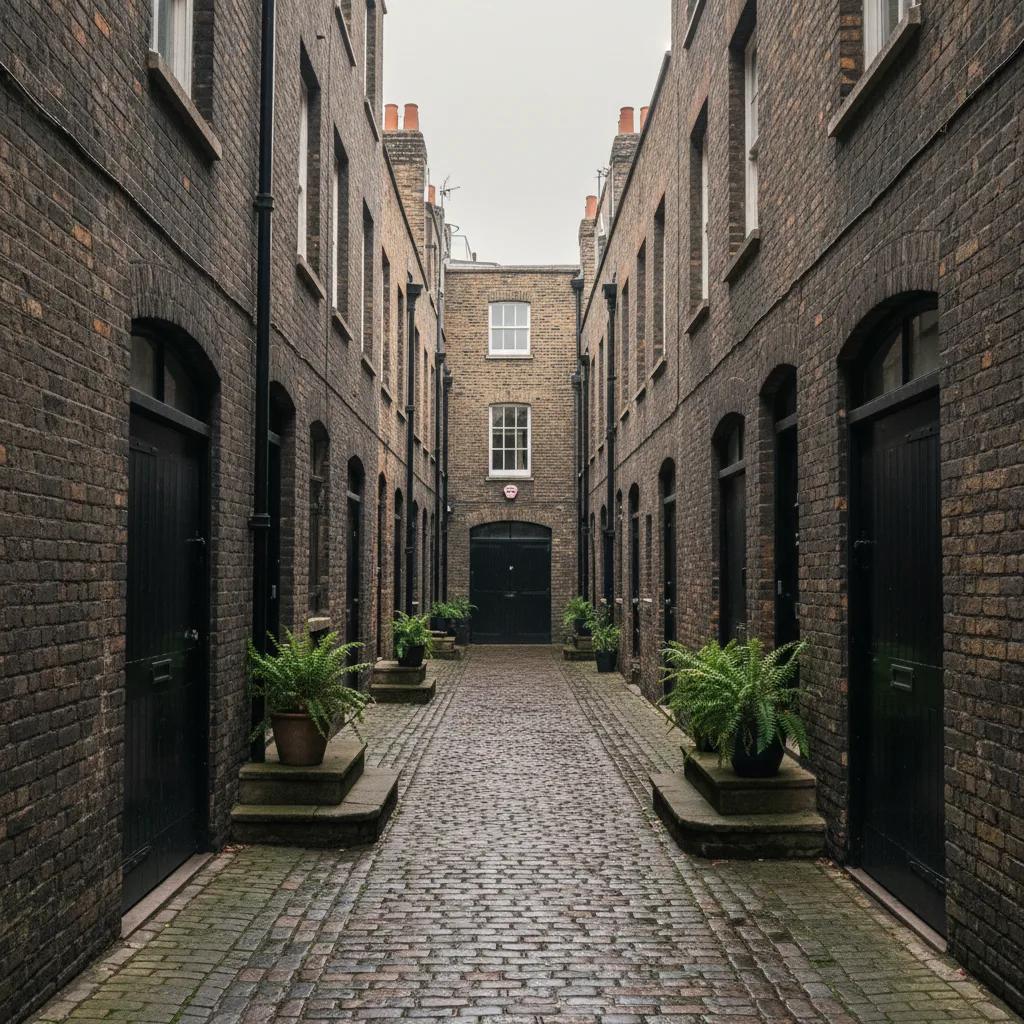
 Bloomsbury Mews Walk Planner: Literary Brick Passages
Neighborhood Guides

London Neighborhood Walk Planner: 2 Friends, One Finish
Organise a London neighborhood walk around a clear meeting point and shared finish, with a simple late-arrival rule and room for different onward plans.
Choose the shared finish before choosing a London walk with a friend who is travelling from somewhere else. This neighborhood walk planner starts with one clear meeting point, a route you both want and an arrival rule that does not leave anyone wondering where to go. Ask for local ideas in the Karpo APP once those arrangements are clear. Then place the selected stops into walking directions. The useful result is a small outing that fits two people, including the time before you meet and the journeys you each make afterward.
Compare the journeys before picking the district
A district that looks central on a city map is not necessarily convenient for either person. Begin with the places you will each leave and where you need to go after the walk. Share only the location detail you are comfortable sharing. You can compare starting areas without disclosing home addresses in a group conversation. The aim is to understand the journeys involved, rather than assume that splitting a straight-line distance creates a fair meeting arrangement.
Decide what fairness means for this outing. It might be similar travel effort, a place that suits the person with less time or a district one friend has particularly wanted to explore. Making that choice openly is more useful than searching for a mathematically perfect midpoint. Once you agree on the principle, choose an area that works well enough. Keep the remaining energy for the walk instead of using the whole planning conversation to optimise a small difference in travel.
Make the first meeting easy to describe
Use one identifiable meeting point rather than a broad neighbourhood name or a station label with no further detail. Agree on the exact public place you mean and how you will recognise it. A map pin can support that agreement, but both people should understand what it points to. If your chosen location has several entrances or sides, settle which one you intend. This article does not name a station exit or claim a specific meeting place is suitable without evidence.

Arrange the meeting time separately from the walking window. Someone arriving early may want to sit down or look around, while the other person may be travelling directly from another commitment. Say whether the walk starts at the agreed time or when both people arrive. That small distinction prevents an ambitious route from quietly consuming the time reserved for being together. It also makes a shorter route an ordinary option when the available window changes.
Ask for ideas that fit the meeting
An opening request could be: “Two friends want a London neighbourhood walk from this meeting area. We would like street scenery and a pause together, ending somewhere that makes our separate onward journeys simple. Suggest a few local possibilities.” Add your actual start and finish needs, interests and time available. Karpo's official website presents local discovery through a conversation about your mood and schedule. Use that conversational starting point without assuming it can observe either friend's journey or location automatically.
Read the suggestions for how they fit the meeting, not just for how appealing they sound. A destination can be interesting and still pull the group away from the finish you agreed. Ask why a candidate works for the shared window, then keep the ones with a clear purpose. Do not choose an impressive final stop first and only afterward discover that it creates a complicated return for the person who has the earlier commitment.
Give the finish its own job
The end of the walk can be the same point as the start, a pause where you part ways or an area from which you each continue. Choose deliberately. Returning to the beginning is useful when one person left something there or both journeys benefit from it. Otherwise, a one-way route can make sense. “One shared finish” means you agree where the outing ends, rather than assume that everyone must take the same route home after spending the afternoon together.
Put the candidates in pedestrian directions and inspect the final section alongside the outward walk. Include the time you want to spend saying goodbye, finding the next connection or making an optional purchase. Those minutes belong to the overall window even if they are not part of the route estimate. If the plan only works when the farewell happens instantly, shorten the sightseeing. A calm finish is a useful part of an outing organised around meeting a friend.
Set a late-arrival rule you both understand
Pick a personal waiting allowance and a simple response if someone expects to arrive later. You might agree to remain at the meeting point until you have spoken, or to use a named alternative you both understand. Choose the arrangement that suits you, and avoid inventing a complicated series of moving rendezvous. A rule is useful when it removes uncertainty. It becomes unhelpful when the first person has to keep predicting which street the second person will reach next.
If one friend is delayed, reduce the route after you know the time available. Preserve the shared interest or pause you most wanted. Ask Karpo for a smaller set of possibilities around the same meeting area if you need new ideas. Do not quietly try to recover the lost minutes by walking faster unless both people actively want that. The meeting itself was the reason for the outing, so the plan should protect the time you still have together.
Keep coordination separate from recommendations
Send the agreed meeting point and any revised arrangement directly to your companion using the communication method you already use together. A recommendation conversation is not evidence that the other person has received an update. Keep one version of the plan clear between you, especially if you are discussing several possible routes. The essential details are short: where to meet, when, where the walk ends and what happens if one arrival changes. Extra destination descriptions can wait until those details are settled.
Avoid sharing a friend's precise movements with a service just to make the brief sound complete. A broad starting area and an agreed meeting place may be enough for selecting ideas. If a particular detail materially affects the route, explain the requirement in your own terms. For example, say that the finish needs to suit an onward journey toward a given area. The task is to organise a pleasant walk, not to turn coordination into unnecessary location tracking.
Practical Notes for a Walking Meetup
Write the agreed plan in a form both friends can repeat without consulting a long itinerary. Include the meeting point, shared interests, optional pause, finish and late-arrival arrangement. Check the route connections in a walking map and keep the actual onward journeys in view. No table, admission slot or transport arrival is guaranteed by this article. Its generated street-corner illustrations suggest the idea of meeting and parting in London, rather than identify an exact rendezvous or certify a route.
Open the Karpo APP with the meeting arrangements you have already agreed and ask for local possibilities around them. Choose a few that give the outing a clear shape, then settle the walking route together. Resist adding a last stop just because it appears nearby: decide whether it still serves the finish and the time you have. A successful afternoon leaves both people knowing where to meet, enjoying the same walk and departing with enough room for whatever comes next.
Ask Karpo for more information.
Keep reading
- Bloomsbury Mews Walk Planner: Literary Brick Passages
 Belgravia Mews Walk Planner: Stucco Arches and Alleys
 Notting Hill Mews Walk Planner: Quiet Painted Lanes