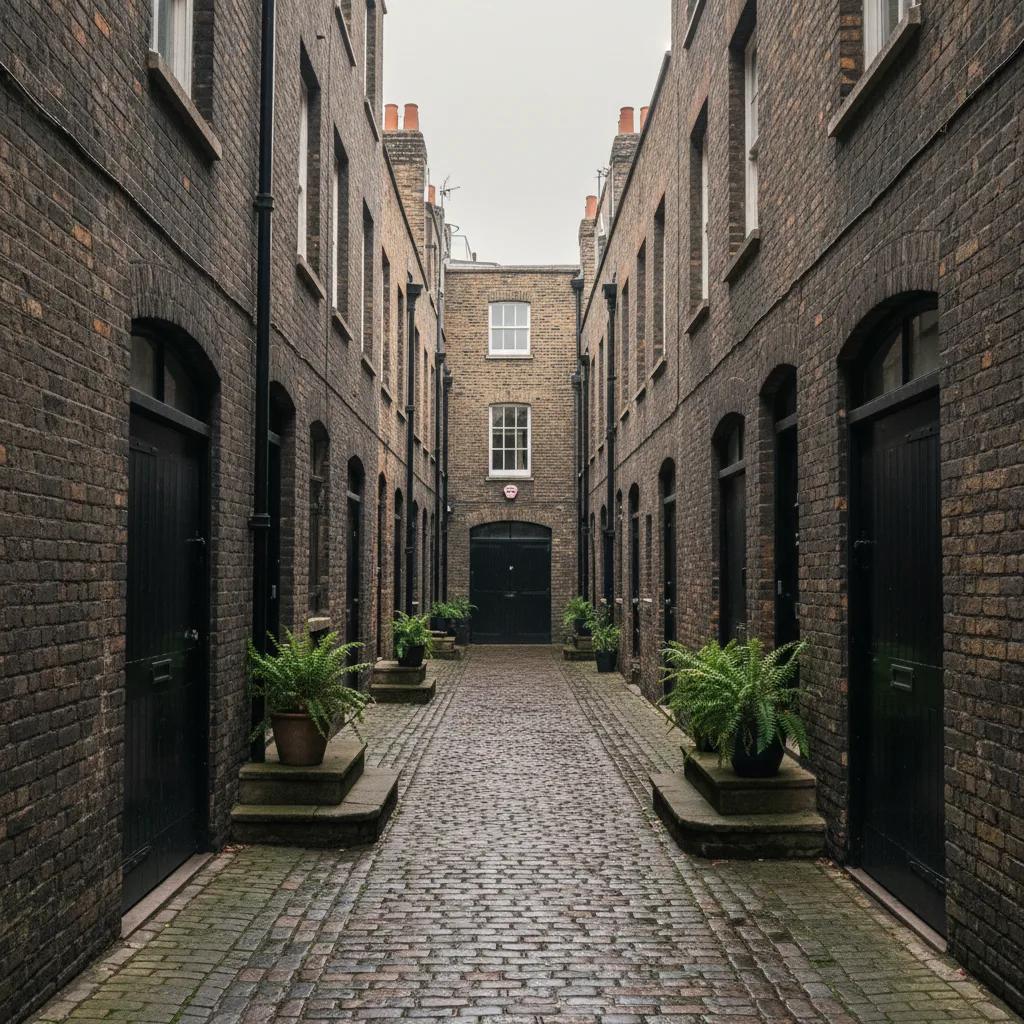
 Bloomsbury Mews Walk Planner: Literary Brick Passages
Neighborhood Guides
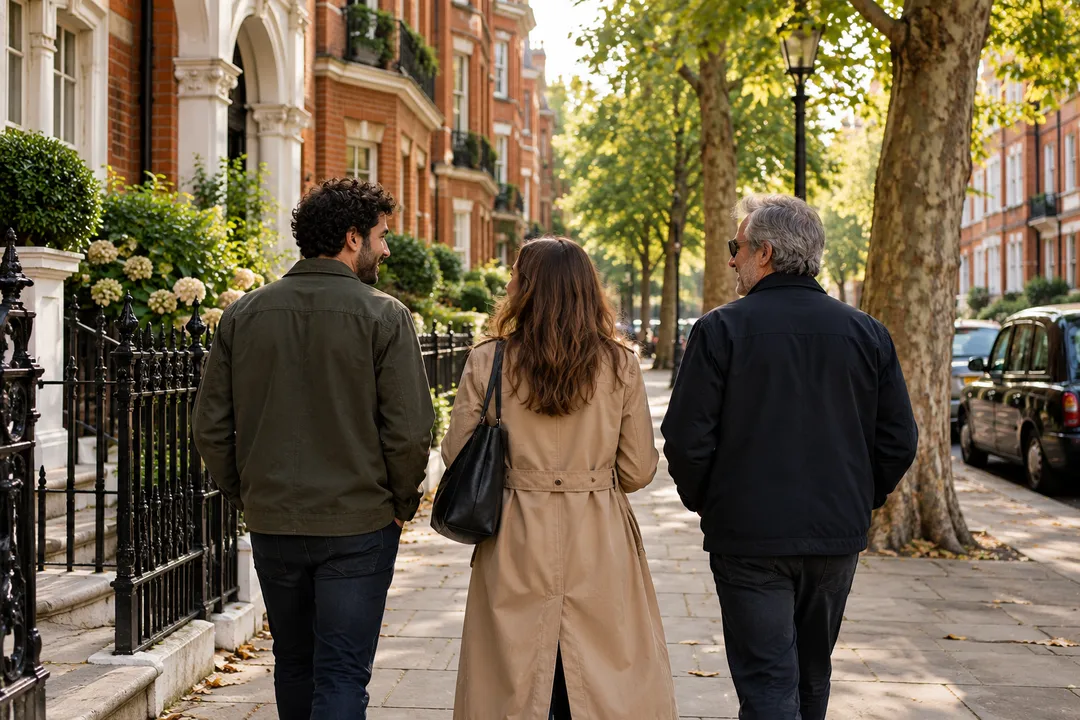
London Neighborhood Walk Planner: 2 Paces, One Shared Loop
Build a shared London neighborhood walk around a comfortable pace, one common pause and an optional extension, so both people enjoy the same afternoon.
Plan a shared London walk around the slower person's comfortable pace and give the faster walker an optional extra. A neighborhood walk planner can start with one common meeting area, a pause everyone wants and a short section that stays worthwhile on its own. Use the Karpo APP to describe both people's interests when asking for local ideas. Then agree on the walking route together. The aim is a good afternoon in company, with differences handled before they turn into one person waiting and the other apologising.
Find out what each person means by a walk
Two friends can agree to “a gentle wander” while imagining completely different outings. One may want to stop at windows and talk, while the other imagines covering a new district at a steady pace. Ask each person for one thing they want and one thing they would prefer to avoid. Those answers provide a better starting point than an ambitious list of destinations. The walk should have room for both preferences without requiring either person to defend them at every junction.
Separate different interests from different physical limits. Wanting to browse longer is a preference you can negotiate. Needing regular rests, avoiding stairs or limiting uninterrupted walking calls for a firmer requirement. Describe those needs plainly, using the person's own words and without asking them to disclose medical information. An attractive place does not become suitable simply because it appears in a recommendation. Keep any access requirement attached to the planning brief rather than treating it as a detail to solve after choosing the stops.
Write a request with two people in it
A useful opening message might be: “We want a London neighbourhood outing together. One of us likes a steady walk and photography, and the other wants a slower pace with a seated pause. Suggest a compact area and a few possible stops, with one optional extension.” Replace those interests with your own. This asks Karpo for ideas through the conversational approach shown on its official website. It does not assume a special group-planning screen, shared account or automatic route optimisation.

Add the common starting area and the time you are both available. If you will leave separately afterward, include that as well. Ask for an explanation of what makes each suggestion useful to the pair. A place that interests only one person can still belong, but it should be balanced by something the other person actively wants. Avoid making every stop a compromise that neither would choose alone. One satisfying shared pause can hold the afternoon together better than five half-hearted attractions.
Give the common section a complete shape
Design the shared part as an outing that feels finished without an extension. It needs an agreeable beginning, something worth noticing and a natural place to stop. If the slower walker leaves early, they should not feel that they abandoned the main event. Put the feature both people most want inside this common section. Save the extra distance for afterward, when choosing it no longer changes the agreed experience or turns the earlier pace into a contest.
Use a hypothetical hour to test the balance. You might allocate twenty minutes to a first stroll, twenty to a pause and twenty to an easy finish. That is an example of how to divide your own time, not a measured route or a claim about the speed of walking in London. If the pause is the part everyone values, increase it and shorten the route. Plan for how you want to spend the hour instead of filling every minute with movement.
Build an extension that leaves nobody stranded
The optional extra should begin and end at places you both understand. A faster walker might continue after the shared finish while the other heads home, or take a brief detour while their companion enjoys the agreed pause. Choose the arrangement openly. Do not casually promise to “be back in five” without understanding the return journey. If you separate, agree on what happens when either person changes their mind or reaches the meeting place earlier than expected.
There is no obligation to split up. For many pairs, the better choice is to keep the shorter route and let the faster person choose a longer walk another day. Skip the extension if discussing it makes the afternoon feel like logistics. Its purpose is to remove pressure, not create a second schedule. A good shared walk can be modest in distance and still offer new streets, a conversation you needed and enough unhurried time to enjoy being outside together.
Use the map to discuss effort
Put the candidate stops into pedestrian directions and look at each section together. Discuss the longest uninterrupted stretch, the return and any route feature that matters to you. A short total distance does not describe the whole experience. Several turns, a busy crossing or an uncertain entrance can make a small outing feel more demanding. Keep the actual route visible while you decide, instead of letting a broad neighbourhood label stand in for the path you will use.
A mapping estimate cannot establish whether a route is accessible for an individual. If access is essential, use detailed route and destination information that addresses the specific need, and choose a simpler alternative when the necessary detail is absent. That is a decision rule rather than a claim about any London street. Recommendations help you identify possibilities. They do not replace a person's judgement about their own comfort, or evidence about the route and facilities that person needs.
Agree on a way to speak up
Before setting off, make it easy to shorten the outing. “Shall we take the short finish?” is more comfortable than waiting for someone to explain that they are tired. Pick wording that feels natural to your pair. The aim is not to monitor your companion's energy. It is to give both people permission to change the plan without making it a failure. A walk organised around companionship should be able to respond to the company you are actually in.
If a suggested stop disappoints, describe the problem when asking for another idea: too much standing, more shopping than expected or a setting that makes conversation difficult. Ask for a replacement close to where you already are, rather than restarting the afternoon across the city. Keep the shared finish in the request. A small adjustment can rescue the mood, while a search for the perfect replacement can spend the remaining time on travel and decision-making.
Practical Notes for Different Paces
Bring a concise agreement: start together, one shared interest, a pause, a comfortable finish and an optional extra that either person can decline. Decide how you will contact each other if you separate. No venue in this article is presented as having guaranteed seating, step-free access or a reserved table. Those features require evidence from the actual place selected. The generated illustrations are general London walking scenes, included to suggest the feel of the outing rather than certify any particular path.
End the planning conversation with a choice both people can repeat. Ask Karpo for a few local possibilities, put the useful candidates onto a walking map and select the smallest common route you both like. The faster walker gets clarity about where an extension could fit, while the slower walker gets an afternoon designed around a comfortable shared section. Success is reaching the finish still enjoying each other's company, with neither person's pace treated as a problem to fix.
Ask Karpo for more information.
Keep reading
- Bloomsbury Mews Walk Planner: Literary Brick Passages
 Belgravia Mews Walk Planner: Stucco Arches and Alleys
 Notting Hill Mews Walk Planner: Quiet Painted Lanes