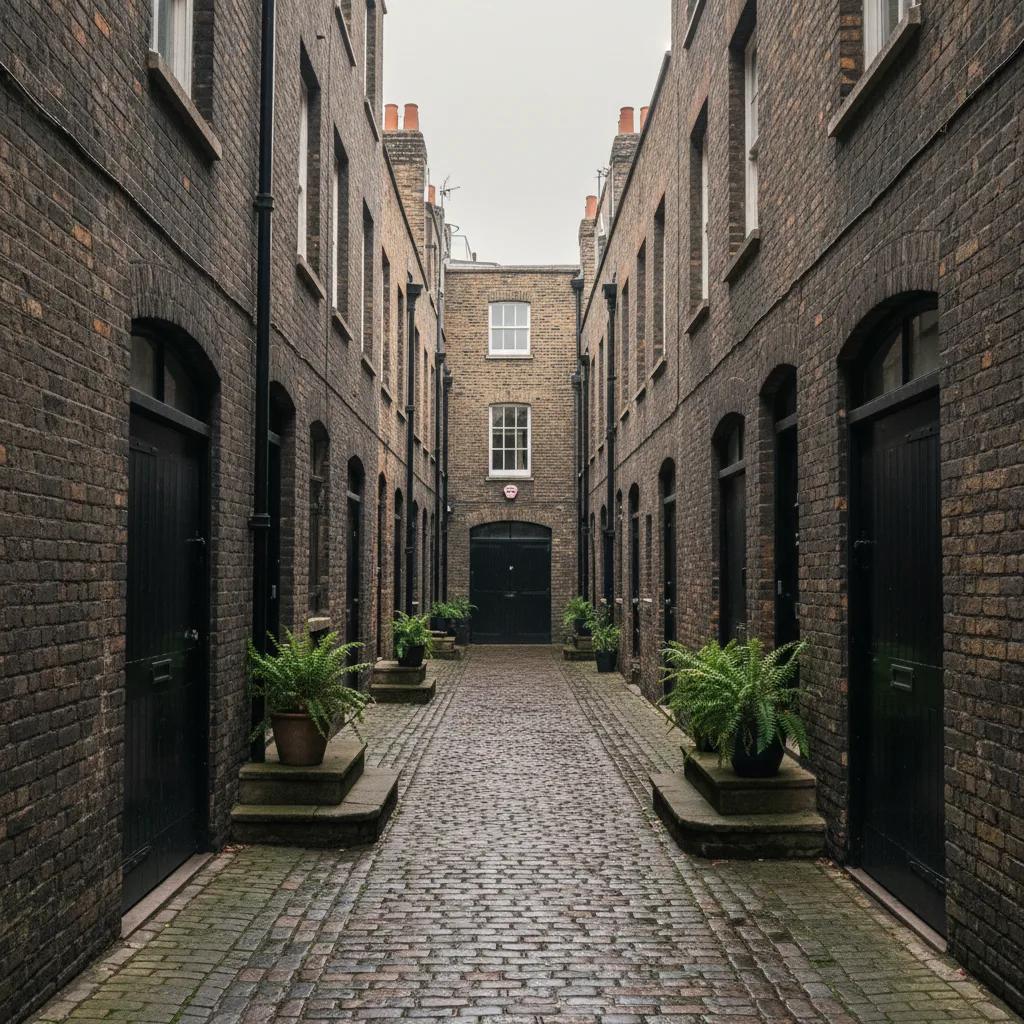
 Bloomsbury Mews Walk Planner: Literary Brick Passages
Neighborhood Guides

London Neighborhood Walk Planner: Bookish Loop Before Dinner
Build a London neighborhood walk planner around Bloomsbury bookshops, leafy squares, a flexible pause, and a dinner deadline you can reach without rushing.
A London neighborhood walk planner is most useful when your afternoon has a shape before it has a list of famous names. Imagine leaving near Russell Square, browsing around Bloomsbury, and needing to reach a dinner booking in the West End later. Tell the Karpo APP that the feeling you want is bookish, green, and unrushed. The useful result is a short set of possible streets and pauses that you can arrange yourself, rather than a rigid tour. The example below treats time, curiosity, and the return leg as equal parts of the outing.
Start With The Return, Then Choose Bloomsbury
Write the endpoint first. A dinner reservation, theatre curtain, or train departure gives the walk a real edge, while a vague instruction to wander can expand until every shortcut feels like a failure. Give Karpo your starting area, the latest time you can leave it, and the time you must arrive at the finish. Ask for a small number of nearby ideas with literary atmosphere, garden views, and places where you can stand or sit briefly. You are describing a planning problem, so separate the time you want to look around from the time needed to move between areas.
A Bloomsbury loop can begin with a square for orientation, move through a bookish street, and finish near a convenient westbound connection. The first stop should be easy to leave when the group is still settling. The middle section can hold the longer browse, perhaps a shop window or a quiet institutional facade you want to photograph. The last stop should point naturally toward dinner. Treat those roles as design choices, not promises about any individual business. The planner helps you compare shapes; you decide which places feel right when you read the suggestions.
Let Book Browsing Set The Pace
Book browsing needs a different clock from sightseeing. A single shop can absorb ten minutes or an hour, depending on whether someone finds a title worth carrying. Give browsing a cap before you start, then make the optional pause the first thing you remove. That rule keeps a lovely discovery from turning into a sprint later. Tell companions that the walk includes a protected wandering section and a movable break. Shared expectations are more helpful than pretending every person will cover the same distance at the same speed.

For the middle of the route, ask for contrast: a tree-lined square after a run of masonry, a narrow passage after an open court, or a gallery-like interior followed by outdoor air. That makes the walk feel composed without forcing a checklist. Put the candidates into walking directions and inspect the order, especially the connection back toward dinner. A broad map can make two points look adjacent even when the pedestrian route bends around a campus or a busy junction. Keep the return visible while you choose the outward sequence.
Build A Quiet Midpoint
If the group wants a rest, make it a condition in the request rather than an afterthought. Say whether the break needs a chair, a quiet corner, or simply a place to pause without blocking a doorway. Karpo can help you think through alternatives, but the final choice belongs to the route you inspect. A pause that sits on the way to the finish is safer than a cafe detour that pulls everyone away from it. Mark the pause as optional when the dinner deadline matters more than sitting down.
Queue management is mostly about a clear stopping rule. Decide how long you are willing to wait before you move on, and make that number part of the brief. If a bookshop is crowded, window browsing can still serve the walk while you continue toward the next section. If a table is essential, shorten the walking segment and protect that pause. The planner is a way to expose the trade-off early. It should help you choose between a fuller loop and a calmer one, not disguise the choice behind extra suggestions.
Keep The Finish Close
Use a simple three-layer map. The first layer is the route you will definitely walk. The second is a place you would enjoy if energy and time remain. The third is the clean return to dinner. Label those layers in your notes so a companion can understand the plan at a glance. When the route feels too long, remove the middle layer before cutting the finish. A walk is successful when the final approach feels like part of the day, rather than a correction made after everyone is tired.
Bloomsbury rewards small details: railings, planted courtyards glimpsed through gates, the rhythm of terraces, and windows that reveal a different kind of London life. Choose one observation to carry between stops, such as doors or typography, so the stroll has a thread. Keep the theme light enough that people can ignore it when conversation takes over. Karpo's suggestions can supply starting points for that thread, while your map and your companions determine how far it travels.
Practical Notes For A Bookish Walk
When the weather turns wet, keep the same logic and compress the outdoor spine. Ask for indoor-friendly ideas near the start and finish, then make the connecting walk the optional layer. A shorter route through covered arcades, passages, or galleries can preserve the mood without pretending that rain is part of the plan. State that you would rather have two good stops than four damp ones. Rewriting the brief is faster than rescuing a route that was built for a different forecast.
If one companion walks slowly and another wants to browse quickly, plan a shared anchor rather than a single pace. Choose a meeting point with an obvious entrance or corner, and let the faster person take a short look nearby while the slower person arrives. Put that flexibility into the Karpo request. The app can help generate nearby possibilities, but you still need to agree on the meeting rule. This small decision prevents the last third of the walk from becoming a series of phone calls and apologies.
Practical Notes For A Bookish Walk In Practice
An afternoon loop should have an exit before it needs one. Draw a shortcut from the middle back toward the dinner area, and note the point at which you will use it. That can be a square, a station approach, or a large crossing you can explain without consulting the screen. If the optional stop takes longer than expected, the shortcut protects the essential part of the outing. Planning an exit is not pessimistic; it gives you permission to enjoy the earlier sections without secretly counting every minute.
Practical Notes For A Bookish Walk: put the city, starting area, finish, latest arrival, desired mood, walking tolerance, and one non-negotiable interest into your Karpo APP request. Ask for a short list, then make your own walking map. This article uses illustrative neighborhood examples and does not promise admission, seating, opening hours, or prices for any business. Keep any paid visit optional until you have chosen the route. Save the finish and the shortcut in the same note so the plan remains usable when the conversation gets lively.
Practical Notes For A Bookish Walk Checklist
Before setting out, read the route once without moving. Check that the first section is easy to leave, that the central browse has a clear time limit, and that the final leg points toward the real commitment. Tell the group what will be dropped first if you run late. A concise plan might read: square, bookish street, optional pause, dinner. That is enough structure to make wandering feel intentional. The best neighborhood walk planner output is not a perfect itinerary; it is a decision you can keep making as the afternoon unfolds.
End with the Bloomsbury finish written beside the bookshop shortcut, so browsing can expand without threatening dinner. Keep the note short enough for a companion to repeat, and leave one unscheduled corner for the street to surprise you.
Ask Karpo for more information.
Keep reading
- Bloomsbury Mews Walk Planner: Literary Brick Passages
 Belgravia Mews Walk Planner: Stucco Arches and Alleys
 Notting Hill Mews Walk Planner: Quiet Painted Lanes