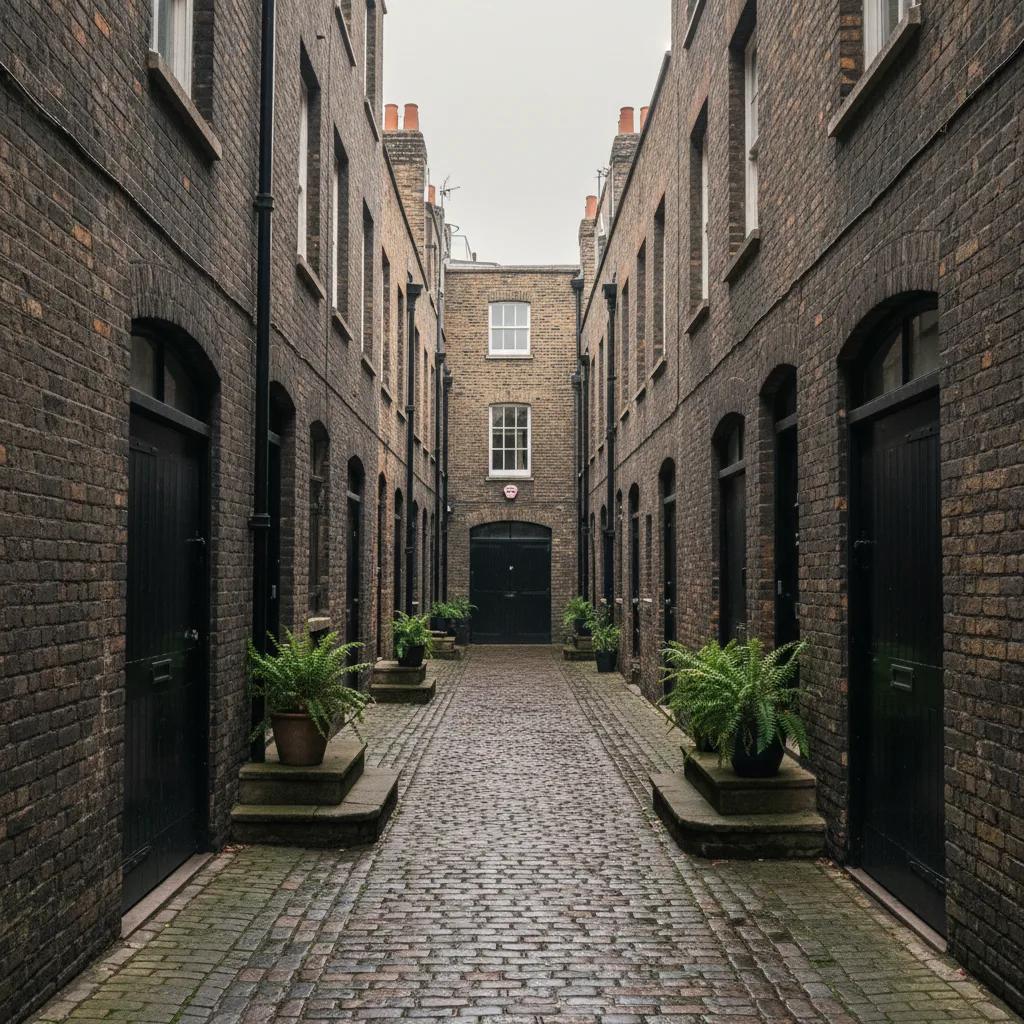
 Bloomsbury Mews Walk Planner: Literary Brick Passages
Neighborhood Guides
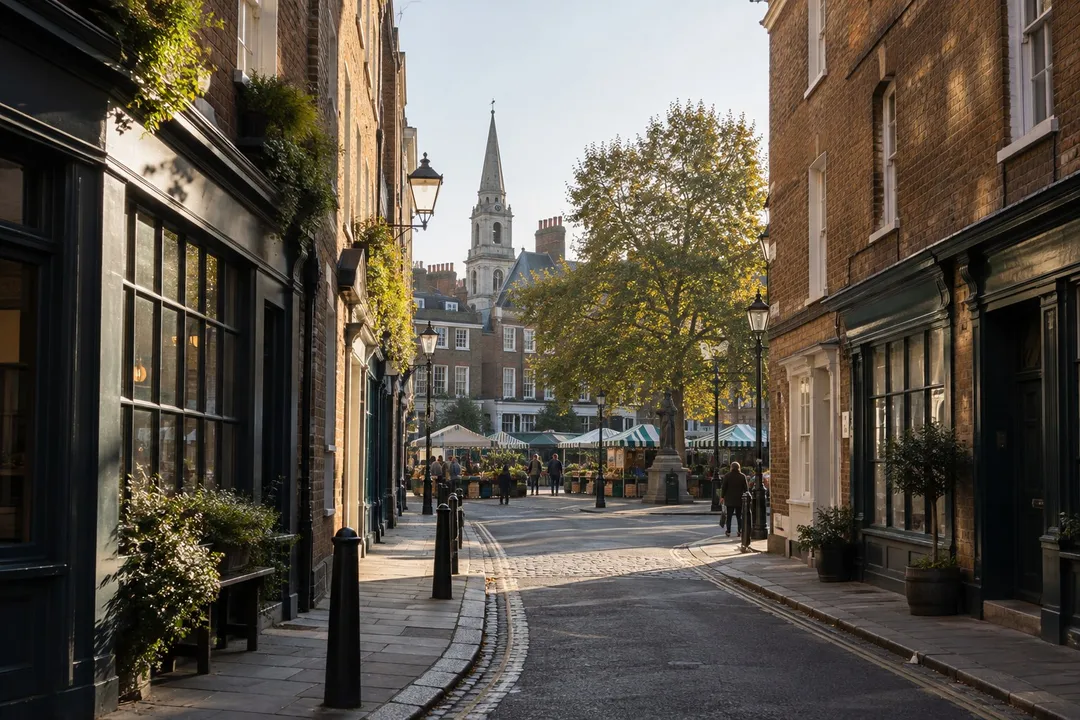
London Neighborhood Itinerary Builder: Try Two Stops First
Build a first London neighborhood visit around two different experiences, with one clear priority, a manageable walk and an easy point to finish.
A first afternoon in an unfamiliar London neighborhood can unravel before you have even left the station. You save a lunch spot, add a gallery, notice a market, then discover that your little introduction has become a full day of commitments. A neighborhood itinerary builder is most useful when it helps you choose a satisfying pair. Start with one experience you care about and a second that changes the texture of the outing. Use the Karpo APP to describe that combination in your own words, including the time and energy you actually have.
Decide what a good first visit would feel like
Picture the moment you want to take home. It might be a conversation over lunch followed by browsing, or a quiet indoor activity followed by a stretch outside. Those are different afternoons even if they happen in the same district. Choosing the feeling first gives you a reason to accept or reject a suggestion. A stop that is famous but unrelated to your interests does not automatically deserve a place in a two-stop introduction.
Give your request a personal starting point: “I am new to London and want to explore one neighborhood this Saturday. I like independent shops and somewhere comfortable to sit. Suggest a pair of contrasting stops, with the seated stop first.” This is an example brief, not a claim that particular venues have been selected. Include the district if you already have one in mind. If you do not, ask for a small choice of areas before asking for individual places.
Make the first stop worth the journey
The opening stop carries the most weight because it gives the afternoon a purpose. Would you still go if you had to come home immediately afterwards? If the answer is yes, you have a strong beginning. If both suggestions only sound appealing because they are close to each other, the pair may be convenient without being interesting. For a first visit, a clear reason to arrive matters more than squeezing another pin into the map.
Describe what makes that first experience work for you. “Somewhere to talk” might mean a quiet atmosphere, a proper meal, or simply enough time to settle. “Something cultural” could mean a guided activity or independent browsing. State the difference instead of relying on the broad category. You can ask for a shortlist and then explain which feature attracted you. That response gives the next request more direction than saying only that you want something nicer or more local.
Give the second experience a different job
A useful second stop creates contrast. After a long seated meal, you may enjoy moving and looking around. After concentrating on an exhibition, a drink and an unhurried conversation could be enough. Two experiences do not need to share a theme to belong together. Their relationship can be physical, social or emotional: a change of pace, an opportunity to talk about what you just saw, or a less structured ending after a fixed activity.
Ask yourself whether the second stop adds something you would miss. If lunch and a cafe both serve mainly as places to sit, you may prefer to spend longer at one and use the remaining time for a short look around. Conversely, two indoor stops can make perfect sense if comfort is the priority. The point is to choose deliberately. In your follow-up, say “Keep the first suggestion, but make the continuation about browsing rather than eating again.”

Treat the walk as part of the visit
The connecting journey should fit the afternoon you described. A short link leaves more time inside your chosen places. A longer wander can become the main attraction if you enjoy noticing side streets and everyday activity. Neither is automatically better. Tell the planner whether walking is something you want to do or simply how you intend to get between destinations. That distinction prevents a scenic-sounding connection from using the energy you meant to spend elsewhere.
You can give a personal allowance without pretending it is a measured route: “I would prefer no more than about fifteen minutes of walking between the two stops.” This is your preference, not a published journey time. Once you choose actual destinations, inspect the route in a navigation service. Look at the entrance you need and the direction you will be travelling. Two places that appear close on a broad map may still make an awkward pairing for your particular arrival.
Protect the part you most want to do
Decide which experience gets protected if the afternoon starts late. When the first stop is the reason for travelling, reduce the continuation rather than rushing the main event. When the second activity has a fixed start, work backwards from it and keep the opening simple. Your plan becomes easier to use when you know what to shorten. A pair of equal priorities can leave you trying to rescue both at the expense of enjoying either.
Leave one optional moment between the stops instead of adding a third destination. You might pause if a window display catches your eye or continue directly if you are tired. That is different from promising yourself another named place. A useful request is “Give me a main pair and explain which part I can drop if I lose half an hour.” You are asking for a decision rule, not an automatically updated schedule or a guarantee about how the day will unfold.
Keep your practical notes small enough to use
Before leaving, write down the first destination, the second destination, the way between them and the point where you can finish. Keep any booking confirmation separately from the suggested itinerary. A recommendation is not a reservation, and a proposed sequence is not proof that entry is available. If you decide on an activity with admission rules, use the venue's own booking information to complete that step. The purpose of the plan is to make your choices easier to act on.
Pack for the experience you chose rather than for an imaginary day covering everything. Comfortable shoes matter if walking is part of the pleasure. A small bag helps if browsing might lead to a purchase. Agree on the first meeting point with anyone joining you, and give the outing a reasonable ending. You can stay longer if you want, but starting with a finish point makes a first visit feel achievable instead of open-ended and slightly demanding.
Turn your pair into a personal request
Open the Karpo APP with three things ready: why you want to explore, how much time you have, and what you want the two experiences to contribute. Ask for a small shortlist rather than a long catalogue. Then choose the strongest starting point and refine its companion. Your first visit does not need to represent an entire London neighborhood. It needs to give you an enjoyable reason to arrive and enough room to notice what you might return for next time.
Ask Karpo for more information.
Keep reading
- Bloomsbury Mews Walk Planner: Literary Brick Passages
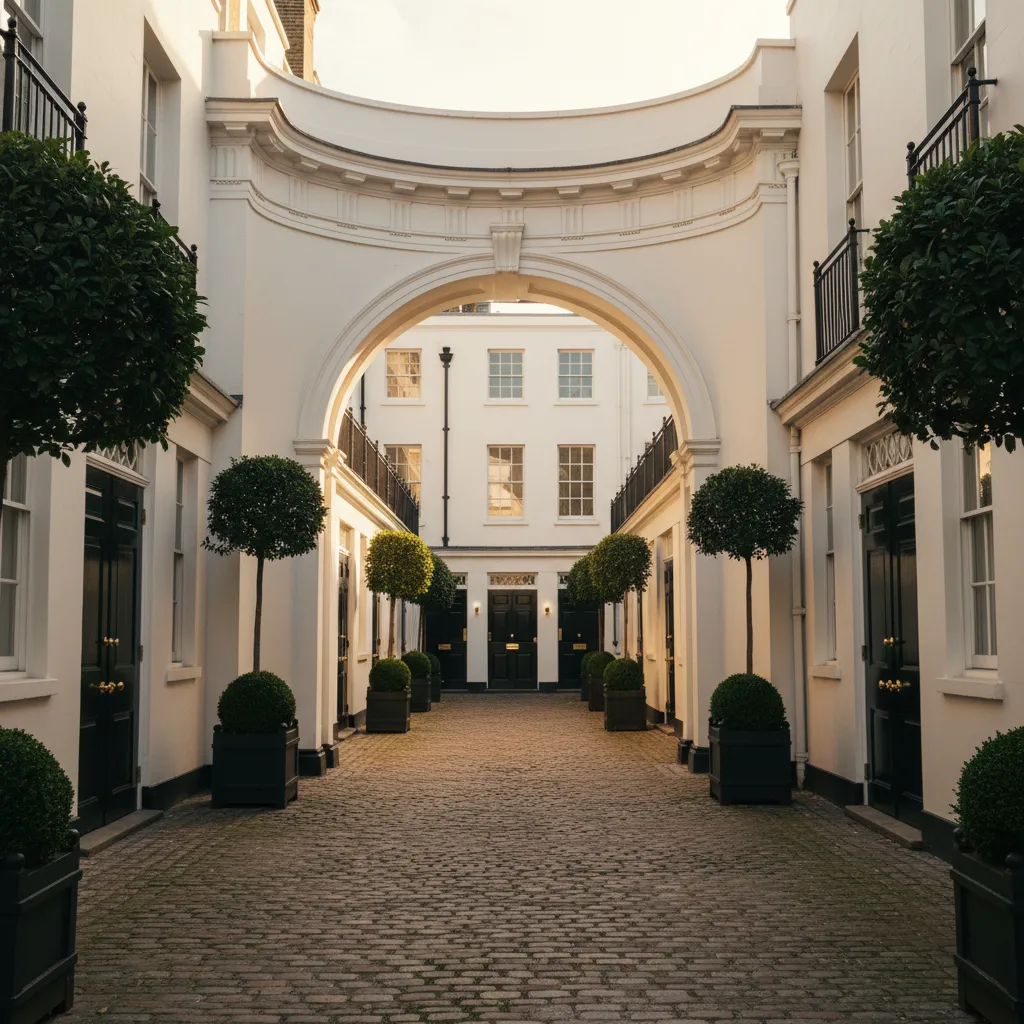 Belgravia Mews Walk Planner: Stucco Arches and Alleys
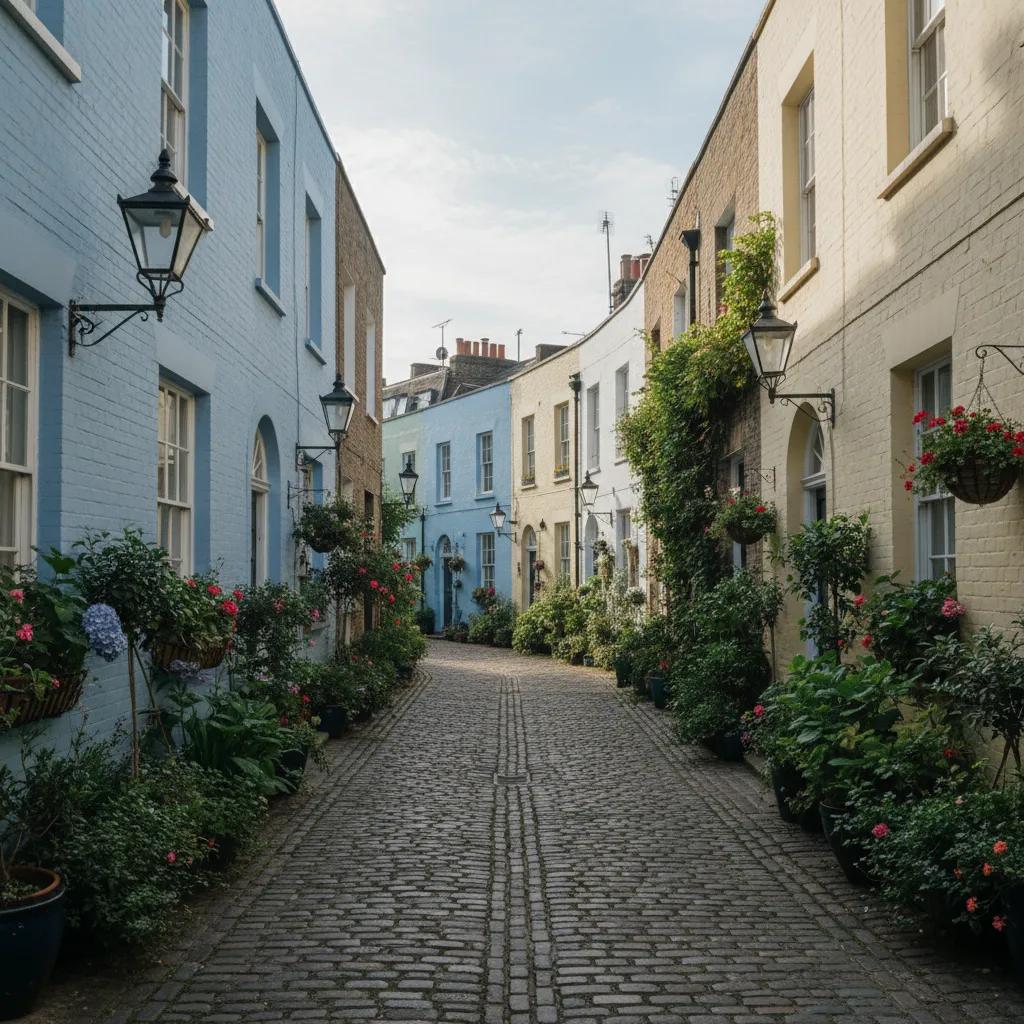 Notting Hill Mews Walk Planner: Quiet Painted Lanes