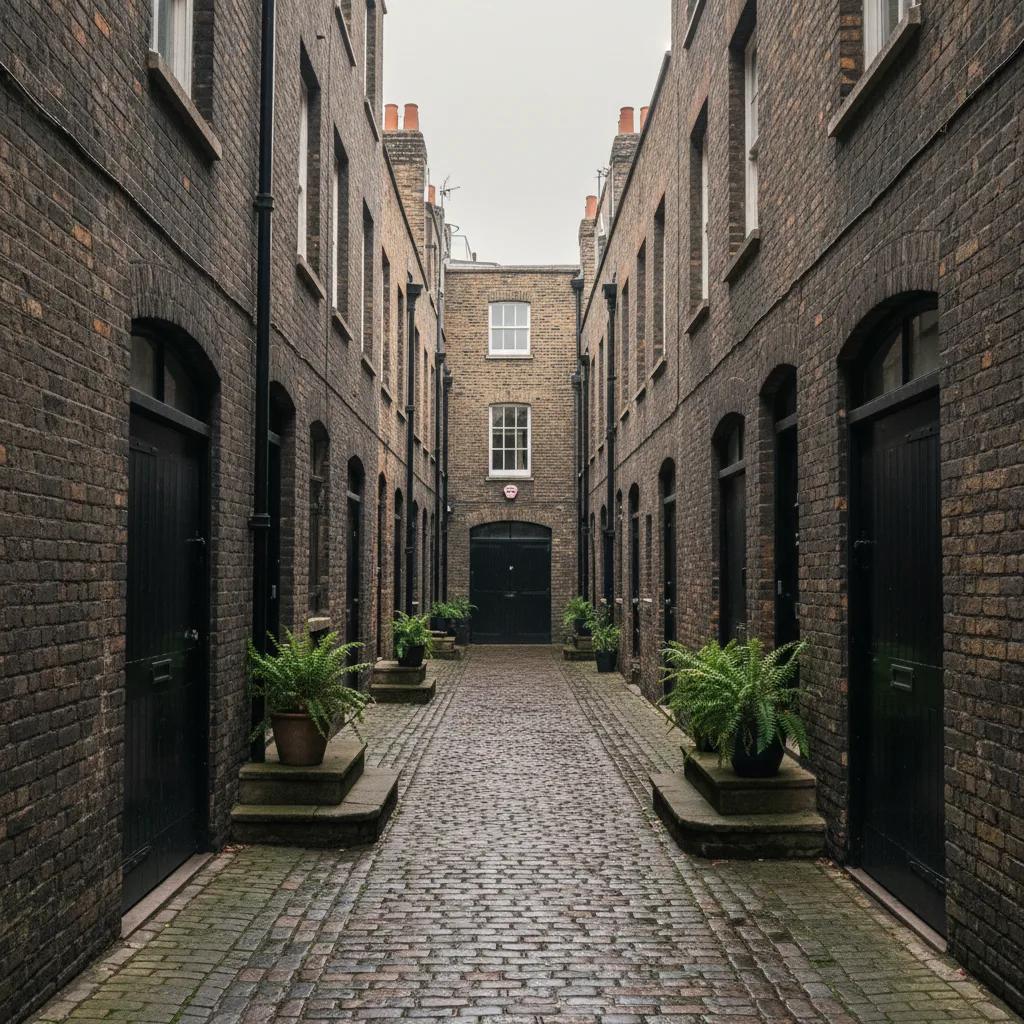
 Bloomsbury Mews Walk Planner: Literary Brick Passages
Neighborhood Guides
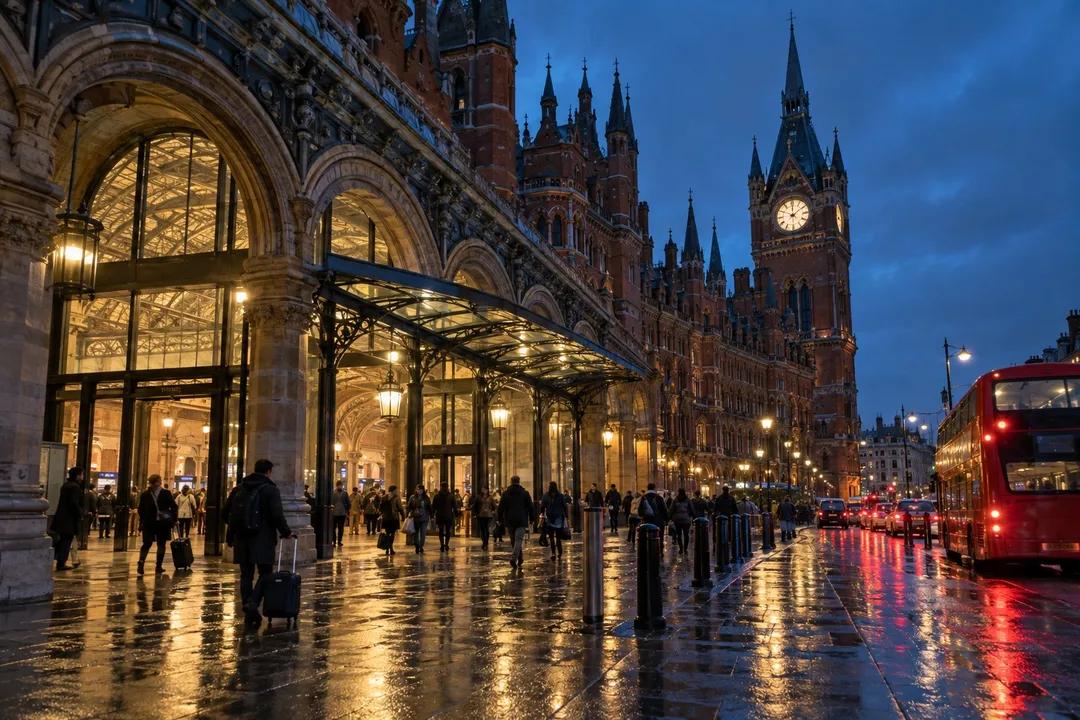
London Neighborhood Itinerary Builder: Start at Your Station
Start your London outing from a meeting point you already know, then choose the direction, first activity and finish that suit the time you have together.
You have agreed to meet outside a station in London, but the conversation stops there. One friend wants lunch, another wants to wander, and nobody wants to spend the first half hour debating directions on the pavement. A neighborhood itinerary builder can begin with that fixed meeting point rather than with a list of attractions. In the Karpo APP, describe where the group will gather and what should happen next. The useful question is not how many places lie nearby, but which direction gives your particular outing a coherent beginning and end.
Separate the meeting point from the first activity
A place that is easy to identify is not necessarily somewhere you want to spend the afternoon. Treat the station as the handover between travelling separately and exploring together. The first activity should earn its place for another reason: food, conversation, browsing or an experience you have chosen. This keeps convenience from quietly deciding the whole day. You can meet somewhere familiar while still choosing an outing that feels different from the journey you take every week.
Write a brief that names the starting constraint without overstating it: “We are meeting at our chosen London station after lunch. We have three hours together and would like an indoor activity followed by a relaxed drink. Suggest an outing beginning from that meeting area.” Add the station name when you send the request. If different exits would put people on opposite sides of a large junction, agree on an exact meeting description yourselves before distributing the plan.
Choose a direction before collecting more places
A station-centered search can produce tempting ideas in every direction. Joining them all together is how a compact visit turns into repeated crossings and backtracking. First decide whether your outing should move steadily away from the meeting point, return to it, or finish somewhere else. These shapes suit different needs. A returning route may help someone who wants a familiar departure. A one-way sequence can make sense when the final activity naturally becomes the end of the day.
Ask for alternatives that differ in a meaningful way. For example, request one route that stays close to the meeting area and another that uses the first stop as a stepping stone into a nearby district. Compare what the extra movement buys you. Is there an activity you actively want, or simply another suggested place? A broader area is worth considering when it improves the experience. It is less compelling when the only advantage is making the itinerary look more ambitious.
Budget the gathering time honestly
The arrival time on the invitation is not always the moment everyone is ready to begin. People may need to find one another, put away a bag or buy a drink. Allow for that social transition in your own schedule. If an activity starts at a fixed time, do not place the meeting immediately before it without a margin. Choose a gathering arrangement that leaves room for ordinary human movement rather than assuming that everyone steps off a train together.
For a hypothetical afternoon, you might reserve the first twenty minutes for meeting and settling, then start the main activity. Make clear that these are planning allowances you have chosen, not predicted service conditions. Tell Karpo the actual window available after the group has gathered. “We meet at two, but plan the first committed stop from half past” conveys more useful information than “an afternoon nearby.” It also makes the first choice less vulnerable to one delayed arrival.
Compare the first leg with the last leg
People often scrutinize the walk from the station and forget the journey home. Before choosing between routes, look at both ends. A slightly longer first connection might be acceptable if it produces a comfortable finish. A very convenient opening can become less attractive if everybody ends up far from the departure they need. The right comparison is the entire outing, including the energy you expect to have when you have finished eating, browsing or taking part in an activity.
Tell the planner about departure preferences as well as arrival. One person may need to leave first, while another is happy to continue. You could ask for a finish that makes an early exit straightforward, with an optional continuation for the others. That request does not require a claim about live transport. It requires clarity about the shape you want. Use a transport or navigation service for the actual journey details once you have settled on a destination and date.
Make the meeting instruction readable at a glance
A gathering message has a different job from an itinerary. It should identify the meeting place, the agreed time and what happens if someone cannot find the group. Keep the activity discussion out of that short instruction. A friend arriving with luggage should not have to scroll through restaurant options to discover where everyone is standing. Send the meeting decision once you have made it, and use a separate message for the order of the afternoon's activities.
Avoid descriptions that only make sense to the person who chose them. “The usual exit” is useful only when everybody shares that knowledge. Pick a named or otherwise clearly identifiable point that the group can locate. If you have not visited it, do not claim there are seats, shelter or a staffed desk. Those are physical features that need their own evidence. You can instead choose a meeting arrangement based on information the group already knows and is comfortable using.
Reduce the route when the start slips
When the group is late, preserve the purpose of the day before preserving its original length. If the main activity still fits, remove the least important extra. If it no longer fits, reconsider the sequence instead of trying to walk faster between every stop. A station-led plan works well when you have already decided what can change. The starting location may be fixed, but the number of activities and the length of the connecting wander do not have to be.
A useful follow-up request is “Keep our meeting area and the meal, but shorten the rest so we can finish an hour earlier.” Explain which element matters and which is negotiable. You remain responsible for any separate bookings you made. A revised suggestion does not move a reservation or contact a venue on your behalf. Keeping those actions distinct helps the group make a clean decision without assuming that a change in the itinerary has changed every arrangement attached to it.
Practical notes for a departure that feels settled
Before the outing, share one agreed starting instruction and one short activity sequence. Keep the finish visible, especially if somebody has a train or another commitment afterwards. In the Karpo APP, begin with the meeting point, the time available after gathering and the kind of afternoon you want. Ask for a route that respects those limits. London becomes easier to explore when a station is a useful starting anchor rather than a reason to collect every nearby possibility.
Ask Karpo for more information.
Keep reading
- Bloomsbury Mews Walk Planner: Literary Brick Passages
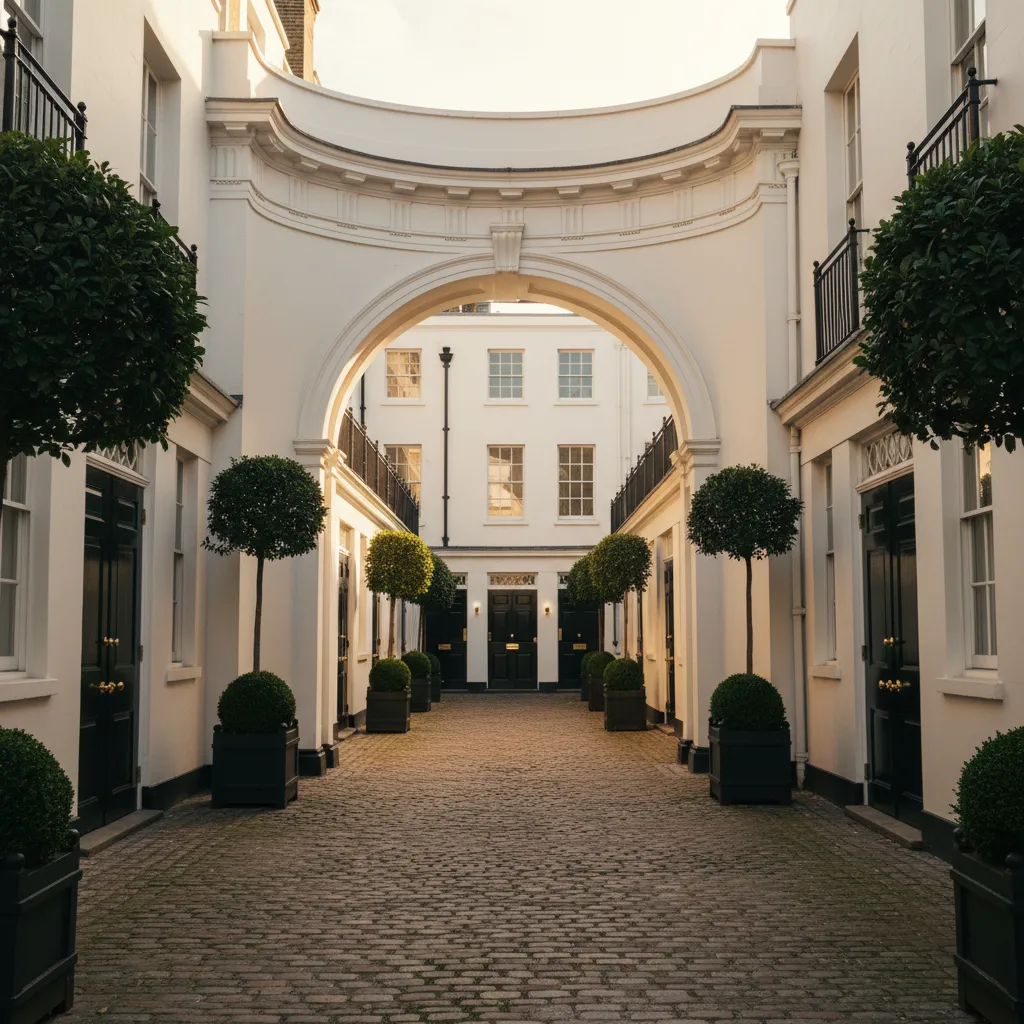 Belgravia Mews Walk Planner: Stucco Arches and Alleys
 Notting Hill Mews Walk Planner: Quiet Painted Lanes