 Bloomsbury Mews Walk Planner: Literary Brick Passages
Neighborhood Guides

London Neighborhood Itinerary Builder: Meet Friends in Waves
Plan a London meetup around a stable gathering point and one shared highlight, with a simple way for late arrivals to join without chasing the group.
A group afternoon gets complicated when “see you at two” really means three different arrival times. The earliest friends do not want to wait indefinitely, and the latest friend does not want to track a moving crowd across London. Use a neighborhood itinerary builder to design the social arrangement before choosing a route. In the Karpo APP, explain the arrival windows, the activity everyone wants to share and the part that can happen casually beforehand. A flexible meetup needs a stable joining point more than it needs another destination.
Decide when the whole group needs to be together
Start with the experience that requires everybody. It could be a meal, a booked activity or simply a conversation you do not want anyone to miss. Put that shared moment after the latest arrival you are planning around. The time before it serves a different purpose: it gives early friends something enjoyable to do without making later friends feel they have already missed the outing. This distinction is more helpful than trying to make every minute equally important to every person.
For example, imagine two friends arriving around lunchtime and two more arriving later in the afternoon. You could make the early phase a casual browse and the later phase the main meal. Those are hypothetical arrangements, not a venue schedule. Tell the planner which part needs the full group and which part can work with fewer people. A request such as “Suggest an easy early activity, then a shared highlight after everyone has arrived” gives the outing a useful center of gravity.
Choose a joining place that stays put
A moving meetup asks a late arrival to solve a location problem while the rest of the group keeps changing the answer. A stable joining place is kinder. Decide where the early group will pause long enough for others to arrive, and make that the official handover. It may be the main destination itself or another clearly agreed place. The crucial feature is the group's commitment to being there, not an assumption that a recommended venue will automatically accommodate everyone.
If you choose a business as the joining point, consider whether your plan depends on seating or ordering. A larger group can have different needs from two early arrivals. Do not promise space on the strength of an attractive photograph or a suggestion. Complete any necessary arrangement through the venue's own process. You can ask Karpo for ideas that match the intended group size, while keeping the actual confirmation distinct from the conversation that helped you choose the place.
Make the early activity easy to leave
The opening phase should be enjoyable without becoming a second commitment. Browsing can suit that role when the group can stop without losing the point of the experience. A timed class is a different proposition because it has its own start and finish. Think about whether an early friend can leave the activity to greet someone, or whether doing so would interrupt the experience. Flexibility comes from the type of activity you select, not from calling a tightly scheduled plan casual.
Avoid packing the early window just because some friends are available. A chain of stops can make the later meetup fragile: one extra browse becomes a late lunch, which becomes a rushed walk to the shared highlight. Choose a boundary for the early phase and a simple transition. In your brief, say “The first part should be skippable for late arrivals and easy for the early group to finish.” That tells the planner what kind of suggestion would actually serve the social situation.

Send two clear messages instead of one long thread
The early group and the later arrivals need different information. Early friends need the first meeting instruction and the optional activity. Later friends need the joining place, the expected gathering window and a contact in the group. Separate those messages so nobody has to reconstruct the afternoon from a scrolling discussion. You do not need a special coordination feature to do this. A short written plan shared through your chosen communication channel can be enough when the decisions themselves are clear.
Use descriptions that stand on their own. A friend joining later may not know the street nickname or the cafe someone mentioned in an earlier conversation. Include the agreed destination name once you have selected it, and distinguish “we will meet here” from “this was one of our options.” If the group changes location, one person should send the revised instruction directly. Do not assume that a planning app is tracking everybody's progress or automatically updating friends who have not joined the conversation.
Set a rule for delays before they happen
Decide what the group will do if the last arrival slips beyond the original window. You could keep the shared meal and drop a later wander, or start the optional part without them and meet at the main destination. The sensible choice depends on what you have booked and what everyone values. Agreeing on the principle in advance makes a delay feel like a small adjustment rather than an emergency meeting about the entire afternoon's purpose.
If an activity has a booking, its own conditions determine what changes are possible. A flexible itinerary does not override those conditions. Keep the booking holder responsible for any required contact with the venue. In the planning request, avoid asking for a route that only works if a reservation moves itself. Instead, state the fixed commitment and ask what can fit around it. That keeps the suggested schedule anchored to decisions the group can actually control.
Allow different finishing times without splitting the mood
Somebody who arrives last may want to stay longest, while an early friend may need to leave after the main event. Build the outing around the overlap rather than the total time any one person has available. A shared highlight can be followed by an optional continuation for those who remain. It is easier to enjoy that continuation when nobody feels it is another obligation. Make the main ending explicit so leaving at that point feels natural and complete.
For practical notes, keep track of the fixed activity, the stable joining place and the person handling any reservation. Let each friend manage their own travel unless the group has explicitly agreed otherwise. There is no need to circulate private journey details or explain every reason for a late arrival. The itinerary only needs the constraints that affect the plan. A little privacy and a clear handover often do more for a relaxed meetup than an elaborate schedule ever could.
Ask for a plan built around the overlap
Open the Karpo APP and describe the meetup as a set of arrival windows and one shared priority. Request an early option, a dependable group-agreed joining point and a continuation people can decline. Then choose actual places and send concise instructions to your friends. A good London afternoon can accommodate different starting times when everyone knows which experience belongs to the whole group and where the separate beginnings come together.
Ask Karpo for more information.
Keep reading
- Bloomsbury Mews Walk Planner: Literary Brick Passages
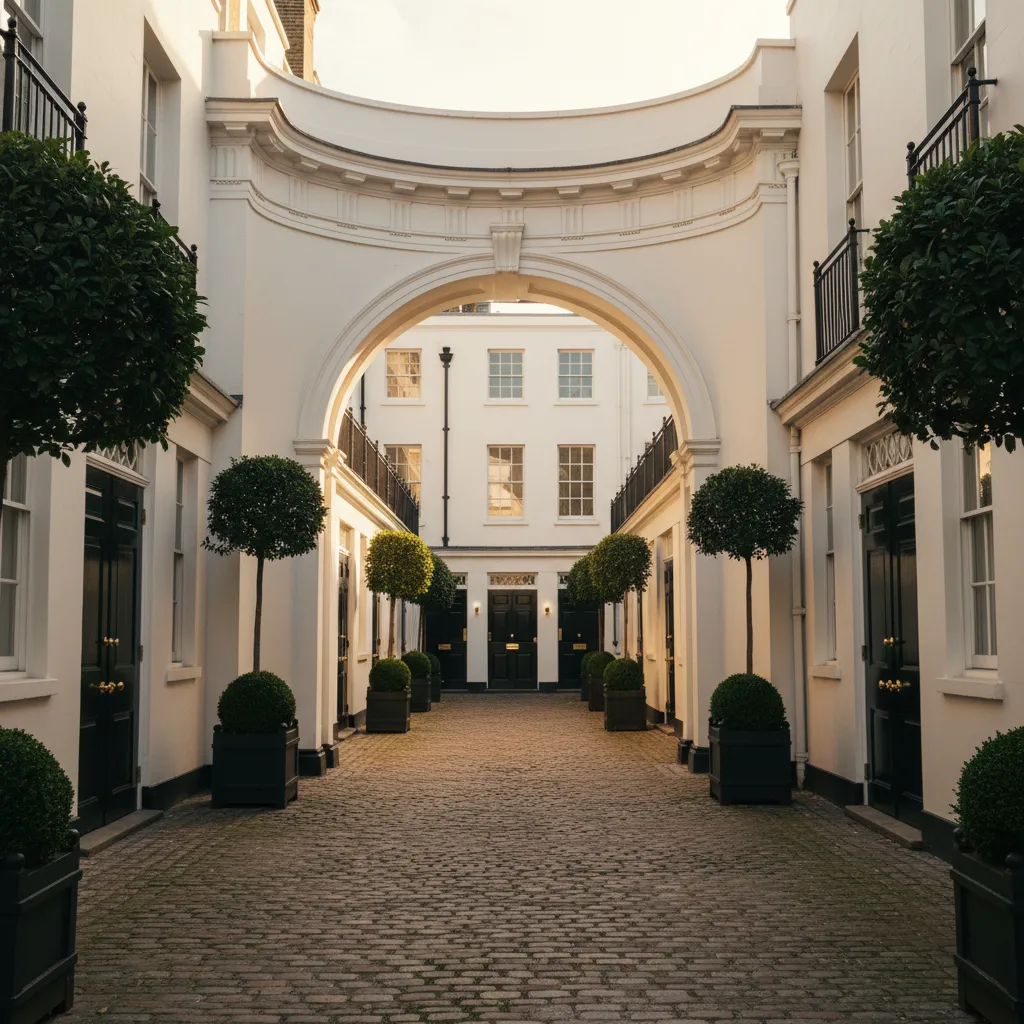 Belgravia Mews Walk Planner: Stucco Arches and Alleys
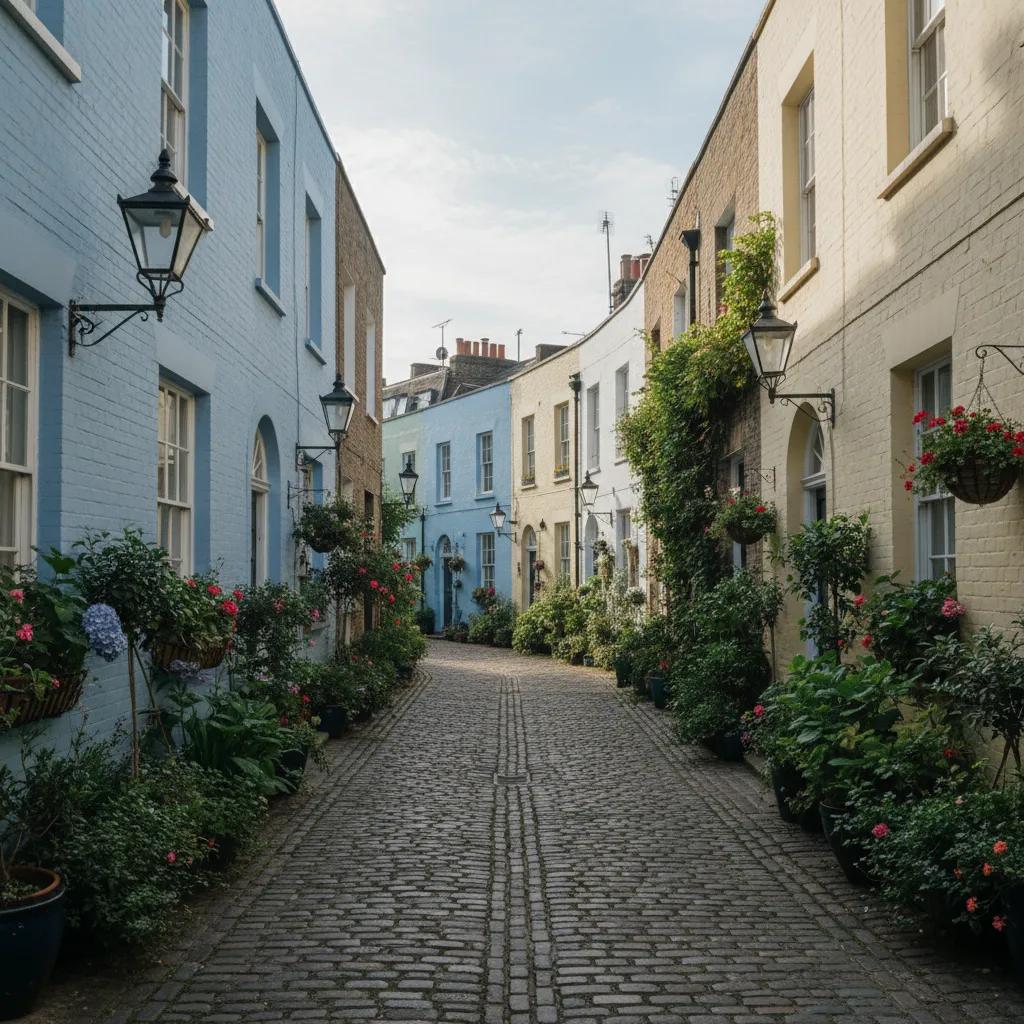 Notting Hill Mews Walk Planner: Quiet Painted Lanes