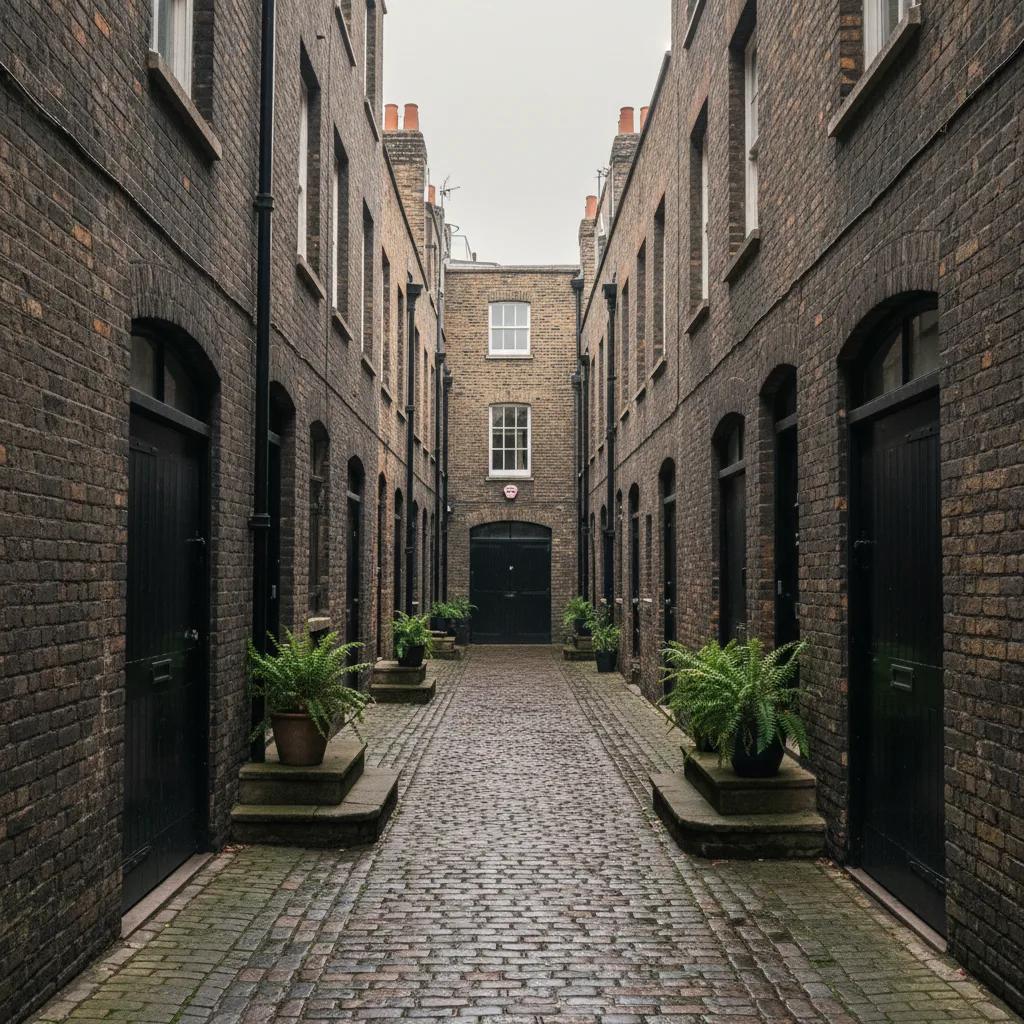
 Bloomsbury Mews Walk Planner: Literary Brick Passages
Neighborhood Guides
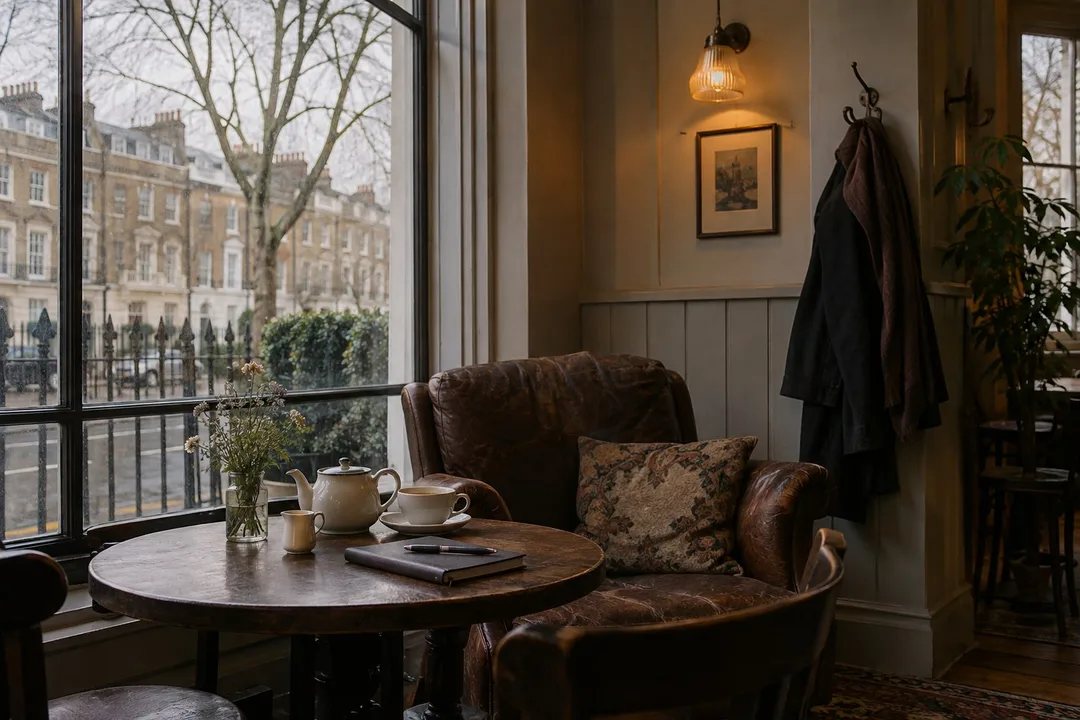
London Neighborhood Itinerary Builder: Rest More, Walk Less
A slower London outing begins with a clear walking limit and deliberate pauses, so the plan leaves enough energy for the experiences you actually enjoy.
Some days you want to explore London without turning the afternoon into an endurance test. Perhaps you are travelling with a parent, recovering your energy after a busy week, or simply happier spending longer in fewer places. A neighborhood itinerary builder should start with that pace. Describe a gentler outing in the Karpo APP by explaining how you want to move and where rest belongs. The goal is a plan you can enjoy at your own rhythm, with the breaks treated as part of the experience rather than an apology for doing less.
Translate slow into something another person can understand
“Easy walking” means different things to different people. One person may enjoy a long, level stroll but dislike stairs. Another may prefer a short distance followed by a proper sit. Begin with the most useful description of your own comfort: the longest uninterrupted walk you want, whether you need indoor pauses, and whether standing is tiring too. You do not need to disclose a medical history to explain what makes an afternoon pleasant and manageable for you.
Try a request such as “I want a quiet London neighborhood afternoon with two activities and a seated break between them. I prefer short walking sections and do not want a timed activity that makes me hurry.” These are instructions about the outing you want, not claims about a venue's facilities. If a particular physical feature is essential, name it separately. A general recommendation cannot establish that an entrance, toilet or seating arrangement meets a specific access requirement.
Put the longest pause where it helps most
A rest at the beginning may be welcoming after a journey, but it does not necessarily solve fatigue later. Think about when a pause will be useful. If concentration is tiring, leave time after the main activity to sit and talk. If you arrive hungry, food may belong first. If the trip to the neighborhood already uses much of your energy, choose a simple opening rather than assuming you will immediately set off on a walking route.
Consider a fictional plan with an indoor browsing stop, a seated meal and a short optional wander. The meal is not merely a gap between two attractions. It is one of the reasons the afternoon works. You can ask for that structure explicitly without naming a business. Choosing the pattern before individual venues helps you assess suggestions on their contribution to your comfort. An excellent activity in isolation may still be a poor fit if it occupies the wrong part of the day.
Distinguish a pleasant seat from a guaranteed one
Seating is easy to imagine and harder to rely on. A photograph of a cafe does not establish that your group will be able to sit when you arrive, and an outdoor bench is not the same as an indoor rest stop. If sitting is essential, choose an arrangement with a level of certainty you are comfortable accepting. Keep any reservation or admission confirmation alongside your plan. Do not treat an itinerary suggestion as confirmation that a specific table or chair is waiting.
In the planning conversation, say whether the pause must include food, shelter or simply somewhere to stop moving. Each condition changes what you should consider. You might prefer a booked meal over an uncertain cafe visit, or a shorter outing over a route dependent on outdoor seating. Those are personal decisions, not universal rules. Asking for fewer suggestions with a clear explanation of their role can be more useful than receiving a long list of places that happen to look restful.

Count effort beyond the map distance
Walking distance is only one part of effort. Carrying a bag, finding an entrance, standing to order and changing floors can all affect how a day feels. When comparing ideas, imagine the sequence from arrival to departure rather than only the connection between pins. A short route with several transitions might be less appealing than a single destination where you can settle for longer. Explain which transitions you would prefer to avoid so the brief reflects your actual experience.
Do not infer accessibility from a quiet atmosphere or a small venue. Those qualities say nothing reliable about steps, door widths or accessible toilets. Where access is essential, use the venue's published access information or a direct response to resolve that specific question. You can still use Karpo to help articulate your priorities and explore possibilities. The useful boundary is between discovering an appealing idea and establishing the physical details required to make it suitable for your visit.
Build an ending that arrives before exhaustion
A slower outing benefits from a finish chosen in advance. That does not mean you must leave at a rigid minute. It means you know what a complete afternoon looks like before you are tired. Perhaps the meal is the final planned experience, with a short wander available only if you feel like it. Perhaps a single cultural stop and a drink are enough. Give yourself permission to finish after the part you came for instead of adding something to justify the journey.
Ask which element is easiest to remove without spoiling the outing. A route with an optional extension is usually easier to shorten than one whose main activity sits at the far end of a long chain. You might request “Keep the seated stop and the indoor activity, but make all additional walking optional.” That instruction protects the experiences you value. It also avoids turning a change in energy into a negotiation about whether everyone has completed the original itinerary properly.
Let companions plan around a shared comfortable pace
If you are going with someone else, discuss pace before choosing destinations. Ask what makes a break useful rather than deciding for them. One companion may appreciate frequent short pauses, while another would rather stop once for longer. A shared plan should reflect those differences without making anybody feel like an obstacle. Agree on a simple way to shorten the day, and treat that option as ordinary. It is easier to use a fallback that everybody already understands.
Practical preparation can stay modest: a manageable bag, whatever personal essentials you use, and a clear departure arrangement. If somebody needs to leave independently, include that in the group's understanding. Keep the outing's descriptions separate from any unverified physical features. A calm-looking street scene is an illustration of mood, not evidence of a level route. The same care applies to a suggestion described as relaxed: the label cannot replace the specific conditions that matter to your comfort.
Give the planner a pace it can work with
Begin in the Karpo APP with the experience you want and the effort you want to spend on it. Include a personal walking limit, the kind of pause that helps and one activity worth protecting. Ask for a small selection that follows this shape, then refine the most appealing possibility. A gentle neighborhood visit is successful when you enjoy the time you chose to spend there. It does not need extra destinations to make the afternoon count.
Ask Karpo for more information.
Keep reading
- Bloomsbury Mews Walk Planner: Literary Brick Passages
 Belgravia Mews Walk Planner: Stucco Arches and Alleys
 Notting Hill Mews Walk Planner: Quiet Painted Lanes