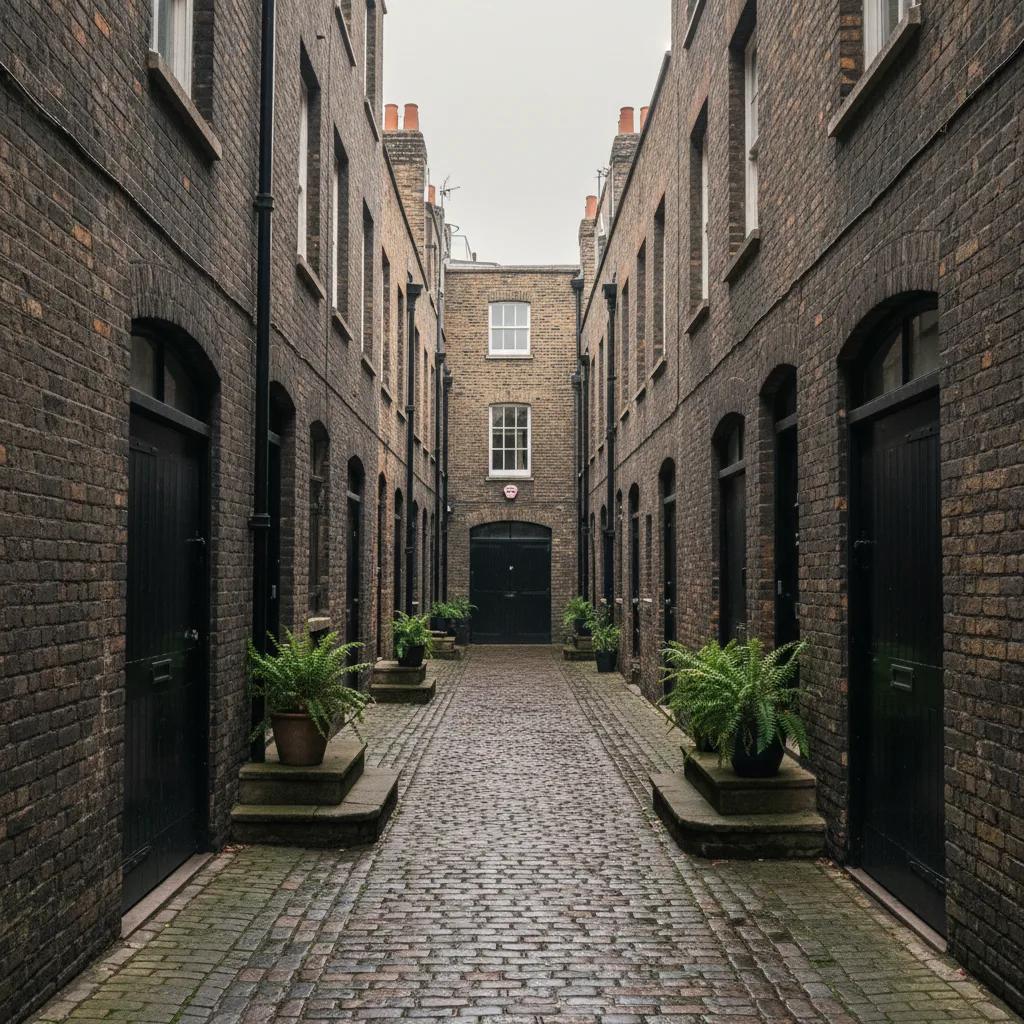
 Bloomsbury Mews Walk Planner: Literary Brick Passages
Neighborhood Guides
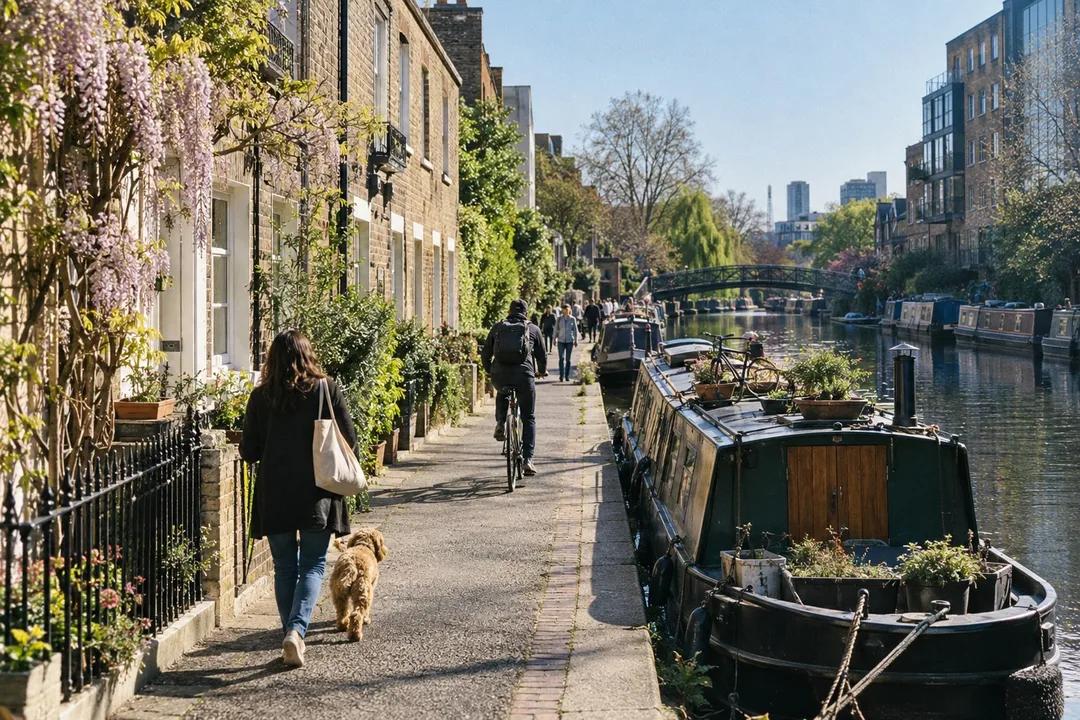
London Neighborhood Itinerary Builder: Short or Wider Walks
Choose a compact London walk or a wider district loop by comparing the experience gained, the effort required and how easily you can shorten the outing.
You have two appealing ways to spend an afternoon in London. One stays in a small pocket, with time to linger. The other links several parts of a district and promises more variety. A neighborhood itinerary builder should help you compare those shapes before you commit to individual stops. Describe the tradeoff in the Karpo APP: do you want depth in a small area, or movement between different experiences? The answer depends on the day you want, the people joining you and the amount of travel you consider part of the pleasure.
What makes a compact route feel complete?
A compact outing has a tight center of interest. You might spend most of your time at one activity, then have a meal or a browse close enough to feel like a continuation. Its appeal comes from attention rather than coverage. You have room to notice a display, discuss what you saw or stay at the table when the conversation is good. Fewer destinations can create a more memorable afternoon when each one matches what you actually came out to do.
Compact does not have to mean short in duration. Two substantial experiences can fill the time you have without much movement between them. The important question is whether you would enjoy spending longer at each stop. If you are someone who gets restless after a brief look, a tightly clustered plan may feel finished too soon. Tell the planner how you like to spend time, not only how far you want to walk. Distance and depth are separate choices.
When does a wider loop earn the extra movement?
A wider route makes sense when the connections contribute to the experience. Perhaps you enjoy watching the character of streets change, or you want a mixture of browsing, food and outdoor time. In that case, walking is an activity in its own right. The route should offer enough interest to justify the extra effort. Adding destinations merely because they can be joined on a map can produce more movement without giving the afternoon a stronger identity.
Imagine a hypothetical contrast: a compact indoor activity followed by a meal, versus a longer outing that places a wander between two different kinds of stop. Ask which sounds more attractive before comparing specific businesses. If the walk itself is the reason to choose the wider version, protect time for it. If it only serves to connect the places, ask whether a smaller plan could deliver the same pleasures with fewer transitions and less attention spent on navigation.
How should you compare two suggested versions?
Give both versions the same starting conditions. Use the same date, available time, group size and main interest. Otherwise, you may end up comparing a long Saturday outing with a quick weekday visit and learn little about the route shape itself. Ask for the compact version and the wider version in the same request. Then look at what changes: the variety of experiences, the amount of walking you want to do, and the point at which each plan feels complete.
Keep the comparison focused on your priorities. A useful prompt is “Show me two ways to explore one London neighborhood: one concentrated around a main activity and one with more wandering. Keep food preferences and total available time the same, and explain what I gain by choosing the larger route.” This is an example question you can bring to the conversation. It does not imply that Karpo has calculated a verified walking circuit or tested every connection on the ground.

Is returning to the beginning actually useful?
A loop returns you towards your start, which can be convenient when you want a familiar departure. But returning is not automatically a benefit. If the final experience points naturally towards a different journey home, walking back purely to close the circle may add little. Decide whether you need a loop or simply a sequence. Those are different requests, and the distinction can change how you judge an otherwise appealing collection of stops.
Consider the reasons for finishing where you began. You might be meeting someone later, leaving an item with a friend or sharing a departure point. If there is no practical reason, a one-way outing could be equally satisfying. State any real requirement in your brief rather than asking for a loop by habit. Once you select destinations, use navigation information to assess the actual connections. A neat shape in a suggested itinerary is not evidence of a comfortable or accessible pedestrian route.
Which version is easier to shorten?
The compact option is often simple to trim because you can spend less time at an optional stop. A wider version needs a clearer escape decision: where will you stop adding distance if energy or time runs low? Look for a route where the main experience does not depend on reaching the farthest point. If the highlight comes last after several optional places, you may feel obliged to rush through everything that was supposed to make the longer outing attractive.
Ask for a shorter version that still preserves your main reason for going. For instance, say “Keep the activity I chose and one place to sit, but remove the extended wander.” You are describing a change in priorities rather than asking for live rerouting. You can make the same decision yourself by marking the main experience, the useful companion and the optional extension. When those roles are clear, a shorter afternoon can feel intentional instead of like an unfinished larger plan.
What if your companions prefer different distances?
Talk about what each person wants from the outing before deciding that one route is better. A friend who asks for a short walk may really want more conversation and less navigation. Someone asking to explore further may be worried that a seated afternoon will feel too static. Those preferences can sometimes meet in a compact core with an optional extension. Everyone shares the main experience, and those who want more movement can continue after the agreed finish.
Avoid treating the more energetic choice as the default achievement. A wider loop is not a more successful version of a compact visit. It offers a different balance of movement and attention. When discussing the alternatives, ask each person which part they would be disappointed to miss. That answer helps separate an important experience from a vague wish to do more. Build around the shared interests first, then decide whether the extra distance adds something the group actually values.
Practical notes before choosing your London afternoon
Write down the starting point, main experience, desired finish and personal walking preference. Add any fixed booking as a separate commitment. Keep venue conditions and transport details with the information you used to make those decisions, rather than assuming that a suggested plan confirms them. If weather affects your preference, decide whether you want an indoor core or are happy to spend most of the outing outside. You can choose that emphasis without making a prediction about the conditions on the day.
In the Karpo APP, ask for a fair comparison between a concentrated visit and a broader exploration, then explain what appeals to you in each. Choose the smaller version when lingering sounds like the reward. Choose the larger one when the wandering itself is something you want to remember. The useful itinerary is the one whose shape matches your day, with a clear main experience and an ending you can reach comfortably, rather than the one that fits the most names into a route.
Ask Karpo for more information.
Keep reading
- Bloomsbury Mews Walk Planner: Literary Brick Passages
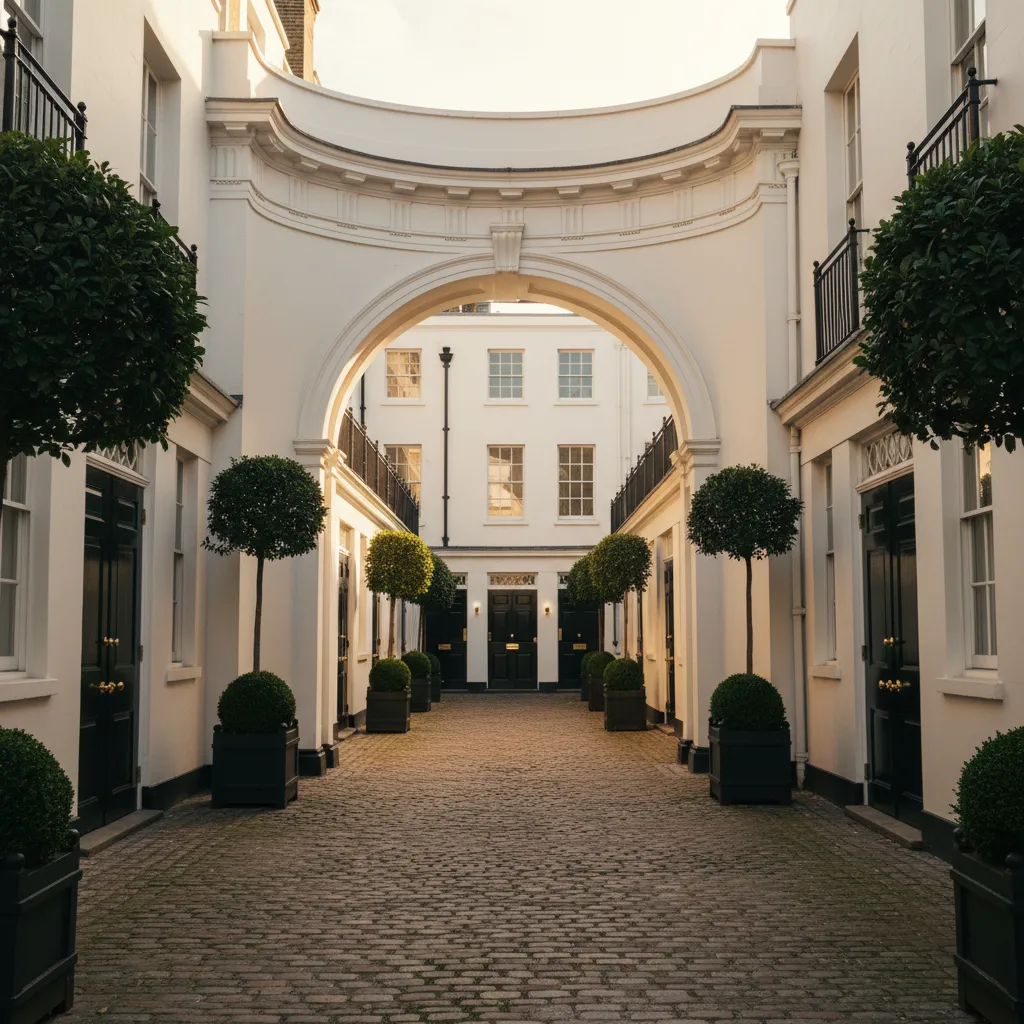 Belgravia Mews Walk Planner: Stucco Arches and Alleys
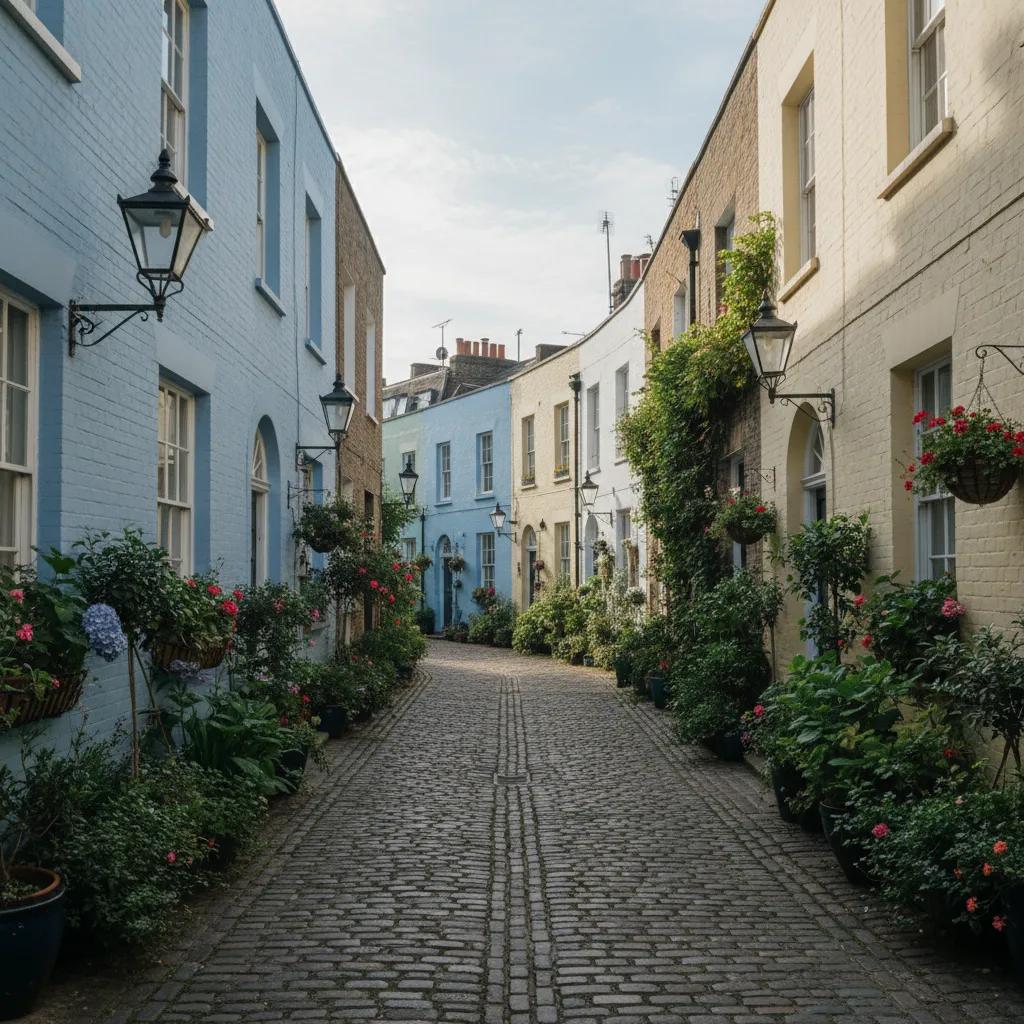 Notting Hill Mews Walk Planner: Quiet Painted Lanes