 London Indoor Bouldering Centre: Beginner Walls Shoe Hire
Sports Social
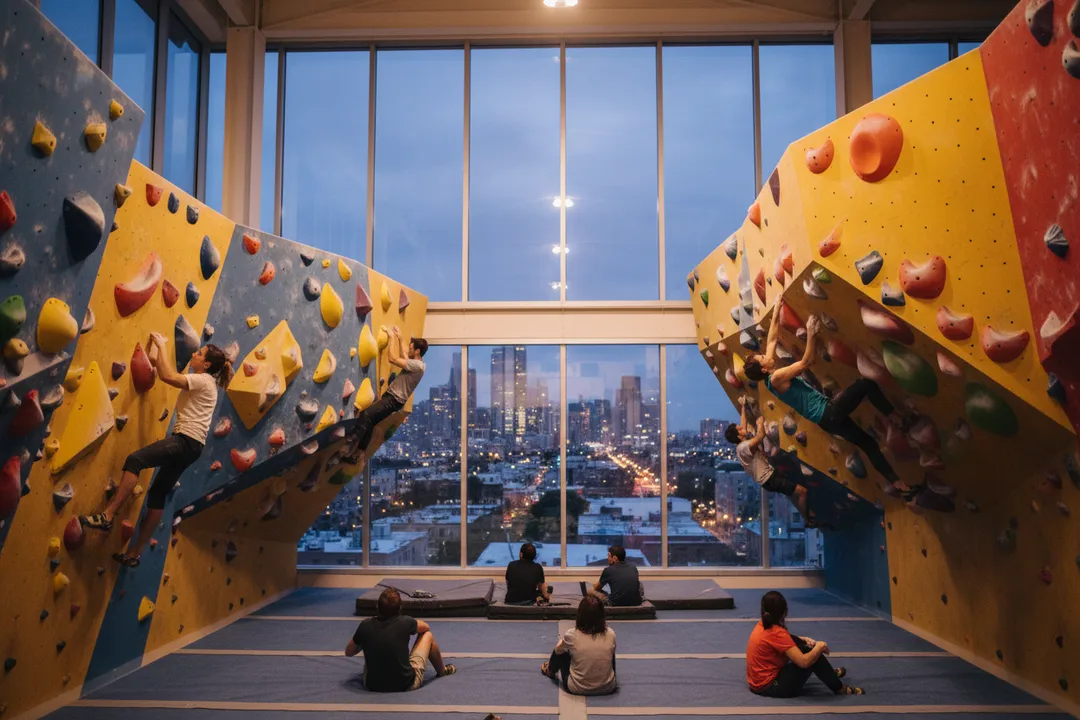
London Indoor Bouldering Centre: Weeknight Route Plan Fast
Plan a London indoor bouldering centre session around timing, travel, and skill level. Compare route options in Karpo APP, then keep a practical backup ready.
A weeknight bouldering plan starts when people leave work, not when the first hold is touched. Put each person’s finish time, office area, dinner preference, and energy level into Karpo APP. Ask it to rank options by the handoff between work and climbing: where bags can be carried, how many changes the trip needs, and how much quiet time remains before the warm-up. The best route feels achievable before anyone changes clothes.
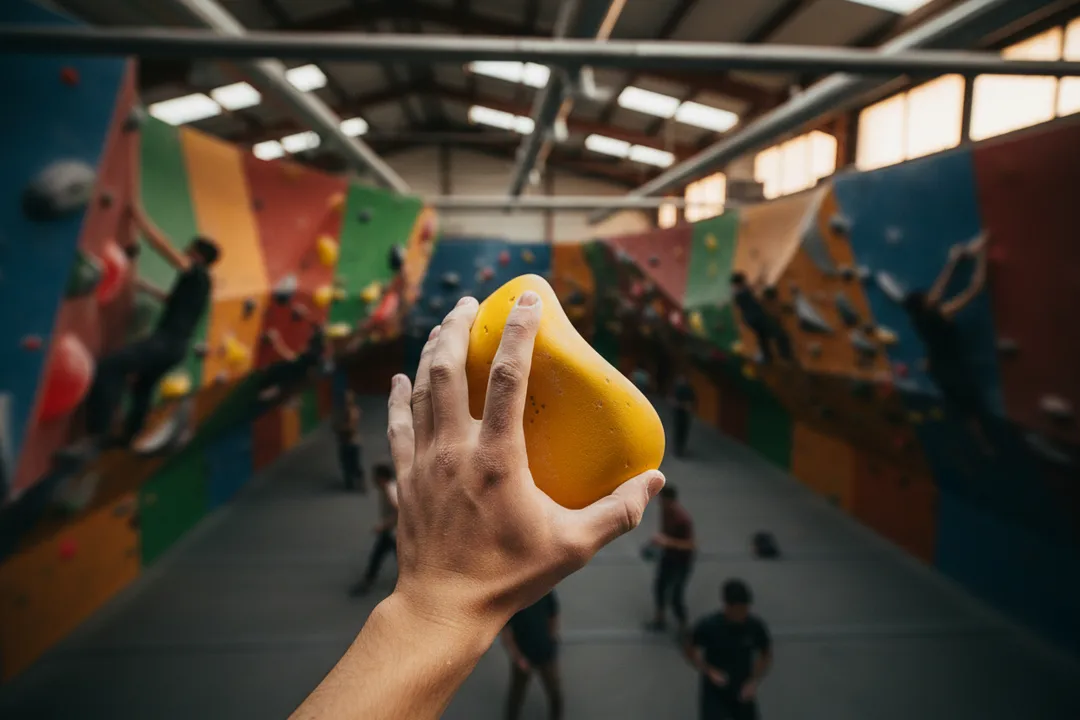
Protect the after-work handoff
Give the planner two arrival bands: a preferred band and a late band. The preferred band leaves room to enter, stow a laptop, and breathe; the late band says which optional step disappears first. That makes a delayed meeting manageable. The group can still climb when the original plan slips, because the decision rule was written before the commute began rather than improvised in a crowded station.
Weeknight groups often arrive from different offices and different levels of tiredness. Name one meeting point, one shared break, and one person who owns the next choice. That simple rhythm keeps the quickest arrival from dictating the whole evening and lets a late colleague join without a second planning thread.
Compare a fast route with a kind route
The fastest London journey is not always the kindest one after a long day. Ask for a side-by-side view of raw travel minutes, walking distance, transfer count, and the time needed to settle. A route with one extra stop may win if it avoids a confusing interchange or lets a tired climber arrive with both hands free. Keep the reasons beside the ranking so nobody mistakes a single number for the whole answer.
Choose a firm latest-start time and a firm departure time. If the group misses the first, ask Karpo APP to cut the optional circuit, not the safety margin. If the evening ends early, the tool can suggest a nearby meal or a direct ride home without turning that suggestion into a promise about a particular business. The useful output is a short sequence with clear trade-offs, not a long list of unranked pins.
Turn a short evening into three rounds
A weeknight session benefits from three compact rounds: a temperature-raising set, a technique set, and one personal choice. Tell the planner whether the group wants balance, slab-style footwork, overhang practice, or a gentle return to movement. It should explain the kind of problem to seek and the reason for its position in the evening. That framing lets a person leave after the second round without feeling that they abandoned the plan.
Use a two-attempt rule for a rushed evening and a three-attempt rule when the group has time. After each attempt, name one adjustment: hips closer, feet quieter, or a different hold sequence. The point is to create a small feedback loop before fatigue turns every try into noise. Ask for a route that protects one final success, rather than spending the whole night chasing the hardest visible colour.
Handle bags, shoes, and the desk
Weeknight friction often sits before climbing begins. Tell Karpo APP who carries a work bag, who needs a shoe fitting, and who has to leave first. The route card can place those tasks in order: entry, belongings, footwear, warm-up, then wall choice. Keep a short packing list for water, a layer, and a secure key pocket. A two-minute preparation reminder is more useful than a vague instruction to arrive early.
Mixed groups can run parallel schedules without splitting up. One person may need a slower shoe decision while another is ready to climb; give both a shared meeting point and a shared break. Let the tool mark a quiet corner or seated pause as a social anchor, then set a rule that nobody adds a new objective after the final round begins. The evening stays friendly when the route has one owner and a visible finish.
Use the middle of the evening wisely
A short break is a scheduling tool as much as a recovery tool. Reserve ten minutes for water, a snack, and a quick read of what worked. Ask each person to report one useful detail, not a score. If a wall feels crowded or a movement style is not landing, the planner can move the next round to a different angle. That small change keeps attention alive without requiring a new venue.
Keep the post-climb plan optional. A nearby meal can be useful when nobody has an early start, while a direct homeward route is better when the last train matters. Ask Karpo APP to show both and to remove the extra automatically when the departure margin narrows. The group should never feel that skipping dinner means the original climbing decision was wrong.
End before the last train becomes a sprint
Enter the exact train or bus deadline and a realistic walk from the centre to the platform. The final circuit should finish early enough for changing, collecting bags, and crossing a busy interchange. Tell the tool to show a stop trigger, such as a delayed connection or a tired forearm. A weeknight plan succeeds when the ride home feels ordinary, not like a final challenge.
Write the backup in one sentence: if the commute slips, shorten the optional round; if a shoe issue takes longer, keep one technique problem; if energy drops, leave after the current circuit. Save that line beside the primary route. At the door, read the selected order aloud and give one person responsibility for the next decision so the group does not reopen every possibility.
Leave a useful trace
Before heading home, save the route card with a note about the wall angle, the best warm-up, and the time the group actually left. The next after-work session can use those observations instead of guessing. A short record turns a one-off plan into a repeatable London habit.
A colleague joining late can read that short record and know exactly where the group is in the evening.
Make the next week easier
Ask Karpo APP to build a second option with one altered constraint, such as an earlier finish or a simpler transfer. Seeing that option now prevents a fresh debate next Thursday. The useful promise of a planner is continuity: each week starts with evidence from the last one.
Changing one constraint next week will feel like a small experiment instead of another commute-time debate.
Ask Karpo for more information.
Keep reading
- London Indoor Bouldering Centre: Beginner Walls Shoe Hire
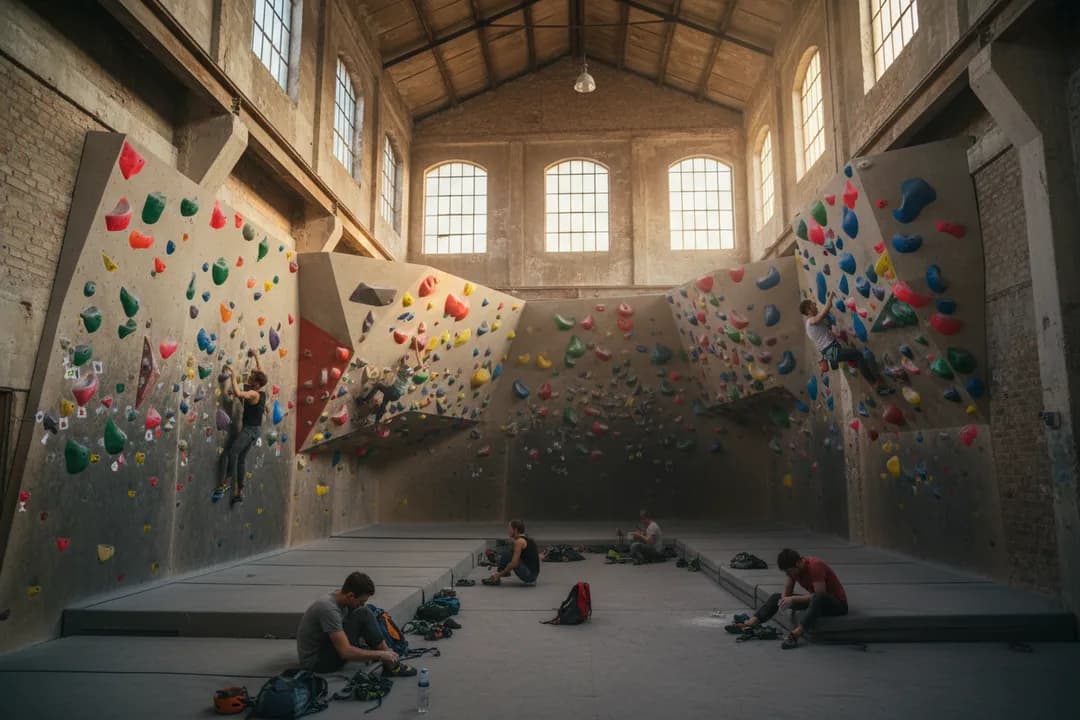 London Indoor Bouldering Centre: Rainy Day Climbing Plan
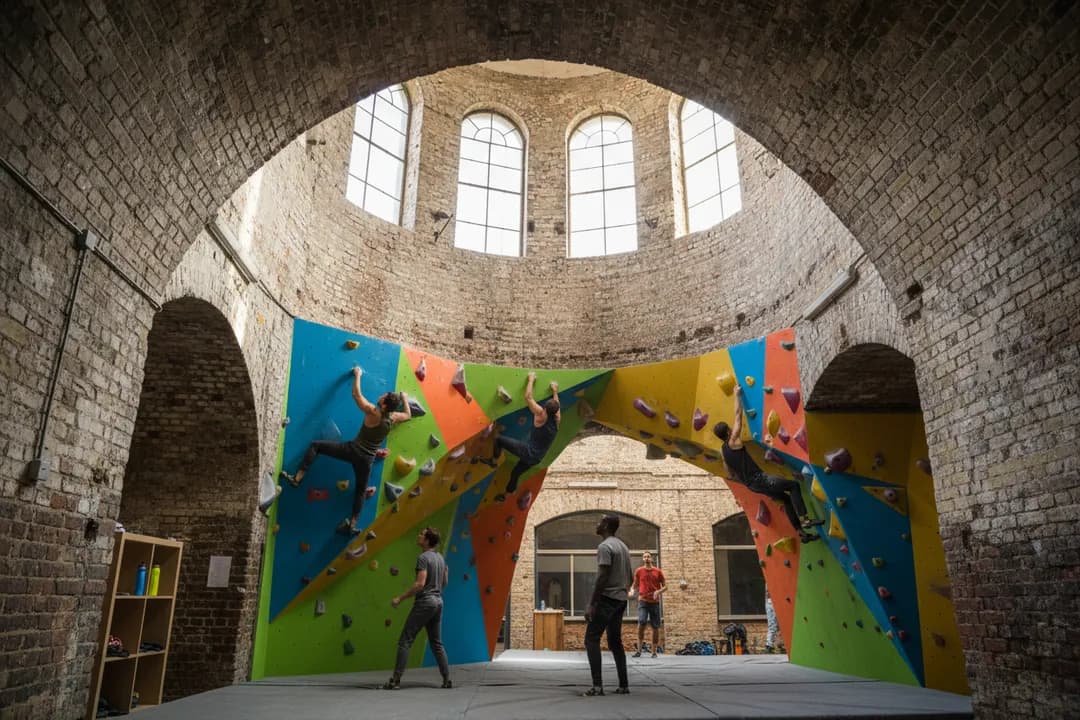 London Indoor Bouldering Centre: Free First Visit Route Plan