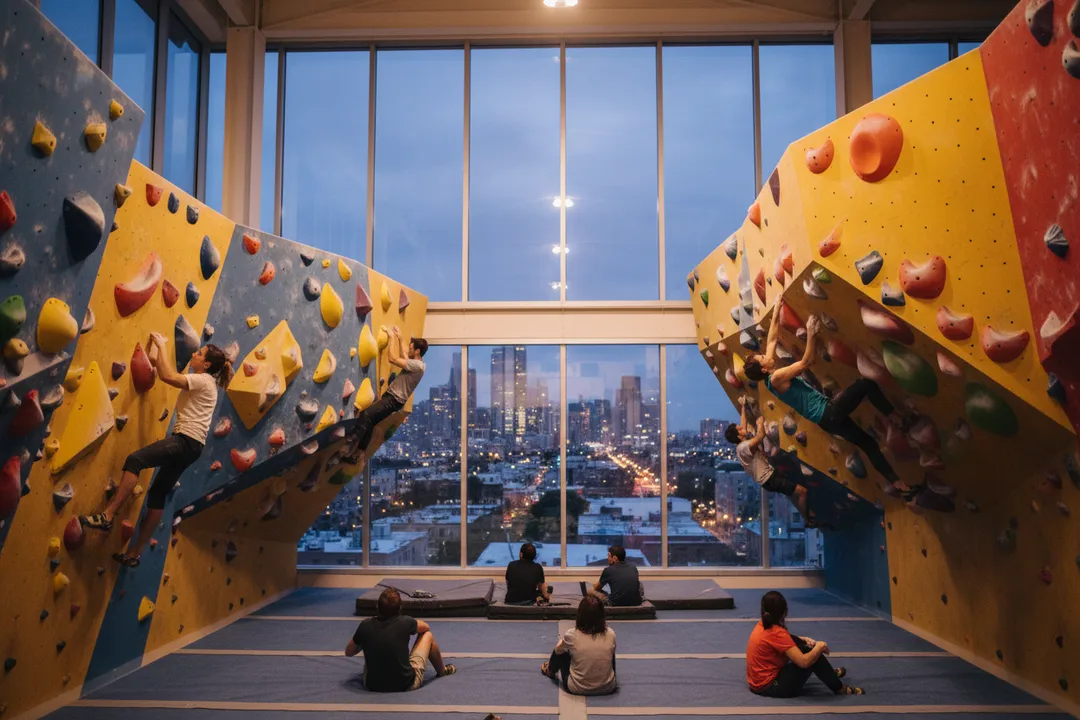
 London Indoor Bouldering Centre: Weeknight Route Plan Fast
Sports Social
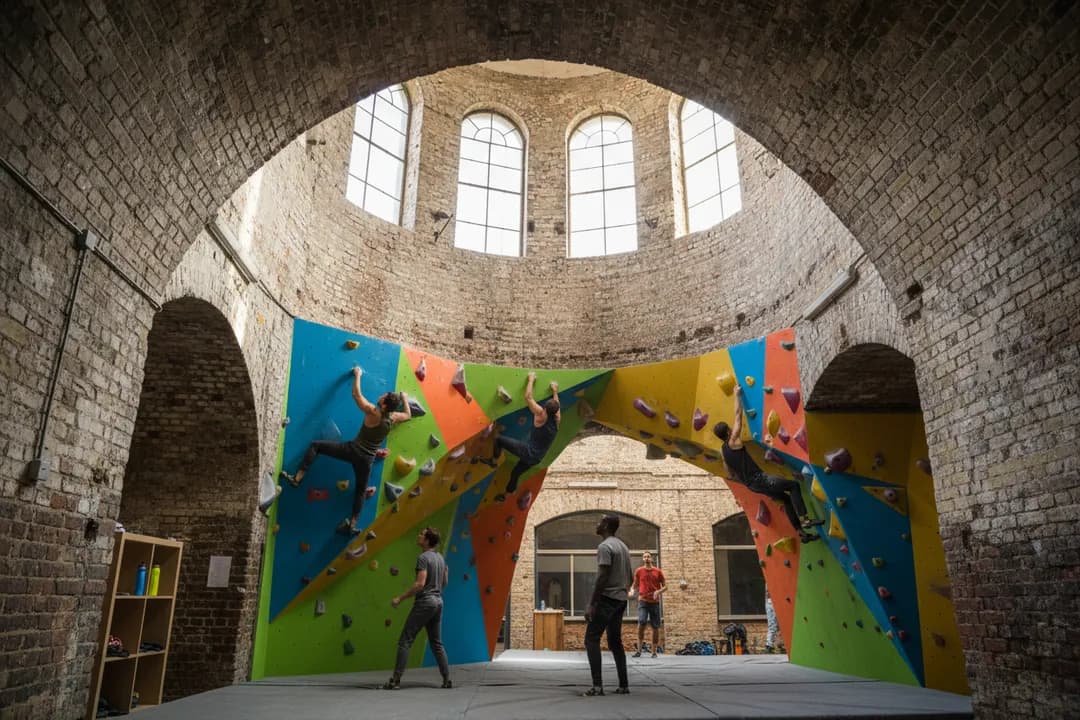
London Indoor Bouldering Centre: Free First Visit Route Plan
Plan a London indoor bouldering centre session around timing, travel, and skill level. Compare route options in Karpo APP, then keep a practical backup ready.
A first indoor bouldering session is easier when the request begins with the person, not a famous wall. Put age range, previous movement experience, comfort with height, and the time you can leave London into Karpo APP. Add whether the group wants coaching-style guidance, quiet practice, or a sociable circuit. The result should explain why one option suits the group, what could make it awkward, and which fallback keeps the outing useful.
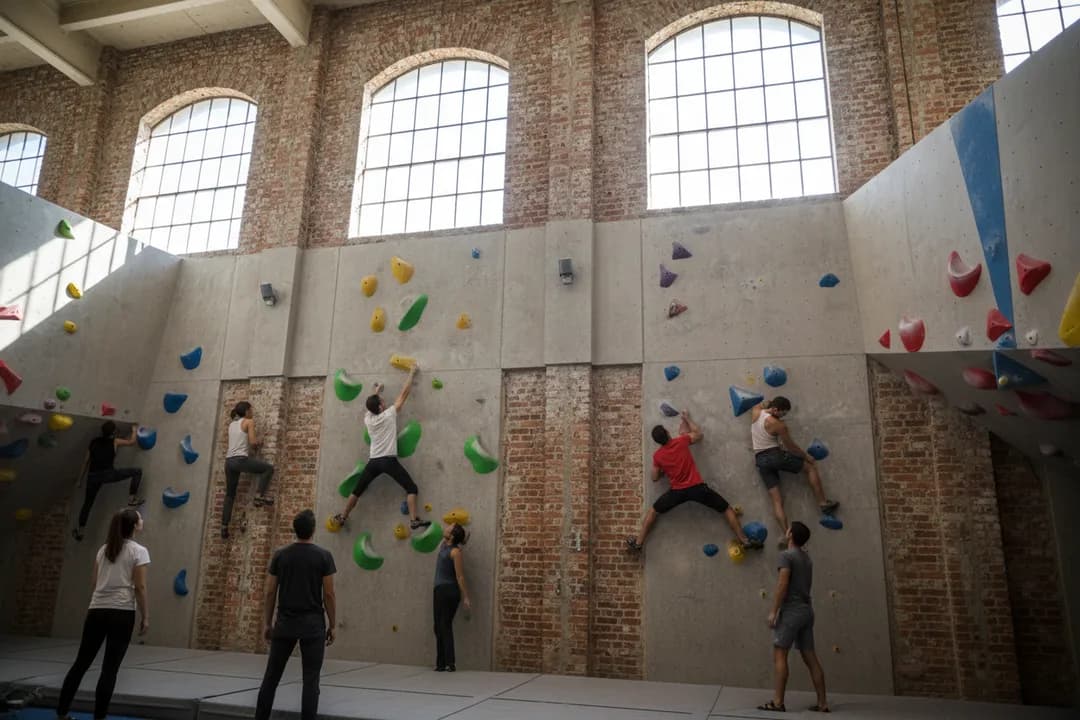
Start with a first-visit brief
Give the planner a real arrival window rather than a hopeful departure time. A new climber needs space to find the entrance, put belongings away, learn how the grading works, and watch another person land safely. Ask for a route with a gentle first ten minutes, a clear place to pause, and a finish time that leaves everyone unhurried. That small buffer turns a first visit from a race into an experiment the whole group can enjoy.
Agree on three words before leaving: warm-up, pause, and stop. A shared vocabulary helps a first-time climber ask for a change without apologising. Put those signals in the route card so the confident person hears them as part of the plan, not as an interruption.
Make travel part of the choice
London journeys often have two separate costs: the ride itself and the attention it consumes. Ask Karpo APP to show the interchange, the walk from the last stop, and a fifteen-minute arrival margin as separate lines. If one centre requires a complicated transfer while another is simpler, the shorter map route may be the better beginner choice even when the raw minutes look similar. Keep the travel comparison visible beside the climbing comparison.
Set a hard latest-arrival point before selecting a session. If the group reaches the neighbourhood after that point, the plan should shorten the warm-up rather than pretend everyone can start at full intensity. Add a homeward deadline too, especially for a weekday return. A route card that names its last safe departure and its optional extras helps the group make one decision instead of reopening every map on the pavement.
Turn the wall into a learning sequence
Ask for three stages instead of a single difficulty label: movement warm-up, technique problem, and stretch attempt. The colour system belongs to each centre, so the planner should describe hold size, wall angle, and movement style rather than translate one grade into a universal promise. A useful first sequence lets a newcomer feel one controlled success, learn from a miss, and then decide whether a harder problem still feels inviting.
A stopping rule protects learning. Three attentive attempts can reveal more than ten rushed retries, particularly when a person is still learning where to place their feet. Tell the tool to suggest when to step down, when to change walls, and when to take a short video for private review. The point is not to collect a score; it is to leave with one movement that feels clearer than it did at the start.
Separate equipment from assumptions
List owned kit and borrowed kit in two columns. For a first visit that may mean climbing shoes, chalk, water, a light layer, and a way to secure keys, while the venue supplies or rents the rest. Ask for a short fitting window so shoe questions do not steal climbing time. Tight shoes should feel precise rather than painful, and the plan should leave room to change size without making the group feel late.
Mixed experience works better when the fastest climber does not set the pace for everyone. Build two tracks: a minimal kit and warm-up for the confident person, and a slower fitting and movement lesson for the newcomer. Karpo APP can keep both tracks in one route card, with a shared break and a shared leaving time. That arrangement lets people compare what they learned without forcing them onto the same grade.
Use breaks as part of the session
Plan a ten-minute reset before forearms become the only thing anyone notices. The break can cover water, a quick look at foot placement, and a decision about whether the next problem should be steeper, more technical, or simply different. Ask the planner to place the pause near a practical exit point, then give the group one observation job each: watch hips, watch feet, or name the move that changed an attempt.
A good break also gives a nervous beginner permission to speak. If someone is hungry, cold, or overwhelmed, the route should make that signal a valid reason to stop. Keep one optional neighbourhood stop after climbing, but mark it cancellable. The climbing plan remains successful if the group goes straight home; the extra stop exists only when energy and transport still make it pleasant.
Build a calm way home
Enter the last train, bus, pickup, or walking deadline before the final circuit is chosen. The tool should reserve time to change shoes, collect belongings, and reach the exit without a sprint. A late session can still feel generous when the last problem is selected early. Ask for a visible finish point, a departure margin, and the exact trigger that ends climbing even if another route looks tempting.
Keep one fallback that changes the order rather than adding distance. If a transfer stalls, remove the optional meal, shorten the route, or stop after the current circuit. Do not promise that a particular service is running; ask the tool to recalculate around the new constraint. Read the final route aloud: who is coming, when they arrive, what they try first, where they pause, and how they leave.
Save a note for next time
At the exit, record one movement that felt natural, one question about the wall, and one constraint that shaped travel. That note gives the next London indoor bouldering centre request a useful starting point and keeps the first visit from becoming an isolated memory.
Keep that note beside the saved route so the next person can understand the choice without reopening every option.
Choose the evening you can repeat
A sustainable first session is better than a heroic one. Ask Karpo APP to rank the route you could repeat next week, with the same arrival margin and a slightly different movement focus. The plan should make return feel possible, not demand a perfect performance today.
The next visit can then change one variable while keeping the useful arrival margin and the same calm finish.
Ask Karpo for more information.
Keep reading
- London Indoor Bouldering Centre: Weeknight Route Plan Fast
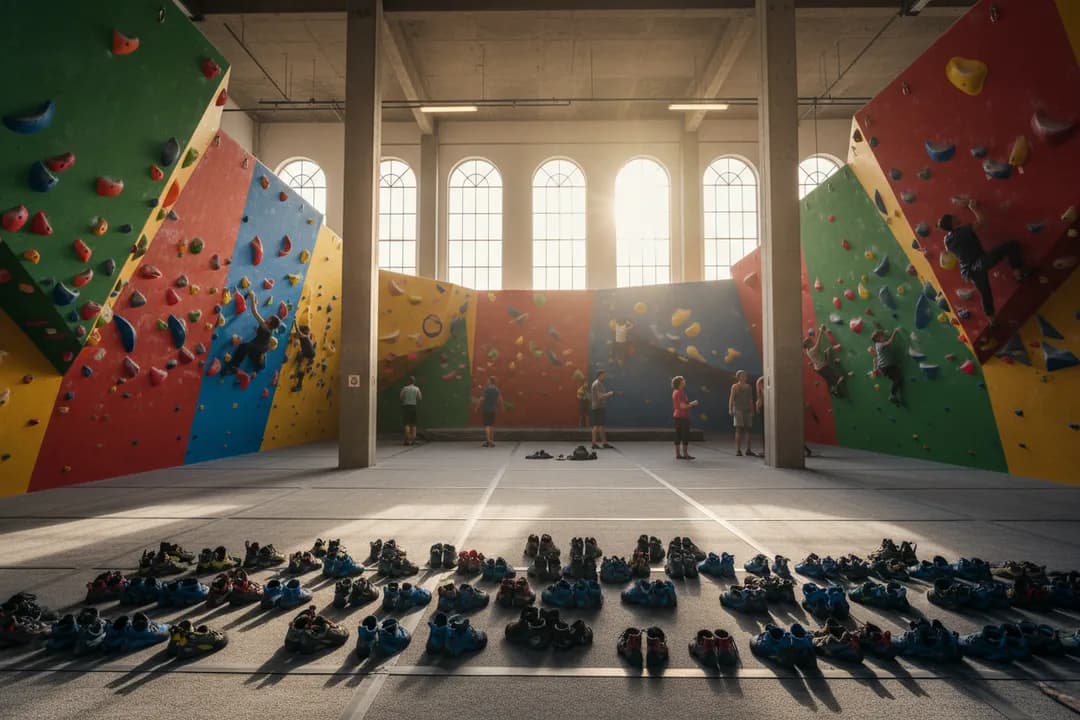 London Indoor Bouldering Centre: Beginner Walls Shoe Hire
 London Indoor Bouldering Centre: Rainy Day Climbing Plan