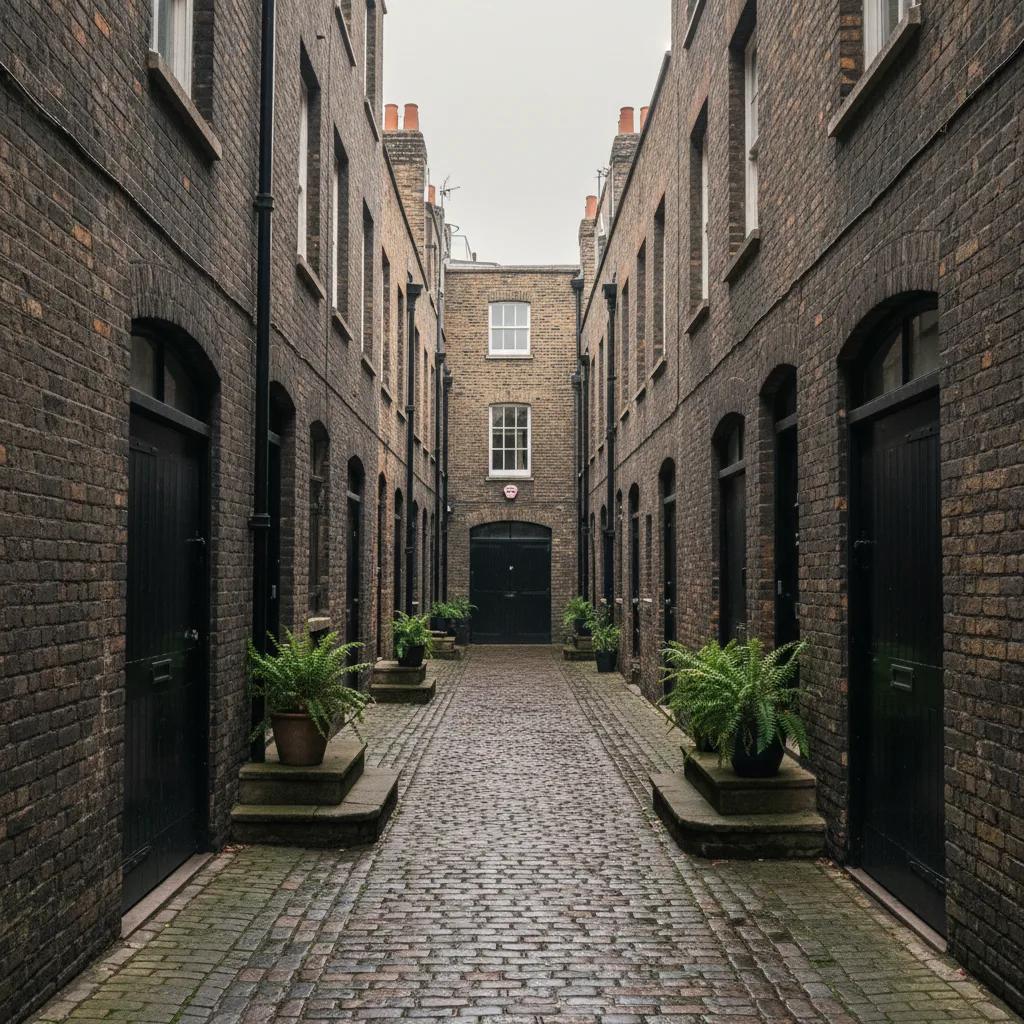
 Bloomsbury Mews Walk Planner: Literary Brick Passages
Neighborhood Guides
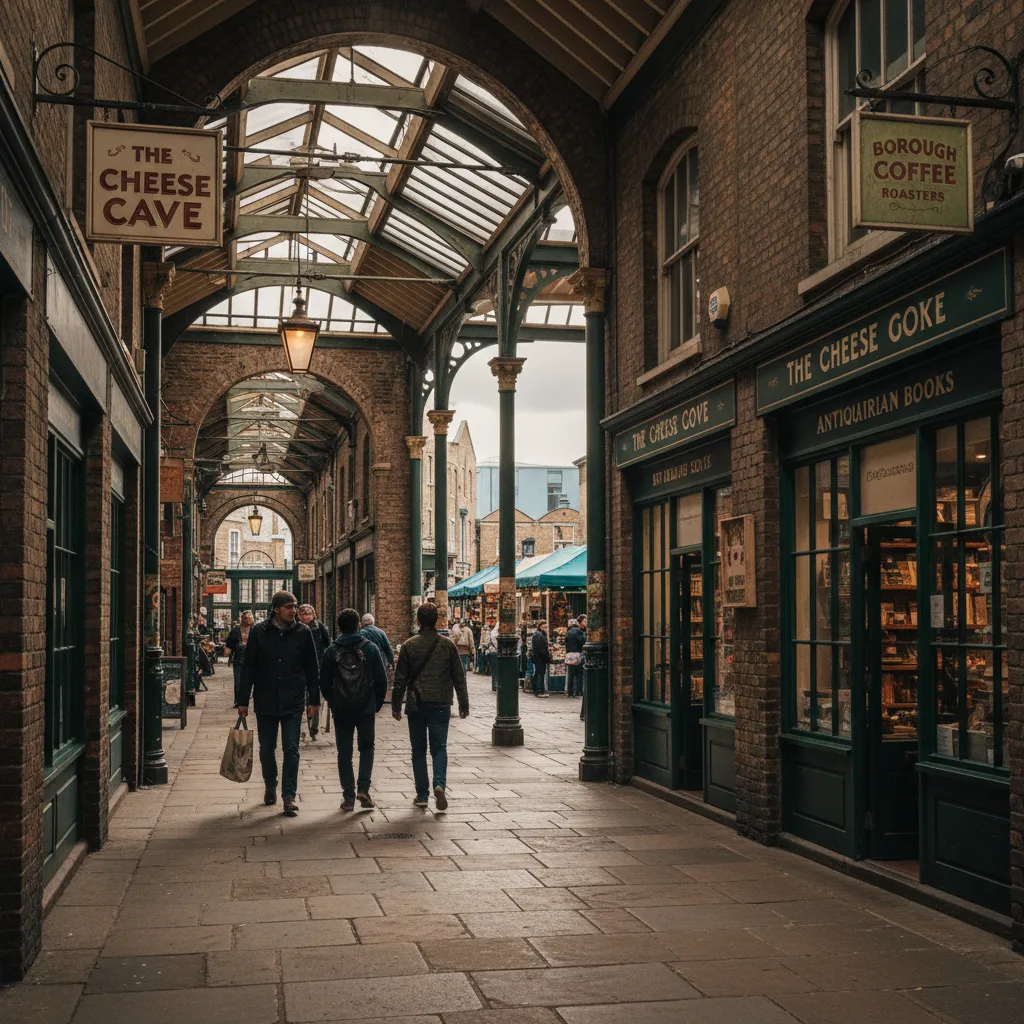
Borough Market Historic Covered Passage Walk: Viaduct Paths
Take a historic covered passage walk around Borough Market in London, tracing medieval hops alleys, Victorian railway viaducts, and riverside passages.
Borough Market represents London's oldest continuously operating food exchange, with river trade documented at the foot of London Bridge since at least 1014. Today, a fascinating historic covered passage walk weaves through the market's soaring Art Deco and Victorian iron roof canopies, dipping beneath towering brick railway viaducts and winding into medieval hops warehouses. Utilizing the Karpo APP, food lovers and architectural enthusiasts can navigate this sheltered labyrinth of railway undercrofts, stone archways, and riverside cuts, shielded from rain while experiencing centuries of Thames trading heritage.
Victorian Ironwork and the Middle Market Canopy
Entering the market precinct from Borough High Street beneath the monumental 1851 glass-and-iron glazed entrance designed by architect Henry Rose immediately demonstrates how Victorian engineering revolutionized covered market design. The Middle Market and Green Market halls feature towering cast-iron columns supporting intricate arched lattice trusses, crowned with elevated glass monitor roofs that ventilate food aromas while admitting brilliant daylight onto stone stalls below. These soaring roof spans sheltered thousands of wholesale fruit, hop, and vegetable carts arriving daily from the Kent countryside.
A distinctive architectural layer was added in 1932 with the construction of the iconic Art Deco glass and steel entrance portico facing Borough High Street, creating an impressive ceremonial threshold into the market interior. Walking through the central avenue reveals historic cast-iron stall partitions, embossed merchant cartouche plaques, and hanging gas-style lanterns that evoke nineteenth-century commerce. The acoustic atmosphere beneath Fowler's iron spans is richly textured, reverberating with the calls of cheesemongers, fishmongers, and oyster shuckers. Ancient Guildhall trade charters confirm that Southwark's riverbank market alleys supported hop merchants, grain dealers, and Thames lightermen since the early Middle Ages.
Railway Undercrofts and Medieval Hops Alleys
Venturing beneath the monumental brick railway viaducts constructed during the 1860s for the South Eastern Railway reveals an entirely different spatial character. Heavy brick barrel vaults and low-slung iron girders span overhead, carrying commuter trains to London Bridge and Cannon Street while creating sheltered trading undercrofts below. Pathways such as Stoney Street, Bedale Street, and Winchester Walk pass directly beneath these colossal brick arches, where specialty spice importers, charcuterie aging cellars, and craft cider houses operate within cavernous brick vaults.
Branching off Stoney Street, narrow pedestrian alleys like Rochester Walk and Park Street lead toward historic seventeenth-century hop exchanges and warehouse yards. These sheltered cuts feature high brick walls, surviving iron hoist cranes, and stone bollards installed to prevent horse carriages from scraping building corners. Walking along these atmospheric defiles offers direct physical contact with Southwark's industrial past, where river barge cargo was transferred directly into secure brick vaults safe from harbor thieves. Traversing these towering brick railway underpasses provides direct physical contact with Victorian structural engineering that sheltered vital fresh food provisions from river dampness.
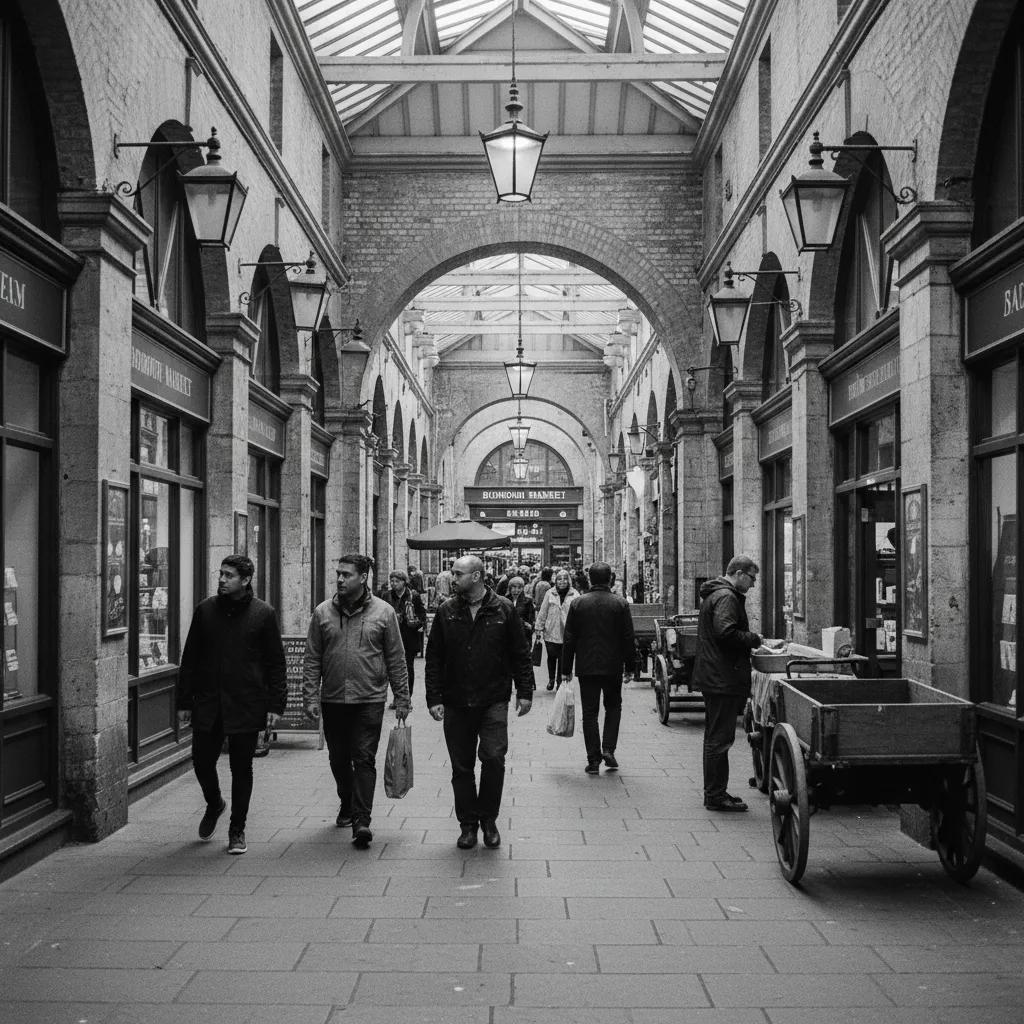
Pacing Your Route Across Market Trading Days
Scheduling your covered passage exploration of Borough Market requires careful alignment with its weekly trading rhythms. The full retail market operates Wednesday through Sunday, with Thursday and Friday mornings between ten and twelve providing the optimal balance of fully stocked artisanal stalls and manageable crowd density. Early morning visits allow unhurried examination of Victorian cast-iron bracket details and historic trading plaques while savoring freshly baked pastries and warm filter coffee.
Saturdays represent the market's busiest trading period, when international visitors and London food lovers pack the covered avenues, creating an electric culinary festival that requires patient navigation. Those seeking quiet architectural photography of empty viaduct arches and dramatic natural lighting should visit on a Monday or Tuesday morning, when the wholesale market rests and retail stalls are closed, leaving the magnificent iron and brick infrastructure accessible for contemplative exploration.
Connecting Southwark Cathedral to Bankside Wharves
Extending your covered walk northward toward the Thames riverbank brings you into the peaceful sheltered cloister precincts of Southwark Cathedral. Constructed primarily in the thirteenth-century Gothic style, the cathedral's retrochoir and perimeter covered walkways provide a serene spiritual contrast to the bustling market halls next door. Passing through the cathedral churchyard leads directly toward Bankside and the reconstructed Golden Hinde galleon docked within St Mary Overie Dock.
Continuing westward along Clink Street brings pedestrians beneath dramatic overhead brick bridge walkways that connect historic Victorian grain warehouses across narrow cobblestone alleys. This covered industrial canyon was home to the notorious Clink Prison during medieval times, maintaining an evocative, dimly lit atmosphere shielded from rain by towering five-story warehouse walls. Meandering through these riverside cuts demonstrates how river trade, ecclesiastical sanctuaries, and railway engineering fused into Southwark's dense urban tapestry.
Walking Conditions, Stone Paving, and Railway Hubs
Surfaces throughout Borough Market and adjacent Bankside alleys comprise historic stone setts, smooth concrete ramps, and grooved flagstones that can become slick when washed down by market vendors, making non-slip, waterproof walking shoes essential. The main market halls feature comprehensive step-free access, with wide pedestrian corridors and gentle ramps connecting the upper Green Market to lower undercroft avenues.
Public transportation access is peerless, with London Bridge station situated directly adjacent to the market entrance, served by the Jubilee and Northern underground lines alongside major Thameslink and national rail networks. Multiple bus routes terminate along Borough High Street and Southwark Street, offering frequent city-wide transit. Well-maintained municipal restroom facilities, including accessible stalls and baby-changing stations, are located inside the Three Crown Square market hall.
Southwark Market Navigation Using the Karpo APP
Navigating Borough Market's intricate web of railway arches and medieval wharves is made exceptionally clear through the interactive guidance of the Karpo APP. The digital trail highlights hidden pedestrian underpasses beneath London Bridge viaducts, allowing walkers to move effortlessly between bustling market corridors and serene riverside viewpoints. Detailed architectural notes illuminate nineteenth-century iron foundry crests and explain the structural engineering behind the soaring glass roof trusses.
Moreover, the app offers smart pacing suggestions to help visitors avoid peak mid-day market congestion, pointing toward quiet historic churchyards and tucked-away coffee roasters along Park Street. Seamless transitions between food market halls and historic Bankside warehouse canyons make your walking tour both gastronomically exciting and historically enlightening. Embracing Southwark's rich river heritage through the Karpo APP ensures a memorable and thoroughly organized London walking adventure.
Ask Karpo for more information.
Keep reading
- Bloomsbury Mews Walk Planner: Literary Brick Passages
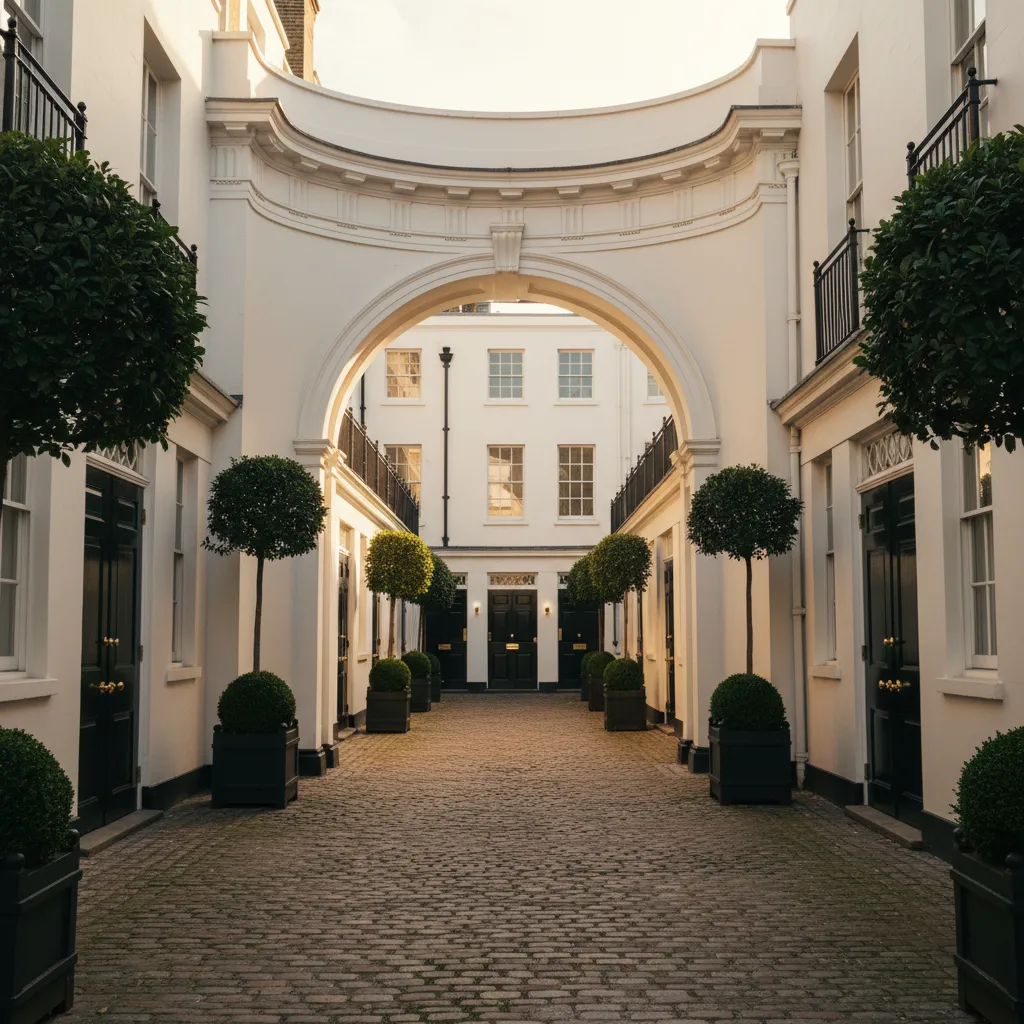 Belgravia Mews Walk Planner: Stucco Arches and Alleys
 Notting Hill Mews Walk Planner: Quiet Painted Lanes