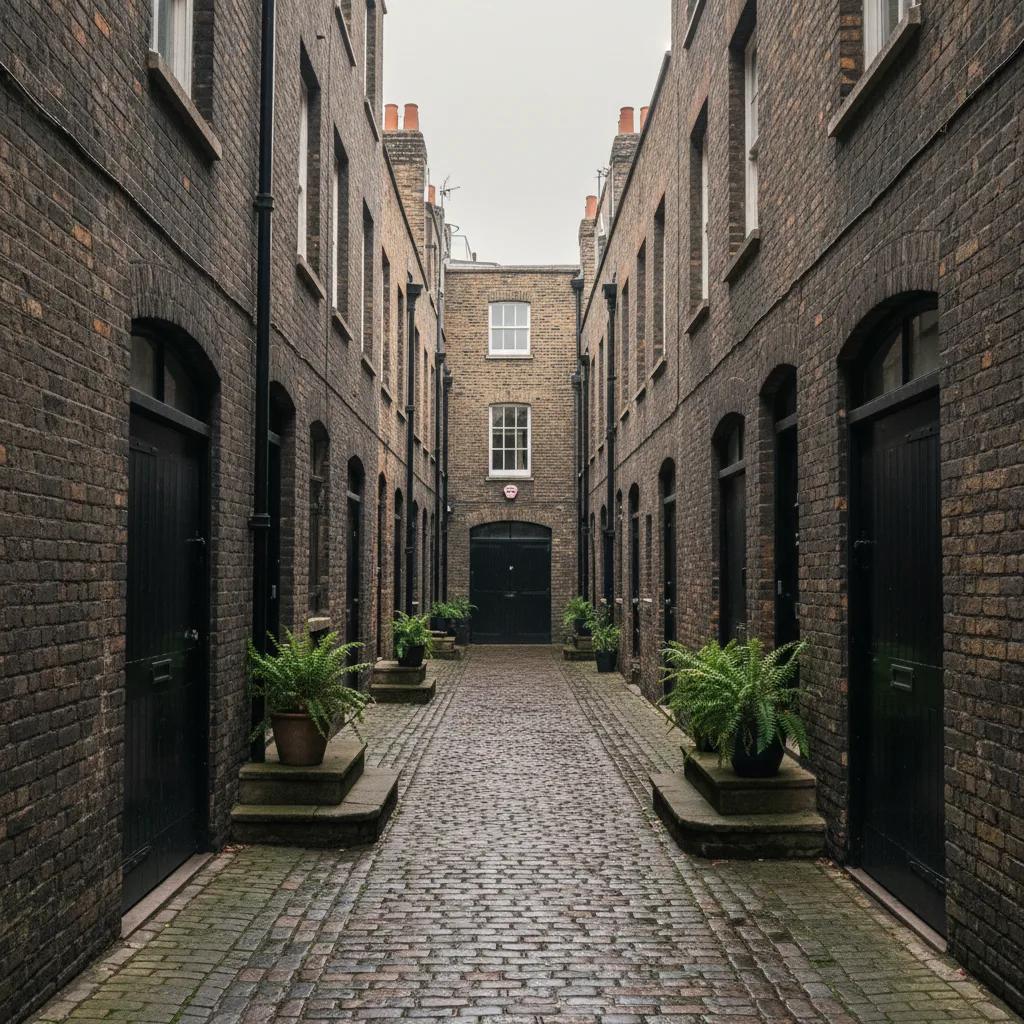
 Bloomsbury Mews Walk Planner: Literary Brick Passages
Neighborhood Guides
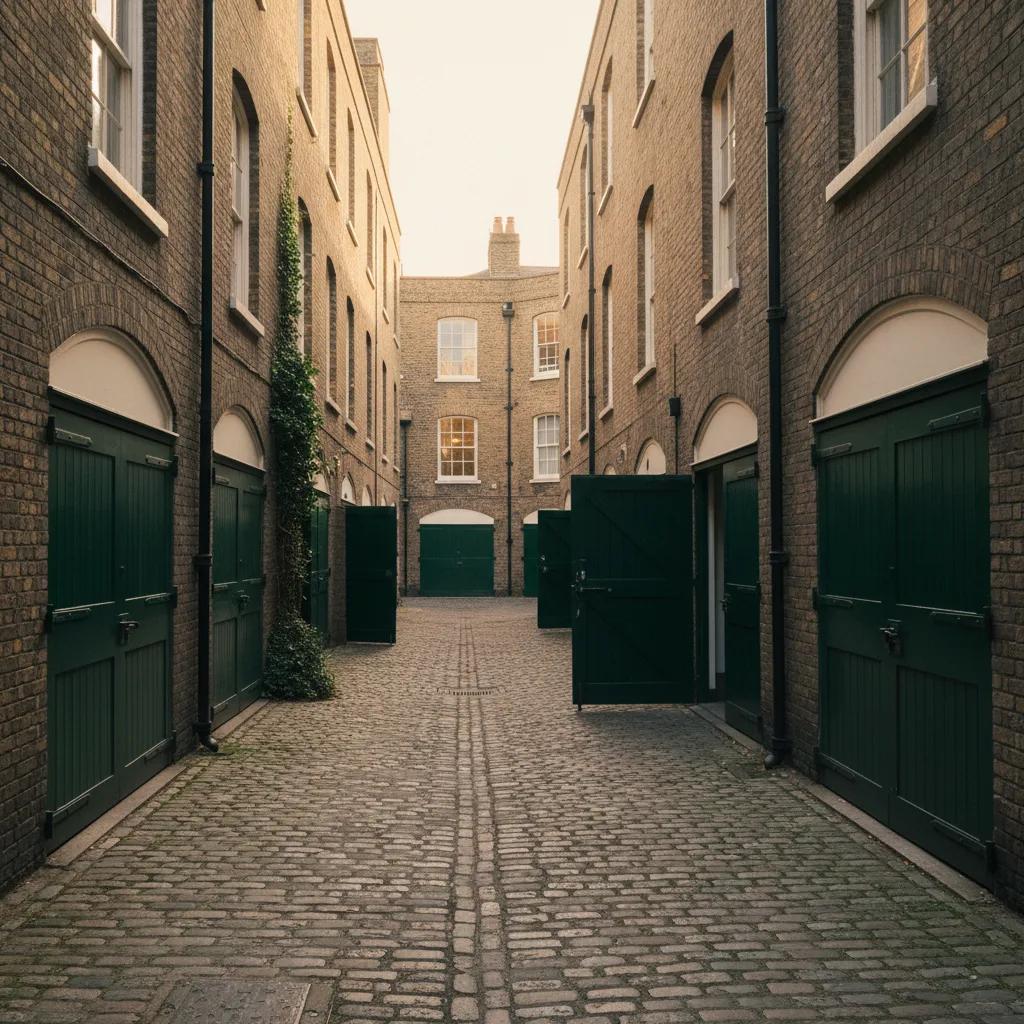
Marylebone Historic Alleyway Heritage Walk Along Regents Rim
Navigate quiet Georgian carriage mews, secluded brick cut-throughs, and hidden lanes on this self-guided historic alleyway heritage walk through Marylebone.
Marylebone exemplifies classic London urban refinement, organized along a dignified Georgian street grid developed by the Portland and Portman estates throughout the eighteenth century. Beneath this orderly facade of symmetrical brick townhouses lies an intricate sub-network of carriage mews, curving medieval lanes, and narrow pedestrian cut-throughs. Following this historic alleyway heritage walk guides urban explorers away from Oxford Street into secluded cobblestone passageways, along the winding path of the ancient Tyburn brook, and past historic stable enclaves that have quietly stood for over two hundred years along the southern rim of Regent's Park.
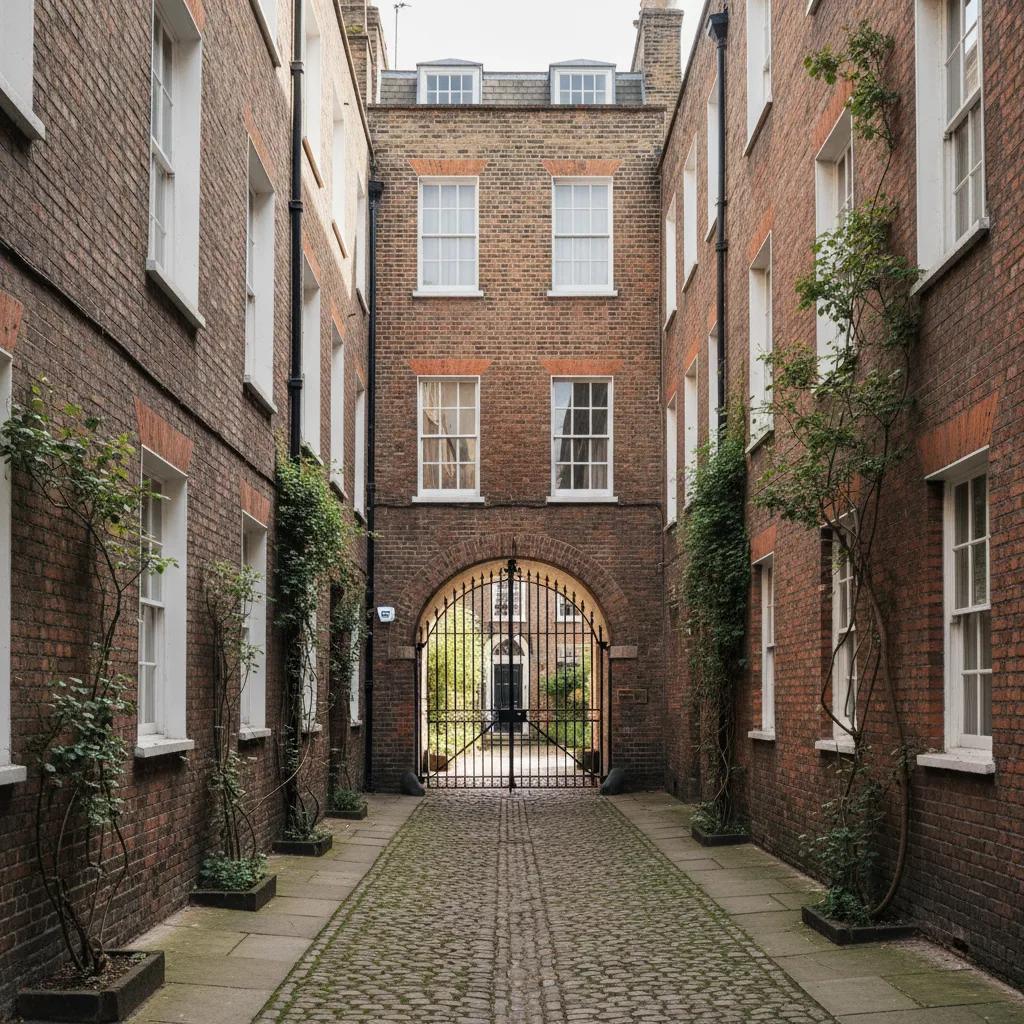
Broadstone Place and the Secluded Baker Street Passage
Broadstone Place threads discreetly between Baker Street and Blandford Street, providing a tranquil pedestrian haven shielded from major thoroughfare traffic. Originally established in the late eighteenth century as an access alley for domestic staff and coachmen, the lane is bordered by dark brick carriage houses and arched stable entrances. Ornate black iron lanterns extend from brick lintels, illuminating weathered flagstone paving that has borne pedestrian foot traffic for over two centuries. The narrow passage retains an authentic sense of domestic scale, lined with discreet entrance gates and modest sash windows that contrast sharply with commercial Baker Street.
Bingham Place and Regency Era Residential Mews
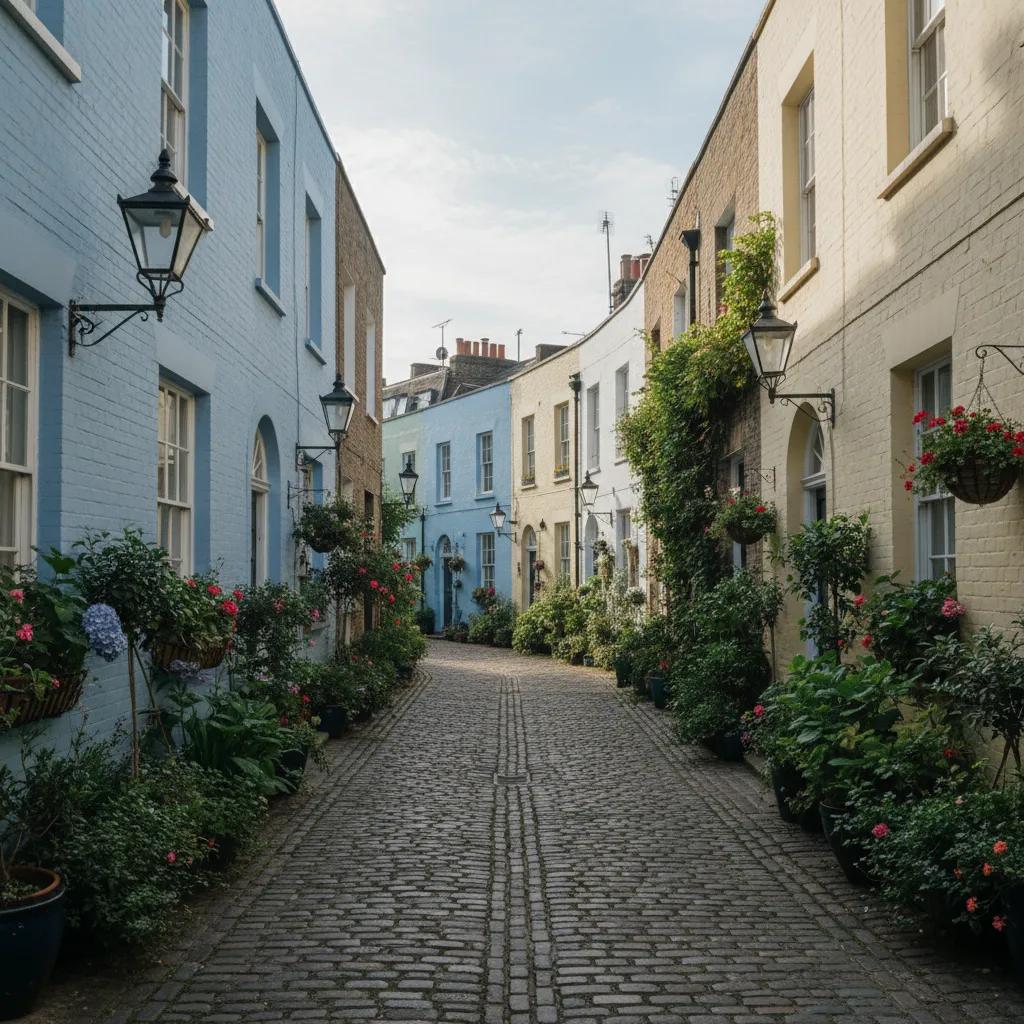
Bingham Place branches off Nottingham Street just south of Marylebone High Street, forming a remarkably preserved residential mews enclave. Built during the Regency period, these two-story brick cottages were designed with arched ground-floor carriage bays, many of which still feature original timber paneling and iron strapwork. Potted bay trees and climbing ivy adorn the brick doorsteps, framing narrow stone pedestrian footways laid out over granite setts. The lane's quiet atmosphere offers a palpable connection to early nineteenth-century Marylebone, where domestic carriage staff lived directly above the horses they maintained.
Marylebone Lane and the Ancient Path of the Tyburn
Marylebone Lane winds in a distinctive organic curve that directly contradicts the rigid eighteenth-century gridiron pattern of surrounding streets. This winding trajectory marks the historic course of the River Tyburn, an ancient brook that once flowed southward toward the Thames and now runs through subterranean Victorian storm culverts. In the medieval era, this path led village pilgrims from the main highway directly to the old parish church of St Mary-le-Bone. Today, the narrow lane features an intimate collection of independent boutiques, specialist stationery shops, and artisan grocers housed in charming nineteenth-century shopfronts.
Cramer Mews and the Old Parish Burial Grounds
Cramer Mews and neighboring Aybrook Street cut through quiet residential blocks wrapping around the historic Marylebone Parish Church gardens. Originally constructed as secondary service alleys for the grand Georgian terraces of Marylebone High Street, these corridors feature high brick boundary walls and historic carriage arches. The nearby burial grounds, transformed into a peaceful public garden during the nineteenth century, are bordered by ancient plane trees and wrought-iron railings. Walking these shaded passages provides an exceptionally quiet refuge where the historic boundary walls of old Marylebone village remain plainly visible.
Devonshire Mews West and the Grand Medical Quarter
Devonshire Mews West cuts a long, straight pedestrian axis through Marylebone's celebrated medical district, situated just west of Harley Street. Constructed to serve the magnificent townhouses of prominent eighteenth-century physicians and aristocratic families, the mews exhibits grand proportions and finely executed Flemish-bond brickwork. Converted stable buildings retain decorative brick dentil cornices, painted timber shutters, and cast-iron hoists mounted beneath the rooflines. The sheer length and uniform cobblestone paving of the mews create dramatic vanishing-point perspectives that captivate architectural enthusiasts and photographers alike.
Mansfield Mews and Classical Portland Carriage Houses
Mansfield Mews cuts quietly behind the monumental neoclassical terraces of Portland Place, designed by architect Robert Adam in the late eighteenth century. The mews was engineered to accommodate private horse carriages and coachmen serving London's aristocratic townhouses, featuring grand stock-brick carriage openings and original timber double doors. High brick party walls isolate the passage from cross-town traffic, creating an oasis of quiet where the rhythmic click of heels on stone flagstones echoes off historic masonry. Observant walkers can spot antique iron tethering rings and carved stone lintels that illustrate the high standard of Georgian back-lane construction.
Bulstrode Mews and Historic Coach House Enclosures
Bulstrode Mews features an intimate cobbled cul-de-sac set off Bulstrode Street, retaining original Victorian stable brickwork and decorative iron ventilator grilles. The buildings here were designed with broad carriage bays beneath segmental brick arches, topped by compact coachman quarters. Several properties still display exterior wrought-iron brackets that once supported gas lighting fixtures. The sheltered courtyard environment remains remarkably peaceful throughout the working day, highlighting the functional elegance of eighteenth and nineteenth-century urban transport infrastructure.
Jacob's Well Mews and Historic Residential Heritage
Jacob's Well Mews opens quietly off George Street, drawing its historical name from an ancient natural spring that supplied clean water to early Marylebone residents. The lane features charming two-story converted stables with painted timber shutters, carriage lanterns, and brick facades mellowed by decades of London weather. Traditional granite setts line the roadway, sloping toward a central drainage gulley in characteristic nineteenth-century fashion. Walking this secluded alleyway reveals the layered residential evolution of Marylebone, transitioning smoothly from functional equestrian workshops into desirable residential hideaways.
Historical Street Furniture and Municipal Hardware
Exploring Marylebone's mews alleys reveals a wealth of original municipal hardware and historical street furniture. Look out for vintage enameled street signs bearing the historic borough name of St Marylebone, alongside cast-iron pavement coal plates displaying intricate maker marks from local Victorian foundries. Many mews corners retain curved stone wheel-deflectors designed to protect brick piers from wagon collisions. The quiet nature of these service lanes allows visitors to examine these historical artifacts up close, without the rush and distraction of modern commercial avenues.
Recommended Timing and Walking Directions
Completing this Marylebone alleyway tour spans approximately 1.4 miles and requires sixty-five to seventy-five minutes of steady walking. The ideal visiting window is mid-morning on a weekday between 9:30 AM and 11:30 AM, when soft northern light illuminates the east-facing brick mews facades. Avoid the busy lunchtime rush along Marylebone High Street between 12:30 PM and 2:00 PM to maintain a quiet, uninterrupted stroll. Baker Street and Regent's Park Underground stations provide convenient starting and finishing points with direct links across London.
Connecting Parkland and Neighborhood Strolls
Upon emerging from the northern end of the route, walkers can easily cross into Regent's Park to stroll around the boating lake or visit Queen Mary's Rose Gardens. Alternatively, wandering southward brings you back to the Wallace Collection at Manchester Square, housing world-class eighteenth-century paintings in an authentic historic townhouse. The Karpo APP provides curated neighborhood walking trails, cultural recommendations, and real-time navigation tools to support your urban discoveries. Walking Marylebone's historic passages reveals the hidden domestic history that shaped London's most refined residential quarter.
Ask Karpo for more information.
Keep reading
- Bloomsbury Mews Walk Planner: Literary Brick Passages
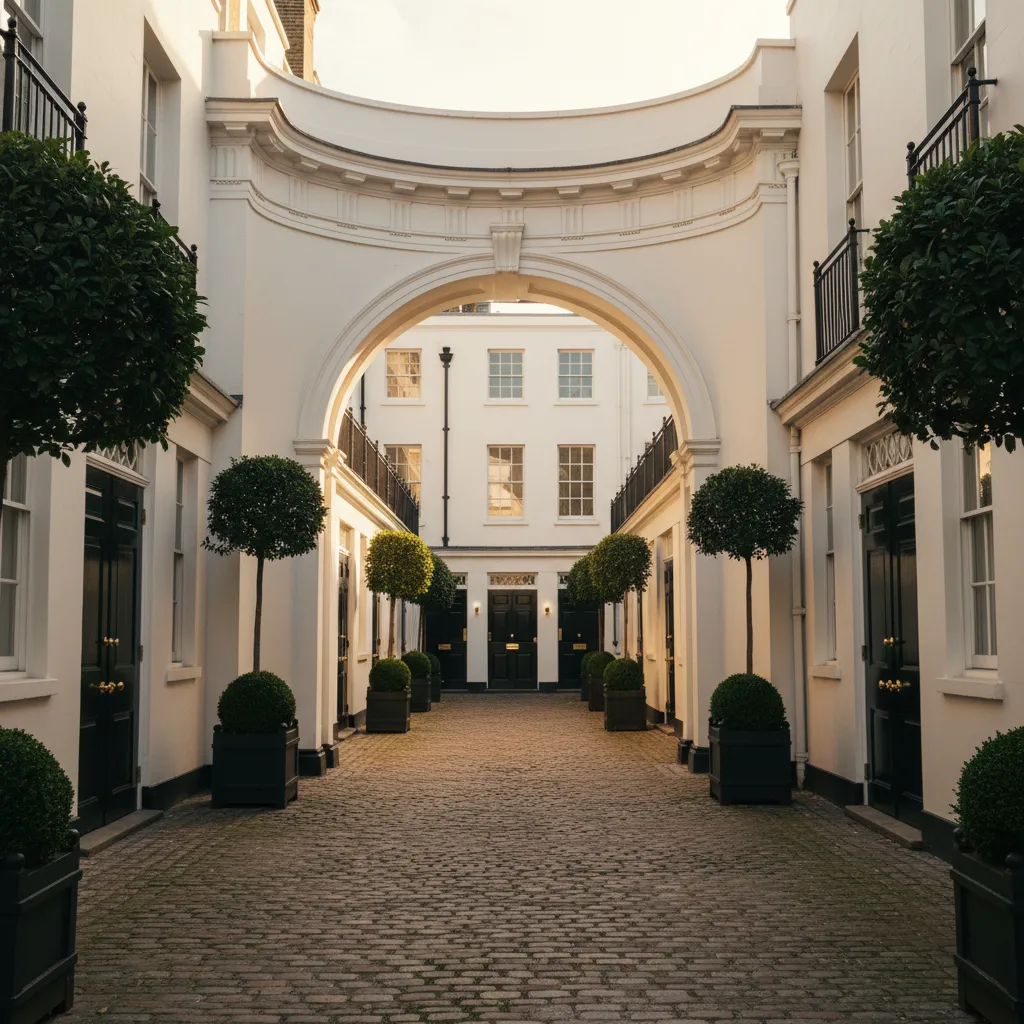 Belgravia Mews Walk Planner: Stucco Arches and Alleys
 Notting Hill Mews Walk Planner: Quiet Painted Lanes