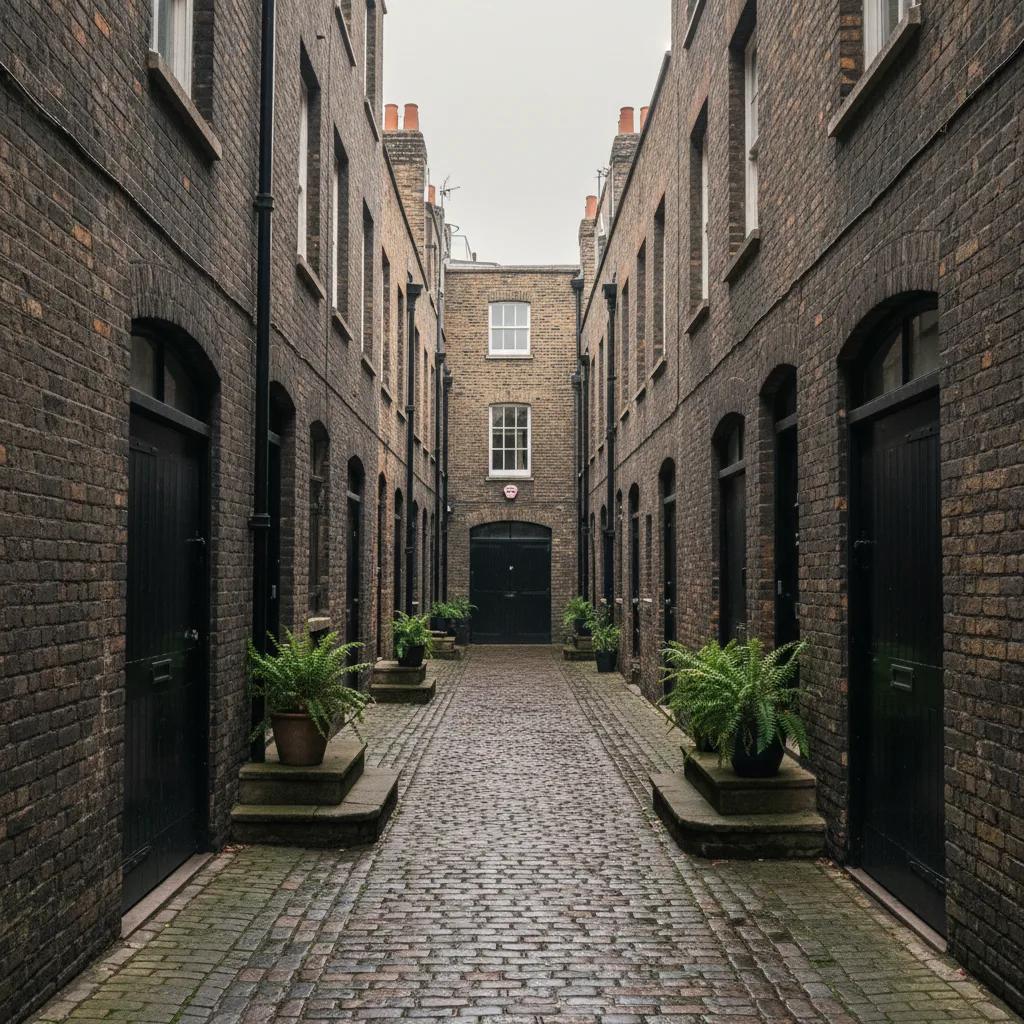
 Bloomsbury Mews Walk Planner: Literary Brick Passages
Neighborhood Guides

Greenwich Historic Alleyway Heritage Walk on the Thames Bend
Uncover maritime water gates, narrow naval passages, and historic brick footways on this self-guided historic alleyway heritage walk tracing the Greenwich bend.
Greenwich occupies a dramatic sweep along the southern bend of the River Thames, steeped in centuries of royal pageantry and maritime naval history. While millions of travelers admire the monumental neoclassical colonnades of the Old Royal Naval College and the Cutty Sark, a fascinating web of maritime alleyways, water gates, and historic pedestrian lanes lies hidden throughout the surrounding quarter. Undertaking this historic alleyway heritage walk leads pedestrians through centuries-old market cut-throughs, past seventeenth-century river stairs, and along secluded riverside alleys where London's seafaring heritage remains vividly etched into weathered granite and tidal stone.
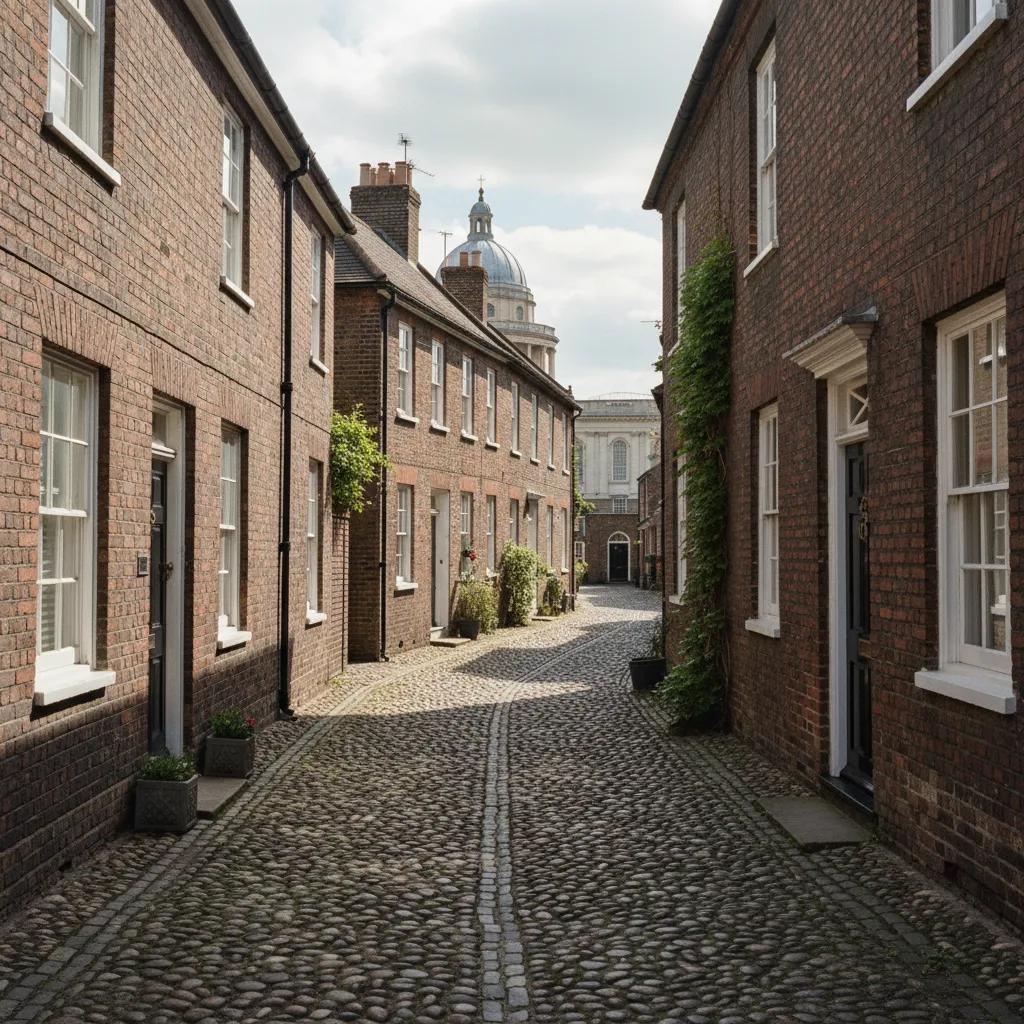
Turnpin Lane and the Eighteenth Century Market Passages
Turnpin Lane represents one of Greenwich's most intact historic pedestrian alleyways, cutting cleanly between Greenwich Church Street and the historic covered market. Established in the early eighteenth century as a secondary pedestrian thoroughfare for market traders and local fishermen, the lane is barely six feet wide in several sections. Historic timber-framed shopfronts, low overhanging eaves, and hand-cut flagstone paving create an authentic maritime atmosphere. Independent antique jewelers, vintage print sellers, and specialist craft artisans occupy these miniature premises today, preserving a centuries-old tradition of neighborhood commerce operating along sheltered pedestrian passageways.
Fisher Lane and the Royal Park Footway Boundary
Fisher Lane and adjacent Nevada Street follow the historic western boundary line of Greenwich Park, connecting the town center directly toward the naval riverfront. Originally utilized by local watermen and boatbuilders traveling between the Thames boatyards and their inland cottages, the corridor retains original yellow London stock brick walls and stone kerbstones. Heavy wrought-iron railings protect quiet residential courts, while historic gaslamp posts remain spaced along the curbline. Walking beneath the mature tree canopy overhead offers a remarkably tranquil transition between maritime Greenwich and the expansive historic royal parkland.
King William Walk and Historic Naval Gateways
King William Walk and its tucked-away side entries define the historic boundary between downtown Greenwich and the Royal Naval College grounds. Narrow flagstone passages leading off the main thoroughfare reveal seventeenth-century boundary brickwork, decorative gaslamp standards, and timber shopfronts once patronized by naval officers and dockyard workers. Walking through these historic entryways provides an intimate sense of transition, moving from busy commercial avenues into quiet courtyards where antique stone paving and iron gateposts remain perfectly preserved.
Crane Street and the Historic Waterfront Passages
Crane Street stretches eastward along the Thames waterline from the Royal Naval College, forming a picturesque and remarkably narrow riverside pedestrian lane. Lined with Georgian riverfront cottages, the passage directly borders the historic 1613 Trinity Hospital almshouses, Greenwich's oldest surviving residential building. At the eastern end stands the Trafalgar Tavern, built in 1837 and celebrated for hosting nineteenth-century ministerial whitebait dinners attended by Charles Dickens and William Thackeray. The lane features ancient river stairs, weathered sea walls, and iron mooring rings that directly connect the pathway to the tidal Thames.
Highbridge Wharf and Historic River Stairs
Highbridge Wharf and its adjacent pedestrian cut-throughs represent the historic heart of Greenwich's working riverfront. Steep stone watermen stairs, known as Highbridge Stairs, lead downward into the river mud, where generations of licensed Thames watermen ferried travelers across the turbulent river. The surrounding alleyways feature sturdy industrial brickwork, maritime warehouse loading doors, and heavy granite bollards repurposed from retired ship cannons. Walking these narrow wharf passages during low tide allows visitors to hear the gentle lap of the Thames against ancient timber pilings while gazing across the river toward the Isle of Dogs.
Banning Street and East Greenwich Maritime Footways
Banning Street and its connected industrial river lanes mark the transition into East Greenwich's storied maritime manufacturing past. This atmospheric cobbled alleyway was historically bordered by ropewalks, anchor smiths, and shipwright workshops that supplied the Royal Navy during the age of sail. The route features original granite setts, defensive brick piers, and historic iron gateposts that once marked private boatyard entrances. The quiet residential character of the lane today provides an evocative backdrop for examining the enduring infrastructure that supported London's naval supremacy throughout the eighteenth and nineteenth centuries.
Ballast Quay and Historic Riverside Alleys
Ballast Quay curves along the deep water channel of the Thames bend, retaining rare eighteenth-century river stairs and cobbled approach lanes. Colliers and merchant sailing vessels historically called at this wharf to unload ballast before taking on cargo for outbound voyages. The footways here are paved with substantial granite setts and bordered by Georgian harbor master dwellings with timber weatherboarding. The Cutty Sark pub, standing at the head of the quay since 1804, overlooks the water stairs where small skiffs and watercraft historically docked, providing an evocative termination point for exploring Greenwich's industrial river frontage.
Crowley's Wharf and Waterfront Industrial Cut-Throughs
Crowley's Wharf and adjacent alleyways commemorate Sir Ambrose Crowley's historic ironworks, which supplied naval anchors, chains, and hardware to the British fleet from 1704 onward. The narrow lanes navigating between modern riverfront residential blocks preserve the historic alignments of these vital industrial passageways. Weathered brick walls display heritage interpretation panels that recount the intensive eighteenth-century metalworking operations once conducted here. Walking along these riverside cut-throughs allows pedestrians to witness the dramatic transformation of Greenwich's working waterfront into peaceful residential promenades.
Maritime Artifacts and Historic Riverfront Paving
Walking Greenwich's historic alleyways reveals an extraordinary array of genuine nautical hardware and municipal artifacts embedded into the urban landscape. Keep a sharp eye on street corners for nineteenth-century cast-iron cannon bollards, originally cast to moor sailing vessels and subsequently installed to protect street walls from heavy dray carts. Weathered granite kerbstones often feature historic benchmark incisions carved by Ordnance Survey mapmakers in the 1860s. The proximity of the river brings dynamic changes in light and atmosphere, making every step along these flagstone paths feel deeply connected to London's seafaring heritage.
Recommended Visiting Times and Walking Strategy
Completing this maritime Greenwich alleyway circuit covers roughly 1.6 miles and takes approximately seventy to eighty-five minutes at a relaxed pace. Early mornings between 8:30 AM and 10:00 AM provide tranquil walking conditions along the riverfront, before day visitors arrive at the Cutty Sark and Greenwich Market. Avoid walking the narrowest lanes on sunny weekend afternoons, when pedestrian volume around the market stalls reaches peak density. Cutty Sark DLR station and Greenwich Pier offer direct transport links, allowing you to commence the walk easily from Turnpin Lane and conclude by the peaceful river wall at Ballast Quay.
Riverside Extensions and Historic Maritime Pubs
After finishing the alleyway heritage trail, continue eastward along the Thames Path toward the Cutty Sark pub at Ballast Quay for splendid views across the river bend. Alternatively, stroll through the grand neoclassical grounds of the Old Royal Naval College to admire Sir Christopher Wren's monumental architecture. The Karpo APP offers personalized walking maps, maritime heritage insights, and live public transport updates to make your Greenwich exploration effortless and memorable. Wandering these secluded waterside lanes reveals the intimate human stories that underpin London's grand maritime legacy.
Ask Karpo for more information.
Keep reading
- Bloomsbury Mews Walk Planner: Literary Brick Passages
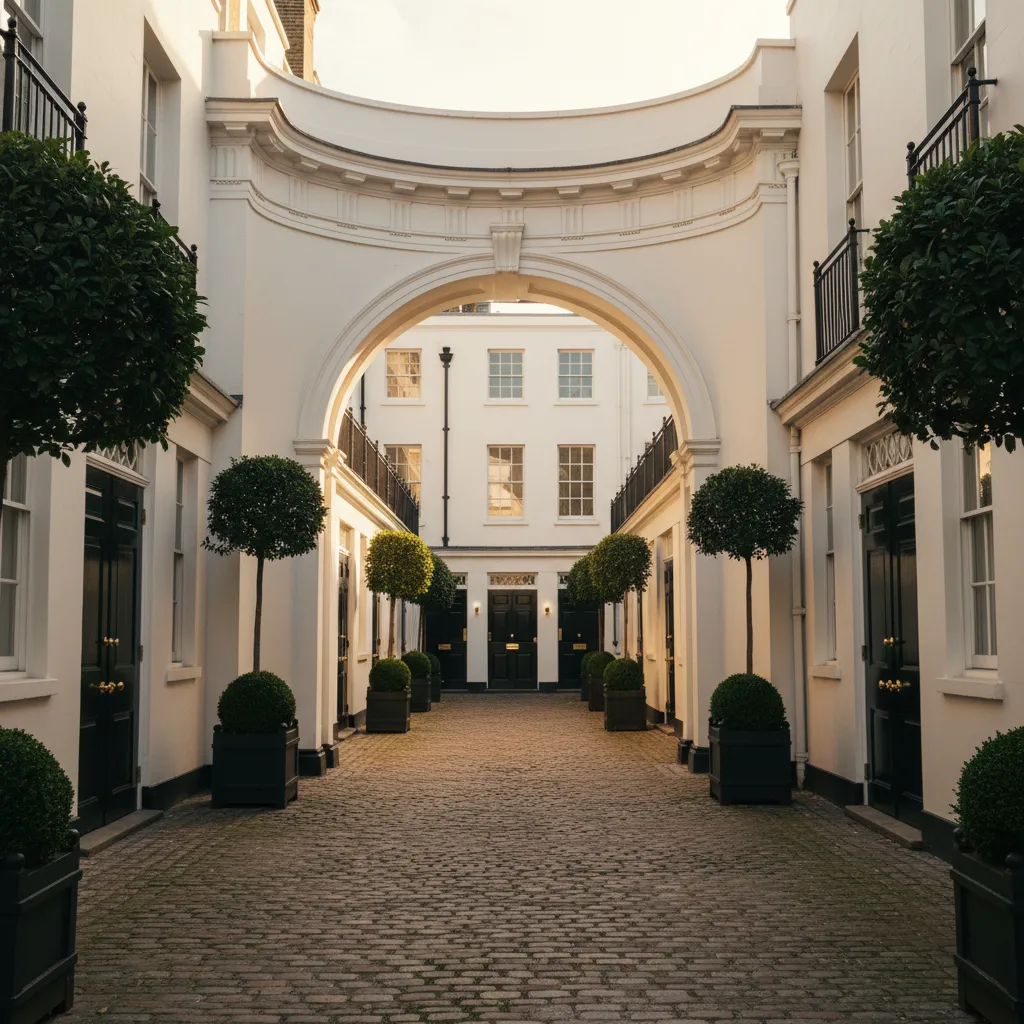 Belgravia Mews Walk Planner: Stucco Arches and Alleys
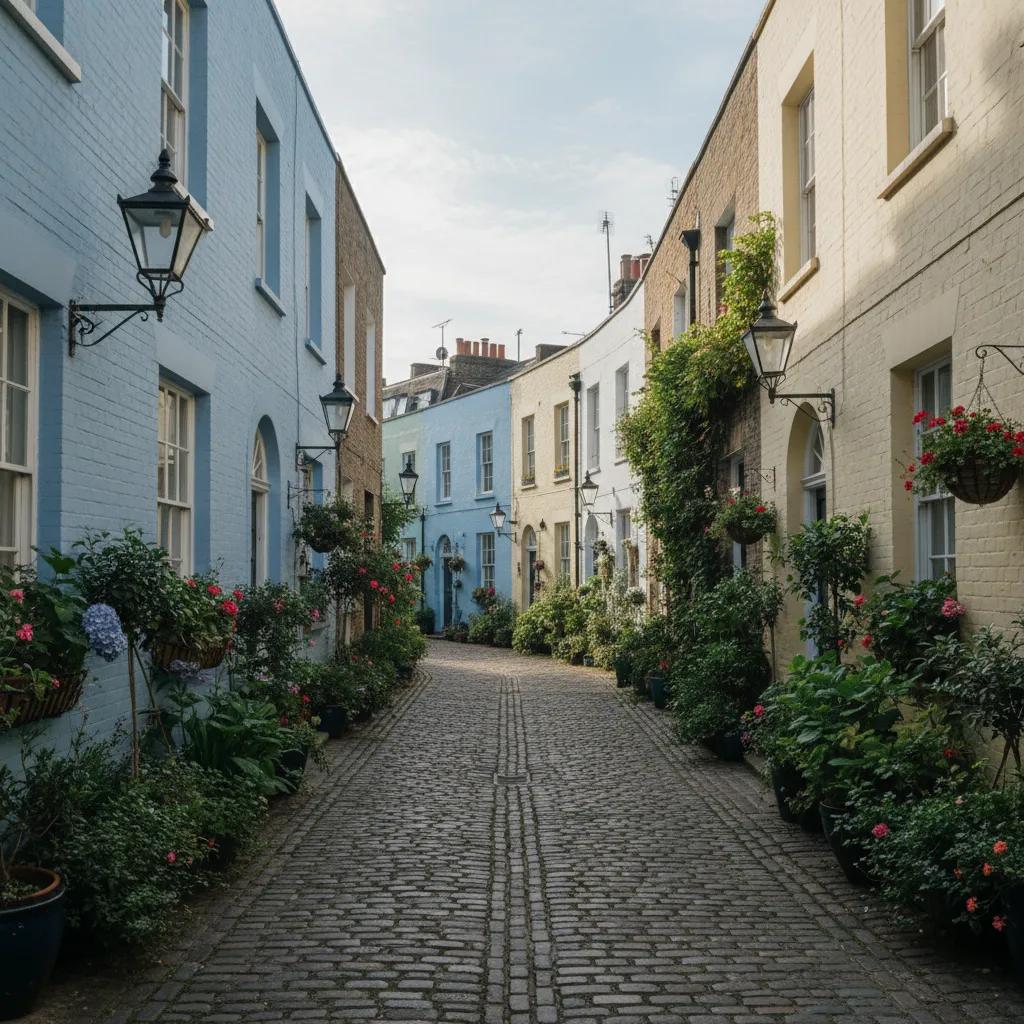 Notting Hill Mews Walk Planner: Quiet Painted Lanes