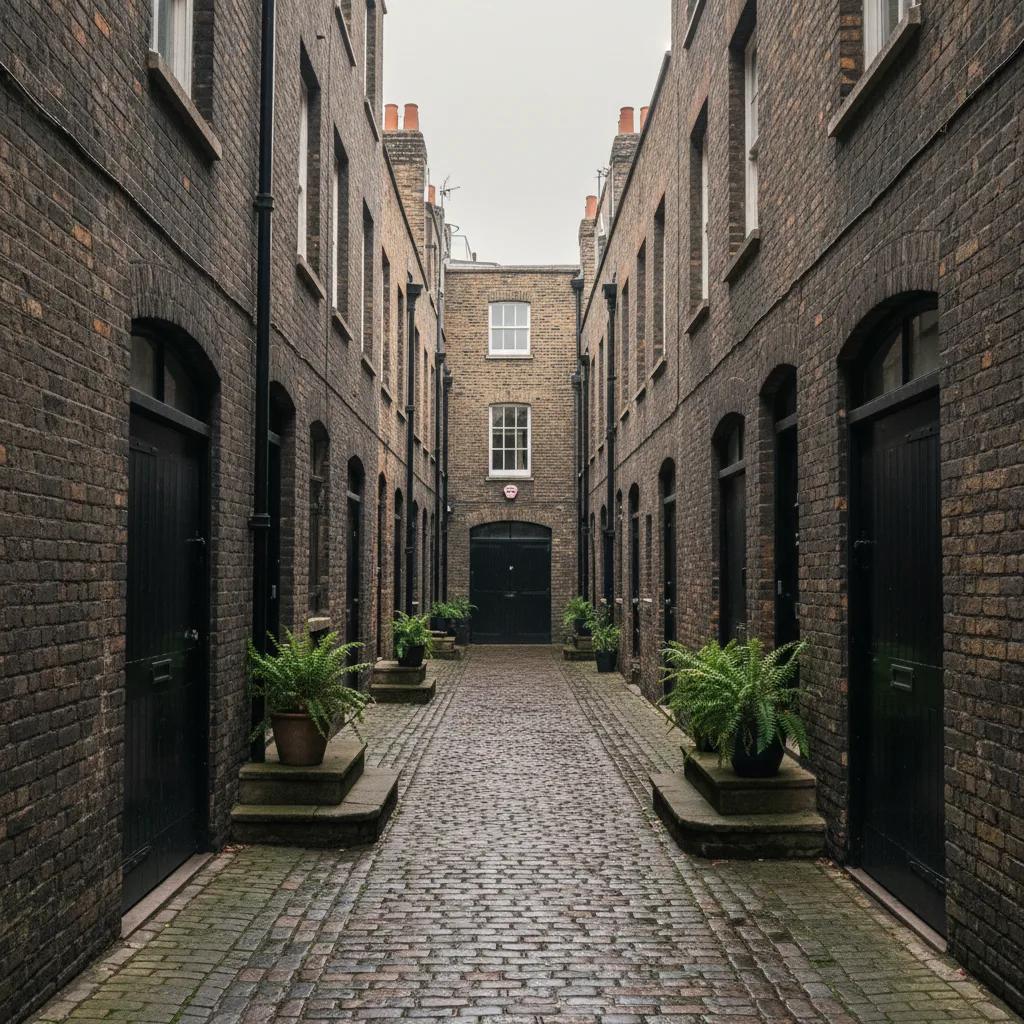
 Bloomsbury Mews Walk Planner: Literary Brick Passages
Neighborhood Guides
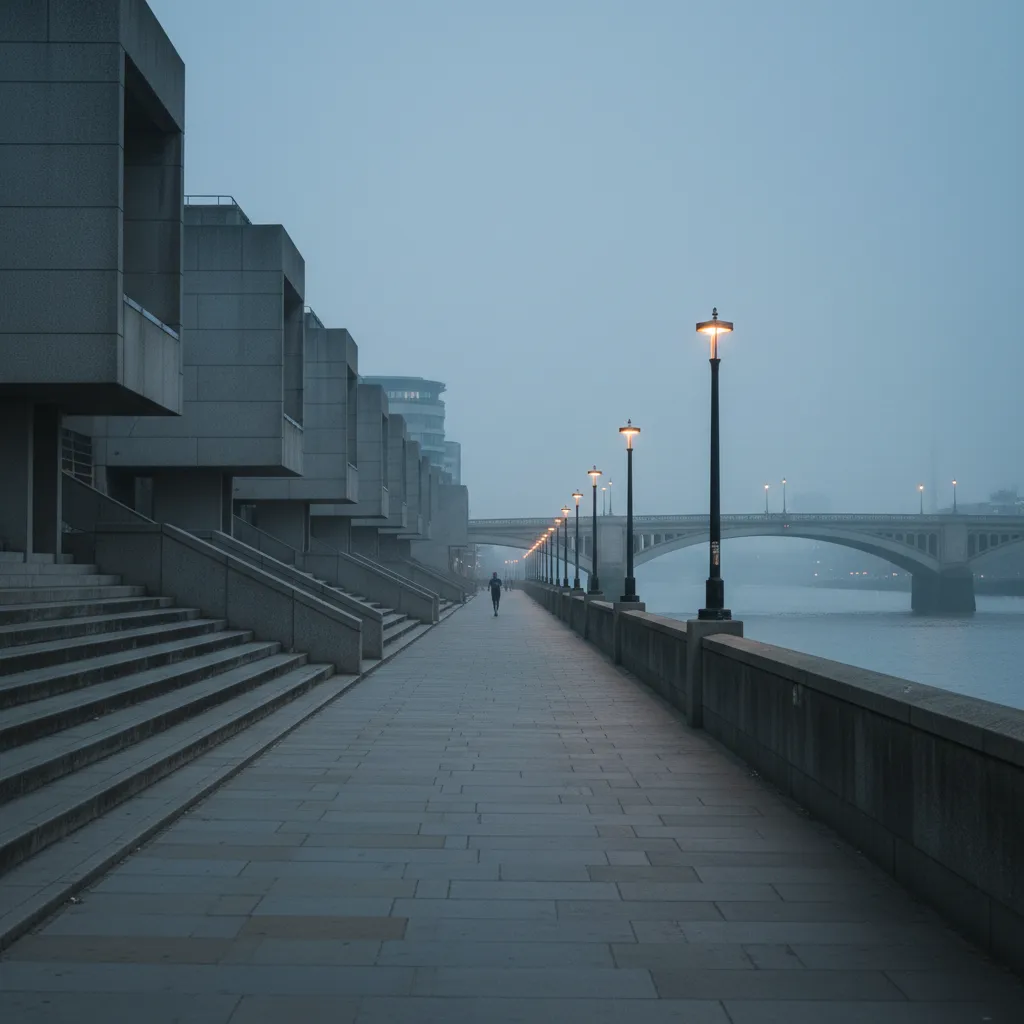
South Bank Cozy Study Cafe Finder: Free Foyers by the Thames
On the South Bank, the Royal Festival Hall and National Theatre foyers are free to sit in, with riverside cafes as backups. Weekday mornings are the calmest.
The South Bank is unusual among London study districts because its biggest and calmest tables are not in cafes at all. The public foyers of the Royal Festival Hall and the National Theatre, both on the riverside between Westminster Bridge and Blackfriars, are free to walk into and sit in during the day. Use this cozy study cafe finder to pair a foyer seat with a nearby cafe for drinks and a backup, and aim for weekday mornings before tourist traffic peaks.
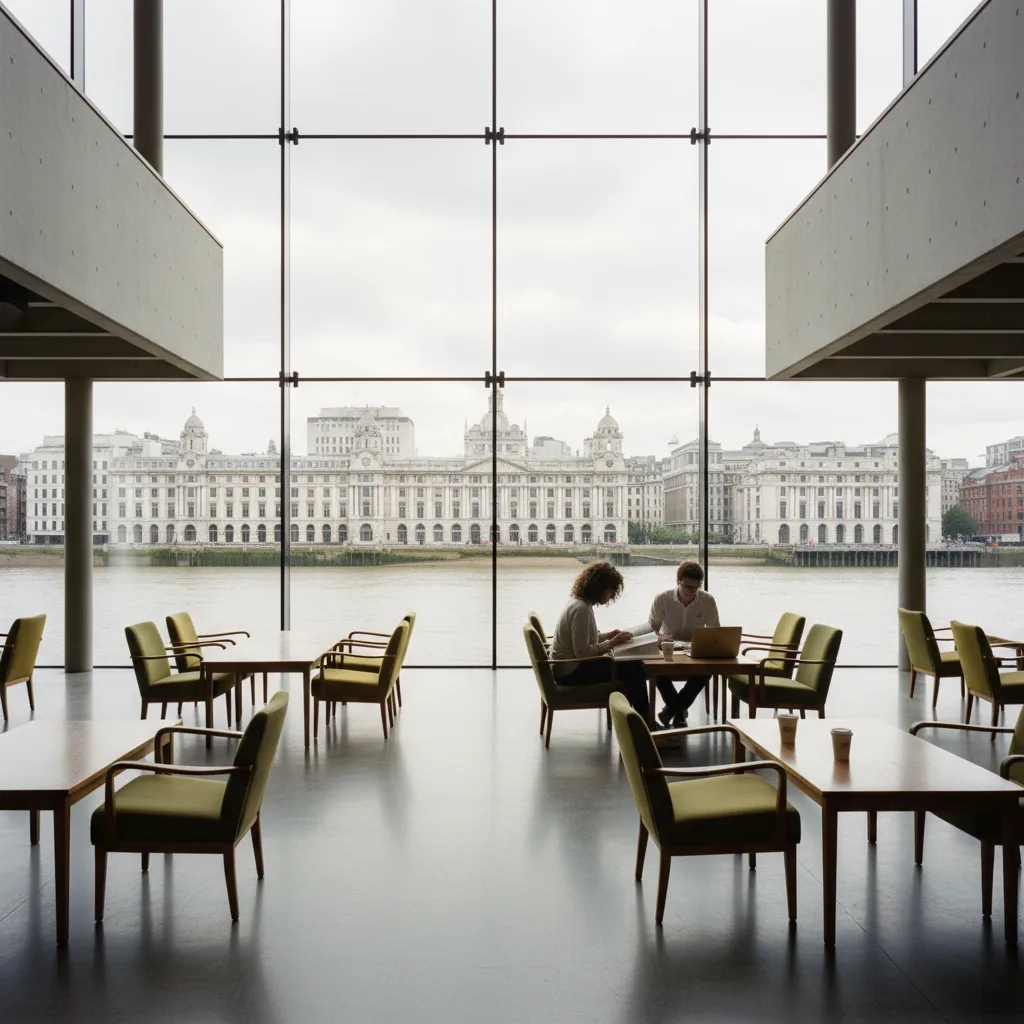
Arts Centre Foyers as Your Base
The Royal Festival Hall opened in 1951 as the centrepiece of the Festival of Britain, and its open-plan foyers were designed as a public living room for the city. Students, freelancers and retirees with newspapers have used its tables for decades. Further along the river, the National Theatre, a concrete building by Denys Lasdun that opened in 1976, offers more seating across its foyer levels during the day.
Both buildings are arts venues first, so the atmosphere shifts before evening performances. Foyers fill with ticket holders, bars open and the volume rises. Treat them as daytime study spaces. Arrive in the morning, work through to mid-afternoon, and expect to give up your table as the pre-show crowd arrives. Plan any evening study elsewhere.
The Poetry Library Upstairs
One of the least-known quiet rooms on the river is the National Poetry Library on Level 5 of the Royal Festival Hall. It is free to visit, holds a vast collection of modern poetry, and has a hush that is very different from the foyers below. It is not a general study hall, and space is limited, so treat it as a place for reading, writing or quiet thinking rather than for spreading out with a laptop and three textbooks.
If you are working on anything literary, a stint here between foyer sessions is one of the best free resources in central London. Keep noise to a whisper and leave food downstairs.
The library also suits a short break from screens. Pull a slim collection off the shelf, read for twenty minutes by the window and then return to your notes downstairs. Many people find that a change of room, rather than a longer coffee break, is what resets their concentration after a long morning, and here the change costs nothing.
Choosing a Riverside Cafe to Pair With
The riverside walk has plenty of cafes, from units under the arts centre terraces to kiosks near Gabriel's Wharf and the Oxo Tower Wharf. Many are built for walkers who want a takeaway coffee, so seating is often outdoor or limited. When you search, prioritise places with indoor tables away from the promenade doors, because the wind off the Thames is cold from October onward.
The best approach is to buy drinks and snacks at a cafe and carry them to a foyer where food and drink are permitted, rather than trying to camp at a small cafe table for three hours. It spreads your footprint and keeps the cafe staff happy. Look for cafes that sell refillable bottles or tea pots, which last longer per purchase.
A useful test when scanning options is to look for a cafe that keeps its indoor tables clear of display counters and queue lines. On the river, many units put the till right beside the door, so every new customer brings a draught and a burst of chatter. A room where the queue forms along a side wall feels noticeably calmer once you sit down.
How Karpo APP Fits Into the Plan
Karpo APP is useful for assembling a route before you arrive. Tell it you want a free place to study on the South Bank with a nearby cafe for coffee, that you are coming from Waterloo on a Thursday morning, and that you want a backup if the foyers are busy. It can help you put together a list of options along the river and suggest a sensible order to try them.
Karpo APP does not monitor how full the foyers are or what events are on at a given moment, so you still decide on site. A practical shortlist has three stops: the Royal Festival Hall, the National Theatre and one cafe nearby. That lets you walk between them in under ten minutes.
Who You Will Share the Tables With
Weekday mornings bring a mix of university students from King's College London and other nearby campuses, writers working on drafts, retirees reading the papers and a few remote workers on video calls in corners. Parents with young children appear around the playful spaces of the Southbank Centre, especially in school holidays.
The unwritten etiquette in the foyers is simple. Do not reserve tables with bags while you go for lunch, keep calls short and away from others, and share a large table if someone asks. Staff are generally relaxed about long stays, but respect any signs closing areas for events, rehearsals or private bookings.
Honest Notes on Timing and Crowds
Skip the stretch between the London Eye and Jubilee Gardens if you are looking for calm, especially on weekends and school holidays. It is the most crowded part of the river walk, and nearby cafes are designed for quick turnover. Head east toward Waterloo Bridge and beyond instead.
Weekends can also be busy inside the arts buildings, with family events, free performances and markets outside. The Southbank Centre Book Market under Waterloo Bridge, beside the BFI, is lovely for browsing but draws a crowd. If your foyer plan fails, cross the Golden Jubilee Bridges to Embankment, or walk east to Bankside, where there are quieter cafes on the streets behind the river.
Practical Notes for a Riverside Study Day
Waterloo station, served by the Bakerloo, Northern, Jubilee and Waterloo and City lines as well as national rail, is the main arrival point, and the Royal Festival Hall is a five-minute walk away. Embankment station on the north bank is a short walk across the footbridges. Southwark station on the Jubilee line serves the eastern end near Oxo Tower Wharf.
Pack a jumper, because large glass foyers can be cool, and bring a power bank in case outlets are taken. Charge your laptop before you leave home. A full South Bank day might start in the Royal Festival Hall at 10am, move to the National Theatre after lunch, and finish with a riverside walk at dusk. It is one of the few places in central London where you can study all day without paying for a seat.
Ask Karpo for more information.
Keep reading
- Bloomsbury Mews Walk Planner: Literary Brick Passages
 Belgravia Mews Walk Planner: Stucco Arches and Alleys
 Notting Hill Mews Walk Planner: Quiet Painted Lanes