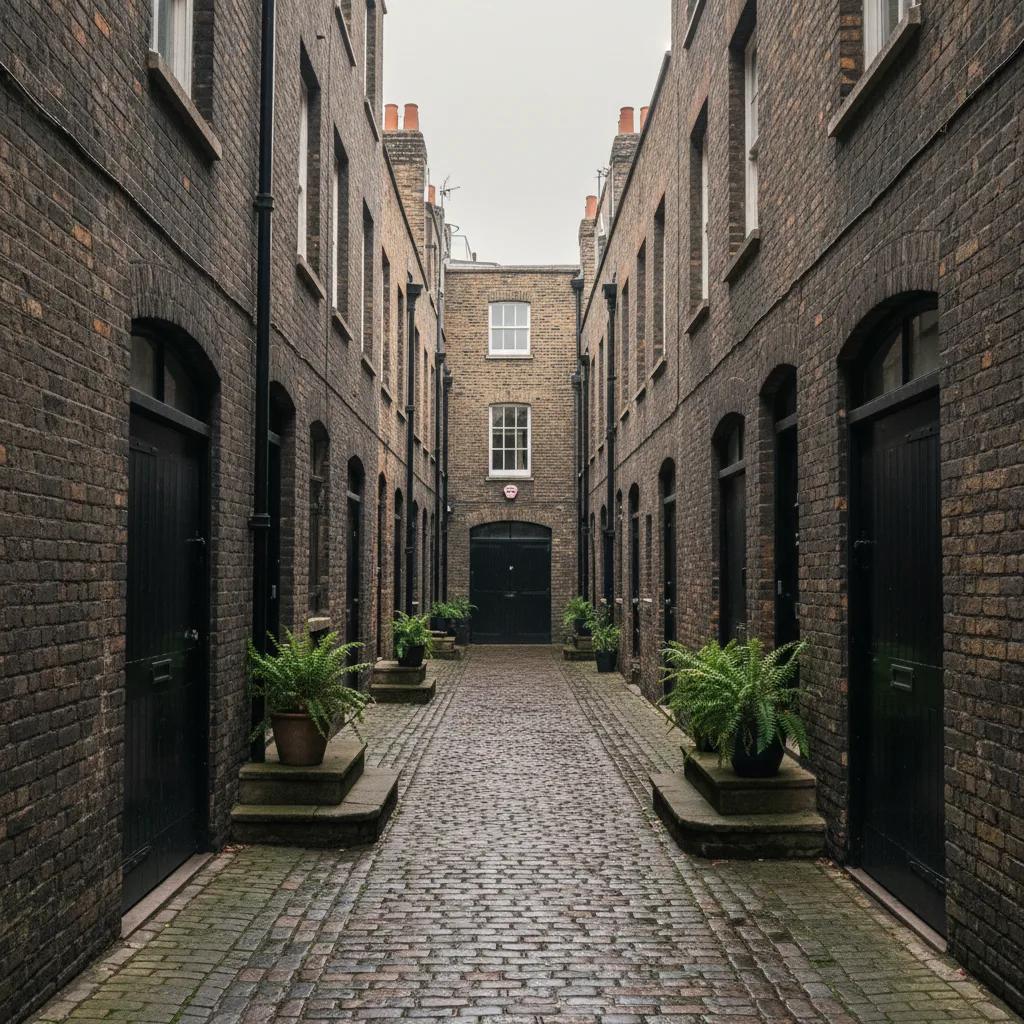
 Bloomsbury Mews Walk Planner: Literary Brick Passages
Neighborhood Guides
Greenwich City Walking Loop Planner: Free Maritime Walk
Plan a circular Greenwich walking loop linking the historic Cutty Sark and Old Royal Naval College with hilltop Royal Observatory skyline viewpoints.
Framed by maritime history, classical seventeenth-century architecture, and sweeping riverfront vistas, this 3.8-mile pedestrian loop forms one of London's most visually dramatic walking circuits. By connecting the riverside esplanade of Greenwich Pier with the rolling hilltop ridges of Greenwich Park, this city walking loop planner guides walkers through a UNESCO World Heritage site without backtracking across a single street. Starting from the Cutty Sark DLR station, the circular trail loops eastward through the stone courtyards of the Old Royal Naval College, passes the elegant classical colonnades of Queen's House, climbs the historic tree avenues of Greenwich Park to the Royal Observatory, and returns through the sheltered craft stalls of Greenwich Market. Completing the entire loop at a relaxed pace requires approximately two hours, offering an extraordinary combination of naval grandeur, mature woodland walking, and unmatched panoramic views across the River Thames toward the glass towers of Canary Wharf. Paved riverfront walks and wide park avenues ensure that walkers of all fitness levels can navigate the loop with ease.
Beginning at Cutty Sark Gardens and the Riverfront
The circular itinerary begins right outside Cutty Sark for Maritime Greenwich DLR station, stepping directly onto the wide granite paving of Cutty Sark Gardens. Suspended above a striking glass pavilion rests the Cutty Sark, the world's last surviving extreme clipper ship built in 1869 to transport tea from China. Walking completely around the copper-clad hull reveals the sleek, tapered lines of nineteenth-century naval engineering that allowed the vessel to race across oceans under full canvas. Just steps away lies the entrance to the Greenwich Foot Tunnel, an ingenious 1902 subterranean pedestrian passage linking south London to the Isle of Dogs beneath the riverbed. Turning eastward along the riverside terrace brings walkers past Greenwich Pier, where Thames commuter catamarans and historic sightseeing cruisers pull into floating docks amidst the rhythmic churning of tidal currents. Salty river breezes and open water views create an invigorating atmosphere as you set out on the circuit.
Strolling the Grand Colonnades of the Old Royal Naval College
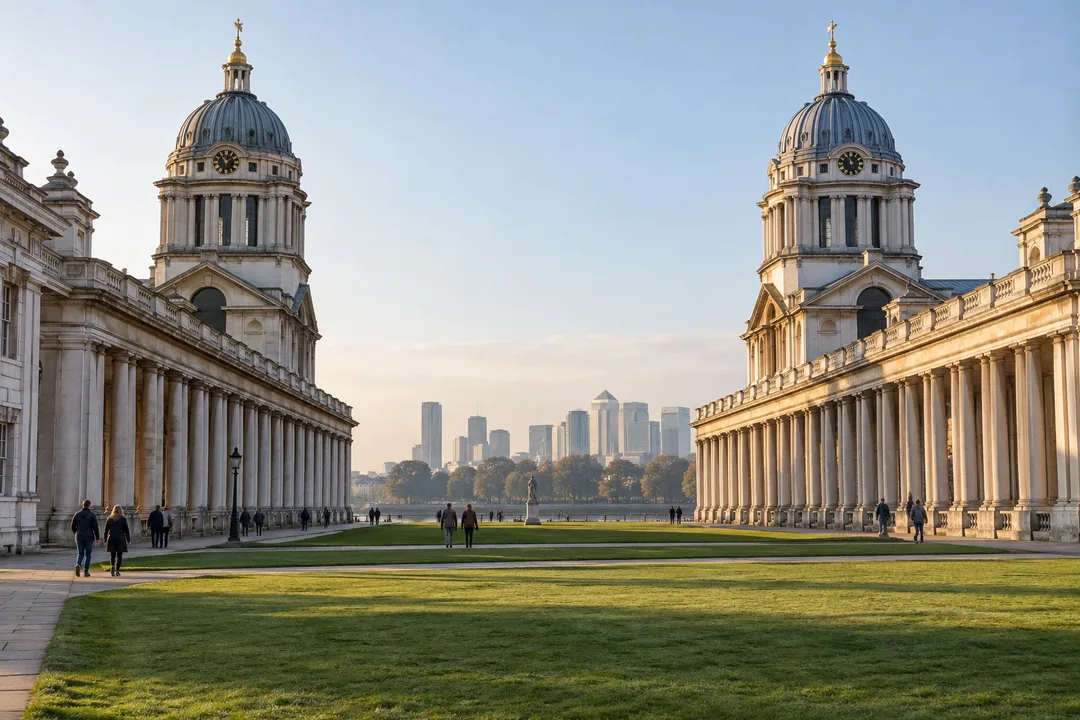
Passing through the ornate wrought-iron river gates guides walkers into the monumental stone precinct of the Old Royal Naval College, masterminded by Sir Christopher Wren and Nicholas Hawksmoor. Flanked by pristine manicured lawns, the twin domed structures of King William Court and Queen Mary Court create a breathtaking neoclassical corridor that deliberately preserves an open visual axis toward the river. Strolling beneath the towering doric colonnades provides sheltered walking while framing dramatic perspectives of the painted Baroque cupolas rising against the sky. The riverside terrace offers an unobstructed vantage point directly across the Thames toward the southern bend of the Isle of Dogs. Wide gravel walks and broad flagstones ensure easy, open pedestrian flow, making this regal architectural landscape feel remarkably tranquil even during bustling weekend mornings. The sheer scale of portland stone masonry reflects Britain's historic maritime influence at the height of the Enlightenment.
Transitioning Through Queen's House to Greenwich Park
Exiting the southern gates of the naval complex leads across Romney Road toward Queen's House, the pioneering classical villa designed by Inigo Jones in 1616 for Queen Anne of Denmark. Twin covered Tuscan colonnades flank the central white mansion, creating an elegant architectural frame that transitions walkers smoothly into the lower lawns of Greenwich Park. As London's oldest enclosed Royal Park, spanning 183 acres originally enclosed by King Henry V, the grounds feature sweeping formal avenues lined with sweet chestnuts and English oaks, some dating back more than four hundred years. Walkers can admire the harmonious geometry of the landscape as the path crosses the gentle slope of the lower park, where park benches beneath mature horse chestnut trees provide shaded spots to watch squirrels dart through the grass. The open grassy slopes offer an expansive sense of sky that contrasts delightfully with central London's denser quarters.
The Hilltop Climb to the Royal Observatory Viewpoint
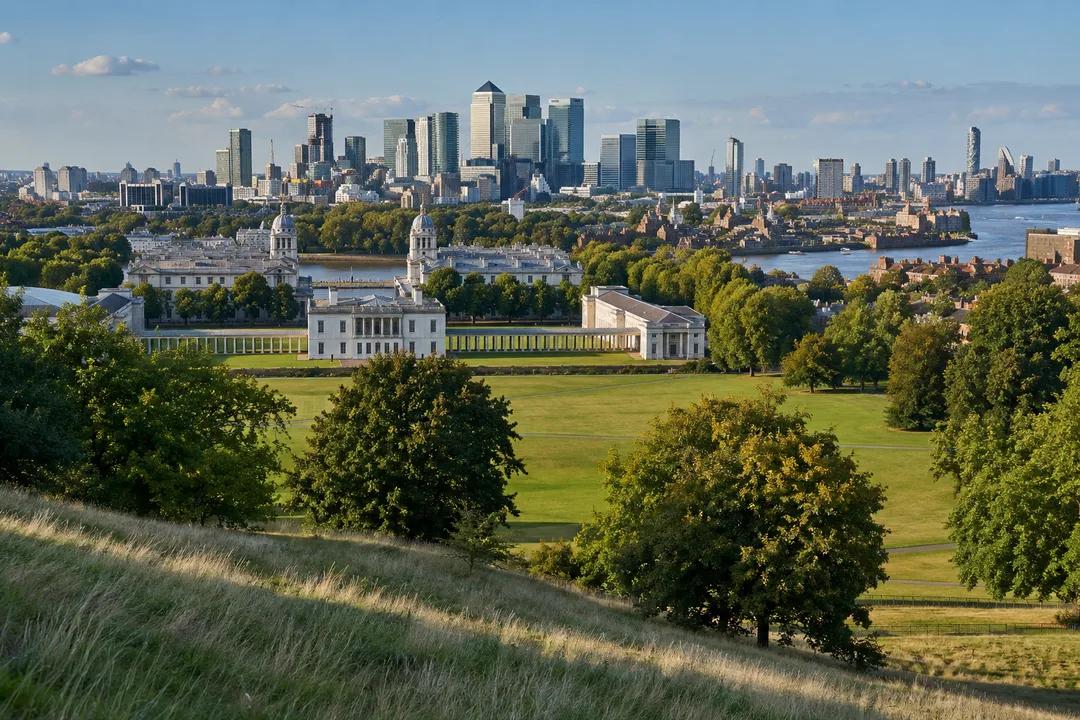
From the park's central avenue, a curving asphalt pathway known as the Grand Ascent guides walkers up the steep natural hillside toward the Royal Observatory. Reaching the summit terrace outside Flamsteed House, founded in 1675 by King Charles II, rewards you with what is widely celebrated as one of the finest architectural vistas in Great Britain. Looking north down the grassy slopes, the symmetrical white pavilions of Queen's House and the Naval College sit nestled in the river valley, framed by the sweeping silver bend of the Thames and the soaring steel-and-glass towers of Canary Wharf on the opposite shore. On the terrace pavement, walkers can see the marked Prime Meridian line representing Longitude Zero. Pausing at the stone balustrade allows you to take in the vast sweep of London's skyline stretching from St Paul's Cathedral in the west to the Millennium Dome in the east, capturing both the ancient and ultramodern faces of the capital.
Descending Through the Flower Gardens and Greenwich Market
Leaving the observatory viewpoint via the southeastern pathway guides walkers into the secluded sanctuary of the Greenwich Park Flower Garden. Here, ornamental cedar trees, sheltered duck ponds, and seasonal dahlia borders create a quiet haven far removed from tourist footpaths. Turning westward brings you past the historic Roman temple archaeological site and along the park's western tree line, gradually descending toward the Blackheath Avenue gates on King William Walk. Following this wide tree-lined boulevard brings you directly into the historic cobblestone arcade of Greenwich Market, established by royal charter in 1700. Browsing through the covered market reveals independent craft jewellers, antiquarian print dealers, and local pastry stalls, before emerging back onto the riverfront pedestrian square of Cutty Sark Gardens, cleanly completing the circular loop without retracing any portion of the path.
Essential Route Logistics and Public Transit Advice
This circular walking route follows high-quality stone flagstones, paved park roads, and firm asphalt pathways, making standard walking trainers or sturdy flat shoes ideal for the terrain. While the ascent to the Royal Observatory involves a brief moderately steep climb, alternative gently winding paths with step-free ramps provide accessible alternatives for strollers and mobility aids. Well-maintained public restrooms and seasonal drinking water fountains are located beside the Greenwich Park children's playground and adjacent to the observatory cafe. For public transit connections, the Cutty Sark DLR station provides frequent links to Canary Wharf and Bank, while Greenwich National Rail station offers fast overland trains into London Bridge and Cannon Street. In the Karpo APP, pedestrians can check elevation maps, review step counts, and track custom loop variations to plan an unforgettable maritime walking circuit tailored to their schedule.
Ask Karpo for more information.
Keep reading
- Bloomsbury Mews Walk Planner: Literary Brick Passages
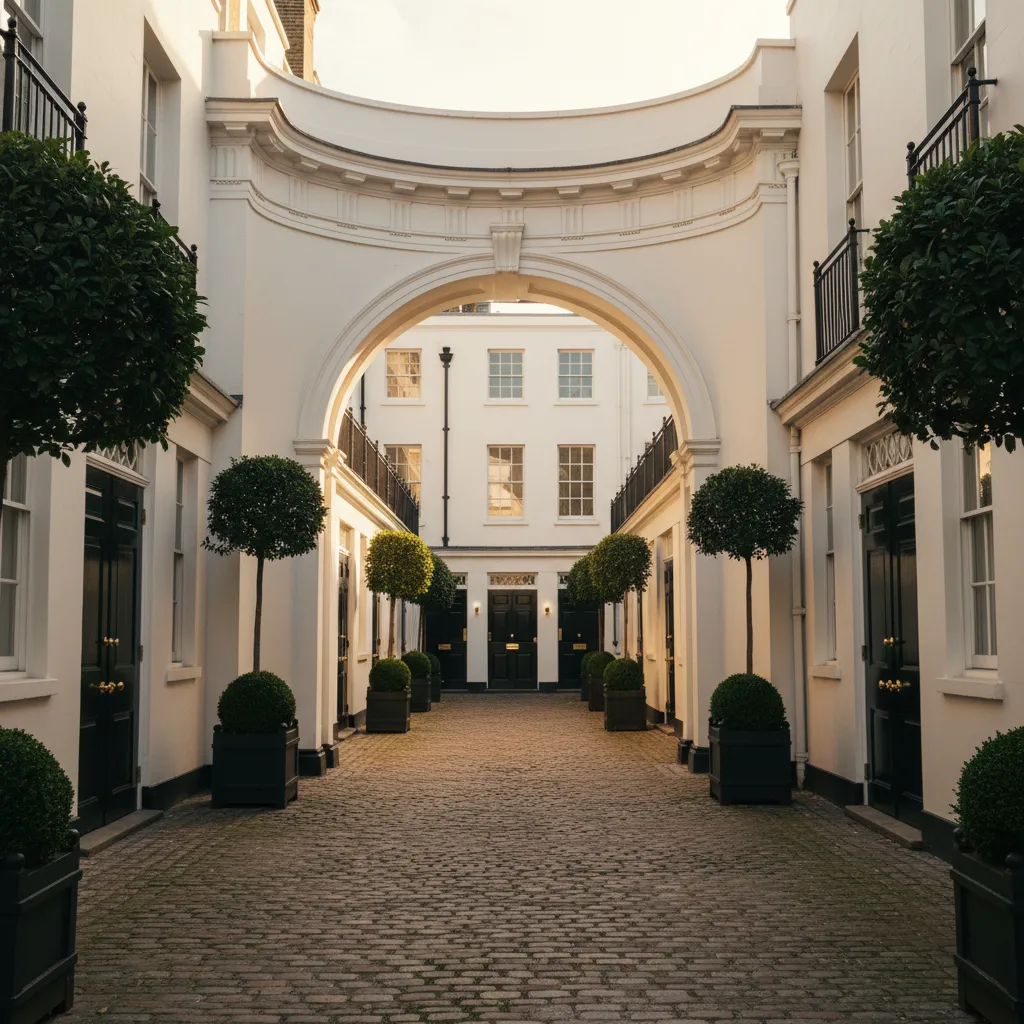 Belgravia Mews Walk Planner: Stucco Arches and Alleys
 Notting Hill Mews Walk Planner: Quiet Painted Lanes