 Shoreditch Secondhand Bookshop Nook Finder: Crates to Arches
Hidden Gems & Odd Finds
Bermondsey Artisan Glassware Studio: 4 Steps for Tumblers
Visit London Glassblowing in Bermondsey to buy handblown tumblers. Compare furnace gathers, check rim balance, and explore Bermondsey Street design shops.
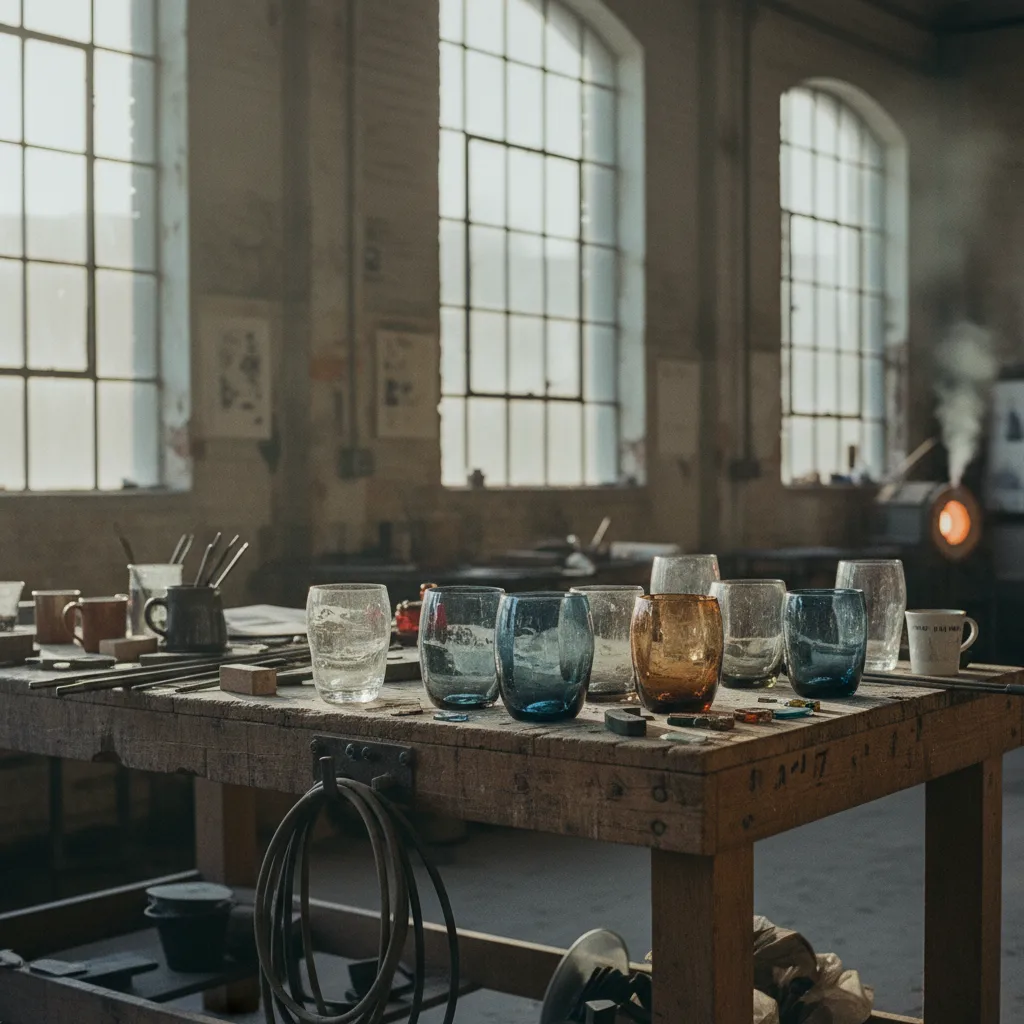
Visiting an artisan glassware studio in Bermondsey brings you directly into the radiant heat and rhythmic choreography of South London's thriving craft quarter. At London Glassblowing—founded by artist Peter Layton in 1976 beside the Thames at Rotherhithe, relocated to the Leathermarket near London Bridge in 1995, and established at its current studio and gallery at 62–66 Bermondsey Street in 2009—visitors can observe resident glassmakers gathering molten silica, shaping hot bubbles at the glory hole, and turning vibrant glass batches into balanced tumblers and tableware. Taking time to watch the team work at the furnace glory hole clarifies how molten glass transforms into balanced, weighty tumblers and carafes before you make a purchase.
Furnace Heat and the Molten Gather Process
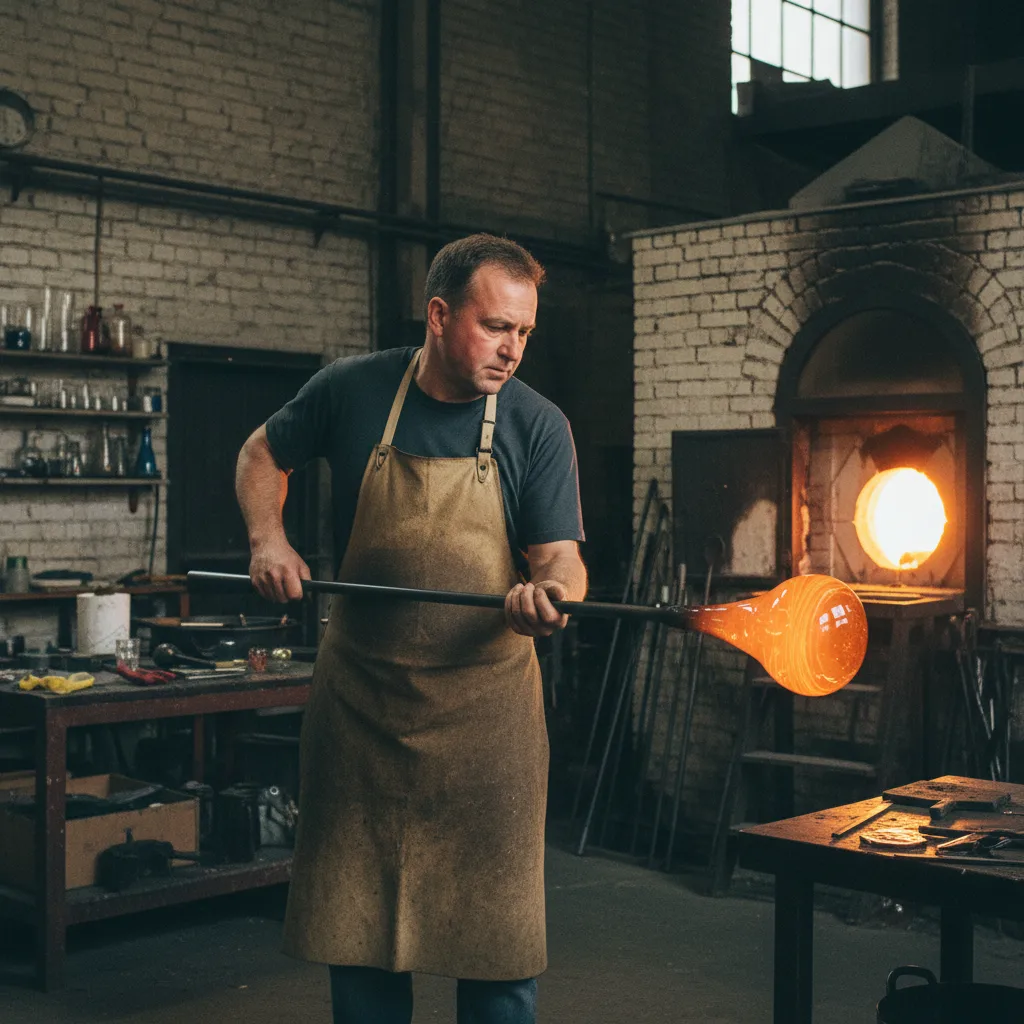
The making of handblown drinkware starts at the furnace crucible, where batch glass melts overnight at more than one thousand degrees Celsius into a molten mass. An artisan inserts a preheated stainless steel blowing iron into the crucible mouth, turning the rod steadily to collect an initial gather of honey-thick molten glass. Watching the gathering motion reveals how fluid the material remains outside the furnace, demanding continuous rotation on the steel marver table to establish concentric wall alignment.
Once the initial gather stabilizes, the glassblower introduces an initial breath into the pipe, sealing the mouthpiece to create an interior air pocket. The expanding bubble is shaped with wet fruitwood blocks, usually turned from dense cherry or pear wood that resists charring during contact. The steam cushion generated between wet wood and molten glass buffs the exterior surface, yielding a smooth fire-polished gloss that machine-molded glass cannot duplicate.
Adding secondary gathers allows the studio to introduce subtle mineral color frits or build a heavy sham at the bottom of the glass. By rolling the hot bubble across crushed colored frit, pigments fuse into the outer layer without disrupting optical clarity. The glass returns to the secondary reheating furnace, softening until the color melts into seamless amber, cobalt, or olive gradients across the entire profile.
Evaluating Wall Thickness and Tumbler Balance
Selecting quality glassware from a studio collection requires handling individual pieces rather than judging them on a display shelf. A well-crafted tumbler distributes its weight toward the base while maintaining a clean, comfortable rim. Gently testing the glass between your fingers lets you feel whether the wall thickness remains consistent around the circumference, which directly prevents thermal stress during everyday washing and household use.
Inspect the mouth of the vessel for clean shear marks or flame-cut rims. In studio craft practice, the lip is hot-worked at the glory hole or cut cold and beveled on diamond flat laps. A carefully finished rim feels soft against the lips without sharp edges or heavy rounded beads, ensuring pleasant drinking dynamics for morning water, cider, or spirits across everyday table service.
Look closely at the pontil mark underneath the base where the glass detached from the secondary punty rod. Premium studios grind and polish this connection scar into a smooth circular indentation known as a punty polish. Running your thumb across the bottom ensures the glass sits perfectly level on a wooden tabletop without rocking or scratching delicate furniture finishes during casual dining.
Notice the subtle refraction of natural light as you rotate the vessel in your hand. Hand-gathered glass often displays gentle optic modulations and minor thickness nuances that give the drink inside a lively, luminous presence. These optical characteristics distinguish studio craft from automated factory production, giving every piece an unmistakable sense of handmade vitality.
Annealing Durability and Studio Batch Variations
Every finished vessel must undergo an extended cooling cycle inside an electronically controlled annealing lehr. Freshly blown glass carries internal structural strain caused by differential cooling between thick bases and thin rims. By holding the glassware at controlled soaking temperatures before cooling gradually overnight in the annealing lehr, the studio relieves molecular stress, rendering the finished cup resilient for domestic dining.
Because handblown items are produced in small studio batches, subtle variations in height, diameter, and tint density occur naturally. When buying a set of four or six tumblers, ask to assemble the group side by side on a flat viewing counter. Choosing pieces that share harmonious visual proportions while celebrating individual handcraft markings creates a cohesive table setting with genuine character.
Small air seeds and subtle cord lines in the glass are natural hallmarks of hand craft rather than structural flaws. Hand-gathered studio glass often retains tiny trapped bubbles that capture ambient window daylight, reflecting the unique thermal history and viscosity of the furnace crucible gather. As long as bubbles do not break the interior or exterior surface, they reflect authentic studio character without compromising vessel strength.
Bermondsey Street Walks and Historic Alleys
After browsing glassware collections, Bermondsey Street offers one of London's most rewarding pedestrian corridors for independent design and food culture. Historic railway viaducts, timber-fronted tanneries, and converted vinegar works line the route from London Bridge down towards St Mary Magdalen Churchyard. Independent coffee roasters, modern art galleries like White Cube Bermondsey, and specialty cheese shops provide pleasant stops between studio visits.
Wandering down Leathermarket Street and Tanner Street reveals nineteenth-century leather-drying lofts with characteristic slatted timber louvers. The neighborhood retains its working creative identity, where textile designers, potters, and printmakers continue to operate beneath Victorian brick railway arches. Walking these quiet side lanes gives a rich sense of the industrial trades that laid the groundwork for today's artisan glass workshops.
Heading east toward Maltby Street brings you past the historic Ropewalk, where salvage yards and artisan food merchants cluster beneath the mainline railway arches. Pausing by the outdoor iron benches with a warm pastry allows you to appreciate the enduring relationship between historic manufacturing architecture and contemporary studio craft in Southwark.
Practical Notes for Studio Glass Shoppers
The public gallery at 62–66 Bermondsey Street welcomes visitors Tuesday through Saturday from 10 am to 5 pm and Sunday from 11 am to 5 pm (closed on Mondays), offering open views into the working hot shop while glassmaking sessions are underway. Note that hot shop furnaces pause for scheduled maintenance each summer from mid-July into early September, though the gallery showroom remains open during regular hours. Inquire about current exhibition runs or seasonal displays where one-off experimental vessels and color tests are offered directly to the public. Inquiring politely before photographing artists at the furnace benches respects workshop safety protocols.
To ensure your new glassware arrives safely home, ask the studio team for layered corrugated wrap and sturdy presentation boxes. When hand-carrying glass on the London Underground or overland rail, keep fragile packages in a secure tote bag rather than packing them loosely in checked baggage. You can explore regional studio listings and organize craft discovery afternoons throughout London with the Karpo APP.
Ask Karpo for more information.
Keep reading
- Shoreditch Secondhand Bookshop Nook Finder: Crates to Arches
 Covent Garden Secondhand Bookshop Nook Finder by Show Time
 Soho Secondhand Bookshop Nook Finder: Pick Your Street Edge