
For New Yorkers, IKEA is less about a suburban day trip and more about solving very specific apartment problems—tiny kitchens, weird closet nooks, and the annual September move-in rush. But between multiple "NYC-adjacent" stores, complex delivery tiers, and the reality of hauling flat-pack boxes on transit, it’s easy to misjudge what an IKEA visit will actually require. This guide breaks down the myths versus the realities of shopping IKEA around New York City, from which locations make sense without a car to how delivery and assembly really work once you’re back in your walk-up.
Planning a big IKEA run, move-in haul, or just a few organizers? Bookmark this guide before you go—then tap it again while you’re in the store to compare locations, double-check transit, and decide in real time whether you should haul it yourself, schedule delivery, or book a third-party service.

Myth vs. reality: Is there an IKEA "in" NYC?
Myth: There’s one main IKEA for New Yorkers, and it’s in Manhattan. Reality: The only full-size IKEA traditionally considered NYC’s own is IKEA Brooklyn in Red Hook, plus the smaller IKEA Planning Studio that used to operate in Manhattan; most full warehouses serving the region are in New Jersey or Long Island. Always check IKEA’s official store locator for currently open locations and formats, because smaller planning or pickup studios can change over time.
Practically speaking, NYC shoppers today usually choose among Brooklyn (Red Hook), Elizabeth (NJ), Paramus (NJ), and Long Island (Hicksville), depending on where they live and whether they have a car. Brooklyn offers the closest thing to a car-optional IKEA experience, but the New Jersey and Long Island stores often have more parking, different stock, and sometimes shorter lines on non-peak days.
The key reality for 2026 planning: don’t rely on anything you remember from a 2025 trip, because store formats, services, and even local pickup points can be updated or discontinued. Before you commit to a location, open IKEA’s official site, use the store finder, and verify that the address, hours, services (like delivery or click-and-collect), and transit directions are still current.
Getting to IKEA Brooklyn without a car
Myth: You need a car to make IKEA Brooklyn worth the trip. Reality: IKEA Brooklyn was explicitly designed with transit riders and pedestrians in mind, offering multiple ways to reach the store without driving yourself. The store sits in Red Hook on Beard Street, with access routes from the NYC subway, local buses, ferries, and rideshare. IKEA used to run a dedicated water taxi; service models can change, so always confirm current transit options through the IKEA Brooklyn store page and the MTA’s trip planner.
From much of NYC, a typical transit route is subway to a nearby station plus a local bus or walk—for example, riders might use the F or G trains to Carroll Street or Smith–9th Streets, then transfer to a bus serving Red Hook. The exact recommended route depends on your starting neighborhood, day of week, and any service changes. Because the MTA regularly updates routes, weekend work, and accessibility information, check the MTA’s official trip planner or apps on the day you travel rather than relying on old screenshots or blog posts.
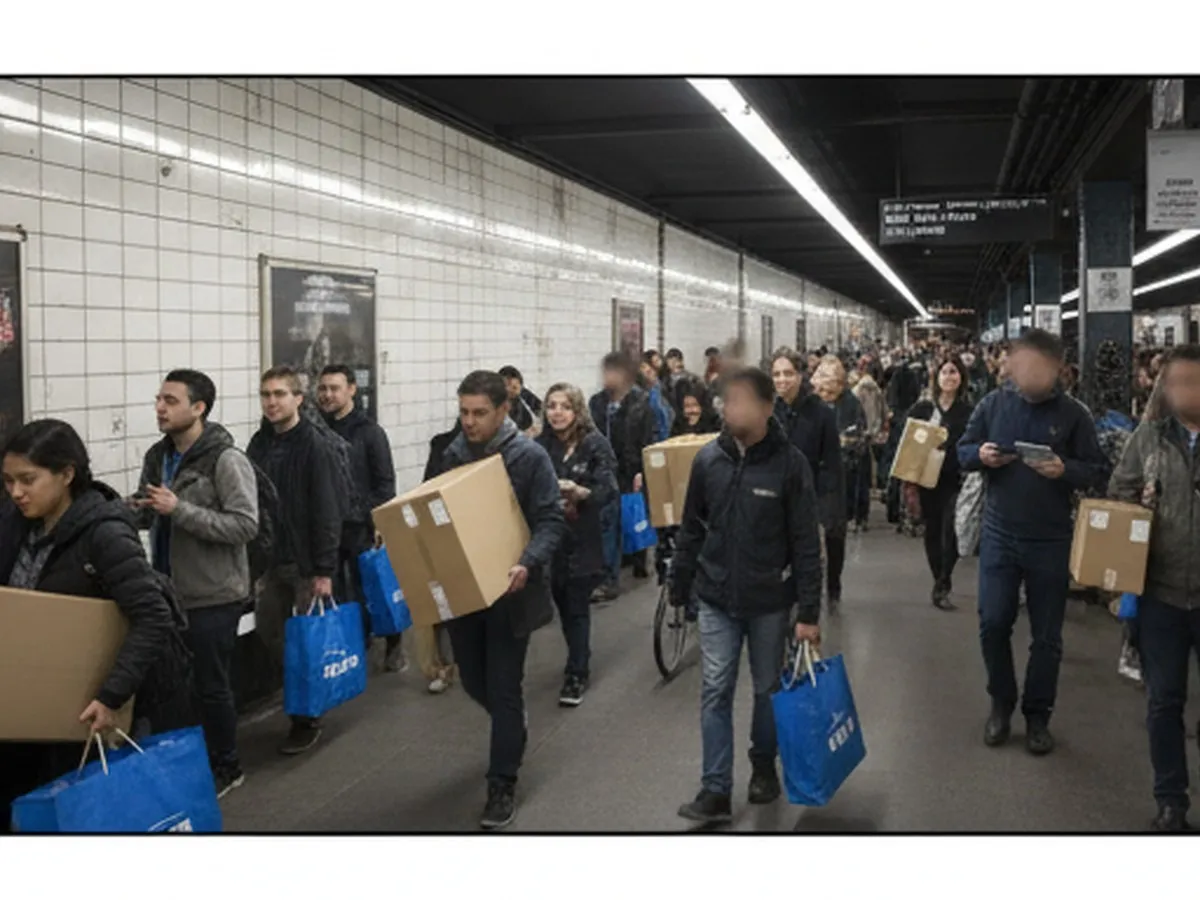
No matter how you reach Red Hook, the reality is that getting home with large items is the harder part. If you expect to buy bulky furniture, plan your return route in advance: will you carry items on transit, call a rideshare, or book IKEA delivery or a third-party courier? Even if your outbound route is fully transit-friendly, it may be more realistic to schedule delivery for heavy boxes at checkout and keep your subway ride for smaller, manageable items.

New Jersey and Long Island IKEAs: worth the trip?
Myth: New Jersey and Long Island IKEAs are only for drivers. Reality: While these stores—such as IKEA Elizabeth, IKEA Paramus, and IKEA Hicksville—are designed around highway access and large parking lots, NYC residents sometimes reach them via NJ Transit, LIRR, or coach buses plus rideshare, especially when they’re planning a big furniture purchase and coordinating delivery back to the city.
Each suburban store’s official page lists its exact address, opening hours, and available services, including delivery zones and click-and-collect options. Because policies and operating hours can shift year to year, cross-check this information directly on IKEA’s website before you lock in plans, and pay attention to any notices about holiday hours or severe weather closures. When you’re comparing stores, look not just at distance, but at things like stock levels, typical crowding, and whether the store offers in-person planning help for kitchens or wardrobes.
If you don’t have a car, it’s usually more efficient to use Brooklyn or to shop online and rely on delivery—even if New Jersey or Long Island might theoretically have a particular item in stock. However, if you’re already traveling to the suburbs for other errands, or you’re coordinating with friends who drive, the larger parking and sometimes different stock in those stores can make them useful for big move-in or renovation projects. Just remember that interstate transit plus delivery can add up in cost and time, so compare that against what you’d spend at the Brooklyn store or via online ordering.
Myth vs. reality on IKEA delivery in NYC
Myth: IKEA delivery is always cheap and fast, especially in New York. Reality: IKEA offers tiered delivery services whose exact pricing and timing vary by location, order size, and delivery method. Common options include doorstep delivery, in-home delivery, and assembly services, but whether they’re available to your address—and how much they cost—depends on your ZIP code and what you’ve bought.
For NYC addresses, the usual pattern is that smaller orders can be shipped as parcels, while larger furniture orders use home delivery partners. IKEA’s checkout process will show you real-time delivery dates and charges once you enter your address; this is the only reliable way to know what you’ll pay and when your items will arrive, because promotions, fuel surcharges, and partner availability change over time. In some peak seasons—like late summer move-in—slots can book out, so it’s smart to build flexibility into your plans rather than assuming next-day delivery.
If you prefer to shop in person but don’t want to lug boxes home, ask in the store about delivery-to-home from store options. Many locations allow you to make your selections in the warehouse, pay, and then have items shipped to your apartment later, often at a different rate than standard online orders. This hybrid approach fits a lot of NYC lifestyles: you get to see and measure items in person, but don’t have to navigate them through the subway or up multiple flights of stairs yourself.
Third-party delivery and assembly: what’s really allowed
Myth: Any courier or gig app can pick up IKEA orders for you with no extra steps. Reality: While New Yorkers commonly use third-party services—such as independent couriers or gig platforms—to move IKEA purchases, those services usually can’t access your order without your direct involvement unless IKEA specifically offers a partnered solution. Policies differ by store and by service, so you need to verify rules at the point of purchase.
In practice, you have two main approaches. One is to shop in person, pay at the store, and then meet your courier in the parking lot or loading zone, where they take possession of the boxes and transport them to your apartment. The other is to order online and ship to your home, then optionally hire a third-party assembler to build the furniture once it arrives. IKEA itself offers assembly services in many areas; where those aren’t available or don’t fit your budget, independent assemblers are common throughout the city.
Before booking any third-party help, read their service description, insurance terms, and cancellation policies carefully. Courier and assembly businesses are separate from IKEA, so if something arrives damaged or is assembled incorrectly, responsibility may be split between IKEA, the delivery company, and the assembler. Take photos of boxes on arrival, keep receipts, and follow IKEA’s official instructions for reporting product defects or missing parts so you have a clear paper trail if you need an exchange or refund.
Timing your NYC IKEA run like a local
Myth: Weekends are the best time for IKEA because you have the day off. Reality: For much of the year, weekends and evenings are when IKEA stores near NYC are most crowded, especially in late August and early September when students and new renters are outfitting apartments. That can mean longer lines at checkout, tighter crowds in the showroom, and more competition for in-stock items.
To shop more efficiently, look for weekday mornings or early afternoons, particularly on non-holiday weekdays, when stores are usually quieter. The official pages for each store show standard hours and any special opening times; verify those before you go, and don’t assume that patterns from 2025 still hold exactly in 2026. If your schedule is inflexible, consider using online ordering for the bulk of your big items and limiting your in-person visits to smaller accessories or to testing sofas and mattresses.
Backup planning is crucial: make a prioritized list of your must-buy items and alternate choices before you head out. IKEA’s website lets you check stock by store for many products, although availability can change quickly. If a key item is out of stock when you arrive, you can often switch colors or sizes, ask staff about upcoming restocks, or place an online order for home delivery later. Keeping your phone handy with your list, measurements, and photos of your space can make in-store decisions faster when you’re navigating busy aisles.
Workshops, planning help, and smarter small-space design
Myth: IKEA is only a self-service maze of furniture, with no design help. Reality: Many IKEA locations offer planning services and occasional workshops, particularly around kitchens, wardrobes, and small-space organization. The exact offerings vary by store and season—some focus on one-on-one planning appointments, while others periodically host in-store events or demos—so check each location’s events or services page rather than assuming a specific program exists.
For New Yorkers in small apartments, these services can be especially useful. Kitchen planning tools help you map cabinets and appliances to tight layouts, while wardrobe and storage consultations can show you how to fit modular systems into odd corners or converted rooms. Combining this with your own measurements and photos of your apartment lets you move beyond just grabbing random shelves and into building a coherent system that really works for your daily routine.
Because programming can change year by year, anything you heard about a 2025 workshop or event is best treated as historical. For 2026, look to the current events listings on IKEA’s official site and sign up early where reservations are required. If you don’t see a formal workshop, ask staff about informal tips, online planning tools, or printed guides—many of those resources work just as well from home, so you can design your setup before you even book transit to the store.
Ask Karpo first
Ask Karpo what you’re trying to solve—more kitchen storage, a better work-from-home setup, or a full move-in—and I’ll help you choose the most realistic IKEA strategy for your neighborhood, schedule, and budget. I can walk you through comparing Brooklyn versus suburban stores, checking current transit and delivery options, and planning backup choices if stock is limited, so you spend less time wandering the maze and more time getting the right pieces into your apartment. Then, once you’re home, I’ll stay with you as a sidekick for assembly, layout tweaks, and sharing your setup with friends who are planning their own IKEA runs. Karpo. NYC’s proactive lifestyle sidekick.
Tags: #ikea #nyc #shopping #delivery #transit #brooklyn #newjersey #longisland #creativeworkshops #NYC #KarpoFinds #AskKarpo
Sources consulted: IKEA US store locator and formats · IKEA Brooklyn store information · MTA official site and trip planner · IKEA US delivery services · IKEA Elizabeth store information · IKEA Paramus store information · IKEA Hicksville store information
All trademarks are the property of their respective owners.
Ask Karpo first
Tell me how you like to shop IKEA—quick solo mission, all-day browse, or online haul—and I’ll help you pick the best NYC store, route, and delivery combo, plus backup plans if something’s out of stock or too big to carry home.