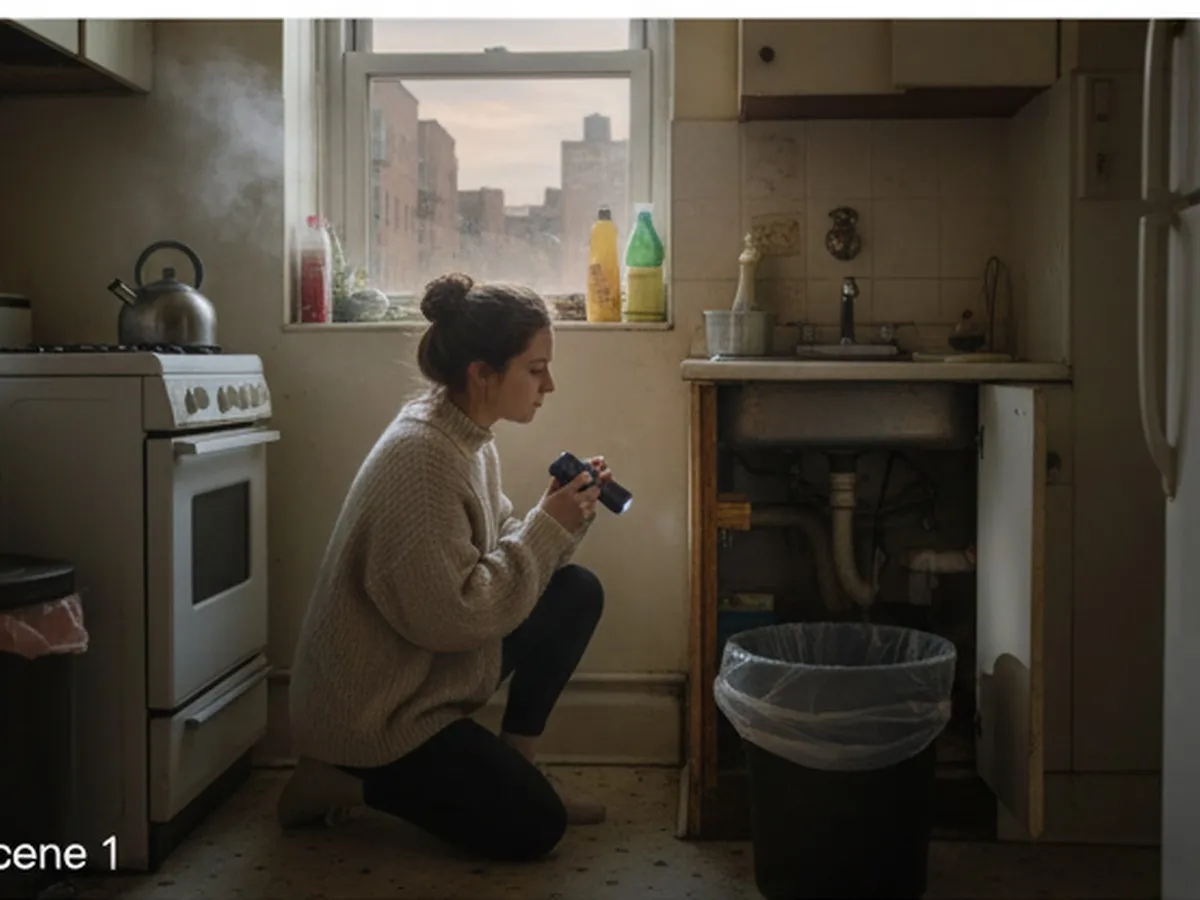
If you are figuring out how to get rid of roaches in a New York City apartment, the most important thing to know is that the fix usually has to match the scale of the problem. A few roaches in one unit can sometimes be reduced with cleaning, sealing, and targeted baiting, but recurring sightings in multiple rooms or neighboring apartments often point to a building-wide infestation that requires landlord action and, in some cases, city complaint follow-up. NYC’s housing and pest guidance emphasizes sanitation, exclusion, and coordinated treatment rather than one-time sprays alone.
Want a no-panic plan for your own apartment? Save this guide, then use the decision tree below to choose the right next move in under five minutes.

If you saw one or two roaches tonight
Start with the smallest effective response: remove food and water sources, empty trash, wipe grease from the stove area, and dry sinks overnight. Cockroaches need moisture and access to crumbs or standing water, so even basic nightly cleanup can reduce what attracts them while you figure out whether this is an isolated sighting or a larger problem.
Use gel bait or bait stations in cracks and hidden runways instead of spraying the open room. The EPA recommends integrated pest management, which combines sanitation, exclusion, and targeted control, because broad pesticide use can drive roaches deeper into walls and make the problem harder to track.
If you’re seeing them in the kitchen or bathroom daily
Treat daily sightings as a strong sign of an established infestation, especially in older multifamily buildings. NYC housing guidance advises tenants to report the issue to the owner or managing agent promptly and to keep records of dates, locations, and any photos, because persistent activity often needs building-side treatment.
Check the most common entry and hiding points: under sinks, behind appliances, around pipe penetrations, along baseboards, and inside cabinet hinges. Seal gaps with caulk or other appropriate materials after cleaning; exclusion matters because even successful baiting will fail if roaches can keep moving between units and wall voids.
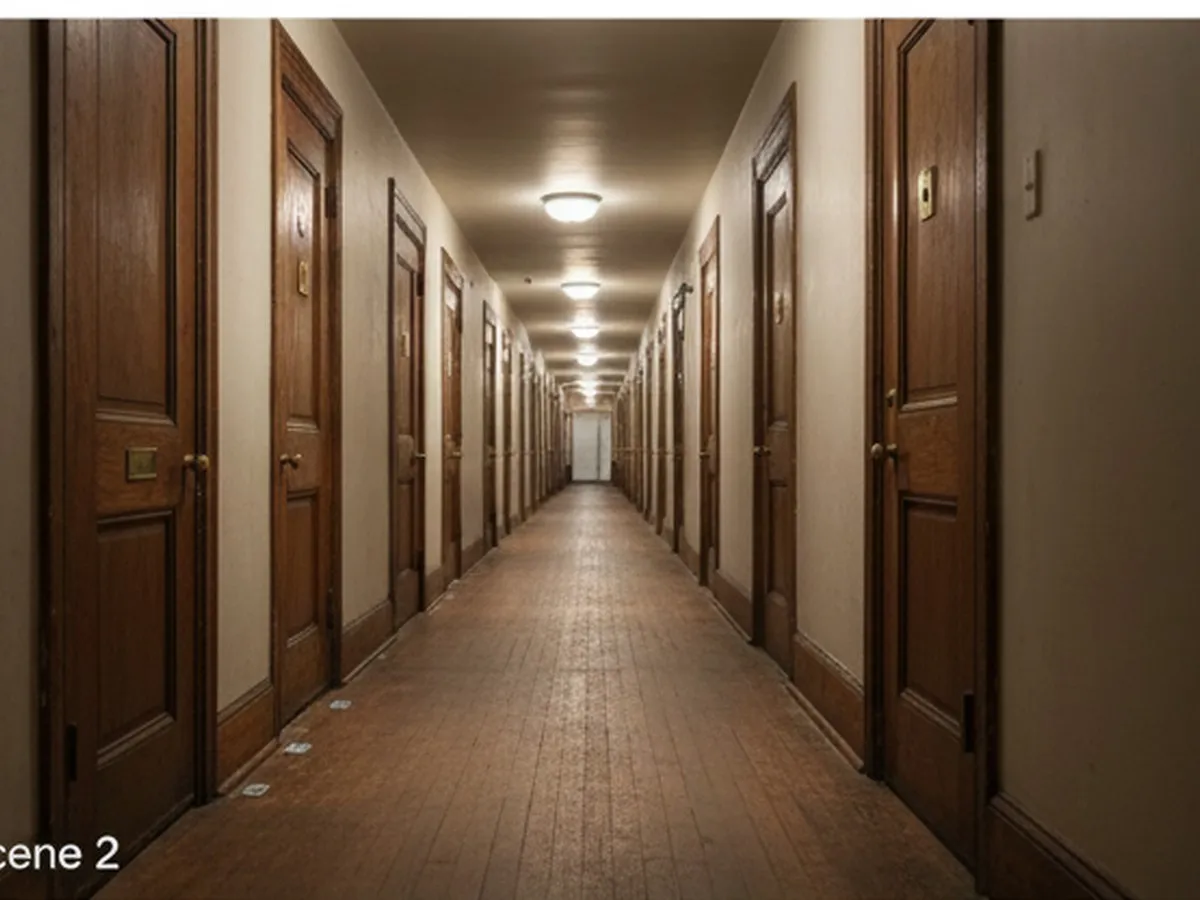
If the problem seems to be building-wide
When multiple apartments, the hallway, or the trash area are involved, think beyond your own unit. Roaches spread through shared walls, plumbing chases, and service spaces, so a single apartment treatment rarely solves the root cause in dense NYC housing. The practical answer is coordinated extermination plus building maintenance, including trash control and repair of leaks or cracks.
Document everything before and after treatment: dates, rooms affected, photos, emails to management, and whether neighboring units are also seeing activity. That paper trail helps if you need to escalate through the owner, building superintendent, or 311, and it also helps a licensed pest professional identify the likely nesting areas.
If your landlord says they handled it already
Do not judge the job by whether a spray was used once. Ask what product or method was used, where bait or traps were placed, and whether follow-up visits are scheduled. The EPA notes that effective cockroach control usually requires monitoring and repeated, targeted action, not a single treatment.
If conditions inside the apartment still support roaches, the problem will return. Ask for repairs to leaks, gaps around pipes, damaged baseboards, or broken window or door seals, because moisture and access points are part of the infestation cycle in many NYC buildings.
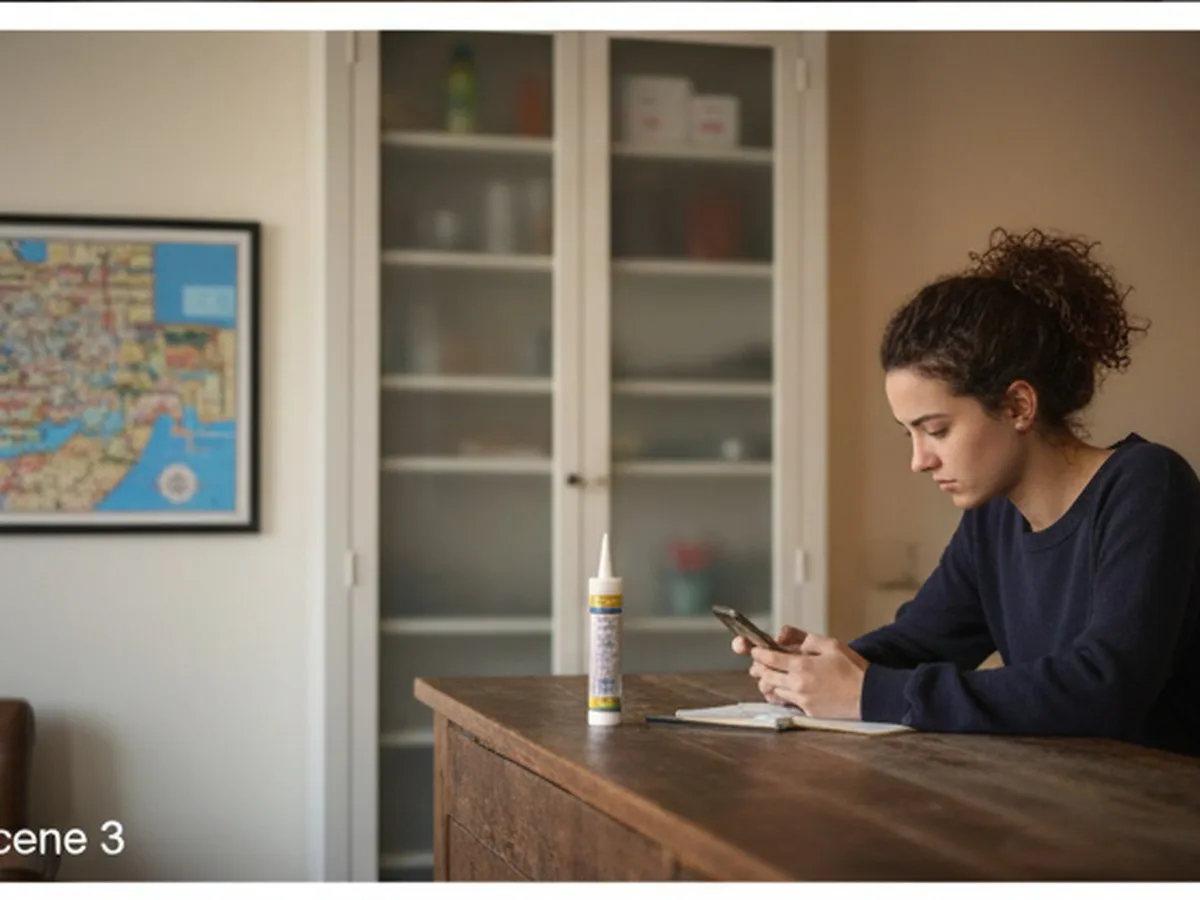
If you live near transit, trash rooms, or older stock
Neighborhood context matters in NYC. Dense housing, shared waste areas, older plumbing, and heavy turnover can all increase exposure, which is why pest pressure can stay high even in clean apartments. That means your strategy should include daily housekeeping, food storage in sealed containers, and fast reporting of maintenance issues rather than waiting for the next sighting.
If you rely on public transit and spend long hours away, make the home harder to feed on while you are out: keep counters clear, wash dishes before bed, and do not leave pet food down overnight. Those habits won’t solve a serious infestation alone, but they reduce the conditions that let a small problem become chronic.
If you need to escalate outside the apartment
If the landlord does not respond, NYC tenants can use city complaint channels and housing resources to document a persistent pest issue. Keep the complaint focused on the housing condition itself: roaches, leaks, cracks, or lack of effective treatment, rather than just a general frustration with the building.
For broader rights and repair concerns, the city’s housing resources are a better starting point than guessing from social media or old forum posts. Recheck current official pages before acting, because complaint steps, documentation standards, and contact routes can change.
If you want to prevent the next wave
The most reliable prevention stack is simple: dry, seal, bait, monitor. Keep food and garbage contained, fix leaks quickly, close gaps around pipes and cabinets, and use traps to see whether activity is dropping. That approach aligns with EPA integrated pest management guidance and is more durable than relying on repeated foggers or surface sprays.
If you are buying supplies, choose the kind that fits the situation, not the cheapest option on the shelf. Gel baits, traps, caulk, and leak fixes are usually more useful than air fresheners or general-purpose sprays, which do not address the nesting and travel routes that keep roaches coming back.
Tags: #nyc #apartments #pestcontrol #homemaintenance #housing #citylife #creativeworkshops #diy #NYC #KarpoFinds #AskKarpo
Sources consulted: NYC 311: Cockroaches · NYC Housing Preservation and Development: Pest Control · U.S. EPA: Cockroach control and integrated pest management
All trademarks are the property of their respective owners.
Ask Karpo first
If you’re dealing with a roach problem that keeps coming back, ask Karpo to help you map the fastest next step for your building type, lease situation, and neighborhood. I can help you decide when to start with cleaning and sealing, when to document the issue for your landlord, and when to move straight to a licensed pest professional so you do not waste another week guessing.