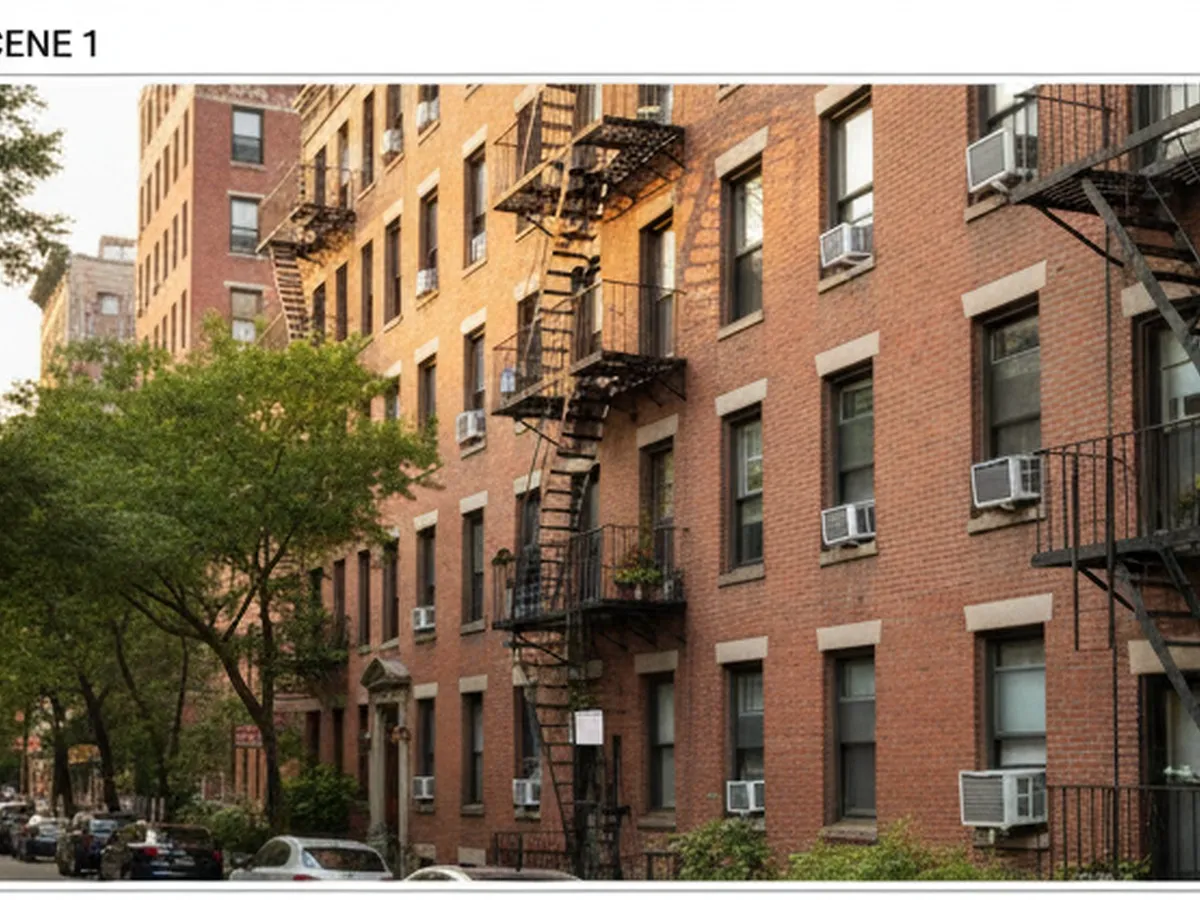
In New York City, installing an air conditioner in an apartment is as much about building rules and safety codes as it is about staying cool. A unit that seems simple to slide into a window can become a problem if it isn’t properly secured, blocks a fire escape route, or violates your lease or co-op bylaws. This guide walks NYC renters, condo owners, and co-op residents through the key city regulations, typical building policies, and smart installation practices—so you can choose the right AC setup, pass any approval process, and avoid violations, leaks, or a unit falling onto the sidewalk below.
Thinking about finally upgrading your AC before the next heat wave? Save this guide, then walk around your apartment with it open: check your window type, hunt for any “no window AC” lines in your lease or house rules, and jot down questions for your landlord or super. You’ll be ready to comparison-shop installs instead of panic-buying the wrong unit on the hottest weekend of the year.

NYC rules that actually apply to AC installation
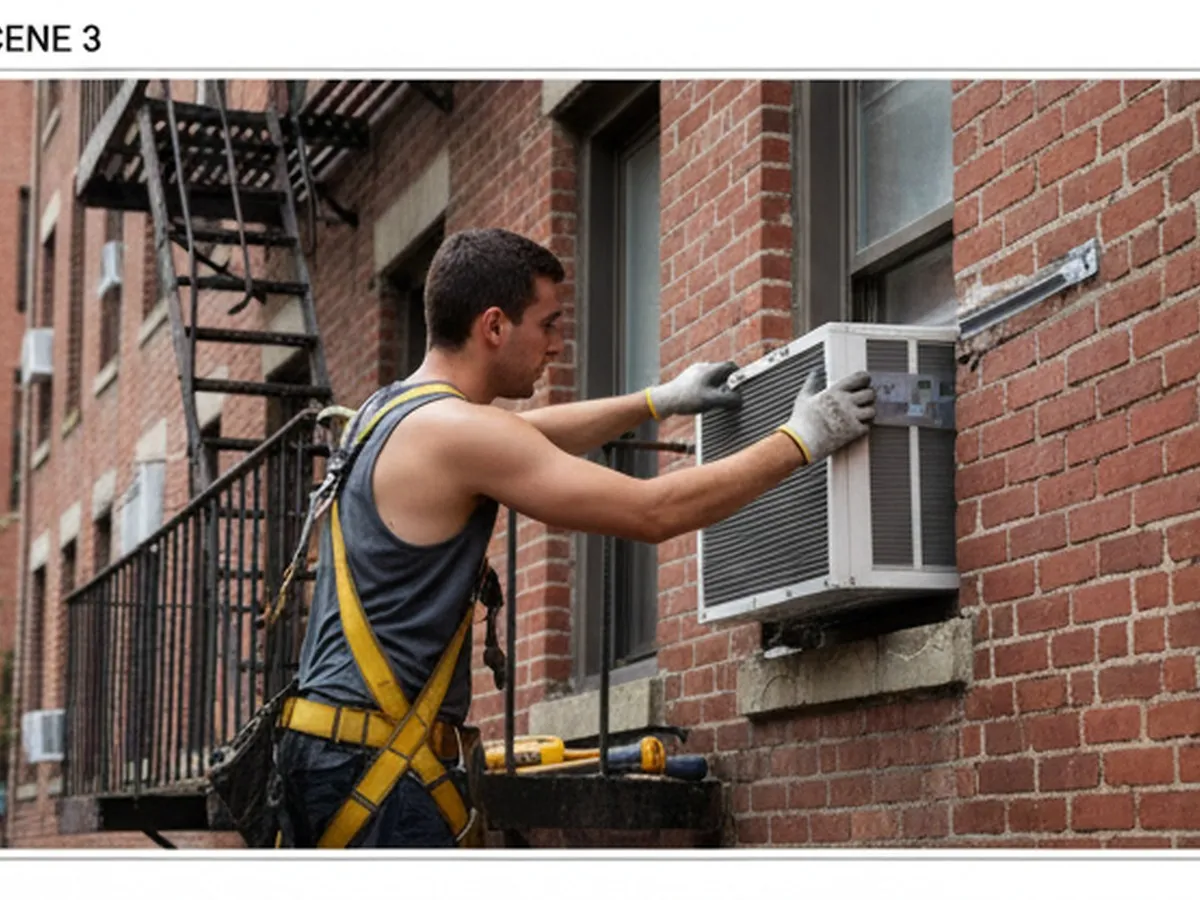
New York City does not have one single “AC installation law,” but several safety and building rules affect how you can install a unit. The Department of Buildings (DOB) explicitly warns that window ACs must be securely installed so they cannot fall, and that metal support brackets or a properly designed support system are often needed for safety. The DOB also notes that installing a window AC itself typically does not require a DOB work permit if you are not altering the window structure or doing structural work, but you still must follow manufacturer instructions and building safety codes.
City fire and housing rules come into play as well. The Fire Code and Housing Maintenance Code require that exits, including fire escapes and required egress windows, remain unobstructed; blocking a fire escape opening with an AC unit can be a safety hazard and a violation. Landlords in residential buildings must also maintain adequate heat in winter and, where cooling is provided, keep it in good working order, but they are not required to provide AC in every unit in most standard rentals. That means you are usually responsible for buying and installing your own unit—while your building is responsible for enforcing safety and facade rules.
Building, landlord, and co-op rules you cannot ignore
Even when the city does not require a permit for a standard window unit, your building can set stricter policies. Many NYC landlords, condos, and co-ops have written rules about where ACs can go, which types are allowed, and who is allowed to install them. For example, some co-ops prohibit window ACs facing the street for aesthetic or facade-safety reasons and instead require through-the-wall units installed by approved contractors. Others require proof that any window unit uses a properly engineered support bracket to protect pedestrians and the building’s exterior.
Co-op and condo boards commonly require written approval and may ask for an engineer’s review if the install involves cutting an exterior wall or adding a mini-split condenser to a terrace or roof area. Many leases in rental buildings also say you must obtain the landlord’s written consent before altering windows, drilling into sills, or adding any fixture that may affect the facade. Before you buy an AC, it’s practical to: (1) re-read your lease or house rules for any AC or alteration clauses; (2) email your management company for their current AC policy; and (3) ask if they have a preferred contractor or bracket standard. This advance step often saves days of back-and-forth in peak summer when supers are overwhelmed.
Comparing your main NYC apartment AC options
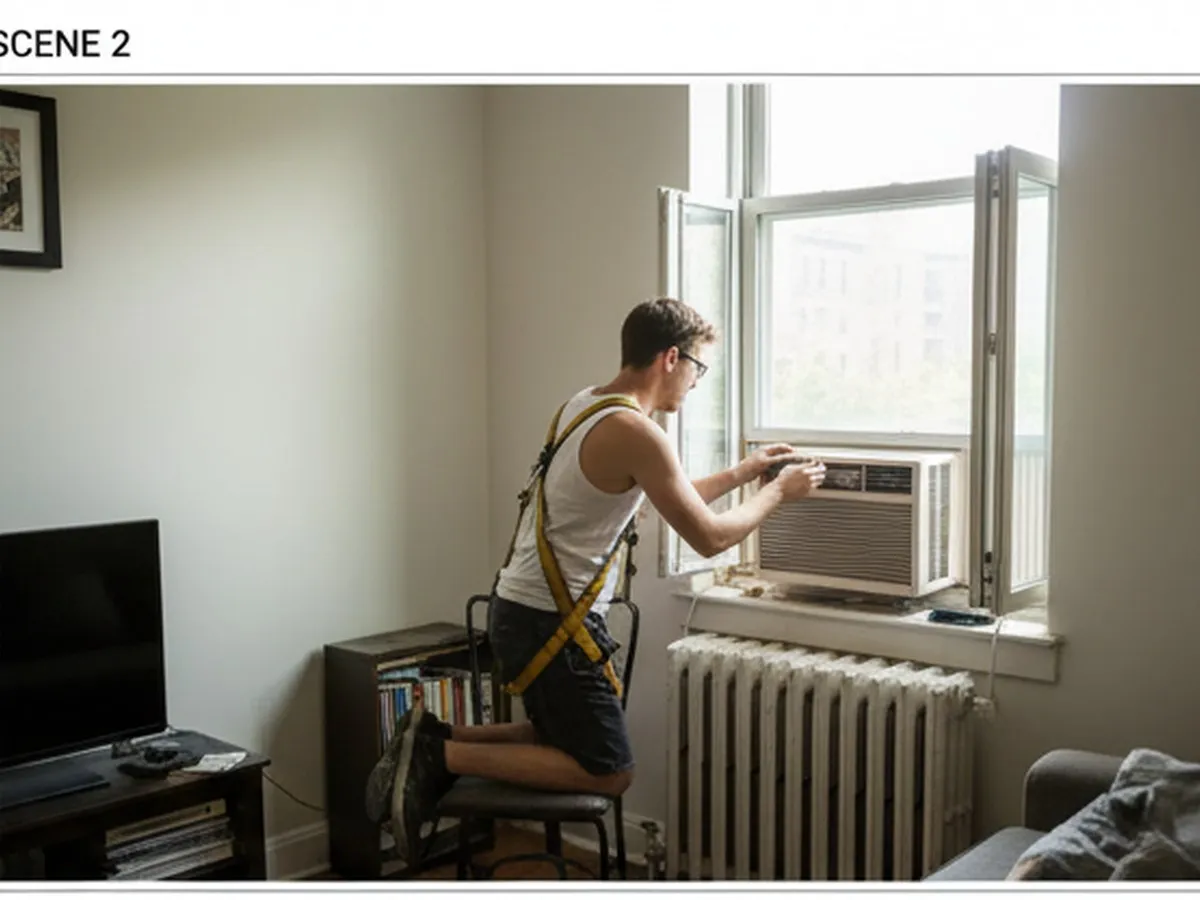
Most NYC apartments end up choosing among four main AC types: window units, through-the-wall units, portable units, and ductless mini-splits. Each type connects differently with building rules and practical constraints. Window units are usually the fastest and cheapest option, but they require the right kind of window (most are designed for double-hung windows), secure brackets, and attention to drip management so you are not leaking onto pedestrians or lower windows. Portable units vent through a hose in the window and can work in casement or sliding windows, but they usually cool less efficiently and can take up precious floor space.
Through-the-wall units require cutting or using an existing wall sleeve; they look clean and free up the window, but they usually need building approval and often a licensed contractor, especially in co-ops and condos that regulate any facade penetrations. Ductless mini-split systems are more expensive up front but provide efficient, quiet cooling and can serve multiple rooms; they involve an outdoor condenser on a roof, balcony, or exterior wall and almost always require permits, board approval, and professional installation to comply with electrical and structural rules. In older prewar or landmarked buildings, mini-split and through-the-wall options may face extra review because of facade and historic-preservation protections.
A practical AC installation scorecard for NYC renters and owners
To sort through your choices, it helps to rate each option against the factors that matter most in NYC: safety and code fit, building approval difficulty, cost, and day-to-day convenience. Using those lenses, a typical scorecard for a NYC apartment might look like this: - Window AC: Strong on cost and speed, medium on building approval, requires careful safety measures. - Through-the-wall: Strong on aesthetics and stability, higher on cost and approval requirements. - Portable AC: Easiest approval, but weaker on efficiency and noise in smaller apartments. - Mini-split: Strongest comfort and energy performance, but highest complexity and upfront cost. If your building has strict facade rules or bans window units on certain elevations, through-the-wall or mini-split systems often win on the scorecard despite the initial cost, because they align better with long-term building compliance.
You can build your own scorecard by listing your constraints: window type (double-hung vs casement), whether you have a terrace, your budget range for the next two summers, and your appetite for board approvals. Rank each AC type 1–5 for “likely to get fast approval”, “total cost over 3 years”, and “installation risk (damage, leaks, violations)”. The option with the highest combined score usually marks the path of least resistance—and least stress with management. Save that scorecard in your notes app so you can update it after talking to your super or board.
Best-practice installation tips to stay safe and avoid headaches
Regardless of which AC type you choose, NYC agencies emphasize following manufacturer instructions and using proper support hardware. The DOB advises using appropriate support brackets or other structural supports designed for your specific window unit model so that the unit cannot tip or fall. Units should be slightly tilted according to manufacturer guidance (often slightly toward the outside) to allow condensate to drain safely, but not so much that they become unstable. Never use makeshift supports like stacked wood blocks, loose bricks, or unsecured boards on the exterior sill; these can shift over time and create a falling-object hazard.
Inside your apartment, best practice is to seal gaps with the provided panels and weatherstripping instead of tape-only hacks, which can loosen and let in hot air, rain, and pests. Avoid routing extension cords across rooms; many window and portable ACs require a dedicated outlet and should not share a power strip, which can be a fire risk. The Fire Department of New York (FDNY) also reminds residents to keep combustibles away from electrical equipment and avoid overloading outlets. If you are drilling anything into the window frame, sill, or exterior wall, pause and confirm with management—some buildings prohibit drilling into metal window frames or exterior brick because of water-intrusion and facade-safety rules.
Timing, logistics, and when you need a pro installer
In NYC, AC installation demand spikes during the first major heat waves, often in late May through July, which can make delivery and professional installation slots hard to get. Ordering a unit and scheduling any necessary building approvals earlier in the spring or early summer often gives you better pricing and more flexible time slots. For simple window units on lower floors, many residents install their own units following DOB guidance, but you may prefer a professional if you have an especially heavy unit, a high floor, or health and mobility constraints.
For through-the-wall units, mini-splits, and any install involving new electrical circuits or exterior wall penetrations, using a licensed contractor is strongly recommended and often required by building policy. Licensed electricians and plumbers can pull any needed permits, ensure the system is correctly sized for your electrical capacity, and reduce the risk of leaks or structural issues that could trigger expensive repairs. If your building is landmarked or in a special district, management or the co-op board may also need to coordinate with the Landmarks Preservation Commission for visible exterior changes. Always verify contractor license status through New York City’s official license look-up tools before booking.
How to double-check rules and avoid 2025-era advice
Online guides and message-board advice about AC installation can go out of date quickly as building policies and city enforcement priorities change. Any guides or posts from 2025 or earlier are now historical; use them only as background, not as a reliable picture of current practice in 2026. For the most up-to-date city-level requirements, start with the NYC Department of Buildings for installation and safety tips and with FDNY for fire-safety guidance. For housing rights, temperature requirements, or landlord responsibilities, look to the NYC housing agencies and 311 information, which post current seasonal rules and advisories.
Because landlords, management companies, and co-op boards can update house rules without changing the law, you should also re-check your building’s own documentation at least once a year. Ask if there have been any new facade inspections, Local Law 11 work, or insurance changes affecting window installs; after large facade-safety campaigns, some buildings tighten rules on brackets and window units even if the city code has not changed. Taking one hour to verify the current rules before you buy or install an AC can save you from having to uninstall and replace a non-compliant system in the middle of a heatwave.
Tags: #creativeworkshops #nyc #apartments #homeimprovement #summer #cooling #renters #coopscondos #buildingcodes #NYC #KarpoFinds #AskKarpo
Sources consulted: NYC Department of Buildings – Window Air Conditioner Safety · FDNY – Electrical Safety Tips · NYC 311 – Fire Escapes and Emergency Exits · NYC 311 – Heat and Hot Water Complaints · NYC 311 – Air Conditioner Rules in Co-ops and Condos · U.S. Department of Energy – Room Air Conditioners · U.S. Department of Energy – Ductless Mini-Split Air Conditioners · NYC Landmarks Preservation Commission – About LPC
All trademarks are the property of their respective owners.
Ask Karpo first
Not sure if your window setup, lease, or budget will work with a new AC—or just want someone to sanity-check the contractor’s quote before you commit? Drop Karpo your building type, neighborhood, and a photo of your window or balcony, and we’ll walk you through code basics, shortlist smarter install options, and help you prep a questions list so you don’t get surprised by violations, damage fees, or an overheated August again.