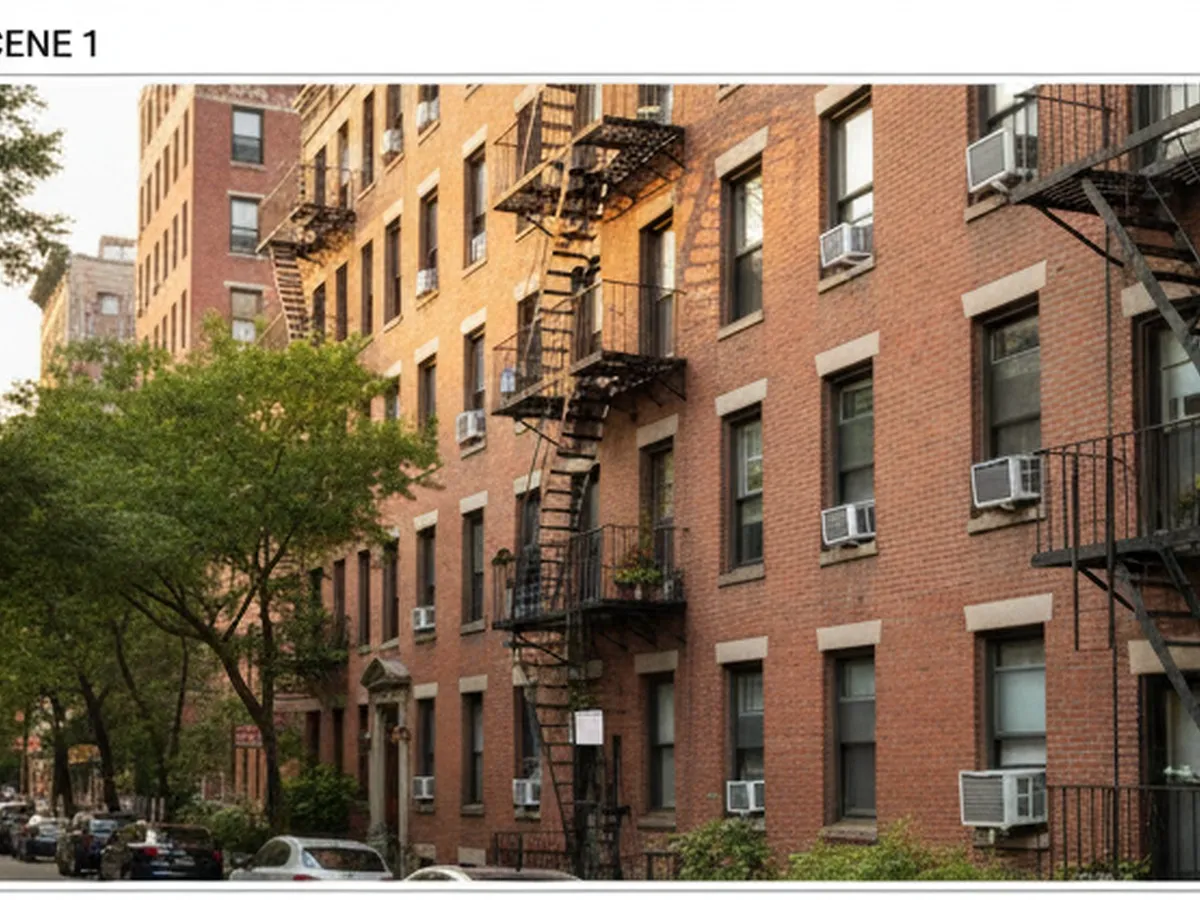
If you live in New York City, “home improvement” usually means negotiating narrow staircases, small elevators, and crowded streets—so choosing the right Home Depot can make or break your project day. Rather than listing every store, this guide acts like a decision tree based on your borough, whether you have a car, and what you need to buy. You’ll get practical options in and around NYC, plus transit guidance, backup plans, and reminders to confirm current hours, inventory, and services on official pages before you head out, since details can change from year to year.
Before you haul a 10-gallon paint bucket onto the subway or commit to a long rideshare to New Jersey, scroll through the decision tree below. Match your situation, pick a store strategy, then save or share this guide so you—and your friends—always have a quick reference when a new project idea hits.

Step 1: Start with your borough and neighborhood
Begin by anchoring your plan to where you actually live or work, since travel time is often the biggest pain point in NYC. Home Depot operates multiple stores across the five boroughs, along with nearby locations in New Jersey, Long Island, and Westchester that many city residents use for larger purchases or more convenient parking. Always check the brand’s official store locator to verify addresses, current hours, and services before you go, because openings, closings, and schedule changes can occur over time.
If you’re in Manhattan, your closest options are typically in neighborhoods like Midtown and the Upper East Side, with stores designed to serve dense, transit-heavy areas. Brooklyn residents are often best served by locations in areas such as Bedford-Stuyvesant, Flatbush, or Red Hook, which tend to have more space and better access for deliveries. Queens, the Bronx, and Staten Island also have multiple stores, often near major roadways, making them practical for drivers and for arranging larger orders.
NYC borders also matter: if you live near a bridge or tunnel, you may find a New Jersey or Long Island Home Depot that’s faster by car than crossing several boroughs. Use your home address and common commute routes in the official locator to compare approximate travel times to several candidates, then decide whether you’d rather go slightly farther for easier parking or stay closer for simpler transit connections.
Step 2: Decide how you’re getting there (car vs transit)
The next branch in your decision tree is simple: do you have access to a car today, or are you relying on subway, bus, or walking? If you are driving, you can prioritize locations with larger parking lots and easier access from major highways, which are common in outer-borough and suburban stores. For transit users, your best bet is usually a store within a short walk of a subway station or major bus stop; official store pages sometimes mention nearby transit options, but it’s wise to cross-check with MTA maps and trip planners.
When you plan to take the subway or bus, focus on purchases you can realistically carry: smaller tools, paint samples, light fixtures, and hardware. For bigger items—like lumber, appliances, or heavy soil—you may still visit via transit but arrange delivery from that location to your apartment, if the store offers it. Always confirm availability, delivery zones, and fees on the specific store’s page, because services can vary by location and can change over time.
If you are driving or using a car share, you can widen your search radius to include stores just outside city limits, especially if they offer more inventory or quieter aisles. Check bridge and tunnel tolls and potential traffic before committing, using up-to-date navigation apps to estimate the total trip cost and time. For any route that includes the subway or bus, verify service changes, planned work, and accessibility features via the Metropolitan Transportation Authority’s official channels, not third-party maps, as schedules and advisories frequently change.

Step 3: Match your project type to store services
Once you know where you can realistically travel, the next decision is what you’re doing: quick DIY refresh, deeper renovation, or creative workshop-style project. Different Home Depot locations may emphasize different services—such as tool rental, appliance sales, or garden centers—so use the official locator’s filters or each store’s page to check what’s offered before you commit to a route.
For small apartment projects (upgrading hardware, painting, hanging shelves), many NYC residents opt for centrally located urban stores with strong selections of paint, fasteners, and basic tools. These visits are often transit-friendly and pair well with same-day errands. For larger projects—like flooring, bathroom updates, or outdoor builds—prioritize locations that list extensive building materials, tool rental, or professional-grade services, even if they’re slightly farther away. Always confirm stock and any special-order timelines directly with the store, since availability can shift from season to season.
If your project leans toward creative workshops or crafting, look for stores featuring broader ranges of lighting, décor, storage solutions, and seasonally themed materials. Many New Yorkers combine inspiration from social media and local design shops with practical supplies from Home Depot. Before you go, map out a shortlist of materials and double-check that your chosen store carries them; this reduces the risk of multiple cross-city trips or having to improvise with substitutes once you’re there.
Step 4: Choose between quick pickup, delivery, or installation
The next branch in the decision tree is how you’ll get items into your home: in-person pickup, home delivery, or installation services. Most Home Depot locations allow you to place orders online and pick them up in store or at a designated area, which can be helpful if you want to minimize time wandering aisles in a crowded urban location. Always verify pickup windows, ID requirements, and how long the store will hold your order, since these policies can vary and may be updated over time.
For heavier or bulkier purchases—think appliances, large plants, or building materials—home delivery is often the safest choice for NYC residents. Many stores provide scheduled delivery options, sometimes with additional services like haul-away of old appliances or basic setup, but details differ by location. Check the specific store’s page for its current delivery offerings, prices, and geographic coverage before you finalize your cart, and factor in your building’s requirements (like elevator reservations or superintendent approval).
Some Home Depot services extend beyond delivery into installation for certain product categories, such as flooring or kitchen fixtures, through partnerships with local professionals. If you choose this route, walk through all contract terms and timelines on official Home Depot channels rather than relying on informal advice. Given that NYC housing types range from co-ops to rentals, it’s important to confirm what’s allowed in your building and any restrictions on contractor work, which are typically documented in your lease or building policies rather than store information.

Step 5: Navigate NYC transit, traffic, and timing
Timing is a major factor in your Home Depot decision tree, especially if you’re traveling across boroughs. To minimize crowds, many New Yorkers aim for weekday mornings or early afternoons, rather than weekends or evenings when stores and roads tend to be busier. Use the MTA’s official website or trip planner to check for subway or bus disruptions, planned station work, or service changes that could lengthen your trip.
If you’re driving, consult current maps or navigation apps for live traffic before you pick a location; you may find that a slightly more distant store connected to a highway offers a smoother drive than a closer one in a dense neighborhood. Remember that bridges and tunnels often have tolls, which add to the cost of an outer-city visit. For any flexible project, consider scheduling your store trip outside of rush hours to reduce stress and allow extra time for browsing, asking staff questions, and arranging delivery.
Because NYC rules and conditions evolve from year to year, be cautious with older trip advice—anything framed around, for example, 2025 transit or traffic patterns should be treated as historical, not current, and rechecked against 2026 information. Use up-to-date MTA alerts, current Home Depot store pages, and your navigation app’s latest data rather than relying on older blogs or social posts when you decide where and when to go. This extra verification step is especially helpful if you’re coordinating with others or scheduling around work hours.
Step 6: Have a backup plan in case plans change
Even with careful planning, NYC errands can go sideways: trains may be delayed, inventory can sell out, or a store’s hours may shift due to maintenance or staffing. Build a backup branch into your decision tree before you leave, listing one alternate Home Depot and one non-Home-Depot option (such as a local hardware store) that you could pivot to if needed. Use official pages for all candidates to verify addresses, hours, and services; never assume that yesterday’s schedule is still accurate today.
If you reach your chosen store and a key item is unavailable, ask staff whether they can check stock at nearby locations or suggest compatible substitutes. In some cases, you might be able to order online for delivery from another store even if your local branch doesn’t have inventory on the shelves. For time-sensitive projects, keep a shortlist of alternate materials in mind so that one missing item does not derail your entire plan.
For creative or workshop-style projects, consider phasing your shopping: pick up core items first, then return later for decorative pieces once you confirm the main elements fit your space. This approach lets you adjust based on what you actually find in store and avoids overbuying. Throughout, remember that details like prices, promotions, and return policies can change over time; always confirm current terms on Home Depot’s official site or at the service desk before making large purchases.
Ask Karpo first
When your project idea hits—whether it’s building a compact balcony garden in Queens or refreshing a studio in Midtown—start by asking Karpo to help you think through the decision tree before you open any shopping app. Share your borough, whether you’re using a car or transit, and what kind of project you’re planning, and Karpo can help you prioritize store locations, suggest when delivery makes more sense than hauling items home yourself, and remind you to double-check official Home Depot and MTA information so your 2026 plans stay current, not outdated. Karpo can also nudge you to save this guide, share it with roommates or partners, and keep a simple backup plan in mind whenever NYC’s moving parts threaten to complicate your next home upgrade. This is general planning help, not personalized professional advice—but it’s a strong start for making your next Home Depot run smoother.
Tags: #homedepot #nyc #urbanliving #creativeworkshops #homeprojects #transit #shopping #planning #NYC #KarpoFinds #AskKarpo
Sources consulted: The Home Depot - New York store page · The Home Depot - Bronx store page · The Home Depot - store locator · MTA - Official transit website
All trademarks are the property of their respective owners.
Ask Karpo first
Not sure which Home Depot trip makes the most sense for you, or juggling a few different project ideas at once? Tell Karpo what you’re working on, where you live, and how you usually get around the city. Your sidekick can help you narrow down the best store option, flag any nearby alternatives, and remind you to double-check hours, inventory, and delivery windows before you head out the door.