 Haaland Has Seven Goals and Norway Runs Entirely Through Him
⚽️2026 FIFA WORLD CUP

NRG Stadium and the Mexico Fans: Houston's Co-Host World Cup Energy
When World Cup 2026 arrives, Houston's NRG Stadium won't just host matches—it'll become a temporary extension of Mexico City. The METRORail Red Line carries the green wave south, while East End taquerias pack pre-game fuel into Styrofoam containers.
The Red Line becomes the green line
You'll board the METRORail Red Line at Preston Station around 10 a.m. on match day, and already the transformation is complete. Every third passenger wears a Mexico jersey—the 1998 throwback with the geometric Aztec patterns, the 2014 away kit in obsidian black, the current home green with gold trim. Someone's rigged a portable speaker to a carabiner, playing Café Tacvba at a volume the transit authority technically prohibits but never enforces on World Cup days. The train rocks south past the Museum District, and by the time you reach the Medical Center stop, standing room has vanished. At Stadium Park/Astrodome, the doors open and three hundred people pour onto the platform in a coordinated exhale. NRG Stadium rises ahead, its retractable roof panels catching the late morning sun, and the air already smells like grilled onions from the parking lot tailgates.
The East End's pre-game economy
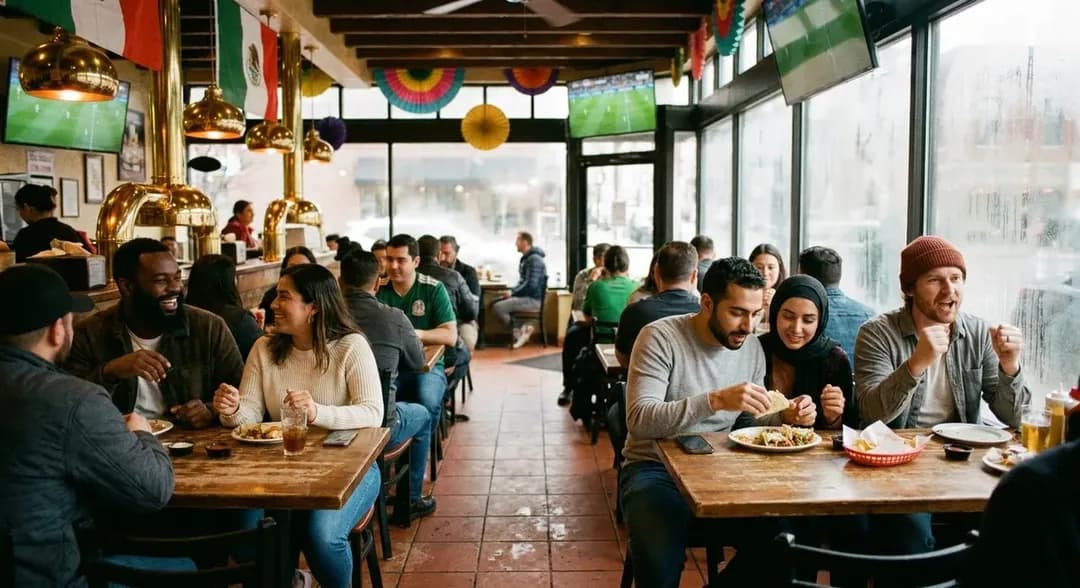
Smart fans started their day five miles northeast, where Navigation Boulevard cuts through the East End's taqueria corridor. At Taqueria Del Sol—the one with the hand-painted Virgen de Guadalupe mural facing the street—the line forms at 7 a.m. on match mornings. You want the barbacoa tacos, four to an order, double-wrapped in handmade tortillas that the abuela in the back has been pressing since 5:30. Manuel, who works the register, keeps a Mexico scarf tied to the cash drawer and updates the chalkboard with his score predictions. Two blocks down, Taqueria Laredo opens its walk-up window and moves two hundred breakfast tacos before 9 a.m., mostly to caravan groups loading coolers into truck beds. The owners string papel picado banners across their parking lot for every Mexico match, green and red tissue paper fluttering above the Chevys and Fords that'll convoy down 610 Loop South toward the stadium.
NRG's accidental home advantage
The stadium holds 72,220 for soccer configuration, and when Mexico plays here during World Cup 2026, at least sixty thousand of those seats will bleed green. Houston's metropolitan area claims roughly two million residents of Mexican descent—the third-largest Mexican population of any U.S. city—and they've turned NRG Stadium into El Tri's de facto home venue for two decades. You saw it during Gold Cup matches, during friendlies, during the qualifiers that technically counted as away games but sounded like Estadio Azteca through the television speakers. The visiting teams—whoever draws Mexico in Houston's World Cup slate—will hear their national anthem drowned out by a sustained whistle, then watch the opening kickoff delayed while someone's grandfather runs a fifty-foot Mexican flag around the touchline perimeter. Section 349, upper deck behind the south goal, has become the unofficial supporters' section. Season ticket holders in that zone have learned to either embrace the chaos or sell their seats on match days.
The USMNT's complicated neighbor
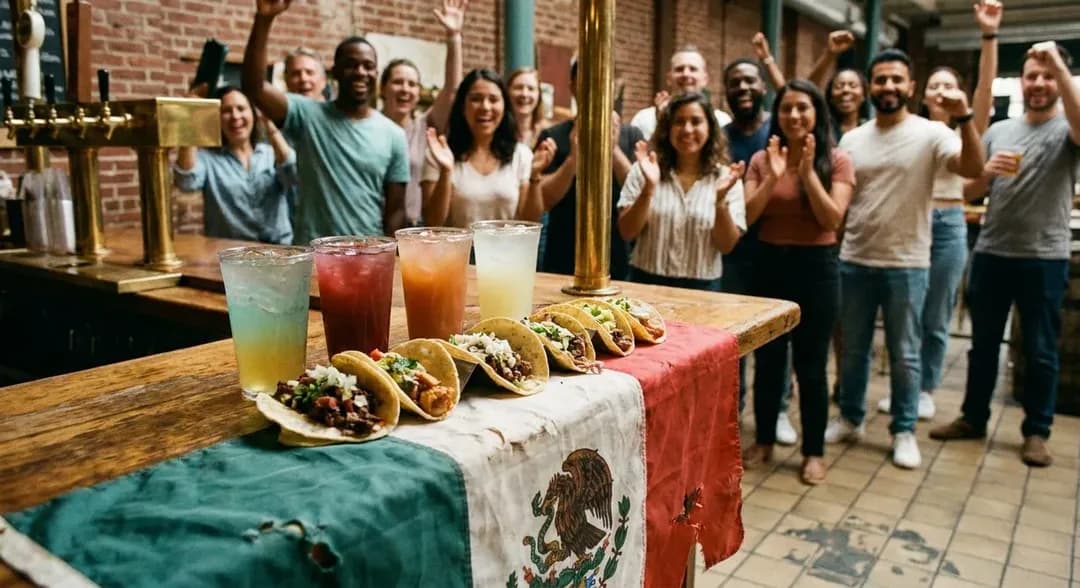
When does World Cup start? June 2026, and the fixture list will create Houston's most interesting diplomatic moment in decades. If the USMNT draws a group stage match at NRG—entirely possible given the venue's hosting commitment—they'll play seventy miles from their training base but might still feel outnumbered. The U.S. Soccer Federation understands the math: Houston loves soccer, but Houston's soccer love wears a different jersey. You'll find American Outlaws chapters here, certainly, watch parties at Cedar Creek Bar & Grill in the Heights, pockets of red-white-and-blue in the stadium's club sections. But the acoustic reality favors Mexico, and the federation has already started discussing how to manage the optics of a nominal home match that sounds like an away fixture. The solution might involve ticket allocation strategies, supporter section assignments, the kind of logistical choreography that turns stadium seating into geopolitical theater.
Parking lot as plaza
The NRG Stadium lots open four hours before kickoff, and by the three-hour mark, the tailgate economy rivals the stadium's official concessions revenue. You'll walk past twenty carne asada setups before you reach the main entrance, each one anchored by a drum-barrel grill and a fold-out table covered in salsas. The family from Pasadena brings their sound system in a modified cooler, the one that runs off a car battery and pushes 400 watts through weatherproof speakers. They've been parking in Blue Lot 7, same spot, for every Mexico match since 2011—the attendants know their Suburban by sight. Three rows over, someone's erected a ten-foot inflatable El Tri goalkeeper, and kids take turns trying to chip soccer balls past it. The Houston Police Department assigns its Spanish-speaking officers to stadium detail on these days, and they've learned that crowd management works better when you accept a plate of food and ask about the score prediction.
The metro's soccer infrastructure
Houston didn't build NRG Stadium for World Cup hosting—it opened in 2002 as a football palace for the Texans—but the building's bones accommodate soccer better than most NFL venues. The retractable roof closes in eighteen minutes if weather threatens, the sightlines work from the lower bowl, and the facility's already hosted five Gold Cup finals. The real infrastructure advantage lives outside: that METRORail Red Line connection means thirty thousand fans can move without gridlocking Kirby Drive, and the stadium's position between 610 and Beltway 8 gives it highway access from every compass point. The Dynamo play across town at Shell Energy Stadium, but NRG gets the big matches because it swallows crowds whole. For World Cup 2026, FIFA's allocated Houston at least four group stage matches and potentially a Round of 16 fixture. The local organizing committee knows what that means: at least one Mexico game, possibly two if the draw cooperates, and the city's Mexican community already planning their vacation days.
Practical notes
NRG Stadium sits at One NRG Parkway, accessible via METRORail Red Line to Stadium Park/Astrodome station (twelve-minute walk to gates). Match day parking runs $40-$60 in official lots; arrive three hours early for tailgate access. The stadium's clear bag policy applies to all World Cup matches—bags must not exceed 12"x6"x12". Tickets for World Cup 2026 matches go through FIFA's allocation system starting late 2025; expect Mexico fixtures to sell out within hours. Secondary market prices for El Tri games historically run 200-300% above face value. Food inside includes standard stadium fare plus Tex-Mex options at club level. The Bud Light Party Deck (sections 601-604) offers standing room with drink rails. For pre-game atmosphere, the East End's taqueria row along Navigation Boulevard between Cesar Chavez and 75th Street operates 6 a.m.-2 p.m. on match days—cash recommended. Houston's June weather averages 91°F with 75% humidity; the retractable roof usually closes for climate control during summer matches.
Tags: #WorldCup2026 #NRGStadium #HoustonSoccer #ElTri #MexicoNationalTeam #METRORail #EastEndHouston #FIFAWorldCup #HoustonEats #SoccerCulture #TaqueriaLife #WorldCupHost #HTX #StadiumCulture #SoccerTravel
Sources consulted: FIFA World Cup 26 · ESPN Soccer · Time Out
Please drink responsibly. Must be of legal drinking age.
All trademarks are the property of their respective owners.
Ask Karpo for more information.
Keep reading
- Haaland Has Seven Goals and Norway Runs Entirely Through Him
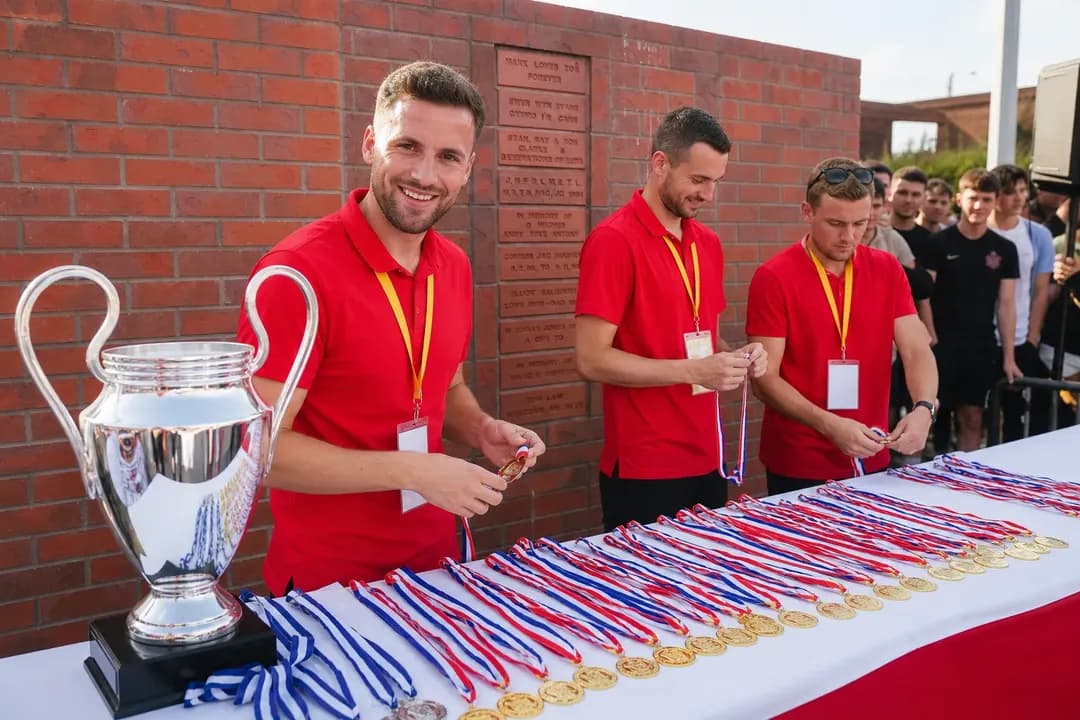 World Cup Trophy Ceremony Timing Medals and Postmatch Celebrations
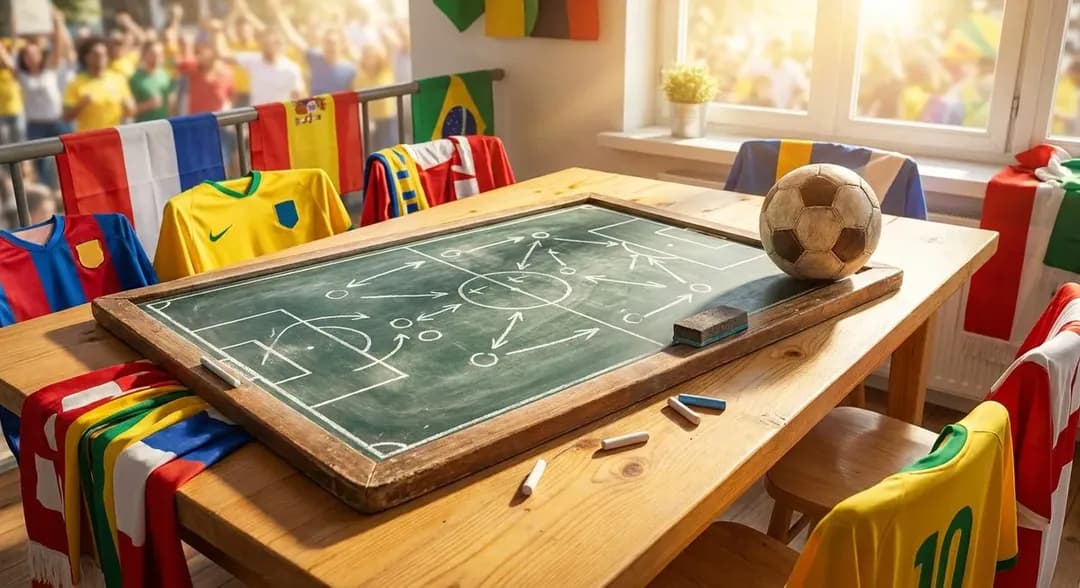 Olise and France's Attack: The Semifinal Tactical Question